

More news on this day
Celestyal has cancelled all remaining cruises in the Arabian Gulf for its 2025-26 winter season, citing heightened geopolitical tensions and bringing its much-touted regional deployment to an abrupt end.
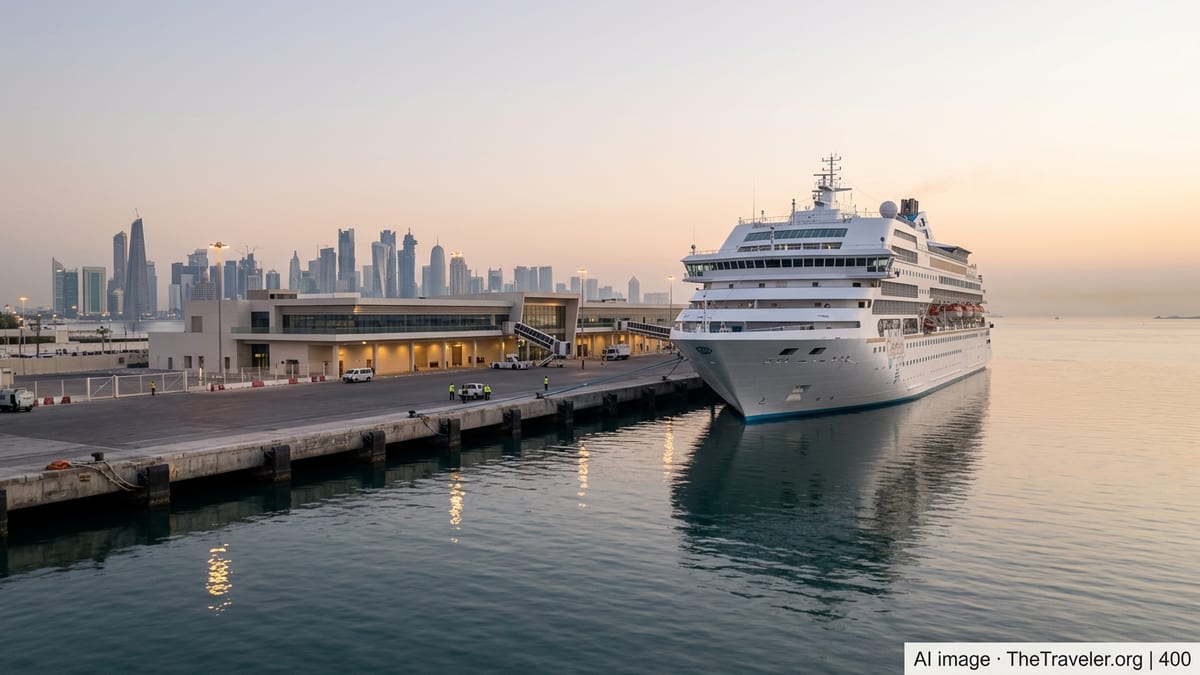
Season Cut Short as Security Concerns Escalate
The Greek-owned cruise line confirmed this week that it has halted the rest of its Arabian Gulf program, affecting both the Celestyal Journey and Celestyal Discovery, which have been sailing itineraries out of ports including Doha, Dubai and Abu Dhabi.
The move follows a rapid deterioration in security conditions linked to the conflict involving Iran and U.S.-led forces, which has disrupted commercial shipping and cruise operations across the Strait of Hormuz and wider Gulf region. Cruise news outlets reported that authorities and operators have been closely monitoring the situation as tensions mounted in late February and early March.
Celestyal said it has been in ongoing contact with regional and maritime authorities and framed the cancellation as a necessary step to protect passengers and crew. In a statement shared with travel partners and guests, the company stressed that the safety and wellbeing of everyone on board remains its top priority.
The decision effectively ends Celestyal’s winter deployment in the Gulf several weeks earlier than planned. The line had previously advertised a robust program of three to seven night “Desert Days” and “Iconic Arabia” cruises featuring calls in the United Arab Emirates, Qatar and Bahrain.
Affected Sailings and Passenger Options
The latest cancellations center on four upcoming departures of the Celestyal Journey that had been scheduled for March 7, 9, 14 and 16, 2026, from Doha and Dubai. Those voyages were to cap what was only Celestyal’s second full season in the region and part of an expanded two-ship deployment designed to capture growing Gulf demand.
Travel trade reports indicate that earlier departures on both Celestyal Journey and Celestyal Discovery had already faced disruption as the security situation worsened, with the line initially trimming individual sailings before opting to shut down the remainder of the program. Industry publications describe similar steps by other major operators in the Gulf, including MSC Cruises, which has also shuttered its winter sailings.
Celestyal has told guests booked on the affected departures that they will be able to choose between a full refund of monies paid or a future cruise credit. According to advisories shared with agents, the future cruise credits can be used on upcoming Celestyal itineraries in the Mediterranean and other regions, giving those whose holidays have been upended a chance to rebook once operations stabilize.
Passengers currently on board have been advised of the changes through onboard announcements and written notices. The company acknowledged the disruption to travel plans and said staff are working with guests and travel advisors to adjust flights, hotels and post-cruise arrangements where possible.
Ships to Reposition to Athens for Summer Season
With the Arabian Gulf season now officially concluded, Celestyal’s two vessels in the region are preparing to leave the Middle East and reposition to Greece ahead of the line’s core summer schedule. The company expects Celestyal Journey and Celestyal Discovery to return to Piraeus in time to operate their planned three to seven night Eastern Mediterranean itineraries.
Those cruises, which focus on the Greek Islands and ports in Turkey, Croatia and the wider Adriatic, form the backbone of Celestyal’s business and are typically the line’s strongest performers. Industry analysts note that shifting capacity back to its home region may help Celestyal contain the financial impact of the early Gulf exit, particularly if demand for Mediterranean sailings remains robust.
While exact repositioning dates have not been disclosed, travel trade bulletins suggest the line is aiming for minimal disruption to its summer schedule. The ships are expected to sail directly from Gulf ports to Athens once all passengers are safely disembarked and regulatory clearances are in place.
Celestyal has invested heavily in refurbishing both vessels in recent years as part of its growth strategy, positioning the brand as a mid-size, destination-focused operator with a strong emphasis on shore experiences. The premature end to the Gulf program represents a setback for that expansion, but one the company appears determined to frame as temporary.
Broader Impact on Gulf Cruise Tourism
Celestyal’s withdrawal underscores the wider turmoil facing the Arabian Gulf’s cruise sector as escalating tensions ripple through regional tourism. Travel industry reports this week describe a historic disruption, with multiple cruise lines suspending or cutting short programs in the United Arab Emirates, Qatar, Bahrain and nearby markets.
Ports such as Dubai, Abu Dhabi and Doha, which have invested heavily in modern terminals and marketing partnerships to build winter cruise business, are now contending with inactive berths and stranded capacity. Industry observers say the sudden pause could dent near-term visitor numbers and spending, although the long-term outlook will depend on how quickly security conditions improve.
For local tourism authorities, the halt in sailings comes just as the Gulf had been gaining momentum as a winter alternative to the Caribbean and Mediterranean. Celestyal itself had recently deepened its ties with regional tourism boards and promoted the area as a key pillar of its year-round deployment strategy.
The crisis has reignited questions about the vulnerability of cruise itineraries to geopolitical shocks, particularly in choke points such as the Strait of Hormuz and the Red Sea. Operators and port authorities are expected to review contingency plans and risk assessments once the immediate disruption subsides.
Travelers Seek Clarity Amid Rapid Changes
Travel advisors across Europe and North America have reported a surge in calls and messages from Celestyal customers seeking clarity on their options and timelines for refunds or rebooking. Many affected guests had combined Gulf sailings with stays in Dubai or Doha, as well as flights booked separately from the cruise, complicating changes.
Trade publications note that Celestyal has been urging guests to work through their original booking channels, whether direct or via agents, to streamline processing of compensation. Travel insurance providers are also fielding inquiries, as policies may cover certain out-of-pocket costs depending on terms and the classification of the cancellations.
Consumer advocates say clear communication will be critical in the days ahead, given how quickly conditions in the region have evolved. They advise passengers to carefully review written notices from the cruise line, maintain records of additional expenses and confirm any new arrangements in writing.
For now, prospective Gulf cruisers are being encouraged to monitor advisories from cruise operators and government travel offices before committing to future sailings in the region. While Celestyal has signaled its intention to refocus on its Mediterranean heartland, the company has left the door open to a potential return to the Arabian Gulf once stability and confidence are restored.