

More news on this day
Celestyal Cruises has cancelled two early-season Iconic Aegean sailings aboard the Celestyal Discovery, citing the deteriorating security situation in the Middle East while promising full refunds or future cruise credits and pressing ahead with a broader strategic shift toward Mediterranean growth.
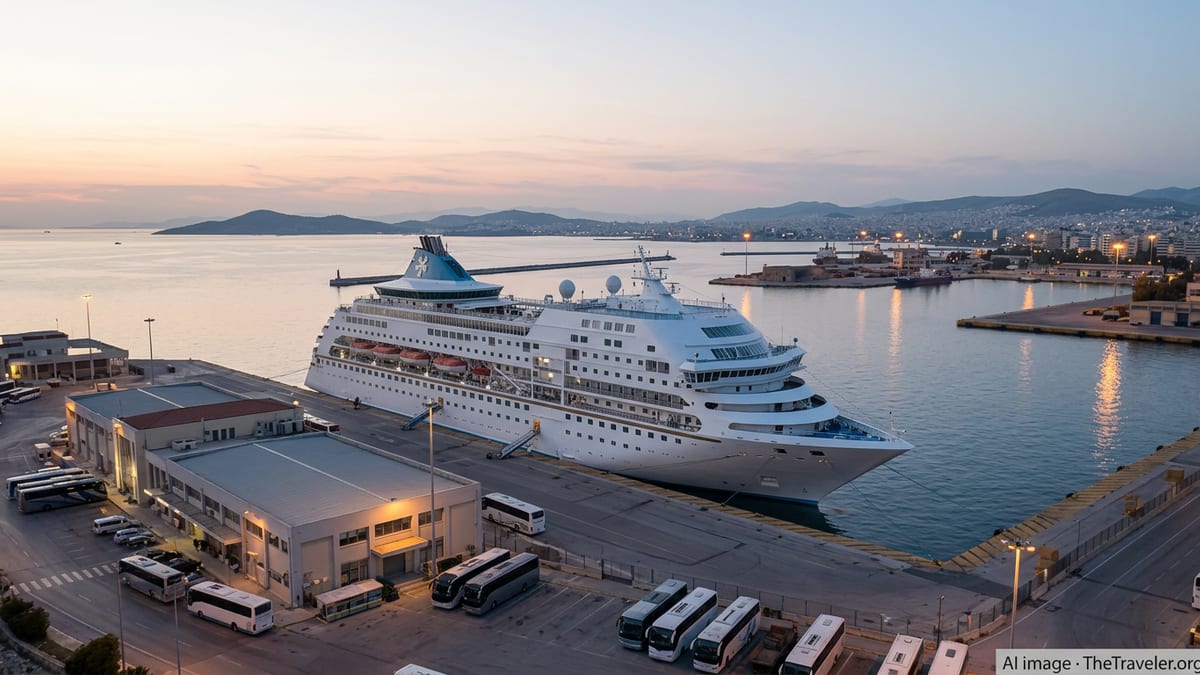
March Iconic Aegean Departures Pulled from Schedule
The Athens-based line confirmed that its three-night and four-night Iconic Aegean cruises scheduled to depart on March 20 and March 23, 2026, from Piraeus will no longer operate. Both itineraries were to be operated by the Celestyal Discovery, the company’s recently introduced mid-sized ship tailored to short Greek island getaways.
Celestyal said the decision is a direct consequence of the sudden escalation of conflict in the Middle East that erupted on February 28, which has left both the Celestyal Discovery and sister ship Celestyal Journey temporarily stranded in the Arabian Gulf. With the vessels unable to reposition to Greece in time, the line opted to cancel the first two Aegean departures of the season rather than risk late-notice disruption.
Guests booked on the affected Iconic Aegean sailings have been notified that the voyages will not take place and that alternative options are being arranged. The cancellations affect travelers originating from multiple source markets who had planned to connect through Athens for short cruise-and-stay breaks in the Greek islands at the start of spring.
The move underscores how quickly events in one region can upend cruise deployments thousands of kilometers away, particularly for operators that run tightly scheduled shoulder-season transitions between winter and summer programs.
Refunds, Future Credits and Support for Impacted Guests
Celestyal has said that all guests on the cancelled March 20 and 23 Iconic Aegean sailings are being offered a choice between a full refund and a future cruise credit. Travelers are being advised to contact their original booking channel, whether a travel advisor or the cruise line directly, to process their preferred option.
The company has emphasized that there will be no penalty fees associated with these cancellations, positioning the compensation as a way to protect guest confidence at a time when geopolitical uncertainty is reshaping travel patterns across the region. Future cruise credits are expected to be valid for a broad range of upcoming Mediterranean itineraries once the fleet is redeployed.
The line has also been working with aviation and tourism partners to mitigate knock-on effects for passengers who had already secured flights, pre-cruise hotel stays in Athens or onward island travel. While many of those arrangements fall outside the cruise line’s direct control, Celestyal’s guest services teams and partner agencies have been tasked with helping travelers adjust plans.
Industry analysts note that the clarity and relative generosity of Celestyal’s response will be closely watched by both customers and trade partners, particularly given the speed with which events unfolded and the complexity of moving two ships out of a conflict zone.
Middle East Conflict Forces Early End to Gulf Season
The cancellation of the two Aegean departures is the latest ripple effect from a wider disruption to Celestyal’s winter Arabian Gulf program. In early March, the company confirmed it was ending its 2025–26 Gulf season ahead of schedule and cancelling all remaining sailings from hubs such as Dubai and Doha after hostilities intensified across the region.
Both Celestyal Discovery and Celestyal Journey had been based in the Gulf offering short “Iconic Arabia” cruises touching ports in the United Arab Emirates, Qatar and Oman. As the conflict escalated, the line suspended operations, disembarked guests and began arranging repatriation while working with local and international authorities on safe passage for the vessels.
The abrupt halt mirrors similar decisions taken by larger cruise brands that have pulled ships out of the Middle East in recent days. Together, these moves have brought a premature close to what had been a growing winter cruise market for the region, impacting hotels, tour operators and port businesses that rely on cruise traffic.
For Celestyal, which has cultivated a niche in destination-focused cruising, the episode highlights the operational risks of expanding into geopolitically sensitive waters. The company has stressed that guest and crew safety remains its overriding priority and that redeployment decisions will be guided by security assessments rather than commercial considerations alone.
Accelerated Repositioning to Mediterranean Growth Markets
Even as it manages cancellations and repatriations, Celestyal is turning its attention to the upcoming Mediterranean season, where both of its ships are slated to operate a mix of three- to seven-night itineraries centered on Greece and neighboring countries. The early end to the Gulf season effectively accelerates that pivot, with the line now focused on getting the Discovery and Journey back to the Eastern Mediterranean as soon as operationally feasible.
Once in place, Celestyal plans to lean into its core Aegean and broader Mediterranean offerings, including longer itineraries that combine marquee destinations such as Athens, Mykonos and Santorini with lesser-known islands and ports in Turkey and Croatia. Tourism officials in Greece have already signaled that the wider summer season outlook remains strong, despite the loss of two short Aegean departures in March.
Travel trade partners say they expect many affected guests to rebook within the region once new dates and sailings are confirmed, given the enduring appeal of the Greek islands and the relative stability of the Mediterranean compared with the Gulf at present. The company’s future cruise credit option is designed to capture that demand and funnel it toward shoulder and high-season departures.
At the same time, Celestyal will face competitive pressure from larger operators that are also shifting capacity back into the Mediterranean as they abandon Middle East calls. How the line positions its product, pricing and distribution strategy over the next several weeks will help determine how quickly it can recover lost revenue from the aborted Gulf program.
What Travelers Should Know Before Sailing
For travelers with existing or prospective bookings on Celestyal, the latest cancellations are a reminder to monitor itinerary updates closely and to stay in close contact with travel advisors. The company has been updating its trade partners and direct customers as its plans evolve, but the continuing volatility in the region means further adjustments cannot be ruled out.
Travel specialists recommend that guests holding independent air and land arrangements linked to the cancelled Iconic Aegean departures contact airlines and hotels promptly to explore change options, as standard cruise compensation typically does not cover third-party costs. Comprehensive travel insurance policies that include trip interruption and supplier default coverage are being highlighted as an important safeguard in the current environment.
Looking ahead, Celestyal’s determination to consolidate around its Mediterranean stronghold suggests that future Aegean and regional itineraries should be less vulnerable to the knock-on effects of Middle East instability, although port calls that transit sensitive waterways will remain subject to change. For many cruise passengers, that trade-off is acceptable in exchange for the opportunity to experience Greece and the Eastern Mediterranean by sea.
For now, the cancellation of two signature Iconic Aegean sailings underlines how the repercussions of conflict can reach far beyond immediate front lines, reshaping cruise calendars and traveler decisions across an interconnected global industry.