

More news on this day
Singapore Changi Airport, one of the world’s busiest transit hubs, has been plunged into turmoil as sudden Middle East airspace closures force airlines to cancel flights to Dubai, Doha and Abu Dhabi, leaving hundreds of global passengers stranded mid-journey.
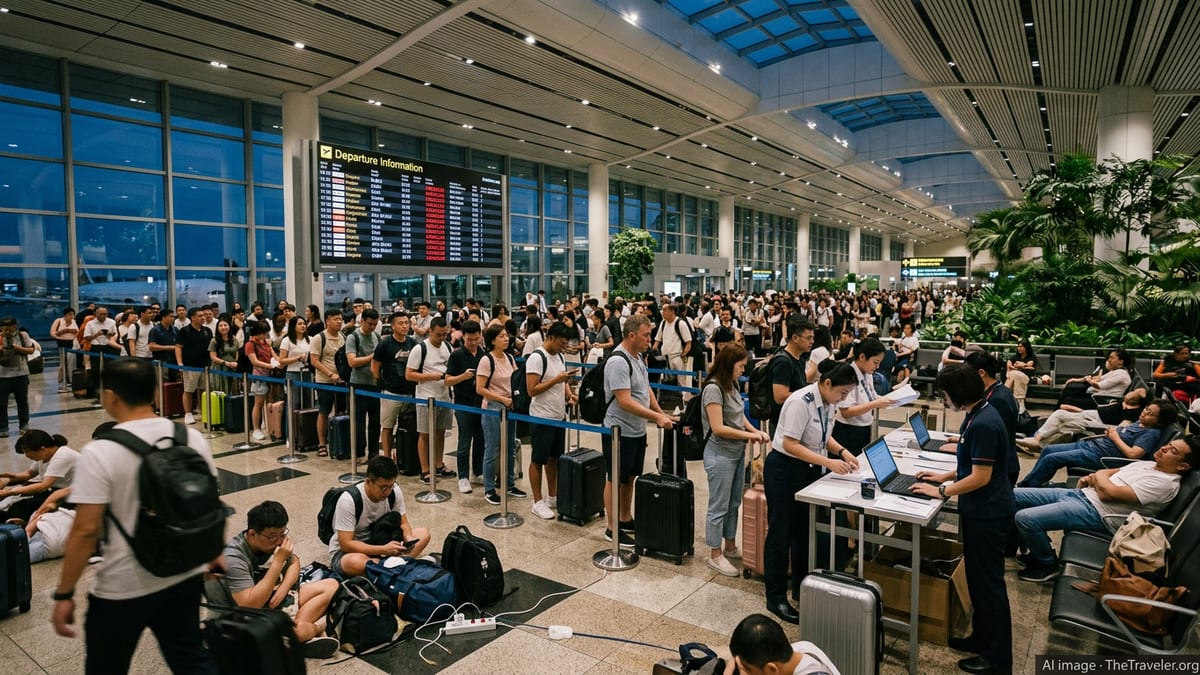
Transit Superhub Brought to a Standstill
The shock disruption hit on the back of escalating hostilities involving Iran, Israel and the United States, which have led to the closure or severe restriction of key Middle Eastern airspace. Gulf hubs in Dubai, Abu Dhabi and Doha, which normally funnel tens of thousands of passengers a day between Europe, Africa, the Americas and Asia, have suspended most commercial operations. With those hubs effectively offline, connecting flights through Singapore that rely on onward services to the Gulf are being scrapped at short notice.
Airport staff at Changi reported waves of distressed travellers arriving at transfer desks on Tuesday, March 3, only to discover that their onward flights to Dubai, Doha and Abu Dhabi had disappeared from departure boards. Passengers bound for Europe and Africa via the Gulf, as well as migrant workers and families heading to the Middle East, have been told they could face days before alternative routings become available.
Industry analysts say the closure of air corridors over Iran, Iraq, Qatar and parts of the United Arab Emirates has triggered the worst aviation shock since the Covid pandemic, with more than ten thousand flights cancelled worldwide in recent days. Changi’s role as a major Asian gateway means it is feeling the knock-on effects acutely, even though Singapore’s own airspace remains open and secure.
Stranded Passengers Grapple With Uncertainty
The human impact of the shutdown is playing out across Changi’s terminals. Travellers report camping out on benches and carpeted floor areas, cradling carry-on bags and watching departure screens for any sign of movement. Some passengers arriving from regional cities such as Ho Chi Minh City, Jakarta and Manila say they were advised of disruption while inflight, only to discover on landing that their Gulf connections had already been cancelled.
Among those stuck are long-haul passengers who had routed through Singapore to reach Europe via Dubai or Doha, attracted by competitive fares and convenient schedules. With Emirates, Qatar Airways and Etihad suspending regular passenger services to and from their hubs until at least later this week, many travellers now face the prospect of being rebooked on far longer routings through East Asia or via limited remaining connections through South Asia.
Families with young children and elderly passengers appear particularly vulnerable. Social media posts from the airport on Tuesday afternoon described parents sharing snacks and bottled water in crowded seating areas, while solo travellers with limited funds worried about affording extra nights in Singapore. Some have reported holding tickets issued by overseas travel agents, complicating efforts to secure immediate rebooking or refunds at airline counters.
Airlines Scramble to Reroute and Reassure
Airlines that normally rely on Gulf hubs as onward gateways are racing to reorganise their networks around the closure. Carriers serving Singapore with connections via Dubai, Abu Dhabi and Doha have suspended affected services and are urging passengers not to proceed to the airport unless they hold confirmed rebookings. Limited repatriation and cargo flights are operating for some Gulf airlines, but these are being prioritised for stranded customers already in the region rather than those still in Asia.
Global aviation data firms estimate that Emirates, Etihad and Qatar Airways together move around 90,000 connecting passengers per day through their hubs in normal times. With their home airspace constrained and neighbouring corridors closed, airlines are working with regulators to secure new routings that skirt the affected area, often via longer paths over Central Asia or the Indian Ocean. The additional flight time and fuel burn make many of these options costly and logistically complex.
At Changi, airline ground teams have been augmented by extra staff redeployed from quieter parts of the terminal to help manage mounting queues at transfer desks. Carriers are offering meal vouchers, hotel accommodation where available and fee waivers for changes on tickets issued before the crisis began on February 28. Even so, with seat availability tight on alternative routes and the situation in the Middle East still fluid, there is limited capacity to absorb displaced travellers quickly.
Changi’s Contingency Efforts Tested
Singapore’s aviation authorities and airport operator are activating contingency plans honed during previous crises, from volcanic ash disruptions to the pandemic-era shutdown. Information desks have been expanded and public announcements in multiple languages are being used to keep passengers updated as fresh advisories are issued by Gulf and regional airlines.
Airport staff are coordinating closely with local hotels and ground transport providers to support travellers who face extended stays in the city. Travel agents based in Singapore report working around the clock to rebuild itineraries, often stitching together complex multi-stop journeys via Bangkok, Kuala Lumpur, Hong Kong or Tokyo to bypass closed Middle Eastern airspace entirely. These rerouted journeys can add many hours, or in some cases an extra travel day, to trips that previously relied on fast Gulf connections.
Despite the disruption, Changi continues to operate as normal for flights that do not rely on Middle East connections, and there has been no suggestion of any threat to Singaporean airspace. However, the concentration of stranded transit passengers is putting pressure on terminal seating, power outlets and shower facilities. Airport managers are monitoring crowd levels closely and encouraging travellers with confirmed departures many hours away to move to quieter zones.
Regional Ripple Effects and What Travellers Should Expect
The suspension of flights to Dubai, Doha and Abu Dhabi from across Asia is reverberating through regional networks. Airports from Sydney to Seoul are reporting disrupted services and stranded passengers as airlines withdraw or consolidate Middle East bound flights. In Southeast Asia, hubs such as Kuala Lumpur and Bali’s Denpasar have been identified by some carriers as possible alternative connecting points for routes that previously relied on the Gulf, though concrete schedule changes will take days to implement.
Travel experts warn that even once limited services to the Middle East resume, it could take weeks for global schedules to stabilise. Backlogs of stranded passengers will need to be cleared, aircraft and crews repositioned, and new routings agreed with regulators. Fares on remaining long-haul options via Europe or East Asia are already rising as available seats fill quickly.
Passengers currently booked to travel through Changi with onward connections to Dubai, Doha or Abu Dhabi in the coming days are being strongly advised to check their flight status frequently, maintain up to date contact details with airlines, and work through their original booking channels before heading to the airport. For now, the image of exhausted travellers marooned under the bright lights of Singapore’s usually seamless superhub has become a stark symbol of how swiftly geopolitical shocks can upend global mobility.