

More news on this day
Operations at RGI Airport were briefly disrupted when a charter aircraft encountered a technical snag during ground operations, prompting a short suspension of movements before normal schedules resumed.
Get the latest news straight to your inbox!
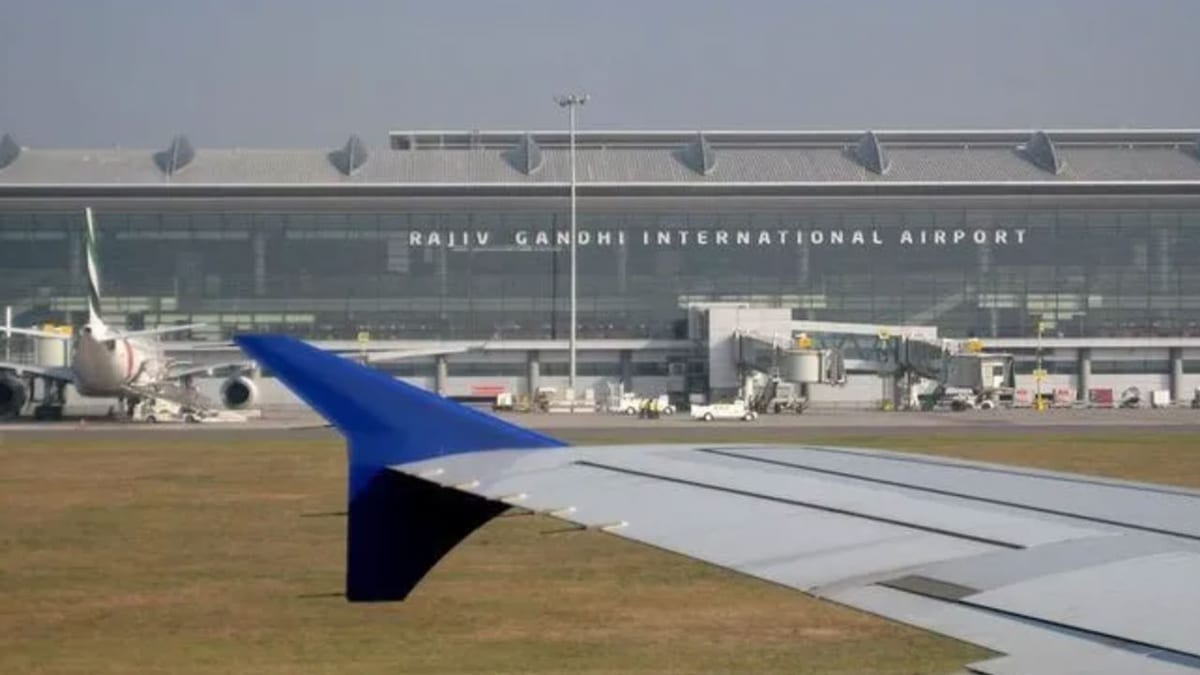
Brief disruption linked to on-ground technical issue
According to publicly available flight tracking data and local coverage, the incident involved a charter service that was preparing for departure when a technical irregularity was detected. Ground crews and the flight’s operating team halted further procedures while checks were carried out on the aircraft.
Reports indicate that airport staff temporarily adjusted movements around the affected stand, leading to a brief disruption to both inbound and outbound traffic. No structural damage to airport infrastructure has been reported, and there were no indications of an emergency declaration.
Available information suggests that the issue was confined to the single aircraft and did not affect fuel systems, runway surfaces, or navigation facilities. The disruption primarily involved a short hold on nearby ground operations while the aircraft remained stationary for inspection.
Passenger impact contained as schedules are realigned
Passenger impact appears to have been limited to delays rather than cancellations, with most affected travelers re-accommodated on revised departure times. Publicly accessible flight status boards showed a short period of irregular operations, followed by a return to near-normal timings once the stand area was cleared.
Some connecting passengers reportedly experienced extended waiting times as schedules were reshuffled. Airport information platforms indicated that later departures were adjusted by modest margins, suggesting that the ripple effect was contained within the same operating window.
There have been no public reports of injuries among passengers or crew. Available coverage characterizes the technical snag as a precautionary concern that required additional checks rather than a major mechanical failure.
Safety protocols and ground response under spotlight
Publicly available information on standard operating procedures at comparable regional airports shows that any suspected technical irregularity typically triggers a conservative response, including suspension of pushback and taxi and restrictions on vehicle movements around the aircraft. The response at RGI Airport appears to have followed this pattern, with ground teams prioritizing inspection and clearance before allowing operations to resume.
Aviation safety analysts often note that such short-lived disruptions are an indicator of protocols functioning as designed. When ground crews or flight personnel flag a potential issue, operational pauses are introduced to reduce risk during critical phases such as engine start, taxi, or takeoff.
In this case, the response at RGI Airport centered on keeping the affected area sterile until the aircraft could be assessed. Available data suggests that once checks were completed and the aircraft was either cleared or repositioned, routine activity restarted across the apron and runway system.
Charter operations and technical snags at smaller airports
Publicly accessible aviation references describe RGI Airport as a facility that handles a mix of scheduled regional services and occasional charter operations, often linked to leisure travel and seasonal demand. Charter flights can involve different aircraft types and configurations compared with regular commercial services, which sometimes increases the likelihood of minor technical discrepancies being spotted during pre-departure checks.
Industry statistics from similar airports indicate that technical snags of this kind are not uncommon and are usually resolved on the ground without further incident. These may relate to sensor readings, auxiliary systems, or routine components that require adjustment or replacement before the aircraft is cleared to depart.
Observers note that at airports with limited stands and concentrated peak periods, even a single aircraft held on the apron can momentarily affect the flow of other flights. The disruption at RGI Airport appears to fit this pattern, with a localized issue briefly influencing wider operations before traffic normalized.
Operations return to normal and monitoring continues
Following the incident, flight-tracking and airport information platforms showed services from RGI Airport operating close to published schedules. Subsequent departures and arrivals proceeded without further reported irregularities, and there has been no indication of longer-term operational constraints.
Publicly available data does not point to ongoing inspections of runways or taxiways related to this specific event, suggesting that the episode has been treated as an isolated aircraft matter rather than a systemic infrastructure concern. Routine monitoring of aircraft movements and ground conditions is understood to be continuing as part of standard airport practice.
The brief disruption underscores how even minor technical snags can momentarily affect airport operations, particularly where capacity is finely balanced. At the same time, the rapid return to regular service at RGI Airport highlights the role of established procedures in containing such events and maintaining overall operational resilience.