

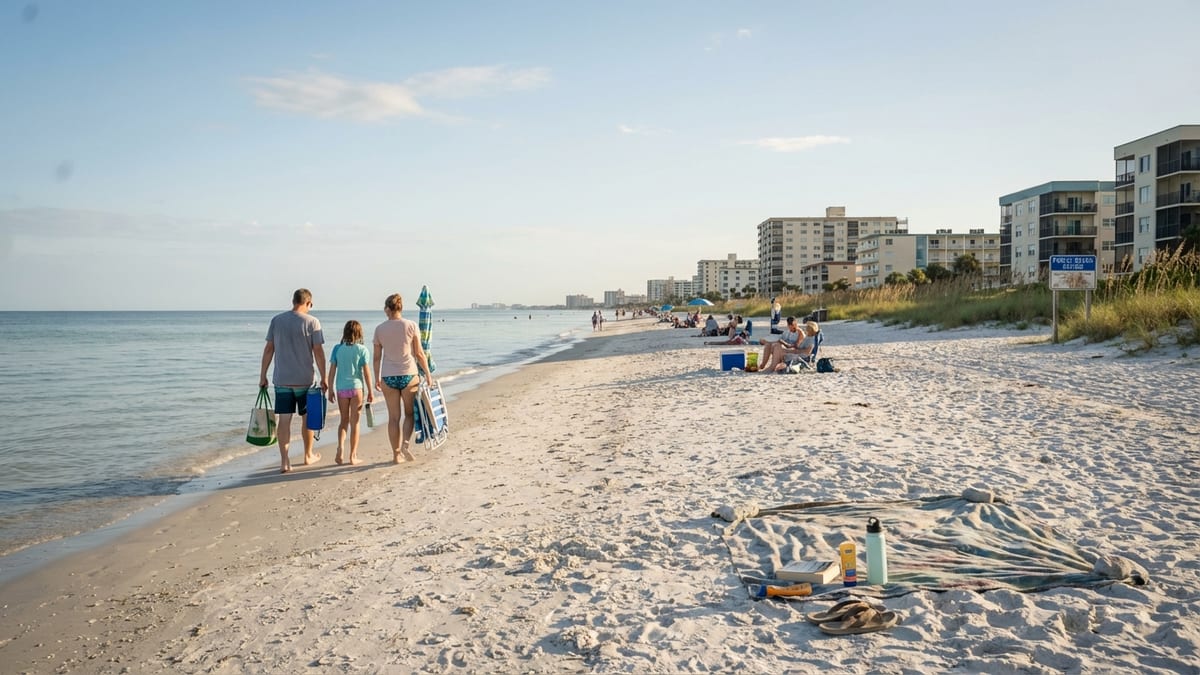
Florida has a reputation for blockbuster price tags to match its blockbuster attractions, but a Sunshine State escape does not have to drain your savings. With smart timing, strategic choices and a clear sense of priorities, you can build a cheap Florida vacation package that combines soft-sand beaches with world-class theme parks for far less than the glossy brochures suggest. Airfare sales, new rail links, resident ticket deals and competitive hotel markets all give travelers more leverage than ever if they know where to look and how to bundle.
Choosing the Right Florida Hubs for Budget Beaches and Parks
Florida is large, and picking the right base can shave hundreds of dollars off a weeklong trip. For beach-and-park combos, Orlando is still the most efficient hub for theme parks, with Tampa Bay, Cocoa Beach and the Space Coast, and even Daytona Beach within practical driving distance. Because Orlando is one of the busiest leisure airports in the country, ultra-low-cost carriers and legacy airlines alike regularly discount fares, especially outside school holidays and long weekends.
On the coast, some cities are consistently more affordable than the big-name resort towns. Tampa and nearby St. Petersburg have emerged as value beach destinations, with competitive vacation rental rates and moderate hotel prices compared with South Florida’s marquee neighborhoods. Northwest Florida’s Destin and the Panhandle offer white-sand beaches that rival the Caribbean, and recent airline expansions have introduced new seasonal routes with eye-catching introductory fares. These secondary beach markets often deliver lower nightly rates while still offering walkable waterfronts and classic Florida scenery.
If you dream of Miami or the Florida Keys but balk at the cost, consider staying just outside the hot zones. Suburbs west of Miami Beach or smaller cities near Key Largo can cut lodging costs dramatically while still keeping you within a manageable drive of the action. The same principle applies on the Gulf Coast: staying a few blocks or a few miles inland from Naples, Sarasota or Clearwater generally reduces rates, and you can still spend your days on the sand.
Timing Your Trip for Maximum Value
When you visit can matter more than where you stay. Florida’s hotel and airfare prices surge during peak periods: winter holidays, spring break from early March through early April, and long weekends tied to federal holidays. If your schedule is flexible, traveling in the shoulder seasons can transform an unaffordable itinerary into a cheap Florida vacation package without sacrificing sunshine.
Late April and early May, as well as late September through mid-November, are the sweet spots. Temperatures are warm enough for the beach, yet demand is lower once families are back in school. Theme parks respond with ticket specials and hotel discounts, and coastal resorts quietly trim nightly rates. Hurricane season officially runs from June through November, but the highest storm risk tends to cluster from August to early October, making May and early June particularly attractive windows for budget-conscious travelers who want good weather and lower crowds.
Even within a given week, small shifts can pay off. Midweek arrivals often come with cheaper flights and more reasonable hotel rates than Friday or Saturday starts. Theme park ticket pricing, now heavily date-based, usually reflects this pattern, with lower prices on weekdays outside holidays. If you are planning a multi-park trip, consider anchoring your most expensive park days on lower-priced midweek dates, then using weekends for free or low-cost beach time.
Building a Cheap Florida Vacation Package: Flights, Hotels and Transport
Putting together an affordable Florida escape starts with the building blocks: how you get there, where you sleep and how you move around once you arrive. For flights, look for competitive routes to major hubs such as Orlando, Tampa, Fort Lauderdale and Miami rather than insisting on smaller regional airports. Price alerts and flexible-date searches can reveal sudden drops, especially as airlines fill seats outside peak holidays. New seasonal routes to secondary Florida airports sometimes launch with promotional one-way fares that can undercut traditional gateways, so it is worth checking multiple cities within driving distance of your final destination.
On the accommodation front, Florida’s inventory ranges from budget motels and chain hotels to condo-style rentals and full-service resorts. For cheap beach vacations, targeting properties a few blocks inland can deliver big savings with minimal inconvenience. In walkable beach towns, a 10 to 15 minute walk can cut room prices substantially compared with oceanfront towers. In bigger cities, look at neighborhoods served by local transit or short ride-share hops rather than insisting on beachfront addresses. For theme park segments, off-site hotels near Orlando’s International Drive, Kissimmee and Lake Buena Vista frequently bundle free shuttles with breakfast, reducing both transportation and meal costs.
Transportation within Florida has become easier and potentially cheaper with expanded rail options. The state’s higher-speed train service now links Orlando with South Florida, including West Palm Beach, Boca Raton, Fort Lauderdale, Aventura and Miami. For travelers stitching together a multi-city itinerary that covers both theme parks and beaches, a rail journey can replace a rental car or short-haul flight and sidestep highway congestion. If you do rent a car, compare airport and neighborhood pickup locations; sometimes an off-airport branch can be significantly cheaper once you factor in taxes and fees, especially in major tourist markets.
Saving Big at the Theme Parks
Theme park tickets are often the single largest line item in a Florida vacation budget, but careful planning can rein in the cost. For Walt Disney World, date-based pricing means that selecting lower-demand days can reduce per-day costs before you even apply any special offers. Residents have access to limited-time tickets at substantial discounts, including seasonal products that price multi-day admission well below standard rates. In 2026, time-limited deals for Florida residents offer four days of park access at daily prices far under regular gate rates, provided visitors travel within specified windows and comply with reservation rules.
Non-residents are not shut out of savings. Authorized third-party ticket sellers periodically bundle extra days or park hopper privileges into promotions, effectively spreading the cost of admission over more park time. Other targeted offers extend discounts to Disney+ subscribers or holders of certain memberships and affiliations, typically for specific date ranges early or late in the year. Booking as far in advance as possible is nearly always cheaper than buying at the gate, and locking in tickets early helps shield you from subsequent price increases.
Outside Disney, other major parks run their own promotions. Universal Orlando frequently sells multi-day tickets close in price to shorter stays, making an extra day a value rather than a splurge. SeaWorld Orlando and Busch Gardens Tampa often appear in city pass-style bundles that package several attractions for a fixed price. These passes can be cost-effective if you realistically plan to visit most of the included sites; otherwise, targeted individual tickets bought in advance may be a better deal.
Beach Days on a Budget
Florida’s beaches are the key to keeping a vacation package cheap, because most of the value lies in setting and atmosphere rather than ticketed attractions. With more than a thousand miles of coastline and roughly 90 percent of beaches open to the public, you can structure entire days around free or low-cost seaside experiences instead of piling on paid excursions. Well-known stretches of sand such as Clearwater Beach, Daytona Beach, St. Augustine Beach, Destin and various Panhandle strands offer free access, with costs limited mostly to parking and incidentals.
To avoid nickel-and-diming at the shore, pack like a local. Sunscreen, hats, swimsuits and basic beach gear cost far more at resort shops and kiosks than at home big-box stores. Beach chair and umbrella rentals that seem trivial at 20 or 30 dollars per day quickly snowball over a week. Bringing your own travel chairs or a simple beach blanket cuts that recurring expense. If you are flying and cannot pack bulky items, consider stopping at a supermarket or discount store on arrival to buy a budget umbrella and cooler, then leaving them behind at the end of the trip.
Food is another category where beach days can either blow the budget or help you save. Waterfront restaurants and bars understandably charge premiums for the view, but you do not have to eat every meal on the boardwalk. Stocking up on groceries for breakfasts, snacks and casual lunches gives you flexibility while keeping restaurant spending targeted to the experiences that matter most. Many hotels provide mini-fridges, and an inexpensive cooler can keep sandwiches and drinks cold for long hours on the sand. Even a modest shift toward self-catering can free up funds for a special dinner, a boat tour or an extra park day.
Smart Ways to Combine Beaches and Theme Parks
The most satisfying cheap Florida vacation packages blend high-energy park days with slower, low-cost beach time. Rather than splitting your trip into two expensive segments, arrange the itinerary so that the budget-friendly pieces support the pricier ones. One practical strategy is to start with a run of theme park days, when your energy is highest, then transition to a quieter beach town to recover without paying park prices the entire week.
For example, you might fly into Orlando, spend three or four days at Walt Disney World and Universal Orlando using discounted multi-day tickets, then drive to the Gulf Coast for a long weekend on the beach. Tampa and St. Petersburg are reachable by car in about 90 minutes, while Cocoa Beach and the Space Coast sit roughly an hour to the east. By reusing the same rental car and returning it at your departure airport, you avoid extra transport costs. In South Florida, pairing a couple of Miami or Fort Lauderdale days with a stay in a cheaper neighboring town delivers similar benefits; you enjoy the marquee sights and nightlife but sleep where nightly rates are more forgiving.
When combining destinations, be realistic about distances and transit times. Florida looks compact on a map, yet driving from Orlando to the far western Panhandle or from Miami to the upper Gulf Coast can absorb most of a day. If your heart is set on distant pairings, factor in a one-way flight or train segment between regions and treat that as part of your package rather than a last-minute add-on. Keeping moves to one or two per trip usually leads to lower spending and less stress than chasing an overly ambitious checklist of cities.
Low-Cost Alternatives to Pricey Excursions
Even outside the parks, Florida tempts visitors with a long roster of paid experiences: airboat rides in the Everglades, branded snorkeling tours, dolphin cruises, zip lines and water sports rentals lined up on almost every popular beach. These can be memorable, but they are rarely cheap. A helpful mindset shift is to treat them as optional splurges rather than default activities. Start by building your days around free or nearly free experiences, then add one or two standout activities that genuinely fit your interests and budget.
State parks are one of the best values in Florida. A modest per-vehicle entrance fee, or an inexpensive annual pass for frequent visitors, opens access to springs, trails, historic forts, mangrove tunnels and quiet beaches that feel a world away from the resort strips. Many parks rent kayaks, canoes or bicycles at lower rates than private outfitters nearby, and some offer guided experiences at a fraction of typical excursion prices. For families or couples on long trips, weaving state parks into your itinerary can deliver high-impact experiences without high-impact bills.
In cities, free and low-cost culture rounds out the picture. Waterfront promenades in Tampa, St. Petersburg, Miami and Fort Lauderdale provide people-watching and skyline views at no charge. Public arts districts with murals and galleries often host free events in the evenings or on weekends. Community calendars highlight open-air concerts, markets and festivals that give you a sense of place for far less than ticketed shows. Taken together, these elements can give your Florida vacation a richer texture and ease the pressure to book expensive excursions simply to fill the schedule.
The Takeaway
Florida’s beaches and theme parks are not inherently cheap, yet they reward travelers who treat the trip like a puzzle instead of a package fixed in stone. By choosing cost-effective hubs, timing your visit for shoulder seasons, and leveraging discounts on flights, hotels and park tickets, you can unlock experiences that seem reserved for luxury budgets. The most powerful savings often come from small, cumulative decisions: staying a few blocks inland, riding a train instead of booking a second flight, packing your own beach gear and reserving big-ticket activities for the moments that matter most.
In the end, a cheap Florida vacation package is less about chasing every sale and more about aligning your spending with your priorities. If riding headline attractions or watching nightly fireworks is what you will remember years from now, design your budget around those goals and let free beach days and self-catered meals support them. If quiet mornings on the sand mean more to you than standing in line, trim park days and invest in walkable waterfront neighborhoods instead. Florida is flexible enough to accommodate both approaches, and with thoughtful planning, you can step off the plane with confidence that the trip ahead fits your imagination as well as your wallet.
FAQ
Q1. What is the cheapest month to visit Florida for beaches and theme parks?
Late April, early May and the period from late September to mid-November typically offer the best balance of lower prices, manageable weather and reduced crowds for both beaches and parks. Avoid major holidays and school breaks, when airfares and hotel rates spike sharply.
Q2. Is it cheaper to buy a package or book flights and hotels separately?
It depends on your flexibility and destination. Prebuilt packages can be good value for simple Orlando-only stays, but travelers who compare flight deals across several Florida airports and mix traditional hotels with vacation rentals often save more by booking components separately.
Q3. How can I save money on Walt Disney World tickets?
Buy tickets well in advance, choose lower-priced dates if your schedule allows, and look for limited-time offers tied to residency, subscriber perks or multi-day promotions. Avoid upgrading to extras such as park hopping or add-on experiences unless you are sure you will use them enough to justify the cost.
Q4. Which Florida beaches are best for budget travelers?
Destinations such as Tampa, St. Petersburg, parts of the Panhandle and smaller towns near bigger hubs tend to have more moderate lodging costs than marquee resorts. Free public access to beaches, combined with walkable neighborhoods and midrange dining, helps keep overall spending lower.
Q5. Do I need a rental car for a cheap Florida vacation?
Not always. In dense areas like central Orlando or parts of South Florida, hotel shuttles, rideshares and rail links can cover most transportation needs. However, if you plan to combine several cities or explore state parks and less developed beaches, a compact rental car is often the most economical and flexible option.
Q6. How far in advance should I book a Florida trip to get good prices?
Booking flights at least four to eight weeks ahead for domestic travel usually captures the best balance of choice and price, especially outside peak holidays. For theme park tickets and popular beach hotels, earlier is better, since prices often rise and inventory shrinks as travel dates approach.
Q7. Are all Florida beaches free to use?
Most beaches in Florida offer free public access, but you may encounter parking fees or small access charges in some areas. Planning ahead for parking, arriving early and considering public transit or walking from slightly inland accommodations can reduce or eliminate those costs.
Q8. What are some low-cost activities besides the theme parks?
State parks, waterfront promenades, public art districts, local festivals and free outdoor concerts provide inexpensive ways to experience Florida. Renting kayaks or bikes at state parks, exploring historic districts on foot and enjoying sunsets on the beach all deliver high value at minimal cost.
Q9. How can families keep food costs down on a Florida vacation?
Choosing accommodations with mini-fridges or kitchenettes, shopping at local supermarkets and packing snacks and simple meals for beach or park days can significantly reduce restaurant spending. Reserving restaurant outings for special occasions or local specialties keeps costs controlled without sacrificing enjoyment.
Q10. Is travel insurance worth it for a budget Florida trip?
For many travelers, basic travel insurance that covers trip interruption, delays and medical needs is a sensible safeguard, particularly during hurricane season or when prepaying for nonrefundable park tickets and accommodations. A modest premium can protect the overall value of your carefully planned budget vacation.