

More news on this day
Flights into and out of the Washington metropolitan region were briefly halted Friday evening after a reported chemical smell at a key air traffic control facility led to a pause in operations at several major airports.
Get the latest news straight to your inbox!
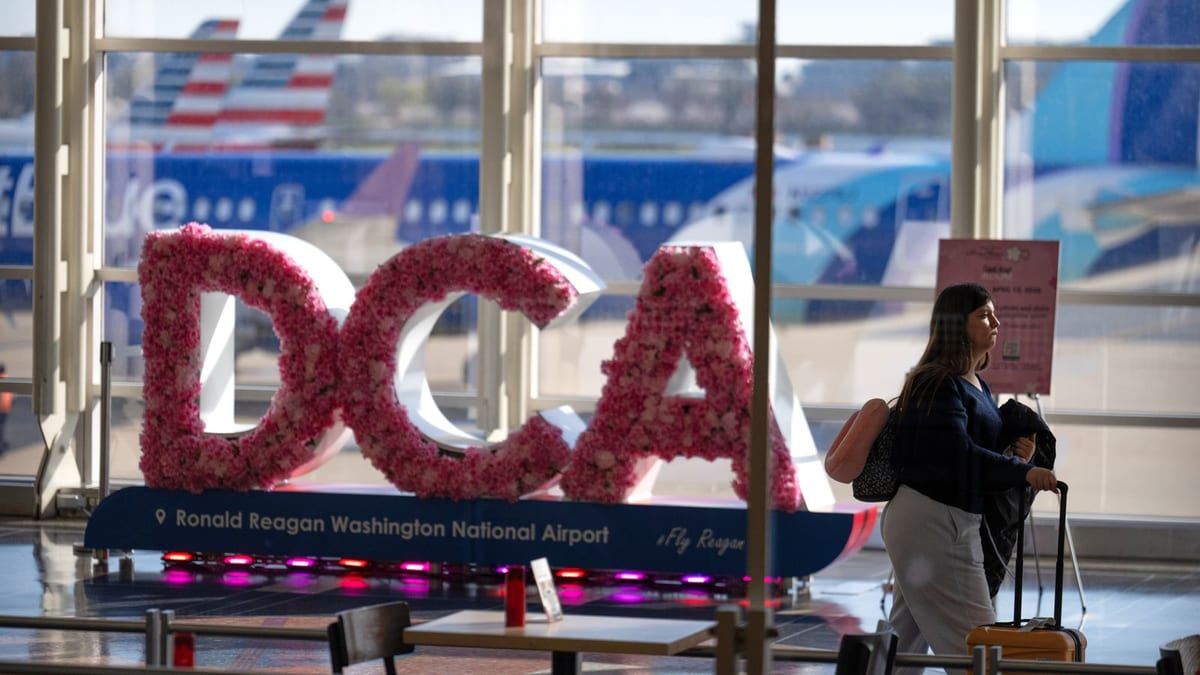
Image by wral.com
Ground Stops Ripple Across the Capital Region
Publicly available information indicates that air traffic heading to Ronald Reagan Washington National, Washington Dulles International and Baltimore-Washington International Thurgood Marshall was temporarily stopped while the event unfolded. Additional reports point to impacts at Richmond International Airport and Charlottesville-Albemarle Airport, widening the disruption beyond the Washington Beltway.
The Federal Aviation Administration’s online traffic management logs described a temporary halt to arrivals and departures as controllers were affected by the odor. Social media posts from Baltimore-Washington International and airline updates described ground stops being lifted later in the evening, though they warned travelers to expect lingering delays.
Tracking data compiled by aviation watchers showed departure queues building at the three primary Washington-area airports as flights already in the air diverted or entered holding patterns. Some passengers reported being rerouted to airports as far away as Pittsburgh and Norfolk while the situation was assessed.
New York City emergency management officials also flagged the disruption in public alerts, advising travelers heading south to the Washington area that significant delays and cancellations were possible through Friday night.
Potomac TRACON at the Center of the Disruption
According to published coverage, the incident traced back to the Potomac Consolidated TRACON, an off-airport terminal radar approach control facility located in Warrenton, Virginia. The center manages approaches and departures for the Washington, Baltimore and Richmond regions, making it a crucial link in the Mid-Atlantic air traffic system.
Potomac TRACON’s responsibilities include sequencing aircraft into Ronald Reagan Washington National, Washington Dulles International, Baltimore-Washington International and Richmond International, along with several smaller fields in Virginia and Maryland. When controllers there are unable to work, routine reroutes are limited and large portions of the surrounding airspace can be affected.
Public documentation from the FAA describes TRACON facilities as handling aircraft roughly within a 30 to 50 mile radius of major airports, guiding planes during climb and descent before handing them off to airport towers or high-altitude en route centers. A disruption at such a node typically has an immediate effect on nearby departure and arrival flows.
Initial coverage of Friday’s event described the issue as a “strong chemical smell” inside the facility, prompting an evacuation and requiring time for safety checks before controllers could return to their consoles. Once staffing and conditions stabilized, traffic programs were gradually relaxed and normal routing resumed.
Second Odor-Related Disruption in the Same Month
Travel industry observers noted that the latest halt follows a similar incident earlier in March, when a reported chemical odor at the same Potomac TRACON facility led to a ground stop across multiple Washington-area airports. In that earlier case, transportation officials later linked the smell to an overheated circuit component that was replaced.
Passengers posting on aviation forums and community sites have expressed frustration that two odor-related issues at the same facility have affected travel plans in quick succession. Some described multiple delays and missed connections over recent weeks as storms, routine congestion and the Potomac events combined to snarl East Coast itineraries.
While there is no public indication that the two disruptions are directly related, their proximity in time has prompted renewed scrutiny of the resilience of critical aviation infrastructure. Commenters with experience in air traffic control have pointed out that specialized facilities such as Potomac TRACON are difficult to back up at full capacity on short notice, especially during peak travel periods.
Policy analysts following the aviation sector have also noted that the events highlight broader concerns about aging facilities, environmental controls and electrical systems at key control centers around the United States, issues that have been raised in government audits and congressional hearings in recent years.
Impact on Travelers and Airlines
By late evening, the immediate ground stops at Washington-area airports had been lifted, but airlines were still working through stacks of delayed flights. Departure boards at Reagan National, Dulles and BWI showed knock-on delays that extended into the night, and some evening services were ultimately canceled as aircraft and crews fell out of position.
Travelers posting online described long waits on the tarmac, diversions to other cities and hours spent in terminal queues seeking rebooking options. Several said they had already been contending with weather-related changes earlier in the day, compounding the disruption from the air traffic center issue.
Carriers responded by extending rebooking waivers for affected routes in and out of the capital region, giving passengers more flexibility to shift their plans without additional fees. Customer updates emphasized that safety checks at the air traffic facility were the priority, even as airlines acknowledged the inconvenience to passengers.
Airport operators used social media channels and terminal announcements to urge travelers to monitor flight status closely and to arrive early for departures, noting that security lines and boarding processes could be uneven as delayed flights were re-slotted into the schedule.
Questions About Infrastructure and Contingency Planning
The recurrence of odor-related disruptions at a single approach control facility has renewed debate over how robust the nation’s air traffic control infrastructure is to localized problems. Aviation analysts point out that while the system is designed with multiple layers of redundancy, specialized regional hubs such as Potomac TRACON remain single points of vulnerability for dense airspace around major cities.
Past incidents at other control centers, including smoke, electrical failures and localized fires, have led to broad reviews of safety systems and contingency plans. Publicly available government reports have highlighted the need for upgraded ventilation, modernized wiring and clearer protocols for rapid relocation of controllers to backup sites where feasible.
Advocacy groups for passengers and aviation workers are likely to examine whether additional investments or procedural changes are warranted at facilities serving high-traffic regions. Issues under discussion include enhanced air quality monitoring, faster diagnostic tools when unusual odors are reported and improved communication channels so that travelers receive more timely and consistent information.
For now, flight operations across the Washington region have returned to typical early-spring patterns, with airlines and airports working to move displaced passengers to their destinations. How the latest episode at Potomac TRACON shapes future infrastructure spending and contingency planning will be a focus for industry watchers in the weeks ahead.