

More news on this day
A strong chemical smell at a key Federal Aviation Administration radar facility serving the U.S. capital region triggered evening ground stops at several major hubs, forcing hundreds of delays for United Airlines and American Airlines passengers across the East Coast network.
Get the latest news straight to your inbox!
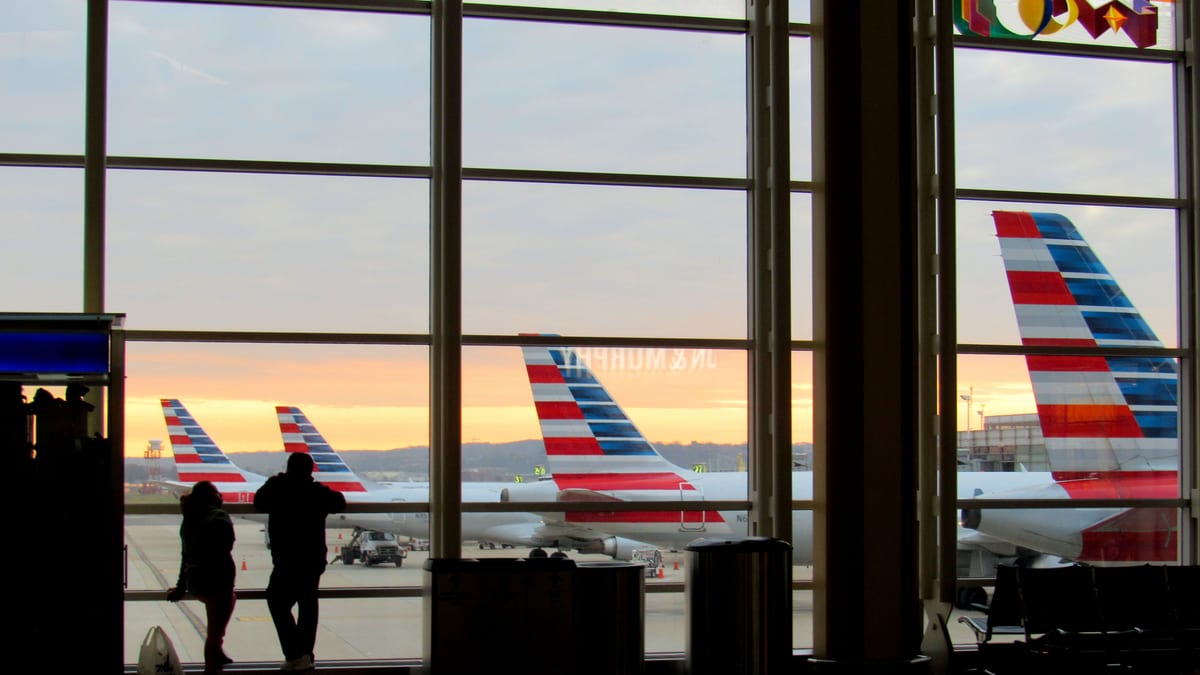
Image by TheTravel
Ground Stops Ripple Across Busy Washington Air Corridor
Publicly available FAA advisories and airport statements indicate that flights bound for Ronald Reagan Washington National, Washington Dulles International, Baltimore Washington International and Richmond International were temporarily halted after the odor was reported at the Potomac Terminal Radar Approach Control facility in Warrenton, Virginia. The center manages approach and departure traffic for the densely traveled mid Atlantic corridor, making any disruption immediately visible throughout airline schedules.
The ground stops were imposed in the evening peak, affecting aircraft already en route to the region as well as departures from other airports waiting on arrival slots and air traffic control spacing. According to published coverage and airline status boards, departures resumed after roughly an hour, but the backlog left aircraft and crews out of position well into the night.
While the FAA has not indicated any broader safety hazard beyond the odor itself, the episode highlighted how a localized technical or environmental issue at a single control facility can have outsize effects on airline operations. Radar facilities such as Potomac TRACON sit at the heart of modern route structures, especially for carriers that rely on connecting banks at major hubs.
United and American Networks Feel the Impact
The Washington region is a critical market for both United and American. Dulles operates as a key long haul and transatlantic gateway for United, while American maintains a significant focus city at Reagan National with a heavy schedule of business oriented shuttle and regional flights. When flights into the three Washington area airports and Richmond paused, knock on effects spread across both carriers’ systems.
Data from public flight tracking and airport dashboards showed dozens of United departures to and from Dulles facing delays, with some long haul services forced to hold or adjust routings as controllers spaced arrivals more conservatively once traffic resumed. Regional connections feeding United’s Dulles bank, including flights from Chicago, Newark and southern U.S. cities, also saw departure holds as crews waited for available arrival slots in the capital region.
American’s operation at Reagan National and its connecting traffic at other East Coast hubs experienced a similar pattern. Short haul business routes to cities such as Boston, New York and Charlotte are tightly timed around peak periods in Washington, and the sudden pause compressed those schedules. Publicly available information shows that some aircraft were held at origin airports, while others diverted or returned to gates after extended taxi delays.
For travelers connecting between United and American hubs, the disruption meant missed onward flights and overnight misconnects. With both airlines already navigating a busy spring travel period, rebooking options were more limited than they might be during quieter months.
Tracing the Source of the Strong Smell
According to news reports and FAA statements cited in national and local coverage, initial concerns centered on a strong chemical odor affecting personnel at the Potomac radar facility. Fire and hazmat teams were reportedly called to assess the situation, a standard precaution whenever fumes or potential contaminants are detected in an air traffic control environment.
Subsequent reporting indicated that the smell was ultimately traced to an equipment issue at the facility, with one earlier incident in the same month reportedly linked to an overheated circuit board. In that previous case, the component was replaced and operations resumed after responders determined there was no ongoing hazard. The latest disruption appears to have followed a similar pattern, with traffic resuming once the air was cleared and controllers were able to return to their workstations.
Events involving unusual odors, smoke or fumes are treated with particular caution in aviation settings. Guidance informed by FAA safety publications and flight safety analyses shows that even when no fire is present, strong or unexplained smells can signal overheating components or chemical releases that might worsen if not addressed promptly. That risk calculus tends to favor halting operations briefly rather than continuing amid uncertainty.
How a Localized Issue Becomes a Systemwide Problem
The Washington incident underscores how the hub and spoke model used by United, American and other major carriers can magnify the impact of a single bottleneck. When a central node like the nation’s capital suddenly loses arrival capacity, flights that were supposed to feed onward connections cannot be relied upon to arrive on time, breaking carefully constructed schedules.
Because many aircraft operate multiple flight segments in a day, a delay early in the sequence can cascade through the system. A United narrow body that arrived late into Dulles because of the ground stop might miss its departure window for a later transcontinental flight, while an American regional jet delayed into Reagan could cause knock on delays for subsequent short haul rotations. Crews subject to strict duty time limits can quickly time out, further complicating recovery.
Aviation analysts frequently note that recovery from such disruptions is constrained by the availability of spare aircraft and crews, particularly at peak times when most resources are already in use. That dynamic was visible across United and American operations after the ground stop lifted, as both carriers worked through a backlog of flights while trying to avoid additional cancellations that would further inconvenience passengers.
What Passengers Experienced and What Comes Next
Social media posts and traveler accounts shared with news outlets described long lines at customer service counters, crowded gate areas and confused passengers at airports well beyond the Washington region. Because the underlying cause was technical and tied to air traffic control rather than airline staffing or weather, many customers expressed frustration at the lack of clear timelines for resumption, a common challenge in such events.
Publicly available airline advisories urged passengers to check their flight status frequently and allow extra time at the airport. Some travelers reported being rebooked on next day departures from United and American hubs after missing late evening connections, particularly for longer haul flights where there might only be one frequency per day.
The episode adds to a growing list of air traffic control and infrastructure related disruptions that have affected U.S. air travelers in recent years, alongside weather related ground stops, radar outages and system failures. Industry observers point out that while the system generally remains safe, recurring episodes tied to aging equipment and constrained staffing highlight the importance of ongoing investment in both technology and backup facilities.
For now, operations at the Washington area airports and the Potomac radar facility appear to have returned to normal patterns, with residual delays gradually cleared from schedules. Travelers connecting through major United and American hubs in the region are likely to remember the evening when an unexplained strong smell at a radar building briefly silenced one of the busiest corridors in U.S. airspace.