

More news on this day
Massive disruption at Chicago’s airports has triggered a cascade of delays and cancellations across the United States and Canada, with publicly available data showing 148 flights canceled and 1,318 delayed by major carriers including American Airlines, United Airlines, Republic Airways, SkyWest, Envoy Air and others.
Get the latest news straight to your inbox!
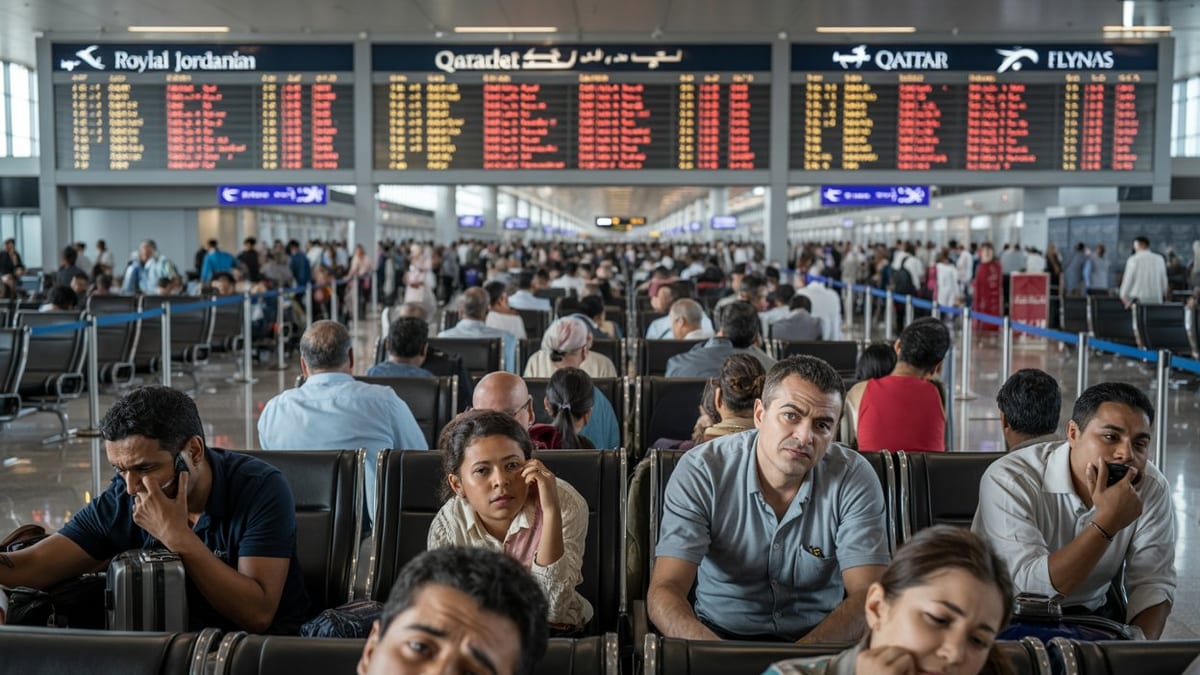
Chicago Bottleneck Snarls Major Airline Operations
Operational data from flight tracking services indicates that Chicago’s dual role as a crucial hub for both American Airlines and United Airlines turned a localized disruption into a system-wide problem on Tuesday. Regional partners Republic Airways, SkyWest and Envoy Air, which operate many of the feeder and connector services branded as American Eagle and United Express, were also heavily affected.
The numbers show at least 148 cancellations coupled with 1,318 delays tied to flights originating from, bound to, or connecting through Chicago. The majority involved operations at O’Hare International Airport, one of the world’s busiest hubs, with some knock-on issues reported at Chicago Midway as schedules became increasingly compressed.
Published aviation and transportation dashboards point to a mix of factors behind the disruption, including heavy traffic volume, weather in key corridors and air traffic flow management constraints. Once departure times from Chicago began to slip, subsequent rotations for aircraft and crew across the network were thrown off, increasing the number of delayed sectors as the day progressed.
Observers note that when large mainline carriers and their regional affiliates are all hit in the same city, recovery becomes significantly harder. Aircraft that would normally cycle rapidly through O’Hare and Midway instead spent extended time on the ground or waiting in queues, limiting available capacity for later flights.
Ripple Effects Hit New York, Toronto, Detroit and Atlanta
Because Chicago connects so many key domestic and transborder routes, the impact was felt quickly in other major markets. Flights between Chicago and New York area airports experienced rolling delays, with travelers reporting missed connections on onward services to Europe and the U.S. West Coast as departure banks out of O’Hare slipped behind schedule.
Toronto Pearson, a primary international gateway for Canada, also saw congestion as multiple Chicago services operated behind schedule. Delayed arrivals from Illinois compressed turn times for aircraft scheduled to operate on to other Canadian and U.S. destinations, tightening already busy evening departure waves.
Detroit and Atlanta, both important mid-continent hubs, reported secondary disruptions as connections from Chicago arrived late or not at all. In some instances, flights that normally function as key links between regional U.S. cities and major hubs were canceled outright, forcing passengers to rebook through alternate routings or wait for limited open seats later in the day.
The network effect was particularly sharp on shorter regional legs. When a single Chicago feeder service to a city like Detroit or Toronto is canceled, there may be few immediate alternatives, and delays can strand passengers far from their final destinations even if those destinations are technically still being served.
Regional Carriers Bear the Brunt of Schedule Chaos
The disruption highlighted the vulnerability of regional operations during large hub events. Republic Airways, SkyWest and Envoy Air operate many of the smaller jets and turboprops that feed passengers from secondary cities into major hubs such as Chicago for onward connections on American and United mainline flights.
When hub conditions deteriorate, these regional flights are often among the first to be rescheduled or canceled. Publicly available operational records from previous disruption events show that regional partners can experience a disproportionate share of cancellations relative to their total number of scheduled flights, as airlines prioritize protecting long-haul and high-demand trunk routes.
Travel industry analysts note that while the aircraft on these regional routes are smaller, the strategic role they play is large. A canceled regional leg can break an entire itinerary, since passengers booked through Chicago may lose connections not just to nearby cities but also to cross-country and international flights that operate less frequently.
The reliance of American and United on contract partners in Chicago means that any major schedule shock at O’Hare can quickly cascade across multiple corporate entities, even though passengers often perceive the disruption as coming from a single airline brand.
Passengers Face Long Lines, Missed Connections and Limited Options
As delays accumulated, travelers across the country reported long lines at check-in counters and customer service desks, particularly in Chicago and major spoke cities connected to the hub. With so many flights operating close to full, finding alternative seats on the same day became increasingly difficult, especially for multi-leg journeys involving Chicago as a central connection point.
According to publicly available guidance from consumer advocates and government transportation resources, passengers affected by cancellations or significant delays are generally advised to monitor their airline’s app closely, explore same-day rebooking options and, where feasible, consider alternate routings through other hubs. In large disruption events such as the one centered on Chicago, those who are proactive in seeking alternative itineraries often have more success securing scarce seats.
During similar disruption periods documented in recent months, travelers have frequently faced lengthy waits for rebooking, overnight stays near airports and the need to adjust ground transportation and accommodation plans at short notice. The Chicago-centered disruption has followed a familiar pattern, with some passengers managing to reroute through hubs such as Dallas, Denver or Minneapolis, while others have been forced to delay travel by a full day or more.
Analysts caution that even after the immediate wave of cancellations and delays subsides, residual effects can linger into the following day. Aircraft and crews may be out of position, leading to further schedule adjustments as airlines work to restore normal operations and alleviate passenger backlogs.
What Travelers Should Watch in the Coming Days
Travel specialists reviewing the Chicago disruption point out that late-March and early-April travel can be particularly sensitive to changing weather patterns across the Midwest and Northeast, adding another layer of uncertainty for passengers planning connections through O’Hare and Midway. Even minor storms or low-visibility periods can constrain airport capacity, especially when traffic levels are already high.
Publicly available performance data for major U.S. carriers indicates that American and United, along with their regional partners, routinely operate thousands of daily flights that depend on smooth flows through a handful of critical hubs. When one of those hubs experiences the kind of disruption now seen in Chicago, the effects often radiate quickly to cities such as New York, Toronto, Detroit and Atlanta.
Travelers booked through Chicago in the coming days are being encouraged by airline and airport advisories to build extra time into their itineraries and to keep a close eye on schedule changes. Same-day adjustments, such as moving to earlier departures or accepting alternate hubs, may improve the odds of reaching a destination on time when network conditions are strained.
While airlines are expected to gradually work through the backlog created by the 148 cancellations and 1,318 delays, the Chicago events underline how a single day of concentrated disruption at a major hub can reverberate across North American air travel, reshaping plans for thousands of passengers far beyond Illinois.