

More news on this day
Passengers traveling through Chicago Midway International Airport are facing fresh disruption as live tracking data shows around 88 delays and 16 cancellations, affecting a web of routes to major U.S., Canadian and Mexican cities.
Get the latest news straight to your inbox!
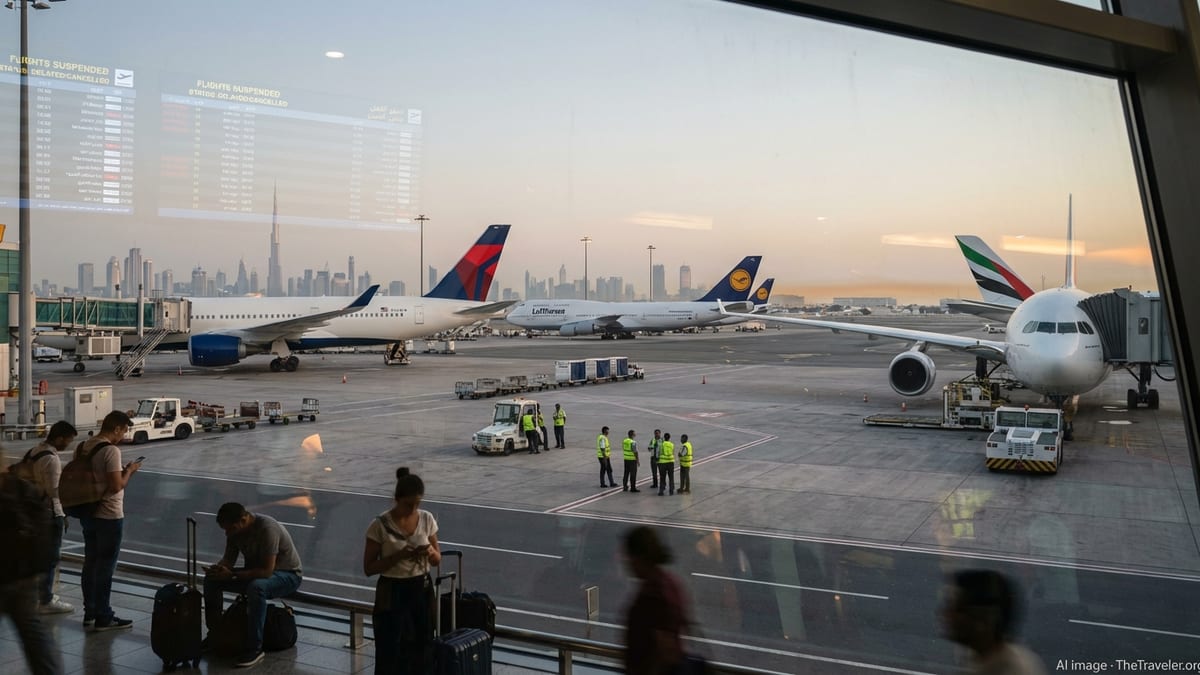
Stormy Weather and Congested Skies Hit Midway Operations
Publicly available weather and aviation information indicates that a spell of unsettled spring conditions over the Chicago area has been a key factor behind the latest schedule problems at Midway. Recent thunderstorms and heavy rain over northeastern Illinois have coincided with ground stops and arrival management programs at both of Chicago’s commercial airports, creating knock-on effects for departures and arrivals.
Flight status dashboards on Saturday show Midway dealing with elevated delay levels compared with a typical early April weekend, with many services departing later than scheduled and some evening flights still awaiting new departure times. Average delays are running from several dozen minutes to more than an hour on many routes, particularly those crossing already busy airspace in the Great Lakes and central United States.
While the number of outright cancellations at Midway remains significantly lower than at some larger hubs during major storms earlier this year, the combination of 88 delays and 16 scrubbed flights is enough to snarl passenger itineraries and trigger missed connections across the continent. Travel analysts note that even a relatively modest number of cancellations can quickly translate into hundreds of disrupted journeys when aircraft and crews fall out of position.
Key Routes Affected: New York, Dallas, Miami and Denver
Live tracking boards show Midway’s delays cascading across a set of high-demand U.S. routes linking Chicago with New York, Dallas, Miami and Denver. Many of these flights serve as feeders into larger hub networks, so a late departure from Chicago can ripple into late-night arrivals and next-day rotations elsewhere in the system.
Services between Midway and New York area airports are reporting extended taxi-out times and airborne holding as air traffic managers meter traffic into crowded Northeast corridors. Travelers heading to Dallas and Denver are seeing a mix of weather- and volume-related slowdowns, as storms in the central U.S. combine with busy hub schedules to reduce operational flexibility for airlines.
Southbound services from Midway to Miami are also feeling the strain. Earlier in the week, separate disruptions at Miami International produced high delay totals there, and the latest Midway issues are adding another layer of complexity for passengers using Chicago as a connecting point to South Florida. When schedules tighten in both directions, recovery options such as rebooking onto later flights or alternate hubs become more limited.
Cross-Border Disruption to Cancun and Toronto Links
Midway’s role as a gateway to popular leisure destinations means that the current disruption is being felt well beyond U.S. borders. Flights between Chicago Midway and Mexican resort cities such as Cancun are facing rolling delays as aircraft arrive late from earlier segments or must wait for improved departure slots during busier weather windows.
Northbound links to Canada, particularly services connecting Chicago with Toronto, are also experiencing schedule pressure. Even when weather conditions improve locally, residual congestion at Midway and at destination airports can push back departure times, complicating evening arrivals that are already close to airport curfews or overnight maintenance windows.
For leisure travelers, these interruptions can translate into shortened vacations or missed hotel check-ins, while business travelers connecting through Toronto or Cancun to other Canadian or Caribbean destinations may need to adjust onward itineraries at short notice. Travel advisers consistently recommend building extra time into same-day connections involving Chicago, particularly during seasons prone to storms and strong frontal systems.
Southwest, Delta and Volaris Among Carriers Impacted
According to aggregated flight-tracking data, the disruption is spread across several major and niche carriers operating out of Chicago Midway, including Southwest Airlines, Delta Air Lines and Mexican low-cost carrier Volaris. Southwest, which runs a dense network from Midway across the United States and into parts of Mexico, appears among the most visible players in the current wave of delays simply because of the volume of daily departures it operates from the airport.
Delta’s schedules, which link Midway to its larger hubs in cities such as Atlanta and New York, are also contending with the same weather-related congestion and air traffic management constraints that have slowed other airlines. When a hub-and-spoke carrier experiences a disruption at one node, aircraft rotations and crew duty limits can force further schedule adjustments as the day progresses.
For Volaris, which connects Midway with Mexican markets including Cancun and other sun destinations, the knock-on effects may be particularly acute for passengers relying on late-evening departures and overnight arrivals. With fewer daily frequencies on many of these routes compared with domestic U.S. services, a single cancellation or multi-hour delay can leave travelers with limited same-day alternatives and a higher likelihood of overnight stays.
Aviation observers note that the latest Midway disruptions come against a broader backdrop of heightened operational strain for airlines in early 2026, with multiple weather events, tight staffing in some sectors and busy leisure demand all contributing to elevated delay statistics across North America.
What Travelers Through Midway Can Expect Next
As airlines work to stabilize operations at Midway, passengers booked on flights to New York, Dallas, Miami, Denver, Cancun and Toronto are being encouraged by publicly available guidance to monitor their flight status frequently and to anticipate longer-than-usual lines at security and boarding gates. Same-day schedule changes and rolling departure estimates are common during periods of uneven weather and heavy traffic.
Industry commentators highlight that when delays and cancellations are driven primarily by weather or air traffic control programs, rebooking options may be more constrained compared with disruptions within an airline’s direct control. Even so, many carriers have introduced more flexible change policies since the pandemic, allowing travelers to switch flights or adjust dates with reduced or waived fees during clearly defined disruption events.
Travel planning advice circulating in consumer coverage suggests that customers departing from Midway over the coming days allow additional time for check-in and security, travel with carry-on baggage where practical to simplify rebooking, and keep a close watch on both airline apps and airport information displays. With Chicago’s spring weather pattern still in flux and wider North American airspace running close to capacity on peak days, Midway’s latest tally of 88 delays and 16 cancellations may not be the last test of traveler patience this season.