

More news on this day
Hundreds of passengers traveling through Chicago O’Hare International Airport experienced significant disruption as publicly available tracking data showed about 335 flight delays and 13 cancellations affecting United Airlines and its regional partners, including Republic Airways and SkyWest, on key routes to New York City, Winston-Salem, Hailey and other destinations.
Get the latest news straight to your inbox!
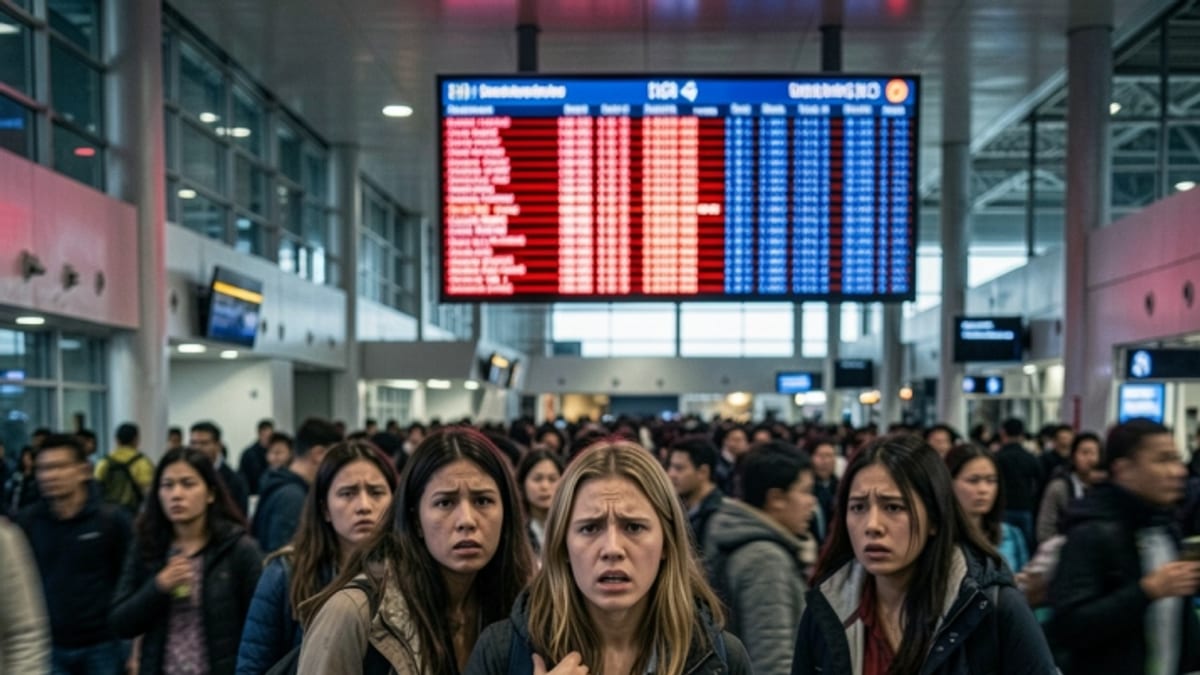
Image by Travel And Tour World
Ripple Effects Across United and Regional Partners
Tracking services for March 29 indicated that operations at Chicago O’Hare were under strain, with the majority of the 335 delays tied to United Airlines’ mainline schedule and flights operated by regional partners Republic Airways and SkyWest. These carriers operate a large share of United-branded connections through O’Hare, which magnified the impact for travelers on shorter-haul routes across the Midwest and East Coast.
The 13 cancellations recorded for the day represented a relatively small share of the overall schedule but still forced passengers into longer rerouting and rebooking windows. Many of those cancellations affected regional jets that feed United’s network, creating bottlenecks for travelers trying to connect through Chicago to onward destinations.
Publicly available flight boards showed disruption concentrated during peak morning and early afternoon bank times, when O’Hare typically handles dense waves of departures and arrivals. As delays mounted, aircraft and crew availability became increasingly constrained, adding secondary delays even on flights not initially affected by the triggering issues.
While United-branded services were most visible in the disruption, other carriers operating from O’Hare also reported scattered delays, underscoring the hub’s role as a critical node in the national air network and its sensitivity to any operational slowdown.
Key Routes Hit: New York, Winston-Salem, Hailey and Beyond
Routes between Chicago and the New York City area were among the most affected, according to route-level tracking summaries. Congestion at O’Hare, combined with air traffic management programs in the busy Northeast corridor, left flights to and from major New York airports facing rolling delays that rippled throughout the day.
Regional links to smaller markets also saw disruption. Services between O’Hare and airports serving Winston-Salem, North Carolina, as well as Hailey, Idaho, were among the routes impacted. These flights are typically operated by Republic Airways and SkyWest under the United Express banner, meaning schedule changes at the hub can quickly translate into limited alternatives at the destination end.
For travelers in these smaller markets, a single cancellation or multi-hour delay can have outsized consequences, since there may be only a handful of daily departures. Missed connections in Chicago often result in overnight stays or long surface journeys to alternate airports with available seats.
Reports from flight status boards suggested knock-on effects for other connecting points as well, with disruptions spreading to secondary destinations as aircraft rotated through the network on revised schedules.
Weather, Congestion and Operational Complexity at a Major Hub
Although immediate causes for individual delays varied from flight to flight, Chicago O’Hare’s long-standing challenges with congestion and weather sensitivity remained evident. Historical data compiled by federal transportation analysts frequently places O’Hare among the large U.S. airports with the highest share of delayed operations, reflecting its combination of heavy traffic and variable Midwestern conditions.
Early spring patterns, ranging from low ceilings and rain to shifting winds over Lake Michigan, often trigger air traffic control programs that slow arrivals and departures. When these restrictions coincide with already full schedules at a hub of O’Hare’s size, minor timetable adjustments can quickly cascade into broader disruption.
Operational complexity is further amplified by the mix of mainline and regional flying. United’s reliance on partners such as Republic Airways and SkyWest for thinner routes means that a delay affecting a single inbound regional jet may disrupt an entire day’s pattern of short-haul connections if a spare aircraft or crew is not immediately available.
Industry observers note that extensive construction and modernization projects at O’Hare in recent years have also affected gate availability and taxi times at various points, adding another layer of potential friction when the system is already stressed.
Impact on Travelers and Guidance for Those in Transit
Passengers traveling through O’Hare on March 29 encountered a familiar set of disruption-related challenges: extended waits on the ground, rebooked connections, and, in some cases, unexpected overnight stays. Travelers bound for New York City, Winston-Salem, Hailey and other cities affected by the delays and cancellations frequently faced limited same-day alternatives due to high load factors at the close of the spring break period.
Publicly available guidance from airlines and travel media continues to emphasize the importance of monitoring flight status through official airline channels and apps, particularly on days when major hubs such as Chicago are under operational strain. Same-day text and email alerts have become a primary tool for notifying passengers of gate changes, rolling delays and equipment swaps.
Travel analysts often recommend that passengers with tight connections at O’Hare build in additional buffer time, especially during seasons prone to thunderstorms or low-visibility events. Booking earlier departures, opting for longer connection windows and avoiding the heaviest bank times can reduce the risk of misconnecting when irregular operations emerge.
For those already caught up in disruption, standard advice includes checking rebooking options through airline apps before joining customer service lines at the airport, exploring nearby alternate airports when feasible, and keeping documentation of delays for potential use in travel insurance claims or airline goodwill accommodations where applicable.
What Today’s Disruptions Signal for Spring Travel
The wave of 335 delays and 13 cancellations at Chicago O’Hare serves as a reminder of how quickly conditions can deteriorate across a large hub as the busy spring and summer travel seasons approach. With airlines operating near pre-pandemic capacity levels and many fleets tightly scheduled, even modest weather or traffic constraints can translate into widespread timetable shifts.
Industry coverage in recent months has highlighted persistent staffing pressures in parts of the air traffic control system and ongoing operational adjustments by carriers as they seek to balance robust demand with reliability. Events like the latest O’Hare disruptions underscore the tight margins within which airlines and airports are currently operating.
For United Airlines and its partners Republic Airways and SkyWest, the situation illustrates the operational risk inherent in sprawling hub-and-spoke networks centered on a weather-sensitive airport. Any prolonged constraint at O’Hare can rapidly affect customers far beyond Chicago, including those in smaller markets with few alternative options.
As the spring travel period continues, travelers connecting through major hubs such as Chicago may face further episodes of disruption. Planning ahead, building flexibility into itineraries and staying closely attuned to real-time status updates remain key strategies for navigating an increasingly crowded and interruption-prone U.S. air travel system.