

More news on this day
Hundreds of passengers were left waiting at Chicago O’Hare International Airport on April 9, as publicly available flight-status data showed 222 delays and 13 cancellations affecting major carriers including American Airlines, United Airlines, Frontier Airlines, Lufthansa and others on routes to cities such as Munich, Bangor and Dallas.
Get the latest news straight to your inbox!
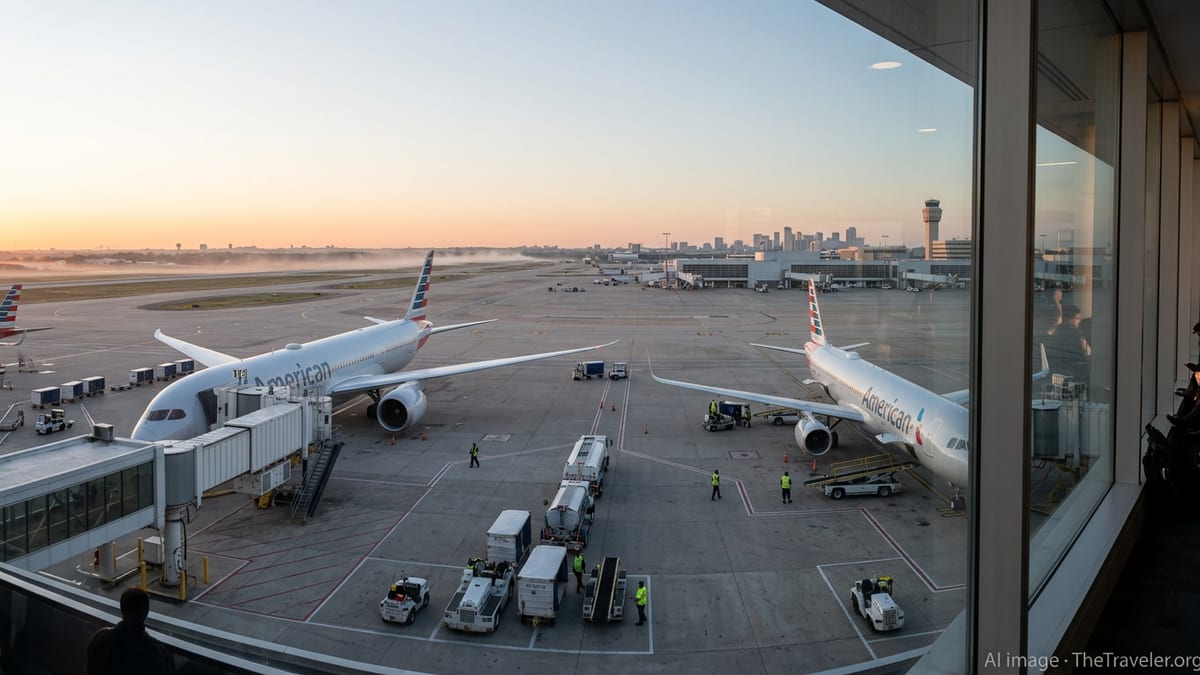
Widespread Disruption Across Domestic and International Networks
Flight-tracking platforms on April 9 indicated that operations at O’Hare were under significant strain, with more than two hundred departures and arrivals running behind schedule and a cluster of services scrubbed from the board. The disruption affected a mix of short regional hops and long haul international links, leaving travelers facing missed connections and extended waits throughout the terminals.
American Airlines and United Airlines, the two dominant operators at O’Hare, accounted for a substantial share of the delays, particularly on heavily used domestic corridors to Dallas and other hub cities. Frontier Airlines and several smaller carriers also registered late-running services, compounding congestion at gates and security checkpoints.
Lufthansa and other transatlantic operators reported knock-on delays on their Chicago services to Munich and additional European gateways. When long haul departures slip behind schedule, aircraft and crew are often displaced for many hours, creating further timetable pressure at overseas hubs and on the return legs back to the United States.
The disruption at O’Hare formed part of a broader pattern of early spring travel turbulence across the United States, with published coverage in recent days highlighting elevated delay and cancellation totals at major hubs from New York and Orlando to Los Angeles.
Key Routes Impacted, From Bangor to Munich and Dallas
Publicly available scheduling data shows that O’Hare sits at the center of an intricate web of domestic and international services, linking regional destinations such as Bangor with large southern hubs including Dallas and long haul points like Munich. On April 9, that network effect amplified the impact of each delay or cancellation, as passengers missed onward flights and aircraft fell out of position for later rotations.
Delays on morning departures to Dallas and other key domestic hubs reduced the buffer built into airline schedules, contributing to a cascade of late arrivals back into Chicago later in the day. For travelers starting their trips at O’Hare, the result was a higher risk of missed connections to smaller markets that may be served only once or twice daily.
On the international side, disruptions on services to Munich and other European cities created particular headaches for passengers relying on those flights to access further connections across the continent and beyond. When a transatlantic departure is delayed or canceled, rebooking options can be limited, especially during busy travel periods when alternate flights are already heavily booked.
Regional links, including services connecting Chicago with smaller airports in the Upper Midwest and New England, also felt the strain. Even short sectors can become critical when they feed into the long haul network, and any schedule slippage in this part of the system can reverberate for many hours.
Operational and Weather Pressures Behind the Numbers
While O’Hare was reporting normal runway conditions for portions of April 9, the disruption followed several days of heightened operational stress across the US network attributed to a mix of spring weather systems, air traffic management constraints and tight airline staffing. Travel industry analysis in recent weeks has pointed to a fragile equilibrium in which even modest thunderstorms or ground stops at a major hub can quickly ripple through national schedules.
Chicago in particular is vulnerable to fast-changing weather and airspace conditions, and the city’s role as a central connecting point for multiple carriers can magnify the effect of any slowdown. When flights are held on the ground or routed around storms, aircraft and crews may struggle to get back into position, increasing the likelihood of subsequent delays or cancellations.
Ongoing efforts by airlines to rebuild capacity after previous seasons of disruption have also left some carriers operating with relatively tight margins for recovery. If a crew reaches duty-time limits or an aircraft requires unplanned maintenance while the schedule is already under stress, an individual flight may be removed from operation entirely, contributing to the cancellation count.
Published data and recent case studies suggest that these dynamics are not unique to Chicago. Similar patterns have been reported at other large US airports this spring, indicating that the national aviation system remains sensitive to surges in demand and localized operational issues.
Stranded Passengers Face Long Lines, Rebooking Challenges
For passengers on the ground at O’Hare, the numbers translated into long lines at customer service counters and busy gate areas as travelers sought alternative routings. With multiple airlines experiencing operational challenges simultaneously, same-day rebooking options in some markets appeared limited, particularly on popular routes and peak-time departures.
Travelers on canceled flights to cities such as Bangor, Dallas and Munich were often dependent on a small number of daily services, increasing the likelihood of overnight stays or significant schedule changes. Those who arrived late into Chicago from other origins faced the additional complication of misconnected bags and the need to adjust hotel and ground transport plans.
Consumer advocates regularly advise passengers in such situations to monitor airline apps and flight-tracking tools closely, as seats on alternative departures can be snapped up quickly once disruption sets in. At a hub the size of O’Hare, a single bank of delayed flights can translate into hundreds of travelers simultaneously seeking new itineraries.
The experience at Chicago on April 9 reinforced the importance of building flexibility into travel plans, especially during seasons when weather and demand can interact in unpredictable ways. Same-day adjustments, including voluntary earlier departures or routing changes, may help some travelers avoid the worst of a disruption when indicators show mounting delays.
What Travelers Can Expect in the Coming Days
Based on recent patterns of spring travel disruption across the United States, aviation analysts anticipate that O’Hare and other major hubs could continue to see elevated delay and cancellation levels when weather, air traffic or staffing pressures coincide with peak demand. The current episode underscores that even a single day of irregular operations can have lingering effects as airlines work aircraft and crews back into optimal positions.
Passengers with upcoming itineraries through Chicago are being encouraged by publicly available advisories and industry guidance to check their flight status frequently in the 24 hours before departure and again before leaving for the airport. Same-day schedule changes, including aircraft swaps and gate moves, remain common during periods of heightened operational stress.
Some airlines periodically issue travel waivers during disruptive events, allowing customers more flexibility to change dates or routings without standard fees. These waivers are typically limited in scope and time, and passengers are generally advised to review the conditions carefully to understand eligibility before making adjustments.
For now, the day’s total of 222 delays and 13 cancellations at Chicago O’Hare stands as another reminder of how quickly operations at a major hub can be thrown off balance, impacting journeys not just across the United States but along key transatlantic corridors as well.