

More news on this day
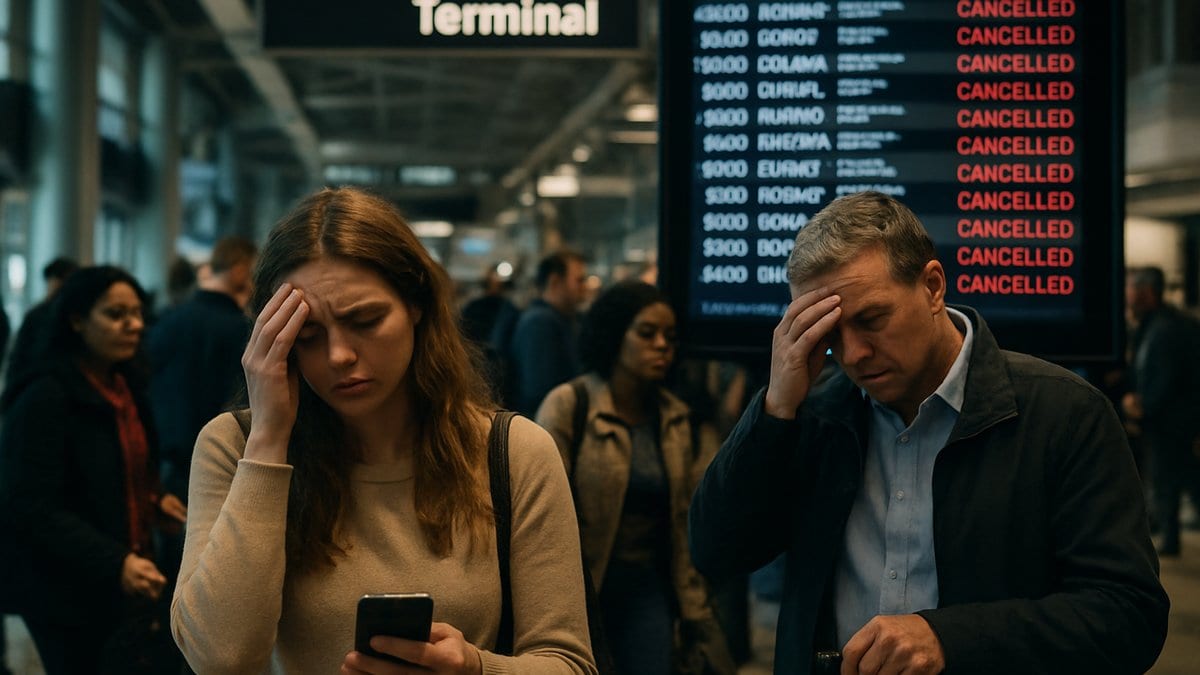
Chicago O’Hare International Airport experienced severe disruption over the weekend, with 447 flights delayed and 11 canceled, creating cascading headaches for travelers on some of the world’s busiest routes.
Get the latest news straight to your inbox!
Major Hub Turmoil Ripples Across Global Network
Reports from aviation tracking platforms and industry coverage show that the disruption at O’Hare quickly grew from a local scheduling problem into a networkwide ordeal. As delays stacked up at the Illinois hub, knock-on effects were felt on services linking Chicago with New York, Los Angeles, London, Paris and Toronto, among other destinations.
The latest figures indicate that operations for United Airlines, American Airlines and Delta Air Lines were all affected, alongside several smaller carriers that rely on O’Hare as a key interchange point. With O’Hare serving as a critical connector between domestic and transatlantic markets, even a relatively small number of cancellations can strand passengers far from their final destinations.
Publicly available flight data show that the 447 delayed operations ranged from short regional hops to long haul departures, disrupting day trips, family holidays and business itineraries alike. The 11 cancellations intensified the strain as passengers scrambled to secure scarce seats on later departures, often facing multi hour or overnight waits.
New York and Los Angeles Routes Hit Hard
High frequency corridors to New York and Los Angeles were among the hardest hit, according to real time tracking tools and travel industry reporting. These routes form the backbone of many airlines’ domestic networks, acting as feeders for onward connections throughout the United States and beyond.
At New York area airports, including John F. Kennedy and LaGuardia, inbound and outbound flights tied to O’Hare encountered rolling delays as late arriving aircraft and crews struggled to return to schedule. Passengers arriving from Chicago frequently missed onward connections, forcing mass rebookings that rippled through evening and overnight operations.
On the West Coast, Los Angeles International Airport also saw disrupted timetables on services linked to Chicago. Travel reports describe crowded gate areas and extended queues at customer service counters as travelers tried to reconfigure plans that depended on the busy O’Hare to Los Angeles corridor.
Transatlantic Services to London and Paris Disrupted
The chaos was not confined to North America. Publicly available information indicates that long haul flights between Chicago and key European hubs, particularly London and Paris, experienced schedule changes, lengthening journeys for passengers connecting onward into Europe, Africa and the Middle East.
Because many transatlantic flights depart in concentrated evening waves, disruptions at O’Hare earlier in the day can have outsized consequences. Aircraft and crew arriving late from domestic legs may miss tightly planned turnaround windows, forcing airlines to adjust departure times or consolidate services. For travelers, even a modest delay on a Chicago departure can translate into missed onward flights from London Heathrow or Paris Charles de Gaulle.
Industry coverage notes that once long haul rotations are affected, recovery can take several days as airlines reposition aircraft and staff across continents. This means some passengers with Chicago originated itineraries to Europe may face residual disruptions even after O’Hare’s operations begin to stabilize.
Canada Connections and Toronto Travelers Caught in the Snarl
Toronto, one of the most heavily used international gateways for Chicago based travelers, also felt the impact of the O’Hare disruption. Flight tracking data and travel media reports highlight delayed and rescheduled services between the two cities, complicating connections for passengers heading into or out of Canada.
With many Chicago Toronto passengers relying on same day links to other Canadian cities or onward long haul routes, delays of even one or two hours can cause missed connections and unplanned overnight stays. For travelers originating in Toronto and connecting through O’Hare to destinations such as New York, Los Angeles or Paris, the cascading effect of schedule changes proved especially challenging.
Travel industry analyses frequently describe this kind of disruption pattern as a textbook example of hub vulnerability, where a single major airport’s problems reverberate across an entire regional network. The situation at O’Hare underscores how tightly interwoven North American and transatlantic schedules have become.
What Travelers Are Being Advised to Do Next
Consumer advocacy groups and travel analysts are advising affected passengers to monitor airline apps closely, keep boarding passes and receipts, and document delay times in case compensation or reimbursements become available under carrier specific policies or applicable regulations. While rules differ by country and airline, records of delays and out of pocket expenses are often essential when seeking assistance.
Experienced travelers recommend building extra time into future itineraries that require critical connections through busy hubs such as Chicago, New York or London, particularly during peak seasons or periods of unsettled weather. Choosing earlier departures in the day, where possible, can also reduce exposure to rolling delays that accumulate as disruptions spread through the schedule.
Published guidance from travel experts suggests that passengers already en route should proactively explore alternative routings via other hubs if their original connections through O’Hare appear at risk. Same day changes may be easier to secure early, before a wave of disrupted travelers competes for limited open seats.
As airlines work to restore normal operations after the latest Chicago disruption, the scenes at O’Hare highlight the fragility of tightly packed global flight networks and the importance for travelers of staying flexible, informed and prepared for sudden changes.