

More news on this day
Polar expedition specialist Chimu Adventures has unveiled one of the most unusual Antarctica itineraries on the market for the 2026–27 season, announcing “Frozen Chapters: A Literary Retreat to Antarctica,” a 13 day voyage that combines classic expedition cruising with an intensive creative writing program.
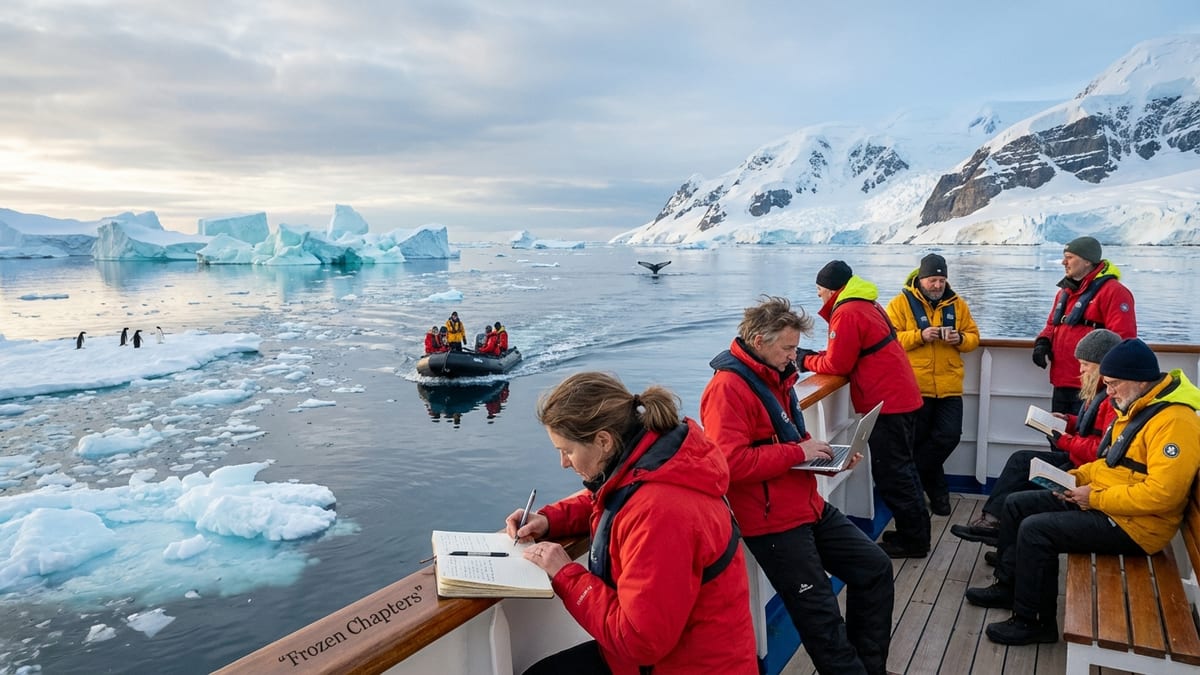
Departing on 25 November 2026 aboard the 80 passenger Ocean Nova, the journey will trace the ice fringed coasts of the Antarctic Peninsula and the South Shetland Islands while three Australian authors lead workshops, readings and discussions designed to help guests turn the White Continent’s stark beauty into prose on the page.
More News
- Caribbean Travel to U.S. Upended by New Visa Freezes and Expanded Bans
- Mexico Restores E-Visas for Brazilians, Paving the Way for Borderless Tourism
- Philippine Airlines Joins Regional Carriers Powering Southeast Asia’s Tourism Boom
A New Chapter for Themed Antarctic Cruising
The launch of Frozen Chapters signals how far Antarctica cruising has evolved from its roots as a primarily scientific and adventure driven pursuit. Chimu Adventures is positioning the sailing as a creative retreat at the end of the world, aimed at travelers who want to develop their writing skills without sacrificing bucket list wildlife encounters and dramatic polar scenery. The company describes the voyage as “a literary retreat to Antarctica,” underscoring that the program is built around both story craft and the sensory immersion of an expedition voyage.
Running from Ushuaia at the southern tip of Argentina, the itinerary follows a familiar route through the Drake Passage to the Antarctic Peninsula, one of the most wildlife rich and accessible corners of the continent. What distinguishes this departure is the daily schedule. Alongside Zodiac cruises and shore landings, passengers can expect structured writing time, author led seminars and panel conversations that probe how extreme environments shape narrative. The aim is to give guests a framework for interpreting what they see and feel in real time, and to leave the voyage not only with photographs, but with pages of draft material.
Chimu has built a reputation on themed departures that draw on niche interests such as music, women’s exploration or wildlife conservation. Frozen Chapters extends that strategy into the literary world, tapping into a growing audience of readers and aspiring writers seeking experiences that bridge creative practice and adventure travel. For the operator, the retreat also serves as a showcase for its small ship expedition style, highlighting how an intimate vessel can double as both base camp and floating classroom.
Authors at Sea: The Literary Line Up
Central to the concept is the presence of three Australian writers: Jane Caro AM, Jock Serong and Hilde Hinton. Across the 13 days they will host workshops, one on one mentoring and “Writers on Writing” panel discussions, giving guests access to a breadth of perspectives on craft. Caro, a prominent author and social commentator, brings experience across fiction and non fiction, while Serong is known for novels that often explore coastal and maritime themes. Hinton’s work in contemporary fiction adds another dimension, grounding the program in character driven storytelling.
Participants will also take part in a book club focused on “The Art of Breaking Ice” by Australian poet and author Rachael Mead, selected to mirror the voyage’s polar setting and introspective tone. Reading and discussing the book as the ship navigates past tabular icebergs and calving glaciers is intended to reinforce the connection between environment and text. The discussions are scheduled to thread through the itinerary, offering recurring touchpoints where guests can reflect on how their own responses to Antarctica compare with those on the page.
Chimu says the authors will tailor content to suit a range of experience levels, from complete beginners to writers with existing projects. Sessions are expected to cover topics such as writing place and landscape, structuring personal narrative, handling dialogue in travel related work and sustaining a practice once the voyage is over. Evening salons and informal conversations in the lounge will give guests additional chances to seek feedback, discuss the day’s landings and workshop early drafts in a relaxed setting.
Itinerary Highlights: From Drake Passage to Ice Fields
Frozen Chapters follows a 13 day route that balances extended time in the Antarctic Peninsula with opportunities to explore the South Shetland Islands, one of the traditional gateways to the continent. After sailing from Ushuaia and spending two days crossing the Drake Passage, guests can expect a flexible schedule of Zodiac excursions and landings shaped by weather and sea ice conditions, a standard practice in expedition cruising.
Typical landing sites in this region reveal colonies of Adélie and gentoo penguins, as well as Weddell and leopard seals hauled out on ice floes. Humpback and minke whales are often spotted feeding in the nutrient rich waters of the surrounding channels. For many travelers, these encounters form the emotional core of an Antarctic journey. On this departure, they also double as raw material for creative work, with guests encouraged to transform journal notes, sketches and sensory impressions into essays, poems or short stories once back on board.
Chimu highlights daily Zodiac cruises as a key part of the experience, allowing passengers to approach icebergs, glaciers and towering cliffs at close range. The South Shetland Islands, usually visited at the beginning or end of the peninsula segment, offer a blend of dramatic volcanic landscapes and historic sites. Throughout, the expedition team and authors will collaborate to connect what guests are seeing with broader themes, from the history of polar exploration to the ethics of storytelling in fragile environments.
Life Onboard Ocean Nova: Small Ship, Big Ideas
The voyage will take place on the Ocean Nova, a 73 meter, ice strengthened vessel that carries around 80 passengers in a compact, expedition focused layout. Smaller than many mainstream cruise ships, Ocean Nova is designed to maximize time off the vessel, with eight Zodiacs available for landings and excursions. Its shallow draught and ice class rating allow it to maneuver through narrow channels and ice strewn bays that are typical of Antarctic Peninsula itineraries.
On board, public areas such as the lounge, dining room and lecture space will serve double duty as classrooms and writing studios. Between landings, guests can expect a mix of traditional expedition briefings and author sessions, with quiet corners available for independent work. Cabins are simple but comfortable, reflecting the ship’s expedition heritage rather than mainstream luxury, a trade off many travelers accept in exchange for closer access to remote landing sites.
The cruise speed of around 11 knots keeps the journey efficient without undermining stability in the often rough Drake Passage. Chimu emphasizes that the scale of the ship supports its creative mission: with fewer passengers, it is easier to maintain an intimate atmosphere for workshops, encourage participation in discussions and ensure that everyone who wants personal feedback from the authors can receive it during the 13 day sailing.
Workshops, Book Clubs and Citizen Science
Frozen Chapters is structured so that creative programming and classic expedition activities reinforce rather than compete with each other. Morning landings typically allow guests to explore bays and beaches, watch wildlife and visit points of geological or historical interest. Afternoon sessions then draw on those experiences, with writing prompts that might ask participants to capture the soundscape of a calving glacier, the rhythm of a Zodiac ride or the ethical questions raised by tourism in a rapidly changing climate.
Beyond formal workshops and the book club, the voyage will feature “Writers on Writing” panels where the three authors discuss their own careers, creative challenges and approaches to revision. Guests will be encouraged to keep daily journals, and there may be opportunities for informal readings near the end of the trip, giving willing participants a chance to share work shaped by their time in the ice.
In parallel, travelers can take part in citizen science initiatives that contribute to ongoing research in the region. Chimu notes that programs such as NASA’s GLOBE Observer and onboard seabird surveys will be available, enabling passengers to collect data on cloud cover, sea ice and wildlife sightings. These activities provide additional narrative threads for writers interested in science communication or environmental storytelling, and underline the operator’s commitment to responsible polar tourism.
Adventure Add Ons and Sustainability Focus
While the literary program is central, Frozen Chapters also retains the suite of optional adventure experiences that many travelers now associate with small ship Antarctic cruising. Guests will have the chance, subject to conditions and availability, to camp overnight on the ice, take part in guided snowshoeing, join paddling excursions in sheltered bays and attempt the legendary “polar plunge” into freezing waters. These activities incur additional cost and are weather dependent, but they offer powerful moments that can be mined for both personal growth and written reflection.
Chimu frames the voyage within its broader sustainability commitments in Antarctica, where all operators work under strict environmental protocols. The company aligns with guidelines from the International Association of Antarctica Tour Operators, which cover everything from wildlife approach distances and biosecurity measures to group sizes at landing sites. On Frozen Chapters, expedition staff will brief guests on these rules and how to translate respect for the environment into both behavior and storytelling choices.
The pricing for the literary retreat begins at 13,848 Australian dollars for a quad share cabin on the 25 November 2026 departure, positioning it near the premium end of classic peninsula voyages but reflecting the inclusion of the author led program. For travelers weighing the cost, Chimu is marketing the retreat as an all encompassing experience that incorporates professional development, polar exploration and meaningful engagement with climate and conservation themes.
Antarctica’s Growing Appeal as a Creative Retreat
The unveiling of Frozen Chapters comes as operators across the cruise industry experiment with ever more specialized itineraries. Themed cruises devoted to music, wellness, food and history have become commonplace in warmer waters. Antarctica, once seen almost exclusively as the domain of scientists, hardcore adventurers and wildlife enthusiasts, is now emerging as a stage for more introspective pursuits such as photography masterclasses and, increasingly, writing retreats.
In marketing material surrounding the new itinerary, Chimu pitches Antarctica as a setting that strips away distraction and routine, creating conditions in which creativity can flourish. The contrast between the ship’s warm interior and the stark, minimal world outside the windows can sharpen focus. Long, light filled days in the austral summer and the absence of everyday digital noise may also appeal to writers seeking sustained time for reflection.
Industry analysts note that voyages like Frozen Chapters appeal to a demographic that values learning and personal enrichment on holiday. For the destinations themselves, this trend may support a model of high value, low impact tourism, in which travelers stay engaged with the place’s stories long after they disembark. In the case of Antarctica, where questions of climate change, geopolitics and environmental ethics loom large, literary engagement could help carry polar narratives to new audiences.
FAQ
Q1. What is Frozen Chapters: A Literary Retreat to Antarctica?
Frozen Chapters is a 13 day Antarctica voyage operated by Chimu Adventures that combines a traditional expedition cruise with an intensive writing retreat, featuring author led workshops, a book club and panel discussions alongside wildlife viewing and shore landings.
Q2. When does the Frozen Chapters voyage depart and on which ship?
The inaugural Frozen Chapters departure is scheduled for 25 November 2026, sailing from Ushuaia, Argentina, aboard the small expedition vessel Ocean Nova, which carries around 80 passengers.
Q3. Who are the authors leading the writing program?
The retreat will be hosted by three Australian writers: Jane Caro AM, Jock Serong and Hilde Hinton. They will run workshops, participate in Writers on Writing panels and offer guidance to guests throughout the voyage.
Q4. Do I need to be an experienced writer to join the retreat?
No. The program is designed for a range of abilities, from first time writers to those working on existing manuscripts. Sessions will focus on core skills such as capturing place, building narrative and sustaining a writing habit after the trip.
Q5. What regions of Antarctica will the itinerary visit?
The voyage is planned to explore the Antarctic Peninsula and the South Shetland Islands, with a flexible schedule of Zodiac cruises and shore landings shaped by ice and weather conditions, in line with standard expedition practice.
Q6. What wildlife might participants see during the trip?
Guests may encounter Adélie and gentoo penguins, Weddell and leopard seals, and whales such as humpbacks and minkes, as well as a variety of seabirds. Sightings can never be guaranteed, but the peninsula region is known for its rich wildlife.
Q7. Are there additional adventure activities available?
Yes. Subject to conditions and availability, optional add ons include overnight camping on the ice, guided snowshoeing, paddling excursions and a polar plunge. These experiences usually carry an extra cost and depend on local conditions.
Q8. How much does the Frozen Chapters voyage cost?
Pricing for the 25 November 2026 departure starts from 13,848 Australian dollars per person in a quad share cabin. Higher cabin categories carry higher fares, and inclusions follow Chimu’s standard expedition cruise structure.
Q9. What sustainability measures are in place for this retreat?
Chimu operates in line with strict Antarctic tourism regulations, including guidelines on wildlife approach distances, biosecurity and visitor numbers at landing sites. Guests can also participate in citizen science projects that support ongoing polar research.
Q10. How can travelers prepare to get the most from the literary program?
Prospective guests are encouraged to read the selected book club title, consider what kind of writing they wish to focus on and bring notebooks or laptops for daily journaling. Arriving with a willingness to share work and engage in group discussions will also enhance the retreat experience.