

More news on this day
China Airlines has teamed up with the Tourism Authority of Thailand to launch a 2026 discounted-fare campaign from the United States and Canada, aiming squarely at wellness-minded travelers drawn to Thailand’s “Healing is the New Luxury” tourism push.
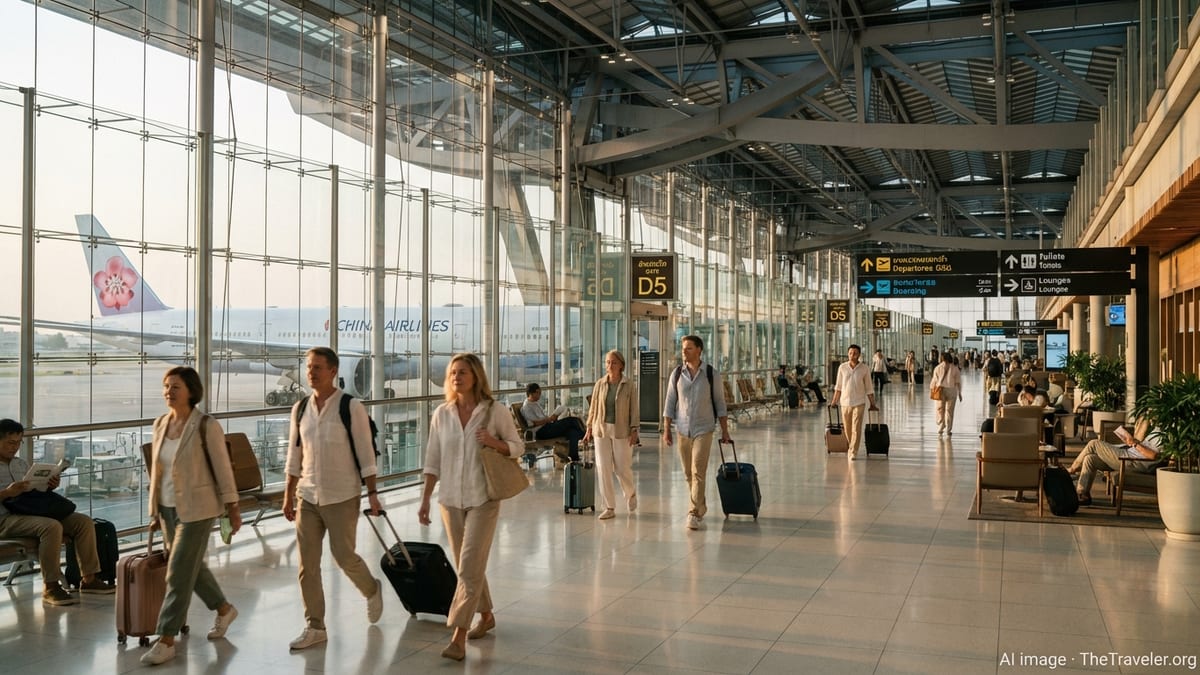
Strategic Tie-Up Targets Wellness Travel Boom
The new promotion, unveiled in February 2026, brings together Taiwan-based China Airlines and the Tourism Authority of Thailand in a coordinated effort to capture surging demand for wellness and restorative travel. Framed around Thailand’s “Healing is the New Luxury” message, the campaign highlights spa retreats, detox programs, temple-based mindfulness and coastal escapes as core reasons to visit in the year ahead.
The offer focuses on long-haul visitors from North America, a market that has rebounded strongly and is increasingly seeking experiences that combine rest, health and cultural immersion. Industry data pointing to wellness tourism’s path toward the 1 trillion dollar mark in the coming years has helped shape Thailand’s strategy to court travelers who want more than a standard beach holiday.
By pairing attractive fares with imagery of traditional Thai massages, forest retreats, sunrise yoga and slow-paced cultural discovery, the partners are betting that price-sensitive but experience-driven travelers will see 2026 as the moment to book Thailand for a longer, more meaningful break.
The move also reflects a wider shift in global tourism marketing, as destinations and airlines emphasize emotional reset and personal well-being as core selling points, rather than simple leisure or shopping trips.
Key Dates, Booking Window and Who Qualifies
The China Airlines and Thailand Tourism Authority offer is structured as a limited-time promotion, with bookings available through February 28, 2026. Travelers who purchase tickets within this window can secure discounted economy and connecting fares from select North American gateways for travel into Thailand later in the year.
The promotion is open to passengers originating in the United States and Canada, including those starting their journeys in smaller cities and connecting through China Airlines’ main North American hubs. The fares apply to itineraries that route via Taipei before continuing on to Bangkok and other Thai destinations, using China Airlines-operated services and, in many cases, onward partners for domestic legs.
While specific price points vary by departure city, date and cabin, the promotion builds on China Airlines’ wider 2026 sales calendar, which has included seasonal offers and a Valentine’s sale with round-trip economy fares from under 700 dollars to select Asian cities. The Thailand campaign is carved out as a separate, dedicated offer that focuses on Bangkok and Chiang Mai, in line with the country’s wellness positioning.
As with most airline promotions, travel dates, advance purchase requirements and seat availability conditions apply, and discounted inventory is limited on peak holiday periods and heavily traveled days.
North American Gateways and How the Routing Works
For travelers planning from the United States and Canada, one of the main appeals of the campaign lies in its wide gateway coverage. China Airlines serves Los Angeles, San Francisco, New York, Seattle, Ontario in California, Phoenix and Vancouver, creating multiple entry points for transpacific journeys that ultimately end in Thailand.
Typical itineraries see passengers depart from their North American city to Taipei, then connect to Bangkok’s Suvarnabhumi Airport or, on some routings, to Chiang Mai. China Airlines positions its Taipei hub as a convenient, user-friendly transfer point, and the promotion leans on this message to reassure travelers who may be new to multi-stop long-haul routes.
An interline agreement with Southwest Airlines further enlarges the catchment area for the offer. Through combined itineraries, travelers from more than 80 secondary cities across the United States can connect onto China Airlines flights at major gateways while checking bags through to their final destination, reducing friction and connection anxiety.
Within Thailand, a long-standing codeshare with Bangkok Airways extends the reach of promotional itineraries to resort and heritage destinations such as Phuket, Koh Samui, Chiang Mai and Sukhothai. For wellness travelers, this means they can book a single ticket that covers the transpacific leg, the hub connection and a final short hop to a spa town, beach island or mountain retreat.
What “Healing Is the New Luxury” Means for Travelers
The Tourism Authority of Thailand’s “Healing is the New Luxury” theme is at the heart of the 2026 fare campaign. Rather than focusing on five-star excess or status-driven travel, the message highlights inner reset, gentle rhythms and cultural depth as the new markers of premium experiences.
In practice, the narrative spans everything from traditional Thai spa rituals and herbal compress treatments to multi-day detox programs near Bangkok, yoga and mindfulness retreats in the north and slow stays in coastal areas where nature and quiet are central. Many of these products are designed for international visitors on stays of one week or more.
Thailand has been leaning into this image through curated retreat offerings, particularly near Bangkok and in regional hubs where visitors can book all-inclusive programs covering accommodation, healthy meals and structured wellness activities. These products align closely with the type of trips travelers booking discounted long-haul fares are likely to consider once their flights are confirmed.
The campaign also positions temples, food and local communities as part of the healing story, inviting travelers to see neighborhood markets, riverside walks and low-key cultural experiences as ingredients in a restorative journey rather than add-ons to a conventional sightseeing checklist.
Fare Rules, Cabin Choices and How to Maximize Value
While the promotion headlines focus on discounted fares, the underlying ticket rules remain a critical part of the story for anyone planning to use the offer. In most cases, the lowest promotional fares will come with advance purchase requirements, change penalties and limited flexibility on date changes, particularly around weekends and holidays.
China Airlines has been active in 2026 with a range of sales that offer percentage discounts on base fares across economy, premium economy and in some cases business class. For wellness-oriented travelers, upgrading to premium economy or using part of a travel budget to secure more legroom on the long transpacific sectors can make the overall experience significantly more comfortable, especially when followed by early-morning yoga sessions or structured wellness programs shortly after arrival.
Travelers should pay attention to whether a given fare includes checked baggage, seat selection and the ability to earn miles with frequent flyer partners. For those heading to Thailand for longer stays, the baggage allowance can be particularly important given the likelihood of packing fitness gear, casual resort wear and any personal wellness items.
Because the Thailand promotion runs in parallel to other seasonal sales, it is worth comparing the exclusive Thailand fares with more general offers to other Asian destinations. On some dates, travelers may find that combining promotional legs or choosing slightly off-peak departures produces the best balance between price and flexibility.
Wellness Experiences to Pair With Discounted Flights
The discounted 2026 fares open a pathway to a wide spectrum of Thai wellness experiences, from intensive short programs to slow-travel stays. Near Bangkok, operators are promoting three to five day packages that include detox and immune support regimens, weight management, sleep recovery programs, yoga and mindfulness, longevity-focused retreats and joint or mobility recovery offerings.
Many of these retreats are set in low-rise, nature-surrounded properties outside the capital, with walking paths, garden views and quiet rooms designed for rest. International guests typically receive personalized schedules, healthy full-board meals and access to therapists and coaches who can tailor programs to specific needs.
Farther afield, the northern city of Chiang Mai remains a hub for meditation courses, herbal wellness traditions and cooler-climate escapes, while southern provinces such as Phuket and Krabi combine beach time with spa, fitness and sea-based activities. Wellness-minded travelers often build itineraries that start with a short stay in Bangkok to adjust to the time zone, then move on to a more secluded setting.
The campaign messaging encourages visitors to think holistically about their journeys, weaving in cultural activities like temple visits, local cooking classes, cycling tours or handicraft workshops that can deepen the sense of fulfillment beyond physical relaxation.
Practical Planning Tips for 2026 Thailand Trips
From a practical standpoint, travelers considering the promotion should pay close attention to timing. With the booking window closing on February 28, 2026, those still in the planning phase have a narrow period to confirm dates, secure time off work and align retreat availability with flight schedules.
Thailand’s main tourism seasons will continue to shape availability and pricing. Cooler, drier weather from roughly November to February typically draws higher visitor numbers, while the shoulder seasons around these months can offer better value and fewer crowds, which may be especially appealing to those seeking quiet, contemplative stays.
Visa policies remain an important backdrop, although Thailand currently allows visa-free entry or visa exemptions for many nationalities, including U.S. and Canadian passport holders under specified conditions. Nonetheless, visitors are advised to check entry rules, length-of-stay limits and any health-related requirements at the time of booking and again before departure, as regulations may evolve.
Travelers should also factor in airport taxes and passenger service charges included in ticket prices, as adjustments planned for later in 2026 at major Thai airports could affect final costs on some outbound journeys, even if base fares are discounted. Understanding what is and is not covered in a promotional ticket helps avoid surprises when it is time to fly home.
Why This Matters for Thailand’s Tourism Recovery
For Thailand, the 2026 partnership with China Airlines represents more than a standard fare sale. It signals a deliberate effort to steer the country’s tourism mix toward higher-value, longer-stay visitors who are motivated by wellness, culture and authenticity rather than purely low-cost getaways.
Long-haul markets such as the United States and Canada tend to yield higher per-trip spending, especially when travelers combine flights with multi-day retreat stays, domestic flights and experiential activities. By lowering the initial barrier of airfare, the promotion seeks to spark trips that may have been postponed or deprioritized during recent years of uncertainty.
The campaign also underscores how airlines and national tourism boards are synchronizing their messages. For China Airlines, the partnership helps fill premium leisure demand on its transpacific network and positions Taipei as a natural stepping stone to Southeast Asia. For Thailand’s tourism authority, it offers a platform to showcase wellness products to audiences that may be familiar with Thai food or beaches but less aware of its holistic health offerings.
As 2026 progresses, industry watchers will be looking to booking trends, retreat occupancy and repeat-visit patterns to gauge whether wellness-themed collaborations like this one can set a template for future long-haul promotions centered on well-being and cultural depth.