

More news on this day
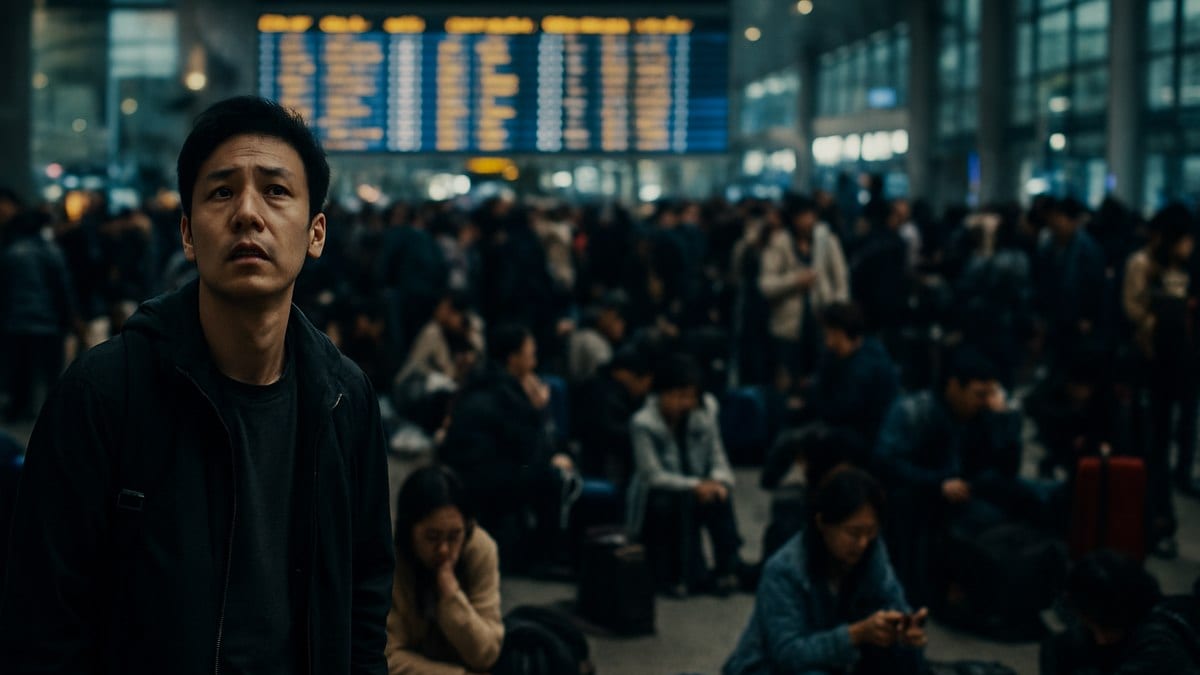
China’s aviation network experienced fresh turbulence on April 5, with publicly available tracking data indicating 2,211 flight delays and 316 cancellations across major airports including Shanghai, Beijing, Guangzhou and Shenzhen, stranding thousands of passengers at the start of a peak travel weekend.
Get the latest news straight to your inbox!
Disruptions Hit China’s Busiest Airports Simultaneously
Data compiled from industry trackers and summarized by travel outlets shows that the latest wave of disruption affected a broad swath of China’s aviation system, from flagship hubs in Shanghai, Beijing, Guangzhou and Shenzhen to regional airports such as Nanning and Dalian. The figures point to 2,211 delays and 316 cancellations nationwide, a scale large enough to ripple through domestic and international schedules throughout the day.
Shanghai’s dual-airport system, anchored by Pudong and Hongqiao, reported significant hold-ups, with departure and arrival banks slowing as thunderstorms and low visibility moved through eastern China. Beijing Capital and Beijing Daxing, which together handle a heavy mix of trunk-route and connecting traffic, also saw cascading delays as aircraft and crews missed their scheduled rotations.
In southern China, Guangzhou Baiyun and Shenzhen Bao’an were among the airports most affected. Travel-focused coverage notes that disruption at these hubs has been a recurring theme in recent weeks, as weather systems and tight schedules leave little recovery time between waves of congestion and new flight banks.
While the impact was felt most acutely at the country’s largest gateways, smaller airports contributed a disproportionate share of cancellations. Regional fields with fewer daily departures can post high cancellation ratios when even a handful of flights are scrubbed, compounding the challenge for travelers relying on connections through Beijing, Shanghai and Guangzhou.
Weather, Congestion and Tight Schedules Drive April Turmoil
Reports from aviation and travel outlets point to a familiar mix of causes behind the April 5 disruption. Thunderstorms, fog and periods of reduced visibility across parts of eastern and southern China slowed runway operations and forced wider spacing between takeoffs and landings. Once that happens at multiple hubs at the same time, the knock-on effects quickly spread across the national network.
Operational congestion added another layer of complexity. China’s major airports are running close to capacity during peak hours, especially during holiday periods, leaving limited flexibility for air traffic controllers and airport operators when bad weather or temporary airspace restrictions arise. Delays early in the day can stretch into late-night operations as airlines try to reposition aircraft and crews.
Recent coverage of Asia-wide disruptions underscores how tightly interconnected schedules have become. Just days earlier, aviation analysts documented thousands of delays and hundreds of cancellations across Asia-Pacific hubs, including Beijing and other Chinese gateways, as storms and route restrictions forced widespread rerouting. That pattern of tight schedules and limited slack continues to magnify the effects of each new disruption wave.
The latest figures from China fit into a broader 2026 trend of chronic punctuality problems. Travel and consumer publications have highlighted how a combination of strong demand, weather volatility and lingering operational constraints has left airlines and airports across the region struggling to restore pre-pandemic reliability.
Peak Travel Weekend Amplifies Passenger Impact
The timing of the April 5 disruption has intensified the fallout for travelers. The wave of delays and cancellations coincides with the Qingming Festival holiday window, running from April 4 to 6, when domestic travel demand typically surges as families visit relatives, attend ancestral tomb-sweeping rituals or take short leisure breaks.
Publicly available summaries of airport activity indicate that many affected flights were operating along heavily trafficked trunk routes linking Shanghai, Beijing, Guangzhou, Shenzhen and Chengdu, as well as popular short-haul leisure destinations. With flights heavily sold for the holiday weekend, options for same-day rebooking were limited, particularly later in the day as remaining seats were snapped up.
Travel analysis focused on Shenzhen notes that cancellations and heavy delays in the first days of April were already stretching capacity before the latest figures emerged. The city’s proximity to Guangzhou, Hong Kong and Macau means that when one hub experiences severe disruption, the others quickly feel the pressure as airlines juggle aircraft and crew across multiple airports in the Pearl River Delta.
For passengers, that translates into longer queues at rebooking counters, extended waits in crowded terminals and, in some cases, forced overnight stays when onward connections are missed. The clustering of problems around a peak holiday period increases the risk that even minor schedule changes will cascade into missed tours, hotel nights and family gatherings.
Major Chinese Carriers Under Strain
China’s largest airlines once again found themselves at the center of the disruption. Published tallies of affected flights list Air China, China Eastern, China Southern and Shenzhen Airlines among the carriers facing widespread delays and cancellations, reflecting their dominant presence at the country’s main hubs.
These airlines rely heavily on dense shuttle routes linking major cities such as Shanghai, Beijing, Guangzhou and Shenzhen, as well as on complex domestic connection banks timed to feed international departures. When delays mount at one or two key airports, entire connection waves can falter, leaving aircraft and crews out of position for subsequent flights.
Aviation tracking sites show that even modest shifts in block times can have outsized consequences on such tightly wound schedules. If an early-morning aircraft rotation runs late due to weather holds or traffic flow restrictions, that same aircraft may arrive behind schedule for two or three additional legs later in the day, further reducing the network’s ability to absorb disruptions.
While low-cost and regional carriers are also affected, the headline numbers of 2,211 delays and 316 cancellations highlight the vulnerability of large, hub-centric operators. Their size gives them more options for rerouting passengers, but also means that any shock to the system immediately affects thousands of travelers spread across dozens of cities.
Broader Pattern of Volatility Across Asia’s Skies
The latest China-focused disruption takes place against a backdrop of continued instability across Asia’s air travel landscape. On the same day, regional coverage highlighted more than 3,000 delays and nearly 300 cancellations across major hubs in Japan, South Korea, India, the United Arab Emirates and other markets, underscoring how quickly local weather patterns and airspace constraints can snowball into multi-country events.
In recent weeks, analysts have chronicled multiple days when Asia-Pacific carriers faced thousands of delayed flights and several hundred cancellations, often concentrated in a handful of strategic hubs such as Beijing, Tokyo, Jakarta, Riyadh and Dubai. In several cases, weather and congestion in China have been cited as important contributors to that wider network stress.
Industry observers note that the current environment leaves travelers particularly exposed. Airlines are rebuilding schedules to capture strong demand, but aircraft and crew resources remain finely balanced. When severe storms or visibility issues hit multiple hubs at once, the lack of spare capacity means that recovery can take days rather than hours.
With China’s peak spring and summer travel seasons still ahead, the April 5 figures are likely to serve as another warning that passengers may face more unpredictable journeys in the months to come, especially on routes that rely on tight connections through Shanghai, Beijing, Guangzhou and Shenzhen.