

More news on this day
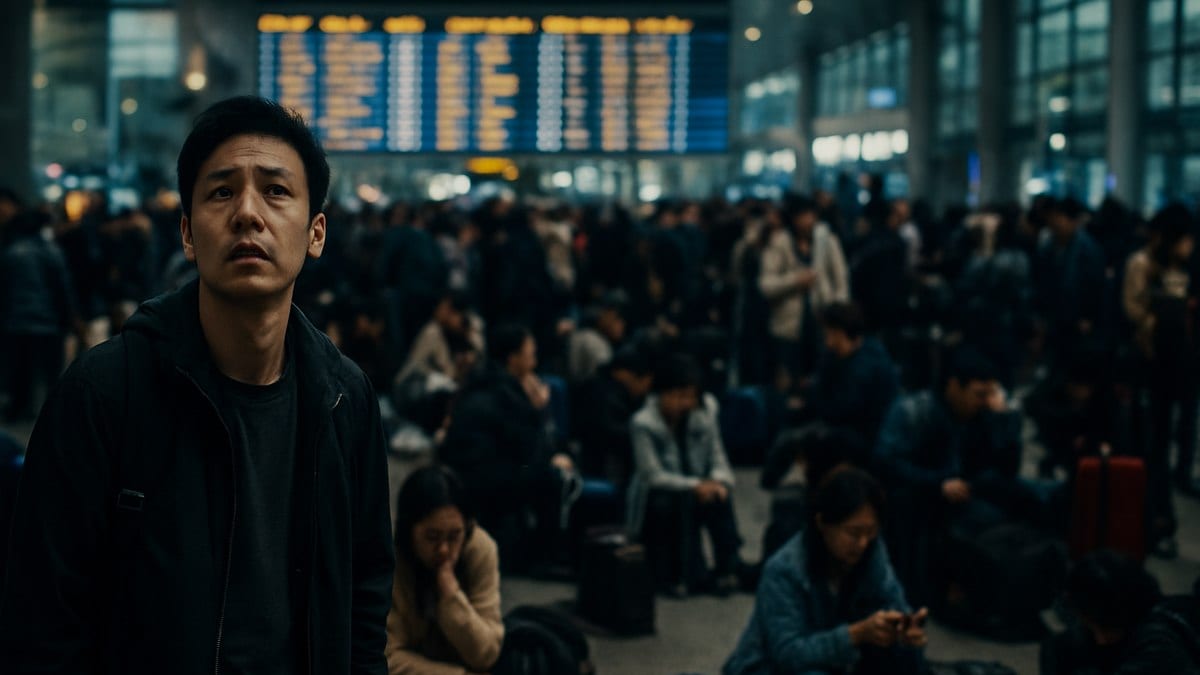
China’s largest airports are grappling with a fresh wave of operational turmoil as publicly available tracking data indicates 2,211 flight delays and 316 cancellations across Shanghai, Beijing, Guangzhou, Shenzhen and other major hubs, stranding thousands of travelers during one of the country’s busiest holiday periods.
Get the latest news straight to your inbox!
Holiday Rush Meets Network Fragility
The latest disruption has emerged just as the Qingming Festival holiday window from April 4 to 6 drives a surge in domestic and short haul travel. Published coverage notes that China’s trunk routes linking Beijing, Shanghai, Guangzhou and Shenzhen were already running near capacity in the days leading up to the long weekend, leaving little slack in the system when irregular operations began to mount.
When flight loads are high, relatively modest levels of cancellations and extended delays can trigger outsized consequences. On recent peak days, the combined total of 316 cancellations and 2,211 delays has translated into long queues at check in and customer service counters, as well as crowded departure halls where passengers wait for rolling schedule updates. Even a single cancellation on a heavily booked route can leave several hundred travelers vying for a limited number of rebooked seats on later departures.
Operational data and industry analyses suggest that the disruption has not been driven by a single cause but by a combination of adverse weather patterns in some regions, air traffic control restrictions and tight aircraft and crew rotations. These factors have converged at the same time that travel demand has risen, magnifying the knock on impact of each delayed departure or missed aircraft rotation across the national network.
With the Qingming period typically used by families for short breaks or visits to ancestral hometowns, the timing of the disruption is particularly challenging. Many itineraries involve connections between major hubs and smaller inland cities, amplifying the risk that a problem in Shanghai or Shenzhen will cascade into missed onward flights hours later in other parts of the country.
Shanghai and Beijing Face Growing Backlogs
Shanghai’s dual airport system at Pudong and Hongqiao and Beijing’s pair of major hubs at Capital and Daxing have all reported elevated levels of disruption, according to aggregated flight status snapshots. These airports anchor some of China’s densest domestic corridors, meaning that delays and cancellations there quickly ripple across dozens of secondary cities.
In Shanghai, a mix of international and domestic services has complicated recovery efforts. Published flight tallies indicate that Pudong has seen significant hold ups on both long haul and regional routes, while Hongqiao, heavily focused on domestic operations, has experienced clusters of late running departures on core business routes. Aircraft arriving behind schedule from other cities have then struggled to turn around on time, adding another layer of delay.
Beijing’s Capital and Daxing airports have faced their own strains as demand for northbound and connecting flights has climbed around the holiday period. Tracking data shows that when departure banks in Beijing slip, the effect is soon visible at a wide range of inland airports that depend on timely connections through the capital. Recovery windows have been narrowed further by tight daily utilization of aircraft, leaving little room to insert extra sectors or swap equipment to clear backlogs.
Reports from schedule monitoring platforms highlight that both cities have experienced periods where double digit cancellations occurred within relatively short timeframes, followed by hours of elevated delay levels. For affected passengers, that has often translated into long waits before reliable estimates of new departure times become available, complicating decisions about whether to seek hotel rooms, rebook onward connections or adjust travel plans altogether.
Pearl River Delta Hubs Among the Hardest Hit
In southern China, Guangzhou Baiyun International Airport and Shenzhen Bao’an International Airport have emerged as two of the most heavily affected hubs. Previously published disruption analyses describe these airports as central nodes in dense regional and national airline networks, handling large volumes of domestic services alongside growing numbers of international routes.
Recent reporting focused on Shenzhen indicates that the airport has endured concentrated bursts of cancellations and delays in the first days of April, with clusters of flights scrubbed in short succession. When multiple departures on the same route are canceled or heavily delayed, aircraft and crews can fall out of position for subsequent services, making it harder for airlines to restore normal operations even after the initial trigger eases.
Guangzhou, a major base for China Southern and a key gateway for traffic across southern China and Southeast Asia, has also reported elevated disruption levels. Because many flights in and out of Guangzhou and Shenzhen are part of through itineraries that connect via Beijing or Shanghai, a cancellation or significant delay in the Pearl River Delta can result in missed onward legs far from the original problem airport.
Publicly available analyses of recent travel patterns suggest that the Pearl River Delta’s importance as both an origin and connecting region has grown as cross border travel recovers. That trend has increased the potential for local operational issues to develop into wider regional bottlenecks, especially during high demand periods such as Qingming.
Major Carriers Under Pressure to Reprotect Passengers
The disruption has placed renewed pressure on China’s largest airlines, including Air China, China Eastern, China Southern and Shenzhen Airlines, which collectively operate a significant share of flights through the affected hubs. Public statistics on recent performance show these carriers running dense schedules along key domestic corridors, with aircraft often operating multiple sectors per day that depend on tight turnarounds.
When irregular operations strike, these scheduling patterns can quickly become a liability. A late arriving aircraft on a morning flight from Guangzhou to Shanghai can lead to a late departure from Shanghai to Beijing, which then jeopardizes afternoon services outbound from the capital that rely on the same aircraft and crew. Once such chains of delay are established, carriers must make difficult decisions about which flights to prioritize, sometimes opting to cancel certain services outright to preserve the integrity of the remainder of the schedule.
According to recent industry coverage, airlines have been working within China’s civil aviation rules that allow for rebooking or refunds in cases of cancellation, although the specific remedies vary based on the carrier and the recorded cause of the disruption. Weather related delays, for example, are often treated differently than those stemming from technical or operational issues, affecting eligibility for hotel accommodation or meal vouchers.
For thousands of travelers caught up in the current wave of disruption, the practical focus has turned to securing alternative routings or departure dates during an already crowded travel window. In some cases, passengers have faced choices between accepting multi day delays for nonstop flights or piecing together longer multi stop itineraries through secondary hubs to reach their destinations sooner.
What Travelers Can Expect in the Days Ahead
Analysts monitoring regional air traffic patterns note that recovery from such a large volume of delays and cancellations can take several days, even after on the day causes such as storms or airspace restrictions subside. Aircraft and crew need to be progressively repositioned, and residual delays often continue to appear as airlines work through backlogs and adjust schedules.
For travelers holding tickets in the coming days, publicly available guidance from travel industry sources emphasizes the importance of close monitoring of flight status, particularly for itineraries involving connections through Shanghai, Beijing, Guangzhou or Shenzhen. Using both airline applications and independent flight tracking tools can provide early warning of developing delays and create more time to request rebooking options.
Some travel risk briefings also suggest that passengers consider building longer connection windows where possible while disruption levels remain elevated, especially on itineraries that mix different carriers or include late evening departures. A more generous layover can reduce the likelihood that a modest delay on the first leg will result in a missed onward flight.
With holiday travel demand expected to remain strong through the Qingming period, the pace at which disruption indicators such as daily delay counts and cancellation totals decline will determine how quickly China’s air travel system returns to a more stable footing. Until then, passengers moving through the country’s largest hubs may continue to face a higher than usual risk of extended airport waits and last minute schedule changes.