

More news on this day
Thousands of air travelers across China are facing hours-long waits, missed connections, and last-minute rebookings as a new wave of flight cancellations and delays ripples through major aviation hubs this week.
Get the latest news straight to your inbox!
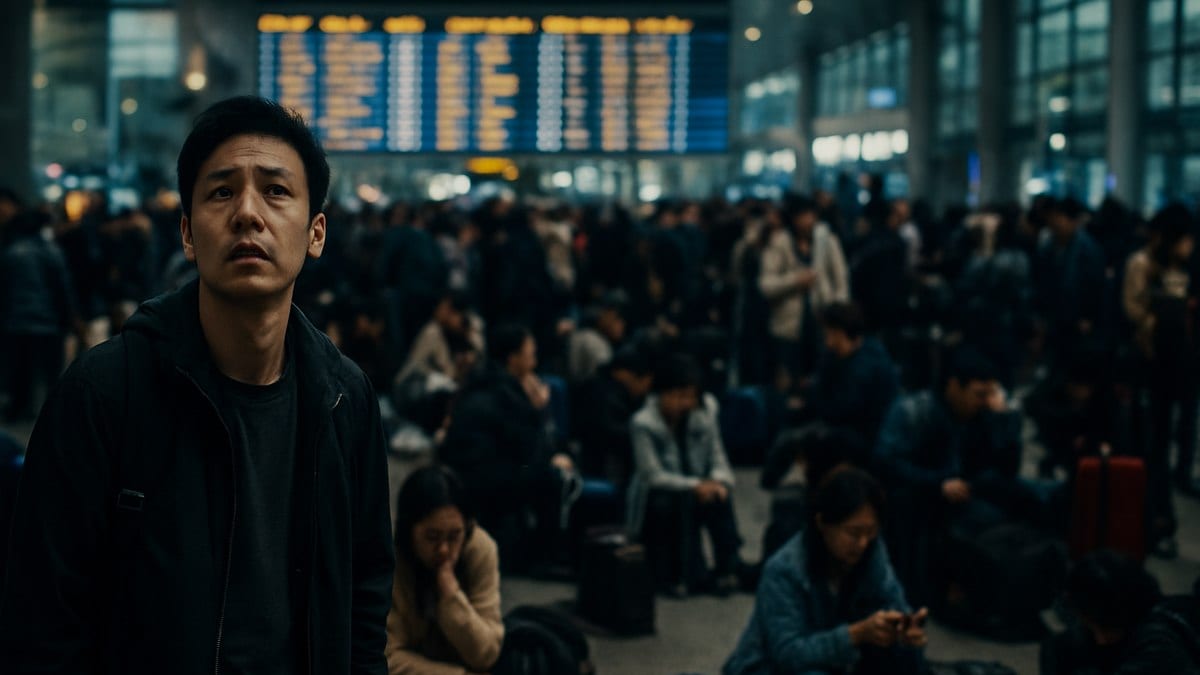
Major Hubs Buckle Under a Fresh Disruption Wave
Published aviation data and recent industry coverage for early April 2026 point to a sharp spike in disruption at China’s busiest airports, including Beijing Capital, Beijing Daxing, Shanghai Pudong, Shanghai Hongqiao, Guangzhou Baiyun, and Chengdu Tianfu. Figures compiled from airport departure boards and third-party tracking platforms show hundreds of cancellations and well over a thousand delays in just a few days, leaving large numbers of passengers stuck in terminals across the country.
One roundup of operations on April 7 reported more than 260 flight cancellations and over 1,600 delays affecting major Chinese carriers at hubs such as Beijing, Shanghai, Guangzhou, and Shenzhen. Another aviation intelligence report, focused on Asia-Pacific, counted several hundred cancellations and thousands of delays across the wider region, with Chinese airports featuring prominently among the hardest-hit. Together, these datasets depict an overloaded system struggling to keep aircraft and crews in the right place.
Reports indicate that the disruption is concentrated at coastal and inland megahubs that serve as vital connection points between domestic routes and long-haul services to North America, Europe, and Australia. When departure waves from these airports unravel, the effect cascades along the network, forcing repeated schedule changes over multiple days.
Air China, China Eastern and China Southern Under Pressure
Large state-linked airlines are at the heart of the current turbulence. Publicly available flight summaries show Air China, China Eastern, China Southern and affiliated carriers such as Shenzhen Airlines and XiamenAir among those recording the highest numbers of cancellations and delays. These airlines dominate departures at Beijing, Shanghai, and Guangzhou, which means any operational hiccup is quickly felt by tens of thousands of travelers.
In several recent daily snapshots, Air China, China Eastern, and China Southern were linked to dozens of same-day cancellations and hundreds of delayed departures. Separate coverage focused on China Eastern and Hainan Airlines highlighted nearly 50 cancellations and close to 300 delays tied to just a handful of airports, underscoring how quickly a localized problem can strand passengers nationwide when it hits a key hub.
Industry observers note that these carriers are simultaneously handling a sharp rebound in demand, expanded international schedules, and lingering constraints from previous waves of disruption. When aircraft rotations slip or crew duty limits are breached, airlines often have little spare capacity to restore normal operations quickly, increasing the likelihood of rolling delays and last-minute cancellations.
Weather, Airspace Constraints and Operational Strain Combine
There is no single trigger behind the latest flight chaos. Instead, a mix of adverse weather, regional airspace closures, and routine operational challenges appears to be compounding pressure on Chinese airlines and airports. Earlier this spring, severe storms and low visibility forced widespread cancellations at several major Chinese hubs, disrupting domestic feeder flights and causing international passengers to miss onward connections.
At the same time, separate analyses of Middle East airspace restrictions in March showed Chinese carriers rerouting or canceling significant numbers of services to the region, with knock-on effects for aircraft availability and crew scheduling back in China. When long-haul aircraft and pilots are held out of position, domestic rotations are more vulnerable to delay and cancellation.
These events have unfolded against an already tight operating backdrop. Regional data for March highlighted one Asia-Pacific crisis day with more than 700 cancellations and over 2,000 delays across the region, including Chinese airlines. Observers suggest that such episodes reveal how finely balanced current schedules are: a single day of severe weather or geopolitical disruption can quickly overwhelm buffers, especially at airports handling complex banks of connecting flights.
Stranded Passengers Face Long Queues and Limited Options
For passengers on the ground, the statistics translate into missed holidays, broken business itineraries, and unexpectedly long nights on terminal benches. Recent travel-industry reporting describes travelers at Shanghai, Beijing, Guangzhou, Chengdu, and other airports facing rebooking queues of several hours as airline staff work through backlogs of disrupted itineraries.
When domestic legs are canceled, travelers often lose their seats on international connections, particularly on popular routes to Europe and North America with limited daily frequencies. Reaccommodation can require routing passengers through different cities or rebooking on later dates, stretching available inventory during a busy spring travel period.
Publicly available consumer guidance on Chinese regulations notes that passengers whose flights are canceled by the airline are generally entitled to either a refund or rebooking. In practice, airlines may also provide meal vouchers and hotel accommodation when overnight stays become unavoidable, though the level of support can vary by carrier, airport, and the cause of disruption. Travelers are frequently advised to document expenses and keep all boarding passes and booking confirmations to support any later compensation claims.
How Travelers Can Navigate Ongoing Instability
As the disruption continues, travel experts and consumer platforms are emphasizing preparation and flexibility for anyone flying through Chinese hubs. Common advice includes monitoring airline apps and flight-tracking tools closely in the 24 to 48 hours before departure, as schedules on affected routes are changing with limited notice.
Passengers are also encouraged to allow generous connection times, especially when linking a domestic Chinese flight with an international long-haul service. Industry-focused commentary suggests that self-connecting on separate tickets is particularly risky in the current environment, since missed onward flights may not be protected by standard rebooking policies.
For travelers whose plans are already affected, publicly available guidance recommends contacting airlines via multiple channels, including apps and customer-service hotlines, and considering alternative routings through less congested hubs where possible. While the latest wave of cancellations and delays may ease as weather patterns and airspace conditions stabilize, the recent chaos at China’s biggest airports has underlined how quickly the country’s dense aviation network can falter when several stress factors align.