

More news on this day
Thousands of passengers across China, India, the United Arab Emirates, Saudi Arabia and other markets are facing extensive travel disruption after a fresh wave of cancellations and delays hit China Eastern and China Southern services through major hubs including Shanghai, Guangzhou, Beijing and Dubai.
Get the latest news straight to your inbox!
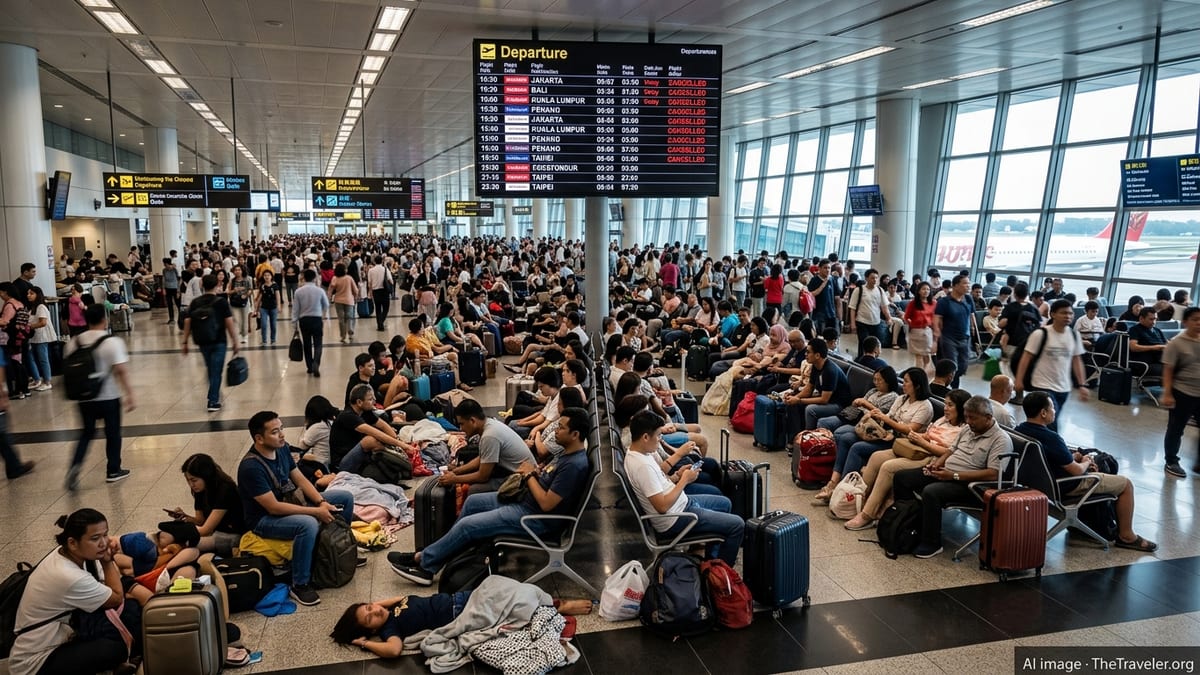
Dozens of Cancellations and Hundreds of Delays Across Key Routes
Publicly available flight-tracking data and aviation analyses for early April indicate that China Eastern and China Southern have together seen around 40 flight cancellations and more than 500 delays in a single 24 hour period, heavily concentrated on trunk routes linking Shanghai, Beijing and Guangzhou with regional and long haul destinations. The pattern reflects a broader spike in disruption across East Asia and the Gulf, where several hundred flights on multiple carriers have been affected in recent days.
Reports from specialist aviation publications describe knock on effects on itineraries connecting China with India, the United Arab Emirates, Saudi Arabia and other parts of the Middle East, as passengers miss onward legs or find themselves rebooked on later departures. With many services operating close to capacity at the start of the Qingming holiday window, spare seats for same day rebooking are limited, extending disruption well beyond the original cancellations.
Chinese hubs such as Shanghai Pudong, Shanghai Hongqiao, Beijing Capital, Beijing Daxing and Guangzhou Baiyun play a central role in linking Northeast Asia, South Asia and the Gulf. When flights on China Eastern and China Southern are pulled or significantly delayed on these corridors, the impact quickly cascades to partner and code share services, catching travelers far from the original point of disruption.
Shanghai, Guangzhou and Beijing Terminals Under Strain
Recent coverage from travel and aviation outlets highlights particularly intense pressure at Shanghai and Guangzhou, where spring storms and low visibility have already produced several waves of schedule disruption in late March and early April. As the airlines cut or reschedule dozens of departures on short notice, airport terminals have seen long lines at rebooking counters and crowded gate areas as travelers wait for fresh departure times.
At Beijing’s airports, the effects are being felt both on domestic shuttles and on international departures toward the Gulf. Flight data show rolling delays on some of the busiest corridors linking the capital with Shanghai and Guangzhou, forcing passengers to rework carefully timed connections to Dubai, Abu Dhabi and other Middle Eastern hubs. Passenger accounts posted on public forums describe missed onward flights after relatively modest initial delays on these domestic legs.
The timing is particularly sensitive for China’s aviation network, which has just moved into its summer and autumn schedule with expanded international frequencies. Industry analyses note that operators had been counting on strong outbound and inbound demand over the Qingming period and beyond, meaning there is limited slack in the system when weather or airspace issues force sudden adjustments.
Ripple Effects Reach Dubai, the Gulf and South Asia
The disruption at Chinese hubs is intersecting with separate turmoil in Middle East airspace, where closures and reroutings over parts of West Asia have led to capacity cuts and schedule changes for Gulf carriers. Regional roundups from aviation intelligence providers indicate that airlines across Asia and the Middle East have been trimming or retiming services, affecting flows between China, India, the Gulf states and onward to Europe.
For travelers connecting through Dubai or other Gulf hubs on itineraries that begin with China Eastern or China Southern flights from Shanghai, Beijing or Guangzhou, these combined pressures are translating into longer layovers, last minute hotel vouchers and in some cases multi day waits for alternative routings. Published data suggest that across the broader arc of Asia and the Gulf, thousands of passengers have recently experienced extended delays or outright cancellations on journeys that rely on tight cross regional connections.
India has also been caught in the web of disruption. Flights linking major Indian cities to Chinese hubs, and onward to the United Arab Emirates and Saudi Arabia, depend on precise timing to maintain connectivity. When departures out of China are delayed or withdrawn, travelers may find themselves stranded at intermediate stops or arriving too late to make legally required minimum connection windows, particularly at busy hubs such as Dubai.
Weather, Holiday Demand and Airspace Tensions Combine
Analysts point to a confluence of factors behind the latest spike in cancellations and delays on China Eastern and China Southern networks. In parts of eastern and southern China, seasonal spring storms and poor visibility have periodically reduced runway capacity, forcing air traffic control to slow arrivals and departures. Aviation weather briefings for late March and early April flag unsettled conditions around Shanghai, Guangzhou and neighboring regions, raising the risk of tactical delays and diversions.
At the same time, China’s outbound travel market is experiencing a sharp rebound, with official forecasts ahead of the Qingming Festival holiday week projecting border crossings well above last year’s levels. Airlines including China Eastern and China Southern have added capacity on popular regional and long haul routes, which improves choice for travelers but leaves little margin for absorbing unexpected schedule shocks.
Overlaying these domestic pressures are ongoing tensions affecting key air corridors over parts of West Asia, which have already led Gulf and Asian carriers to trim services or reroute aircraft, according to recent briefings reported by international outlets. When connecting services through Dubai, Abu Dhabi or Doha are constrained, Chinese carriers must adjust their own schedules and aircraft rotations, creating further challenges for maintaining punctuality on routes touching the Gulf and South Asia.
What Stranded Passengers Are Facing on the Ground
For individual travelers, the statistics on cancellations and delays translate into hours spent in queues, rebooking discussions and often unexpected overnight stays. Recent traveler accounts shared on social media and public forums describe crowded scenes at service desks in Shanghai, Beijing, Guangzhou and Dubai, with passengers seeking new itineraries after learning that their flights on China Eastern or China Southern have been canceled or significantly delayed.
In many cases, airlines are offering fee free date changes or rerouting where space is available, in line with general conditions of carriage that require carriers to take reasonable steps to avoid and mitigate delays. However, when multiple waves of disruption coincide across a region, the pool of available seats on alternative departures shrinks quickly, especially in premium cabins and during holiday peaks.
Consumer advocates and travel specialists are encouraging passengers booked through the affected hubs to monitor flight status tools closely, keep contact details updated with airlines and be prepared for last minute adjustments. They also note that travelers with tight connections, separate tickets or complex multi stop itineraries may be particularly vulnerable when cancellations ripple through a network as dense and interconnected as those operated by China Eastern and China Southern.
With weather forecasts indicating further unsettled conditions in parts of China and geopolitical uncertainties still weighing on Middle East airspace, aviation observers suggest that intermittent disruption could persist in the near term. For now, the numbers recorded over a single day of operations highlight how quickly a cluster of 40 cancellations and several hundred delays can strand passengers not only across Chinese cities, but also in India, the UAE, Saudi Arabia and other points along some of the world’s busiest air corridors.