

More news on this day
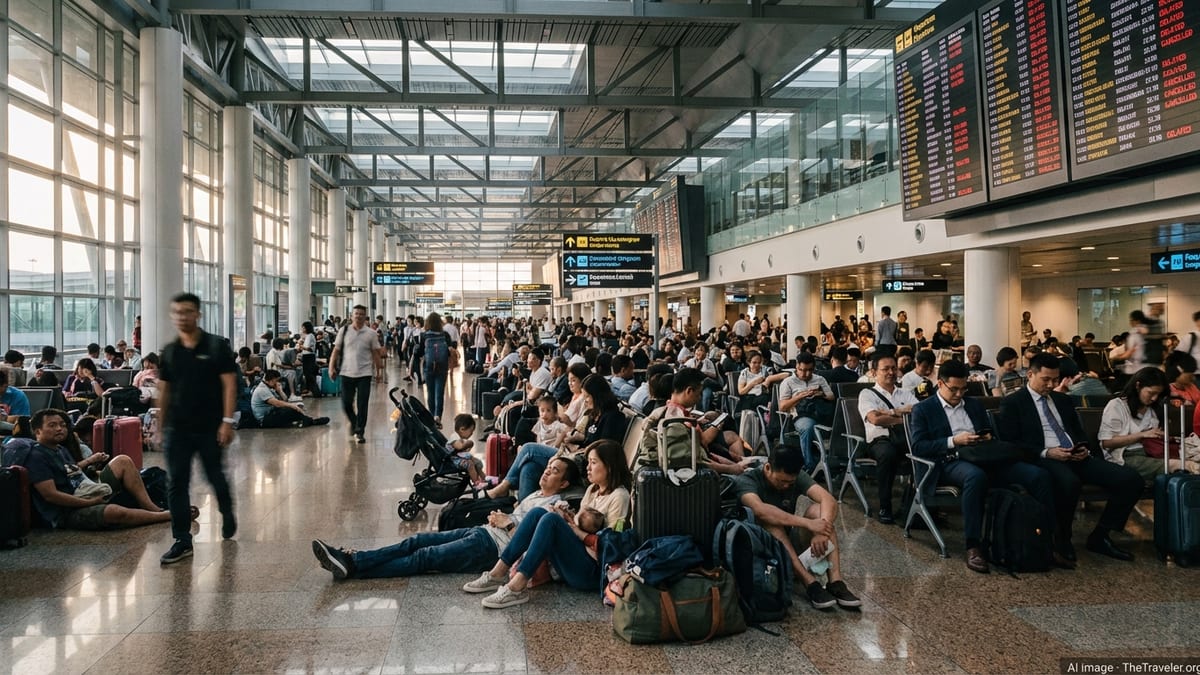
Hundreds of passengers across China’s busiest aviation hubs were left stranded this week as a wave of at least 42 flight cancellations and more than 150 delays affected services operated by China Eastern, Air China, XiamenAir, Hainan Airlines and several other carriers.
Get the latest news straight to your inbox!
Widespread Disruptions at China’s Key Airports
Publicly available flight tracking data and regional media coverage indicate that disruptions were concentrated at major hubs including Shanghai, Beijing, Nanjing, Chengdu and Changsha, with additional knock-on effects reported at other airports in the national network. Shanghai’s Pudong and Hongqiao airports, Beijing’s primary gateways and provincial capitals in eastern and central China all recorded clusters of delayed and canceled services over the same operating window.
Reports indicate that at least 42 scheduled flights were cancelled outright, while more than 150 departures and arrivals experienced extended delays. The pattern left passengers facing long queues at check in and customer service counters, crowded departure halls and rebooked itineraries stretching into late night and next day operations.
The scale of the disruption is modest compared with major international aviation shutdowns, but the concentration at several of China’s most heavily used hubs meant that even a few dozen cancellations had an outsized impact on domestic connectivity. Travelers on multi leg itineraries and those connecting through Shanghai and Beijing were among the most affected.
Multiple Chinese Carriers Affected
According to aggregated operational data and published reports, the disruption was not limited to a single airline. China Eastern, Air China, XiamenAir and Hainan Airlines all registered cancellations and delays on affected routes, along with several smaller carriers that feed traffic into the country’s main hubs. The impact varied by airline and airport, but passengers across competing networks reported similar experiences of rolling delays and last minute schedule changes.
China Eastern and Air China, which operate dense schedules out of Shanghai and Beijing respectively, appeared to shoulder a significant share of the cancellations. XiamenAir and Hainan Airlines, both key players in coastal and southern markets, saw a number of flights pushed back or withdrawn, contributing to queues and missed connections in transfer terminals.
Public flight boards and tracking platforms showed some services delayed by more than two hours, while others were cancelled within a short window of their planned departure times. As is typical in such situations, affected flights created follow on disruptions, with aircraft and crew out of position for later rotations, compounding delays into the evening.
Operational and Weather Factors Under Scrutiny
While no single nationwide cause has been confirmed through public information, flight pattern data and regional reporting suggest a combination of factors behind the cancellations and delays. Localized weather, including low visibility and adverse conditions at some hubs, appears to have triggered initial schedule disruptions that then rippled through tightly timed domestic networks.
Congestion in busy air corridors and routine air traffic control flow measures can amplify the effect of such weather related slowdowns, particularly at peak morning and evening banks when dozens of departures are scheduled within short intervals. When one set of flights is held on the ground or diverted, subsequent services may be delayed as aircraft, crew and gate resources are reassigned.
Chinese carriers routinely note in their publicly available conditions of carriage that flight times are not guaranteed and that unforeseen circumstances such as weather, airspace restrictions, operational requirements or safety related checks can prompt last minute changes. In practice, that means that clusters of disruptions of the type seen this week can arise even in the absence of a single headline incident.
Stranded Passengers Face Long Waits and Rebookings
For passengers at Shanghai, Beijing, Nanjing, Chengdu, Changsha and other affected airports, the practical consequences were lengthy waits for information, rebookings and in some cases overnight stays. Social media posts and local coverage described departure boards dominated by yellow and red status indicators, with terminals remaining busy well into late evening as travelers sought new options.
Long hold times at service counters were reported as airline staff worked through backlogs of customers requiring new itineraries, refunds or hotel arrangements. Families with young children, elderly travelers and those with tight onward connections appeared to face particular challenges, including uncertainty over when replacement flights would be available.
In some cases, passengers turned to high speed rail or long distance buses as alternatives, particularly on short and medium haul routes between major cities where rail connections are frequent. However, same day rail availability can be limited when disruptions occur suddenly, and not all destinations are easily accessible by train, leaving many travelers with little choice but to wait for the next available flight.
What China’s Passenger Rules Typically Offer
Chinese civil aviation regulations and airline conditions of carriage generally set out frameworks for assistance when flights are cancelled or heavily delayed. Publicly accessible policy documents from major carriers state that, in the event of a cancellation, passengers are typically entitled to rebooking on the next available service or a refund, with accommodation and meal arrangements varying depending on the cause and timing of the disruption.
When weather or air traffic control constraints are cited, compensation payments are often more limited, with support focusing on rebooking and basic care. If delays or cancellations are linked to issues within the airline’s control, such as certain maintenance or scheduling problems, some carriers provide additional vouchers or services, though practices can differ between airlines and change over time.
Travel experts commonly recommend that passengers keep all boarding passes and receipts, monitor airline notices closely and check the terms of any travel insurance policies, as some products provide coverage for lengthy delays and extra accommodation or transport costs. For international travelers connecting onto domestic Chinese flights, it can be particularly important to allow additional buffer time between segments during periods of unstable weather or heavy congestion.