

More news on this day
Passenger rail services between China and North Korea are resuming this week after a six-year suspension, a move widely viewed as a significant step toward restoring cross-border mobility, reviving tightly controlled tourism and reinforcing ties between Beijing and Pyongyang.
Get the latest news straight to your inbox!
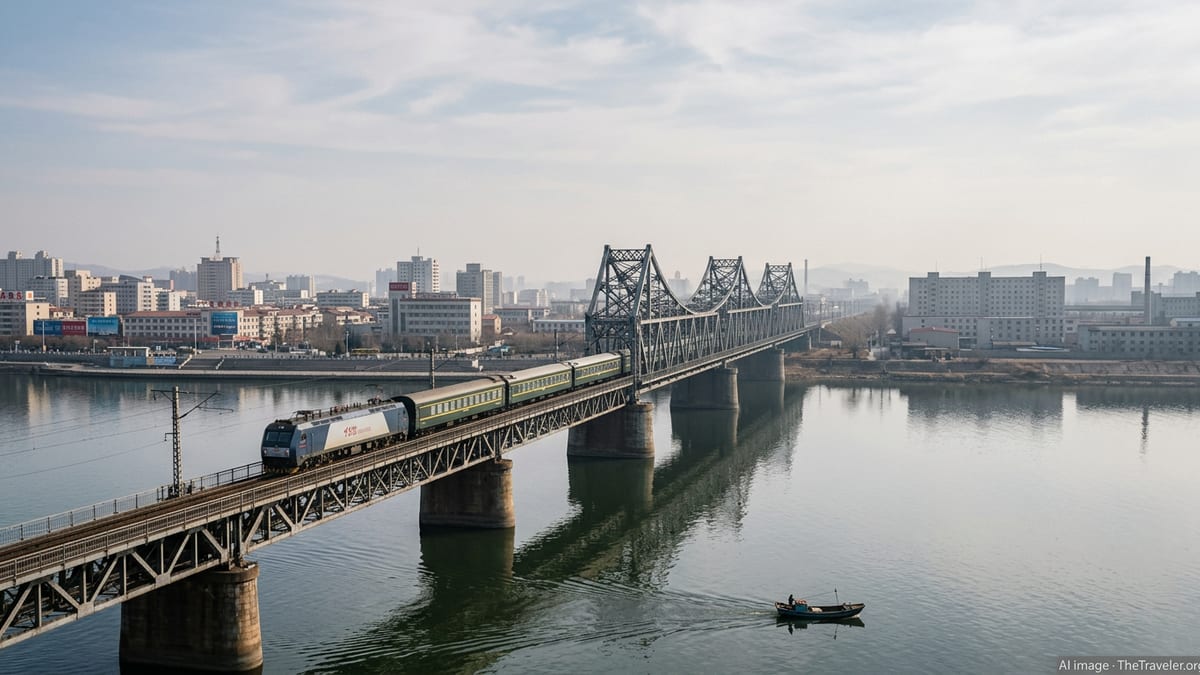
Beijing–Pyongyang Trains Back on the Timetable
According to recent rail announcements and Chinese media coverage, international passenger service linking Beijing and Pyongyang is set to restart with several weekly departures. The trains are expected to follow the traditional route from the Chinese capital to the border city of Dandong before crossing the Yalu River into North Korea, restoring one of the most symbolic rail corridors in Northeast Asia.
Reports indicate that the services will initially operate at a modest frequency, reflecting both infrastructure capacity and ongoing public health and security considerations. Tickets are currently reported to be available only through offline channels in China, underscoring continued administrative controls over who can travel and under what circumstances.
The resumption focuses first on re-establishing dependable connections between major hubs rather than a rapid return to pre-2020 volumes. Even so, the news marks the first time since the start of the COVID-19 pandemic that ordinary passengers can again book seats on through trains between the two capitals, ending a prolonged hiatus that effectively sealed off overland travel for most visitors.
Border Crossings Reopen for Rail Passengers
Beyond the headline Beijing–Pyongyang link, publicly available information suggests that daily services on the Dandong–Pyongyang segment are also restarting. This stretch across the Sino–Korean Friendship Bridge has long been the busiest gateway for trade and tourism between the two countries and serves as a barometer of the broader state of relations.
Rail analysts point out that the technical framework for these services remained in place throughout the suspension, including track, rolling stock and joint operating agreements between China Railway and the Korean State Railway. The key shift in 2026 is regulatory rather than physical, as both sides signal that they are prepared to manage cross-border passenger flows again after years of extreme caution.
Other regional developments show a similar pattern of gradual reopening. Russia and North Korea have already resumed limited passenger services across their shared border, and freight trains between North Korea and its neighbors have been back on the rails for some time. The revival of Chinese routes fits into this wider trend of Pyongyang cautiously re-engaging by rail while still keeping tight control over tourism and business travel.
Tourism Prospects and Constraints
Before the pandemic, tourism from China accounted for the vast majority of foreign visitors to North Korea, with many travelers opting for overland itineraries that combined Beijing or other Chinese cities with a rail journey into Pyongyang. Industry trackers note that travel agencies specializing in tightly organized tours relied heavily on these train links to offer cost-effective packages compared with limited flight options operated by Air Koryo and select Chinese carriers.
Tourism to North Korea has remained highly restricted since early 2020, even as other destinations reopened. Published coverage indicates that Pyongyang tentatively restarted tourism for select Russian groups in 2024, but has yet to broadly reopen to Chinese or Western visitors. For the near term, the revived trains are expected to cater primarily to official delegations, business travelers with specific approvals and a narrow set of organized groups.
Despite those constraints, the symbolism of passenger trains once again crossing the border is significant for the travel sector. It signals that the physical and bureaucratic channels needed to support tourism are being reactivated, creating a foundation for broader reopening if and when North Korean policy shifts. Travel companies that previously operated itineraries via Dandong and Beijing are closely watching early operations, schedules and fare structures to assess how quickly they might be able to restart group tours.
At the same time, some restrictions unrelated to North Korean policy remain in place. For example, citizens of certain countries, including the United States, face their own government-level travel bans on visiting North Korea, which means that any new tourism growth is likely to be driven chiefly by markets such as China and Russia if and when broader tourist access is restored.
Economic and Regional Connectivity Impacts
Beyond tourism, the restart of passenger rail is being interpreted by regional observers as another sign of deepening economic and political ties between Beijing and Pyongyang. The routes complement long-standing freight operations that carry everything from fuel and raw materials to consumer goods, and they provide an additional channel for the movement of workers, students and technical specialists.
Passenger services typically account for only a fraction of total traffic across the China–North Korea rail network, but they hold outsized diplomatic and symbolic value. Restoring them at a time of heightened geopolitical tension in Northeast Asia suggests a shared interest in reinforcing traditional links and diversifying cross-border connectivity beyond maritime and road-based trade.
For bordering Chinese cities such as Dandong, the return of through trains promises incremental benefits. Local authorities and businesses have spent years positioning the city as both a logistics hub and a gateway for niche tourism focused on views of the Yalu River, glimpses of Sinuiju across the water and rail-themed travel. More predictable train schedules can help underpin investments in hotels, restaurants and supporting services that cater to both domestic and international travelers.
In the longer term, increased passenger traffic may support discussions about modernizing rolling stock, improving station facilities and enhancing customs and immigration processing. While large-scale infrastructure upgrades are not immediately apparent, rail specialists note that each step toward normalization of schedules makes future improvements more likely.
What It Means for Travelers and the Rail Industry
For global rail enthusiasts, the reopening of the Beijing–Pyongyang route restores access to one of the world’s more unusual long-distance services. The journey combines standard Chinese intercity segments with older North Korean rolling stock and procedures, offering a markedly different experience from high-speed routes that dominate elsewhere in East Asia.
Travelers considering future trips are being advised by tour operators and information services to monitor how the first months of operations unfold. Key questions include whether ticketing will expand beyond in-person sales points in China, how frequently timetables will be adjusted and when broader categories of tourists might be allowed to book seats. Early adopters are likely to be experienced travelers already familiar with the region’s regulatory landscape.
For the rail industry, the move underscores the enduring importance of conventional cross-border services even as airlines compete for long-haul travelers. Conventional passenger trains require relatively modest incremental investment once core infrastructure is in place, making them an attractive tool for governments looking to signal openness and strengthen relationships without committing to large new capital projects.
As 2026 progresses, the restored China–North Korea passenger routes will serve as a barometer of Pyongyang’s willingness to welcome more visitors and of Beijing’s interest in deepening practical cooperation. For now, a slow but visible revival of cross-border rail travel is reshaping the map for a small but symbolically important corner of the global tourism and transport landscape.