

More news on this day
Travelers across Asia and the Middle East are facing fresh disruption as more than 35 flights operated by China Eastern, Air China, China Southern and other carriers have been cancelled or heavily curtailed on key routes linking Shanghai, Beijing, Bangkok, Dubai and other major hubs, according to airline notices and airport data reviewed on Sunday.
Get the latest news straight to your inbox!
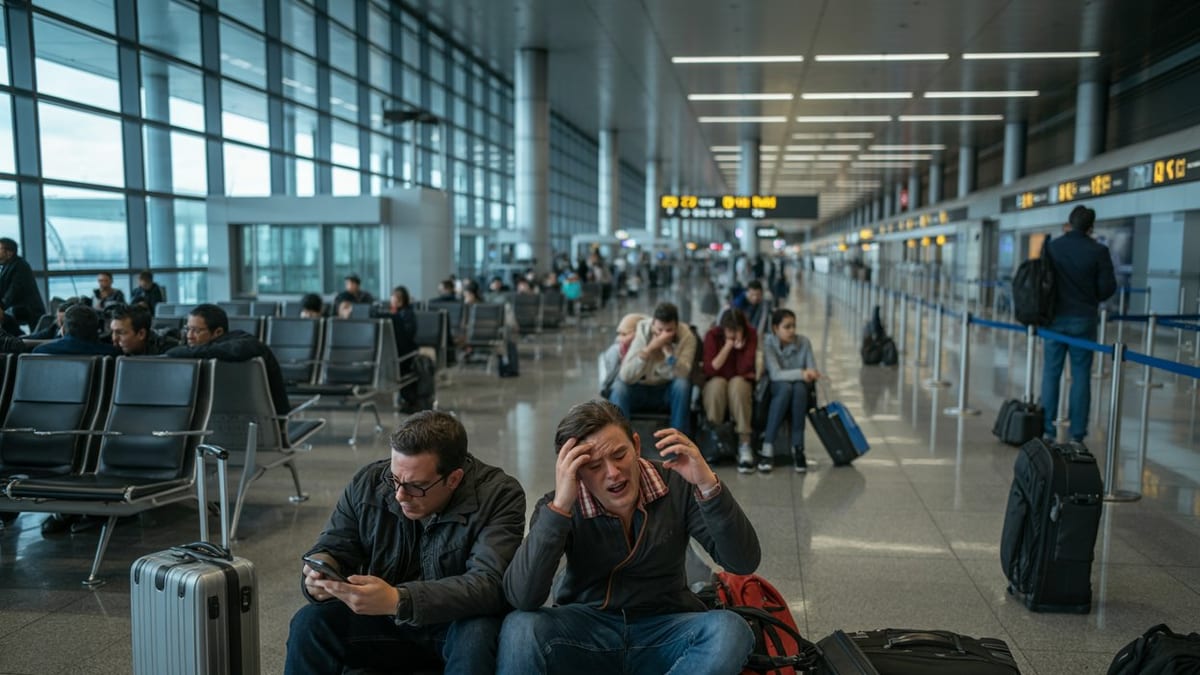
Image by Travel And Tour World
Wave of Cancellations Hits China–Middle East Corridors
Publicly available schedules and airport operation bulletins for late February and March 2026 indicate a marked spike in cancellations on services connecting mainland China with the Middle East. Flights touching Dubai, Abu Dhabi and Riyadh, as well as feeder routes through Shanghai and Beijing, show more than 35 services scrubbed or consolidated over several days, particularly on departures in the first week of March.
Coverage in regional business media describes an elevated cancellation rate on China–Middle East routes for the opening week of March, with Chinese carriers among those most affected as parts of Middle Eastern airspace were temporarily restricted. China Eastern, Air China and China Southern feature prominently on lists of curtailed or rerouted flights, alongside other Asian and Gulf airlines adjusting schedules in response to fast-changing operational conditions.
Operational summaries from major Gulf airports show certain flights between Dubai and Chinese hubs such as Shanghai and Beijing operating on reduced frequencies, while some rotations to secondary cities have been dropped entirely on specific days. These cancellations have rippled into onward connections for passengers transiting through Shanghai Pudong and Beijing Capital, especially those continuing to Southeast Asia and Europe.
Industry analysts note that while many long haul trunk routes have been maintained, the selective cancellation and consolidation of services have created concentrated pockets of disruption for travelers who rely on one or two daily frequencies to complete multi segment itineraries.
Shanghai and Beijing Passengers Bear the Brunt
Travelers in China’s primary aviation gateways, Shanghai and Beijing, appear to be among the hardest hit by the latest round of schedule changes. Reports from domestic travel platforms and Chinese language business press highlight cancellations on flights linking Shanghai with major Middle Eastern hubs and onward destinations, as well as adjustments on Beijing originated services.
Shanghai Pudong, a primary international base for China Eastern and an important station for both Air China and China Southern via codeshare arrangements, has seen multiple flights to Middle Eastern cities removed from timetables on short notice. Passengers booked on through itineraries from Shanghai to Europe or Africa via Dubai and other Gulf hubs have reported unexpected rebookings and extended layovers after their initial sectors were cancelled.
In Beijing, which serves as the main long haul base for Air China, travelers have also encountered cancellations on selected services to the Middle East and connecting Asian cities. Social media posts and forum discussions reference last minute messages about scrapped flights from Shanghai or Beijing to regional destinations such as Tokyo and Bangkok on Chinese carriers, compounding frustration for passengers already coping with long travel days.
Online reviews and traveler discussions suggest that while many affected passengers are being accommodated on later flights or rerouted on partner airlines, communication and self service rebooking tools have not always kept pace with the speed of schedule changes, particularly for those who booked through online travel agencies rather than directly with the airlines.
Knock On Effects for Bangkok, Dubai and Regional Hubs
The cancellations are not limited to point to point travel between China and the Middle East. Network maps and published coverage show that popular regional hubs such as Bangkok and Dubai have become pinch points where cancellations on one leg can cascade into missed onward connections.
In Bangkok, where Chinese airlines compete aggressively on routes to Shanghai, Beijing and other mainland cities, even a modest reduction in frequencies has narrowed options for travelers seeking to connect onward to Europe or the Middle East. Instances of cancelled or retimed services between Bangkok and Chinese hubs have led some passengers to face overnight stays or forced changes to their long haul tickets.
Dubai, one of the world’s busiest international airports, has also experienced a period of irregular operations. Schedules show an evolving pattern of which flights are operating on certain days, with some services to and from Shanghai, Beijing and Guangzhou running as planned and others removed from departure boards during the early March disruption window. Travelers relying on Dubai as a connection point between Asia and Europe or Africa are being urged by travel advisers and airline notices to monitor their bookings closely for changes.
Other nodes in the regional network, including Abu Dhabi, Riyadh and major South and Southeast Asian cities, have been affected to varying degrees when their flights intersect with constrained China–Middle East corridors. As rerouted aircraft and crews are repositioned, knock on delays and equipment swaps have become common across a broad swath of itineraries.
Airlines Roll Out Waivers as Travelers Scramble
In response to the escalating disruption, Chinese carriers have expanded temporary waiver and flexibility policies for impacted routes. Public statements and customer notices indicate that China Eastern, Air China and China Southern are offering free date changes or refunds for certain tickets touching affected destinations, including major hubs such as Dubai and other Middle Eastern cities, during the peak cancellation period.
Travel platforms in China have reported activating emergency support operations to help outbound tourists and business travelers navigate rapidly shifting schedules. These services typically include priority rebooking assistance, guidance on refund eligibility and support in coordinating accommodation when overnight delays are unavoidable.
Despite these measures, traveler accounts on forums and social channels point to a mixed experience. Some passengers describe being rebooked at no extra cost, sometimes on alternative routings or partner airlines. Others report difficulties reaching airline call centers or encountering limited functionality on carrier websites and mobile apps when trying to manage cancelled or heavily delayed flights.
Consumer advocates note that passengers who booked through third party agents may face additional layers of complexity, as they often must work through the intermediary to secure refunds or changes, even when the underlying airline has publicly announced more flexible policies for directly purchased tickets.
What Passengers on Upcoming Flights Should Expect
With airline schedules still in flux for parts of the spring season, travelers booked on China Eastern, Air China, China Southern and partner flights touching Shanghai, Beijing, Bangkok, Dubai and other affected hubs in the coming weeks are being advised by travel experts and public advisories to take a proactive approach.
Recommendations from travel industry commentators include checking flight status and booking details repeatedly in the days before departure, enabling airline app notifications where available, and confirming any codeshare segments directly with the operating carrier. Passengers on complex itineraries that rely on tight connections through Shanghai, Beijing or Dubai may wish to explore options to build in longer layover times or adjust routings if free changes are being offered.
For those yet to book, airfare search data suggests that some routes still have healthy capacity on non affected carriers and alternative hubs, particularly for travelers flexible on departure dates or willing to route via secondary transit points. However, as demand is redistributed away from disrupted corridors, remaining seats on certain peak travel days can sell quickly.
Industry observers caution that while the current wave of cancellations appears to be concentrated in a specific timeframe and set of routes, it underscores how quickly regional developments can cascade into global travel disruption. For passengers moving between China, Southeast Asia and the Middle East, close attention to airline communications and a willingness to adjust plans remain crucial in the weeks ahead.