

More news on this day
China is entering 2026 with a sharply upgraded luxury travel landscape, as new five-star hotels, denser high-speed rail links and a maturing fine-dining scene converge to transform how affluent visitors crisscross the country.
Get the latest news straight to your inbox!
Luxury Demand Surges Amid a Value-Driven Tourism Pivot
Recent data shows China’s tourism sector moving beyond simple volume recovery into what analysts describe as a value and experience led phase. Domestic trips surpassed 5.6 billion in 2024 and spending continued to climb in 2025, signaling that travel is firmly embedded in middle class lifestyles and increasingly geared toward higher quality experiences rather than basic sightseeing alone.
Industry forecasts cited by international tourism bodies indicate travel and tourism could contribute a record level to China’s economy in 2025, supported by tens of millions of jobs and rising leisure spending. Publicly available research on China’s luxury market further suggests that growth at the top end is now driven less by aspirational first time buyers and more by high net worth travelers who prioritize privacy, personalization and authentic experiences.
Analysts following China’s luxury segment note that this shift is reshaping what counts as a premium itinerary. Instead of packed group tours and quick photo stops, affluent travelers are favoring slower, themed journeys tied to wellness, culture, food and nature. This broader consumption pattern underpins the rapid expansion of high end hotels, curated train based itineraries and destination restaurants across China’s most visited regions.
Five Star Openings Recast Urban and Resort Skylines
The hotel sector is one of the clearest markers of China’s luxury travel revolution. A 2025 hotel market forecast projects the overall hotel industry will continue expanding toward a value in the hundreds of billions of dollars by 2033, with international and domestic operators racing to secure prime sites in gateway cities and emerging resort belts.
Beijing, Shanghai, Shenzhen, Chengdu and other major hubs have seen a wave of new ultra luxury flags, from contemporary urban towers to heritage conversions in historic districts. Brands such as Mandarin Oriental, Bulgari, Rosewood and other high end groups have either recently opened new addresses on the mainland or announced additional projects in key cities including Beijing and Suzhou, targeting travelers who expect large suites, destination spas and high design public spaces.
Resort destinations are evolving just as quickly. Coastal provinces and lakefront cities are marketing integrated luxury complexes that combine beachfront or waterfront villas, branded residences, designer retail and wellness facilities. Free trade and duty free zones, especially in places like Hainan, are being positioned as year round playgrounds for high spenders who combine long weekend stays in five star resorts with tax efficient shopping and bespoke excursions into nearby natural landscapes.
Developers are also leaning into experiential design, with more properties built around themes such as tea culture, traditional craftsmanship, contemporary art or Chinese garden aesthetics. For international and domestic guests alike, these hotels increasingly function as curated gateways into the surrounding city or region rather than simply a place to sleep.
High Speed Rail Becomes the New Luxury Corridor
China’s dense high speed rail network is emerging as a defining feature of its 2026 luxury offer. With thousands of kilometers of track already in operation and new lines opening in provinces such as Zhejiang and Fujian, routes linking major cities and scenic areas are shortening travel times to a matter of hours. Recent openings and phased launches on corridors like the Hangzhou to Wenzhou and Longyan to Longchuan lines have strengthened connections between coastal hubs, heritage towns and mountain landscapes.
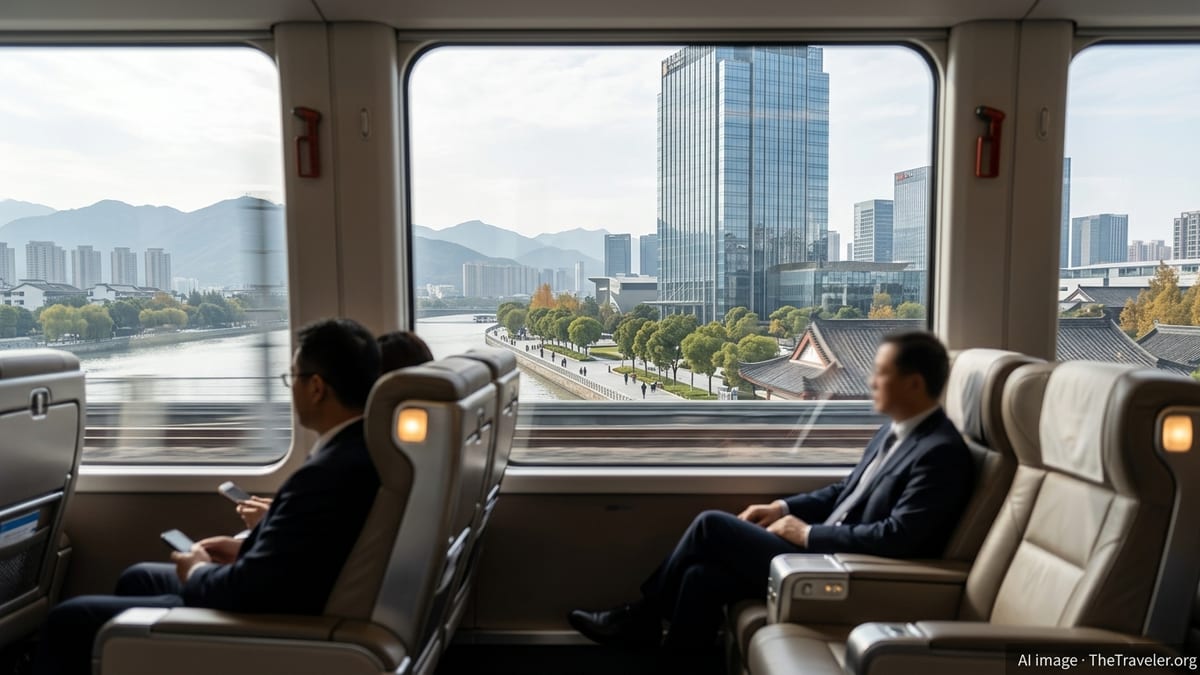
As journey times fall, premium travelers are increasingly trading short haul flights for first class or business class rail seats that provide more legroom, quieter carriages and scenic views. According to published coverage of domestic tourism trends, tour operators and online travel platforms are beginning to package multi city rail based itineraries that connect clusters of luxury hotels, boutique lodges and cultural attractions along a single corridor.
Regional governments are also experimenting with tourism oriented rail projects, including a new generation of intercity lines and dedicated sightseeing services. One example is the medium speed maglev link developed in Guangdong as a tourism line to a major theme park, showcasing how rail technology is being harnessed not only for commuting but also for leisure experiences. For luxury travelers, such projects hint at a future in which a weeklong itinerary might seamlessly combine maglev, high speed rail and chauffeured transfers between five star properties and remote scenic spots.
This rail led model changes the geography of upscale travel. Cities that were once considered secondary are becoming convenient add ons to classic circuits between Beijing, Shanghai and Xi’an, while lesser known coastal towns and mountain counties can now position themselves as weekend retreats reachable by a comfortable, two to three hour ride.
Michelin Guides and Destination Dining Reshape City Breaks
China’s fine dining scene is expanding in tandem with its hospitality and transport infrastructure. Michelin Guides now cover several major mainland cities, and each new edition highlights a growing roster of starred restaurants and Bib Gourmand entries that draw both domestic and international gastronomes. Reports indicate that major food capitals such as Shanghai, Beijing, Guangzhou, Shenzhen and Chengdu are leveraging this recognition to market themselves as culinary destinations in their own right.
For luxury travelers planning 2026 getaways, Michelin rated restaurants are increasingly treated as anchor attractions rather than optional add ons. Itineraries that once revolved around historic sites or shopping districts now routinely include multiday tasting journeys that weave together innovative Chinese tasting menus, regional specialties and pairings that spotlight local tea, baijiu and new wave Chinese wines.
Hotel groups are responding by recruiting high profile chefs, opening signature restaurants and collaborating with acclaimed independents to create chef’s table experiences, seasonal pop ups and farm to table programs. Publicly available information on new hotel projects suggests that many upcoming five star properties in China are designed with multiple high concept dining venues, patisseries and bars intended to compete head on with stand alone restaurants for foodie attention.
This culinary upgrade extends well beyond the top tier. In second and third tier cities, sophisticated bistros and contemporary Sichuan or Cantonese kitchens are appearing in refurbished warehouses, hutong alleys and riverfront promenades, offering travelers a more local flavor that can be easily accessed via high speed rail day trips.
Experience Led Itineraries Define the 2026 Luxury Playbook
Taken together, these developments point to a significant shift in how luxury travel in China is conceived and sold for 2026. Market research on Chinese luxury consumers shows that high net worth travelers are progressively favoring experiences that are rare, meaningful and shareable, rather than purely status driven purchases. In tourism, this translates into itineraries that combine five star comfort with cultural depth and geographic variety.
Package designers are increasingly weaving high speed rail legs between flagship hotels in major cities, secluded resorts in lesser known counties and culinary capitals recognized by international guides. Wellness, nature and heritage experiences, from hot spring retreats and tea mountain hikes to private museum viewings, are layered into these journeys to create a narrative arc rather than a checklist of attractions.
Policy trends are reinforcing this move toward higher value travel. National and local plans emphasize quality upgrades across scenic areas, digital ticketing, smart transport links and international flight connectivity, which together support higher yield segments like luxury, family and meetings related travel. Visa free entry expansions for certain markets and the promotion of duty free and free trade zones add further incentives for affluent visitors to stay longer and spend more.
For travelers considering China in 2026, the result is a destination where a bullet train ride between two tech driven megacities can be framed by nights in landmark hotels, tasting menus at Michelin recognized restaurants and side trips to quiet ancient villages or island resorts. This integration of hardware and hospitality is rapidly turning China into one of the most distinctive luxury travel playgrounds in the world.