

More news on this day
Dozens of services on China Eastern, Air China, China Southern and other Chinese carriers have been pulled from schedules in recent days, disrupting passenger travel on busy routes linking Shanghai, Beijing, Bangkok, Dubai and other key hubs, according to airport data and airline advisories.
Get the latest news straight to your inbox!
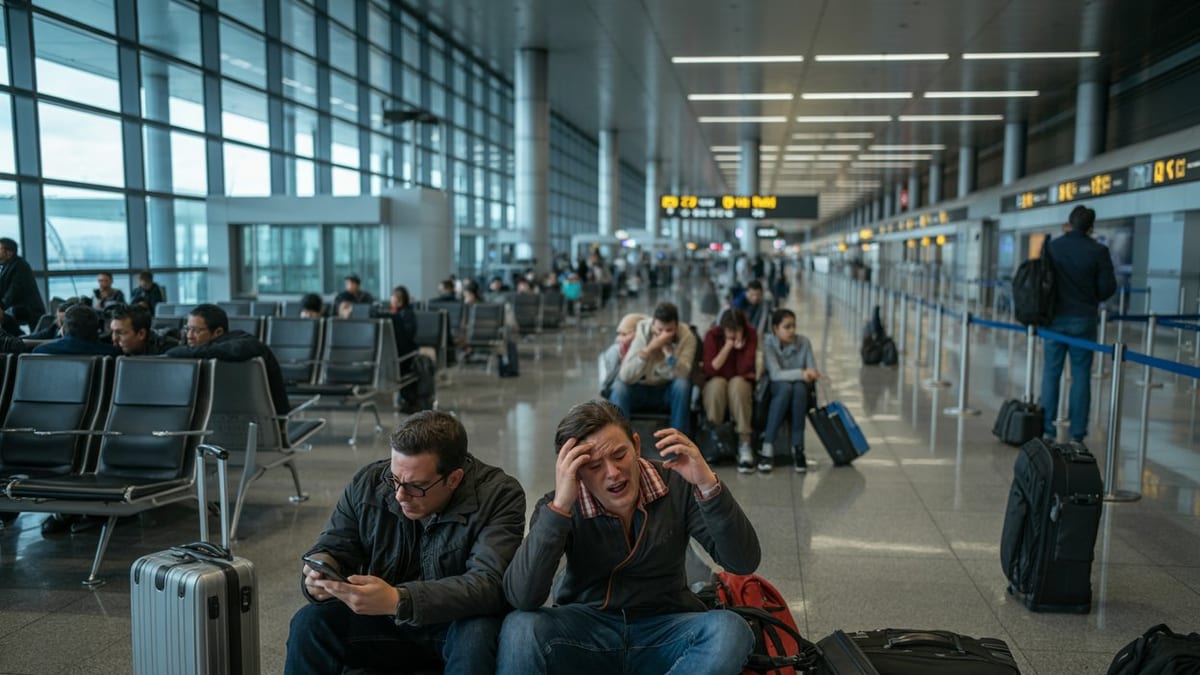
Image by Travel And Tour World
Multiple Chinese Airlines Trim Schedules on Key International Links
Airport timetables, airline notices and traveler reports indicate that more than 35 services involving major Chinese airlines have been cancelled or heavily adjusted across regional and long haul networks. The disruptions are concentrated on routes touching major gateways such as Shanghai Pudong, Beijing Capital, Bangkok Suvarnabhumi and Dubai International, with ripple effects for connecting traffic across Asia, Europe and the Middle East.
Publicly available information shows that China Eastern, Air China and China Southern are among the carriers making near-term cuts or swaps on selected sectors as the industry transitions into the late March schedule change period. The adjustments appear to include outright cancellations, downgauged aircraft and retimed services, which for passengers can translate into missed connections, forced overnight stays or the need to completely re-plan itineraries.
Operational data reviewed for the current travel period suggests that the combined total of cancelled or withdrawn flights across these brands easily exceeds several dozen when domestic feeder legs are included. While the majority of schedules remain intact, the removal of even a small percentage of services on heavily booked days can cause visible crowding at rebooking desks and longer wait times on customer service channels.
The emerging pattern underlines how sensitive regional air travel remains to last minute capacity changes, particularly on trunk routes that funnel passengers between China and key leisure or business markets in Southeast Asia and the Gulf.
Shanghai and Beijing Passengers Face Last Minute Changes
Shanghai and Beijing, China’s two largest aviation hubs, appear to be at the center of many of the recent schedule shifts. Timetable documents and traveler accounts show that a number of China Eastern and Air China services touching these cities have been removed, consolidated or rescheduled, affecting passengers using the hubs for both origin and transfer journeys.
In Shanghai, China Eastern’s long haul and regional banks at Pudong are reported to have seen a series of cancellations or aircraft swaps that reduce available seats on certain days. Some itineraries from secondary Asian cities into Shanghai, timed to connect onto Europe-bound flights, have been zeroed out on selected dates, leaving travelers to accept longer layovers or reroutes via alternative hubs.
In Beijing, adjustments linked to Air China and other mainland carriers have produced similar headaches. Changes to departure times and the withdrawal of specific frequencies mean that passengers booked weeks in advance may now find themselves with misaligned connections or extended connection windows. Travel forums in recent days feature multiple accounts of itineraries involving Beijing being reissued after one leg of a multi–segment trip disappeared from the schedule.
These developments come at a time when demand through both Chinese megahubs has been strengthening into the spring travel season, leaving limited spare capacity to absorb displaced travelers on peak days.
Bangkok and Dubai Feel the Knock-On Effects
The disruption is not confined to Chinese airports. Bangkok and Dubai, two of the busiest international transfer points in Asia and the Middle East, are also experiencing the knock-on effects of Chinese carrier schedule changes. Both cities rely heavily on consistent frequencies from Chinese airlines to feed regional tourism and long haul connections.
Passenger reports and airport operational summaries for March show instances where flights linking Chinese cities with Bangkok or Dubai have been withdrawn, reduced or shifted to different days of operation. When a Chinese airline cancels a single rotation on these city pairs, the result can be an entire day without a non-stop option on that carrier for affected passengers.
In Bangkok, where travel between Thailand and China has been recovering, the loss of even a small number of rotations can complicate trips for holidaymakers and tour groups that rely on block-booked seats. Tour operators are sometimes forced to re-accommodate large parties onto alternative airlines at short notice when a scheduled charter-style movement disappears from the timetable.
Dubai, a major connector between Asia, Europe and Africa, is similarly exposed. While Gulf carriers provide extensive alternatives, Chinese airline flights can be the preferred or contracted option for certain corporate and group travelers, meaning cancellations require renegotiation of plans, travel budgets and, in some cases, visa timing.
Travelers Report Confusion Over Notifications and Rebooking
Alongside the raw numbers of cancellations, traveler experiences shared on online forums highlight recurring confusion around how schedule changes are communicated and handled. In several recent cases involving Air China and China Eastern, passengers reported discovering cancellations or significant time shifts only when manually checking reservations, rather than through proactive alerts they expected to receive.
Some customers also describe challenges when itineraries were purchased through third party booking platforms. Public posts indicate situations in which online agencies were slow to process airline-initiated changes, leaving travelers unsure whether their tickets were still valid or whether they needed to contact the carrier directly. This added uncertainty for those already concerned about tight connections through Shanghai or Beijing.
Industry guidance generally recommends that, when a cancellation is initiated by the airline, travelers are entitled to a choice of rebooking or refund according to the fare rules and local regulations. However, the practical experience can vary depending on whether tickets were issued directly by the airline or through intermediaries, and how quickly each party updates its systems following a schedule change.
The current wave of adjustments among Chinese carriers is therefore shining a spotlight on longstanding friction points in the rebooking process, from inconsistent notification practices to limited self-service options for complex multi–segment itineraries.
What Passengers on China Routes Should Do Now
With further tweaks to late March and early April schedules still possible, travelers with upcoming flights involving China Eastern, Air China, China Southern or partner airlines are being advised by consumer advocates to monitor their bookings closely. Checking reservations directly on the airline’s website or app, where possible, can reveal changes that may not yet be reflected in third party tools.
Experts in air passenger rights note that, when an airline cancels a flight, affected travelers typically have the option to accept an alternative routing, move to a later date, or request a refund for the unused portion of their journey. The exact remedies depend on the ticket type and the jurisdictions involved, but understanding these options early can provide more leverage when negotiating new arrangements.
For itineraries connecting via Shanghai, Beijing, Bangkok or Dubai, passengers are also encouraged to pay close attention to minimum connection times. A retimed inbound flight that arrives later than originally planned may still appear on the same ticket, yet leave only a narrow window to clear formalities and reach the onward gate, particularly at large hubs where walking distances and security queues can be significant.
As Chinese airlines continue to fine tune their networks for the new season, further isolated cancellations are possible, even if the broader recovery in Asia–Pacific travel remains intact. For now, the combination of more than 35 recently withdrawn flights and imperfect notification processes is enough to create a fresh round of travel chaos for those caught between tightening schedules and full aircraft.