

More news on this day
Hundreds of travelers at Cincinnati/Northern Kentucky International Airport faced an abrupt halt to their plans this week, as multiple flights to New York, Miami and Orlando were cancelled with little warning amid wider disruptions across the U.S. air network.
Get the latest news straight to your inbox!
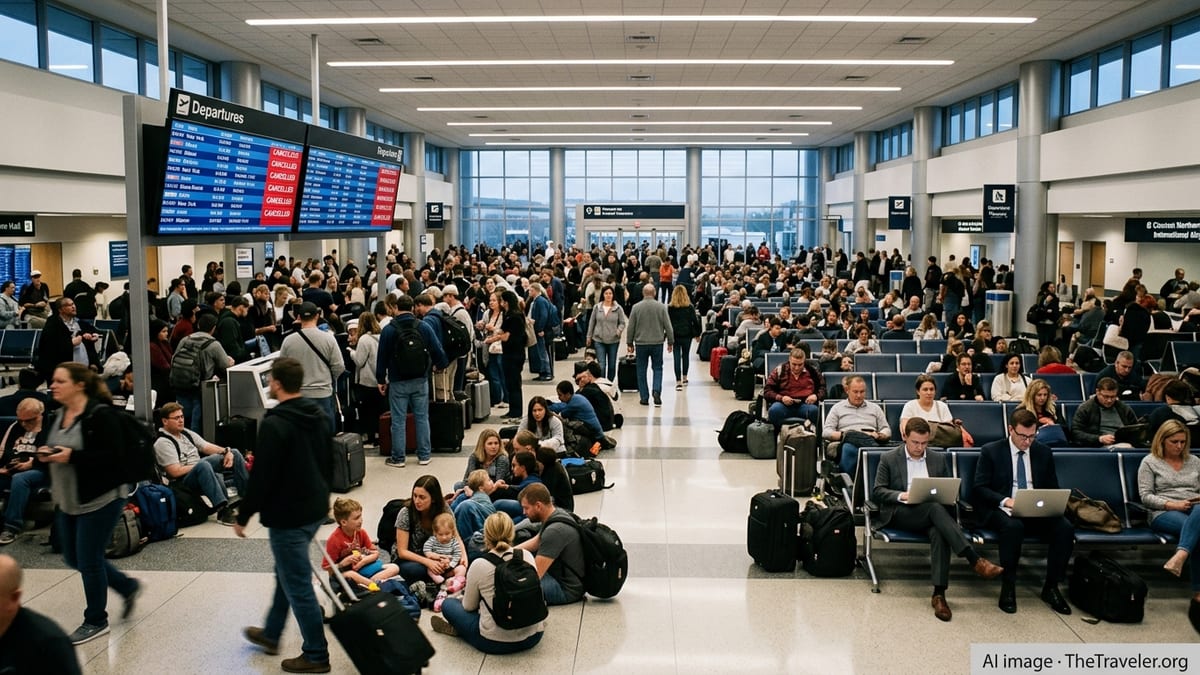
Mass Cancellations Hit Key East Coast and Florida Routes
Flight-tracking data and airline status boards on Wednesday showed a cluster of cancellations from Cincinnati to major hubs in the Northeast and Florida, including New York City, Miami and Orlando. The affected services included both morning and afternoon departures, disrupting business trips, family holidays and connecting itineraries that relied on these high-demand routes.
The disruption at Cincinnati comes as the broader U.S. system continues to recover from repeated bouts of severe winter weather and operational strain in March 2026. Nationally, published coverage has documented more than a thousand cancellations and thousands of delays on some days this week, particularly at large coastal hubs that feed traffic through airports like Cincinnati.
Passengers bound for New York reported losing access to flights serving the city’s major airports, while southbound travelers found limited alternatives into Miami and Orlando as other services quickly filled. With spring travel ramping up, the timing has magnified the impact, leaving many stranded overnight in the terminal or forced to seek last-minute ground transportation.
Publicly available information from airlines suggests the Cincinnati cancellations are part of a broader pattern of proactive schedule cuts intended to reduce knock-on delays, rather than the result of a single local incident. Even so, the effect for travelers on these particular routes has been severe.
Why Cincinnati Became a Flashpoint
Cincinnati/Northern Kentucky International Airport sits at a key crossroads in the U.S. domestic network, feeding traffic between the Midwest and major coastal destinations. Flights to New York, Miami and Orlando are especially important for both business and leisure travel, connecting the region to financial centers and Florida’s tourism hubs.
When weather systems or staffing issues disrupt operations at large East Coast airports, the ripple effects reach mid-continent gateways such as Cincinnati. Recent storms and high winds in the Northeast, along with lingering congestion from earlier winter events, have periodically reduced arrival and departure capacity into New York and Florida. In response, carriers have trimmed feeder flights from cities like Cincinnati to avoid aircraft and crew becoming trapped in gridlock at the destination.
Industry analyses of previous disruption waves show that secondary hubs often absorb a disproportionate share of cancellations when airlines must rebalance networks quickly. Short-haul routes that operate several times a day, including many Cincinnati connections to New York area airports, are more likely to be removed from the schedule than less frequent long-haul services. This pattern appears to be repeating, leaving Cincinnati-origin passengers with fewer options and tighter competition for remaining seats.
At the same time, strong demand for Florida travel during late winter and early spring has constrained the ability of airlines to rebook passengers from canceled Cincinnati flights. With Miami and Orlando already handling heavy traffic and weather-related delays of their own, spare capacity to absorb additional travelers has been limited.
How Stranded Travelers Are Coping
Scenes from Cincinnati on Wednesday showed long lines at airline service counters and crowded gate areas as passengers waited for updates. Social media posts described travelers sleeping in chairs, searching for scarce power outlets and watching flight status boards cycle through fresh cancellations and delays.
According to publicly available airline policies, passengers whose flights are canceled are generally entitled to either a refund or rebooking on the next available service, subject to seat availability. In practice, however, the high demand on routes to New York, Miami and Orlando has meant that “next available” can stretch into a day or more of waiting, especially for larger groups or those requiring specific connection windows.
Some travelers have opted to reroute through alternative hubs, accepting longer itineraries or additional stops to reach their destinations. Others have turned to rental cars, particularly for trips to nearby cities or to connect to flights from larger airports within a day’s drive. Reports from regional highways indicate increased traffic from would-be flyers making last-minute overland journeys after giving up on same-day air options.
Travel forums and consumer advocacy resources emphasize that passengers should document all expenses incurred while stranded, including meals and lodging, in case partial reimbursement is later offered. However, in weather-related or systemwide disruption scenarios, airlines are not always obligated to cover hotels or incidental costs, leaving many travelers to shoulder those expenses themselves.
What Travelers Flying From Cincinnati Should Do Now
For those with upcoming departures from Cincinnati to New York, Miami or Orlando, the immediate priority is to monitor flight status closely. Airline apps, airport information displays and customer-notification systems have been updating schedules repeatedly as carriers adjust to evolving conditions across the network.
Travel experts recommend that passengers check their bookings several times in the 24 hours before departure, and again before leaving for the airport. Same-day schedule changes remain a possibility while airlines work through crew rotations, aircraft positioning and lingering weather issues affecting East Coast and Florida hubs.
Passengers who see their flights canceled in advance may have more options than those notified at the gate. Rebooking early can increase the chance of securing remaining seats on alternative routings, including connections through other Midwest or Southern hubs. Travelers who can be flexible with departure times, routes or even destination airports within the same region may find it easier to complete their journeys.
Those already stranded at Cincinnati are advised, where possible, to contact airlines through multiple channels, including mobile apps and call centers, rather than relying solely on airport counters that may be overwhelmed. In addition, reviewing the fine print of ticket conditions and customer service plans can clarify eligibility for refunds, meal vouchers or hotel discounts, although these benefits vary by carrier and by the cause of disruption.
Looking Ahead: Ongoing Volatility in U.S. Air Travel
The sudden wave of cancellations at Cincinnati highlights the fragility of U.S. air travel during periods of intense weather and operational stress. Even when skies are clear locally, conditions at distant hubs such as New York, Miami and Orlando can reverberate through the network, leaving passengers far from the storm epicenter stranded and confused.
Recent seasons have seen repeated examples of large-scale disruptions triggered by a combination of extreme weather, air traffic control constraints and tight airline staffing. Analysts note that while carriers have improved some aspects of reliability, the system remains vulnerable to cascading failures when multiple pressure points align.
For travelers, that means building extra resilience into their plans. Allowing more time for connections, avoiding the last flight of the day where possible, and considering travel insurance or refundable fares on critical trips can help cushion the impact of sudden cancellations like those experienced in Cincinnati this week.
While operations at Cincinnati are expected to stabilize as airlines work through delayed equipment and crews, the episode serves as another reminder that U.S. air travel is likely to remain volatile through the remainder of the winter and early spring period, particularly on popular corridors linking the Midwest with New York and Florida’s busiest airports.