

More news on this day
Classic Harbor Line is preparing for a busier 2026 season across New York Harbor and coastal New England, with expanded classic-yacht capacity in Newport and new itinerary plans that industry observers say are well-timed with rising demand for small-ship and heritage-style cruising.
Get the latest news straight to your inbox!
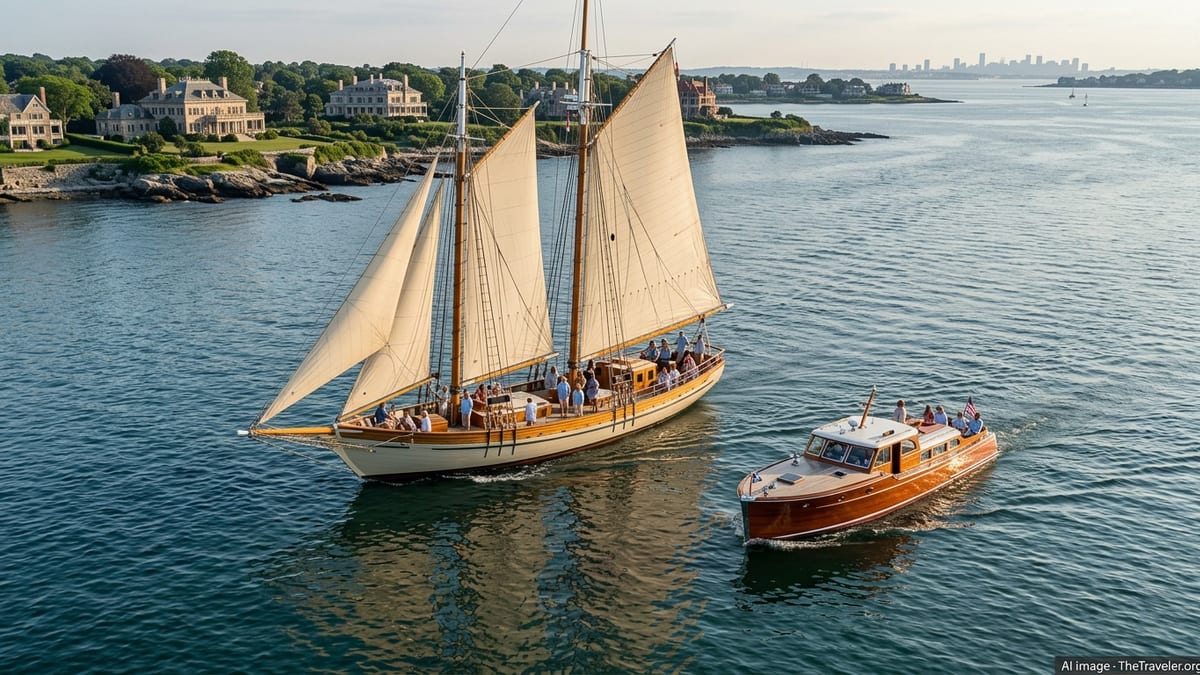
Expanded Classic Yacht Capacity in Newport
Publicly available company information shows that Classic Harbor Line, through its Newport Classic Cruises brand, has steadily grown its presence in Newport, Rhode Island, over the past several years, adding to a fleet of traditionally styled sailing vessels and small yachts based along Bannister’s and Bowen’s Wharves. The introduction of the 88-foot schooner Adirondack IV to the Newport fleet for the 2025 season is expected to carry through into 2026, increasing the number of berths available for scenic harbor sails and Narragansett Bay excursions during peak summer months.
Reports on recent seasons indicate that Newport Classic Cruises now operates multiple signature vessels, including classic sailing sloops and schooners alongside the motor yacht Rum Runner II, a Prohibition-era style cruiser that has become a familiar sight on sunset and lighthouse trips. The expanded fleet allows more frequent departures at sunset and mid-day, which tour operators in the region describe as a crucial factor for serving larger numbers of day-trippers and cruise passengers arriving by tender.
Travel trade schedules for 2026 group itineraries into Newport already highlight harbor cruises as a key component of short-port calls, underscoring how increased small-vessel capacity is feeding directly into the wider visitor economy. Motor coaches bringing visitors for mansion tours or the cliff walk are increasingly pairing those land activities with time on the water aboard classic yachts, creating bundled experiences that are marketed as distinctly “Newport” rather than generic harbor sightseeing.
Local tourism planners point to the combination of historic shoreline architecture, working marinas and preserved lighthouses as a backdrop that particularly suits Classic Harbor Line’s traditionally inspired vessels. The company’s decision to sustain and grow its Newport fleet into 2026 is being viewed as a vote of confidence in the destination’s ability to attract higher-spend, experience-focused travelers.
New York Harbor Adds Larger Schooners for 2026 Demand
In New York City, Classic Harbor Line’s core base, the fleet has been reinforced by the recent delivery of Adirondack IV, a larger all-wood schooner designed for up to 74 guests on sightseeing and architecture-focused sails. According to published coverage of the 2025 season, the vessel was introduced for New York Harbor departures before being mirrored in the Newport operation, signaling a broader strategy to standardize capacity across key ports.
The New York fleet, which includes well-known vessels such as the schooner America 2.0 and the salon-style yachts Manhattan I and Manhattan II, is heavily used for skyline cruises, harbor lights sailings and themed voyages centered on the Statue of Liberty and Brooklyn waterfront. With visitation and ferry ridership in the harbor rebounding in recent years, the presence of a higher-capacity schooner provides additional flexibility to meet group and charter demand in 2026 while maintaining the small-yacht feel that differentiates these trips from larger tour boats.
Industry observers note that New York’s harbor tourism is diversifying as city agencies and private operators roll out new routes and cleaner propulsion technologies. Against that backdrop, the expansion of a heritage-style sailing fleet is seen as complementing more utilitarian commuter and excursion services. For Classic Harbor Line, the ability to host both intimate sails and larger charter events on traditionally styled vessels positions the company to capture a broad slice of the growing waterfront leisure market.
Tourism analysts tracking New York’s post-pandemic recovery describe harbor cruises as an important component of the city’s visitor portfolio, particularly for first-time travelers who may only have a day or two to take in the skyline. Additional classic-yacht capacity in 2026 is expected to support that segment, with ripple effects for waterfront dining, attractions along the Hudson and East Rivers, and overnight stays in nearby districts.
Nantucket and Coastal New England See Rising Small-Ship Interest
While Classic Harbor Line has not publicly detailed the same level of fleet deployment around Nantucket as in Newport and New York, travel industry data for coastal New England indicate a clear uptick in demand for small-vessel excursions and inter-island links through at least 2028. Ferry operators serving Nantucket have already announced plans to expand high-speed capacity, and tour catalogs for 2026 feature more lighthouse, harbor and sunset sailings throughout the region.
Within that environment, Classic Harbor Line’s fleet growth along the southern New England coast is viewed as part of a broader trend toward more flexible, heritage-focused cruising. Travelers who once might have booked only a large-ship itinerary are increasingly combining a shorter coastal cruise with independent stays in harbor towns, seeking out locally run sailing trips and vintage-style yachts for closer-to-the-water experiences.
Destination marketers across Cape Cod, Rhode Island and the islands highlight the appeal of wooden schooners and retrofitted classic yachts as a visual counterpoint to larger ferries and cruise ships. Classic Harbor Line’s emphasis on traditionally inspired design, varnished woodwork and low-slung profiles taps that aesthetic, and the company’s decision to concentrate assets in this corridor positions it to benefit as more visitors target smaller ports such as Nantucket for multi-night stays.
For travel planners building 2026 and 2027 itineraries, the combination of expanded high-speed ferry capacity, growing harbor tour offerings and a reinforced classic-yacht presence adds variety to coastal New England programs. This mix makes it easier to construct trips that move at a slower pace once in port, emphasizing scenery and local storytelling rather than only point-to-point transport.
Economic and Tourism Impact Along the Northeast Coast
Economic development studies of harbor tourism in the Northeast consistently point to small-vessel cruising as a catalyst for spending in restaurants, boutiques and cultural attractions within easy walking distance of the dock. In ports such as Newport and New York, Classic Harbor Line’s expanded fleet presence for the 2026 season is expected to deepen this effect by increasing both the number and frequency of departures during peak periods.
Business groups in New England report that harbor cruises are particularly valuable because they encourage visitors to stay into the evening, turning a day trip into a dinner reservation or additional overnight. Sunset sails and late-day lighthouse trips aboard classic yachts align with this pattern, helping to smooth out demand across the afternoon and evening and reducing pressure on midday attractions.
The focus on smaller vessels also aligns with local conversations about managing visitor volumes in compact historic districts. Compared with large ocean-going cruise calls, classic-yacht operations generally move passengers in dozens rather than thousands, distributing arrivals over multiple departures. Analysts following tourism-management debates along the New England coast note that this shift supports growth in visitor numbers while moderating congestion on streets and at popular landmarks.
As 2026 planning accelerates, travel advisors indicate that classic-yacht excursions are increasingly being framed as a premium but accessible add-on to itineraries that may already feature mansion tours, walking routes and culinary experiences. Classic Harbor Line’s expanded capacity in Newport, Nantucket-proximate waters and New York Harbor places the operator at the center of this evolving coastal tourism model, where time on the water is positioned as an essential part of experiencing the destination rather than an optional extra.