

More news on this day
Travelers moving through Cleveland Hopkins International Airport on Friday, April 3 faced a choppy start to the weekend as at least 10 flights were canceled and 35 delayed, disrupting key routes to Fort Lauderdale, Chicago and the Washington, D.C. area across multiple carriers.
Get the latest news straight to your inbox!
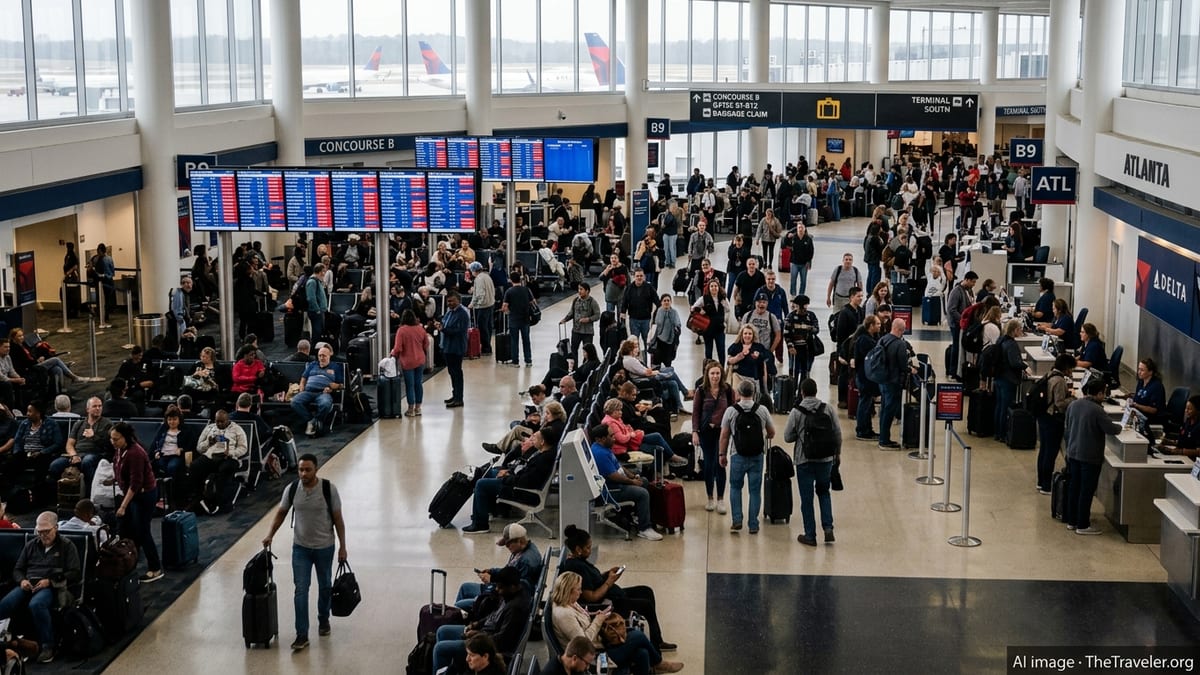
Multi Airline Disruptions Ripple Through Cleveland
Publicly available flight tracking data for Cleveland Hopkins on April 3 indicate that disruptions affected a cross section of airlines, including Spirit Airlines, Frontier Airlines, Envoy Air and United Airlines. Regional operators and additional carriers also appeared among the affected departures and arrivals, underscoring how even a modest number of cancellations can reverberate through a medium sized hub.
The tally of at least 10 cancellations and around 35 delayed flights placed Cleveland within a broader national pattern of irregular operations, with tracking sites showing several hundred cancellations and thousands of delays across the United States on the same day. While Cleveland did not register the country’s heaviest disruption totals, the concentration of problems on a limited number of routes and departure banks magnified the impact for local travelers.
According to published coverage summarizing April 3 activity, network carriers and low cost airlines alike have been contending with rolling operational challenges this spring, from weather driven constraints to knock on effects in aircraft and crew availability. Cleveland’s role as a connecting point for several Midwest and East Coast markets has made the airport sensitive to disturbances at larger hubs.
Airport data and route maps show that Cleveland Hopkins connects to nearly 70 cities in North America, with a high density of frequencies to Chicago, Washington and Florida. Even a relatively small wave of disrupted flights can therefore lead to missed connections and extended travel days for passengers whose journeys depend on tightly timed links through these corridors.
Fort Lauderdale and Florida Bound Flyers See Plans Upended
Among the routes most visibly affected on April 3 were services between Cleveland and South Florida, including flights to Fort Lauderdale. Flight listings and status boards for the day showed cancellations and prolonged delays on some southbound departures, including services operated by ultra low cost carriers that are popular with leisure travelers heading to the beaches or cruise departures.
Reports indicate that several Florida bound flights from Cleveland operated significantly behind schedule, aligning with wider day of disruption patterns on certain airlines serving the state. Earlier spring operations have already been strained by strong demand, tight aircraft utilization and weather related congestion at large Florida airports, and those pressures appeared to resurface in a more localized way for Cleveland travelers on Friday.
For passengers, the timing of these issues was particularly unwelcome, striking at the start of a weekend travel window and overlapping with spring break periods in parts of the Midwest. Families and vacationers relying on nonstop services to Fort Lauderdale faced the prospect of shortened trips, missed hotel check in times or the need to secure last minute rebooking through other hubs.
Consumer guidance circulated in recent weeks has emphasized the importance of monitoring day of status closely on Florida routes and building extra connection time into itineraries when possible. The April 3 irregular operations at Cleveland provide another example of how a limited number of affected flights can reshape travel plans on high demand leisure corridors.
Chicago and Washington Corridors Feel the Strain
The Cleveland to Chicago and Cleveland to Washington corridors, which rank among the airport’s busiest business and connecting routes, were also touched by Friday’s disruptions. Schedules published for early April show more than one hundred weekly flights between Cleveland and Chicago, primarily to O Hare, and frequent service to both Washington National and Washington Dulles.
On April 3, flight status boards reflected delays on several of these departures and arrivals, including operations by United Airlines and its regional partners, along with other carriers serving the same city pairs. Even when scheduled frequencies remain intact, clusters of 30 to 90 minute delays can complicate onward connections and increase congestion at gates during peak periods.
Industry data and recent analytical reports on airport performance note that Chicago and Washington area airports often experience volume driven bottlenecks and weather related capacity reductions in spring. When those hubs implement arrival or departure management programs, ripple effects can extend quickly to spoke airports such as Cleveland, particularly during morning and late afternoon banks.
Travelers on April 3 faced the familiar tradeoff of either risking tight connections at intermediate hubs or accepting rebooked routings that extended total travel time. For some business flyers, the combination of delays in and out of Cleveland and crowded schedules at major hubs likely translated into missed meetings or the need to shift plans into weekend days.
Operational and Weather Backdrop Fuels Spring Volatility
The disruptions at Cleveland Hopkins on April 3 did not occur in isolation. Published analyses of national air travel trends highlight a volatile start to 2026, shaped by lingering knock on effects from a significant March blizzard in parts of the United States, intermittent storms across the Midwest and Mid Atlantic, and the industry’s continued push to match strong demand with finite fleets and staffing.
In the weeks leading up to April, weather systems impacted airports in the Upper Midwest and Great Lakes region, creating backlogs that carriers worked to clear as spring schedules ramped up. When combined with aircraft out of position and tightly timed crew assignments, even moderate new constraints at key hubs can quickly cascade into downstream cancellations and delays at airports like Cleveland.
Regulatory and policy developments have added further context for travelers. Updated federal consumer protection rules for 2026 emphasize passenger entitlements for significant delays and cancellations under certain circumstances, and advocacy materials and airline specific guidance documents circulating this spring encourage passengers to understand compensation, refund and rebooking options when flights are disrupted.
Operationally, airlines at Cleveland have been adjusting schedules, swapping aircraft and occasionally consolidating lightly booked departures to absorb disruptions. While these steps can stabilize the broader network, they also increase the likelihood that a given traveler will experience a changed itinerary, longer layover or late arrival, particularly on busy routes to Chicago, Washington and Florida.
What Cleveland Passengers Can Expect Next
For travelers using Cleveland Hopkins in the coming days, patterns seen on April 3 suggest a continued need for flexibility. With national tracking data pointing to ongoing pockets of congestion across the United States, any weather shift or air traffic management initiative affecting Chicago, Washington or Florida airports can again spill over into the Cleveland schedule.
Public information from aviation data providers indicates that early morning and late afternoon banks remain the most vulnerable to knock on effects, given their reliance on aircraft and crew arriving on time from earlier flights. Passengers with connections through O Hare, Washington National, Washington Dulles or Fort Lauderdale may be particularly exposed if their first leg from Cleveland encounters even a short delay.
Travel experts cited in recent coverage recommend practical steps such as booking longer connection windows on critical trips, traveling with essential items in carry on bags in case of missed links, and keeping a close eye on airline apps and airport display boards on the day of departure. The Cleveland disruptions on April 3 reinforce the value of those precautions, especially during a spring travel season characterized by strong demand and limited slack in airline operations.
While the scope of Friday’s cancellations and delays at Cleveland Hopkins was modest compared with national totals, the concentration on routes to Fort Lauderdale, Chicago and Washington illustrates how even a few dozen affected flights can significantly reshape travel days for hundreds of passengers. With further growth in schedules expected into the summer, travelers from Northeast Ohio may continue to encounter intermittent turbulence in the form of last minute schedule changes and rolling delays.