

More news on this day
Travelers across Colombia are grappling with fresh disruption after Avianca, United Airlines, Iberia, and JetBlue canceled more than a dozen flights this week, affecting busy routes linking Bogota, Medellin, Cali, Cartagena, and other key cities with Madrid and major U.S. hubs.
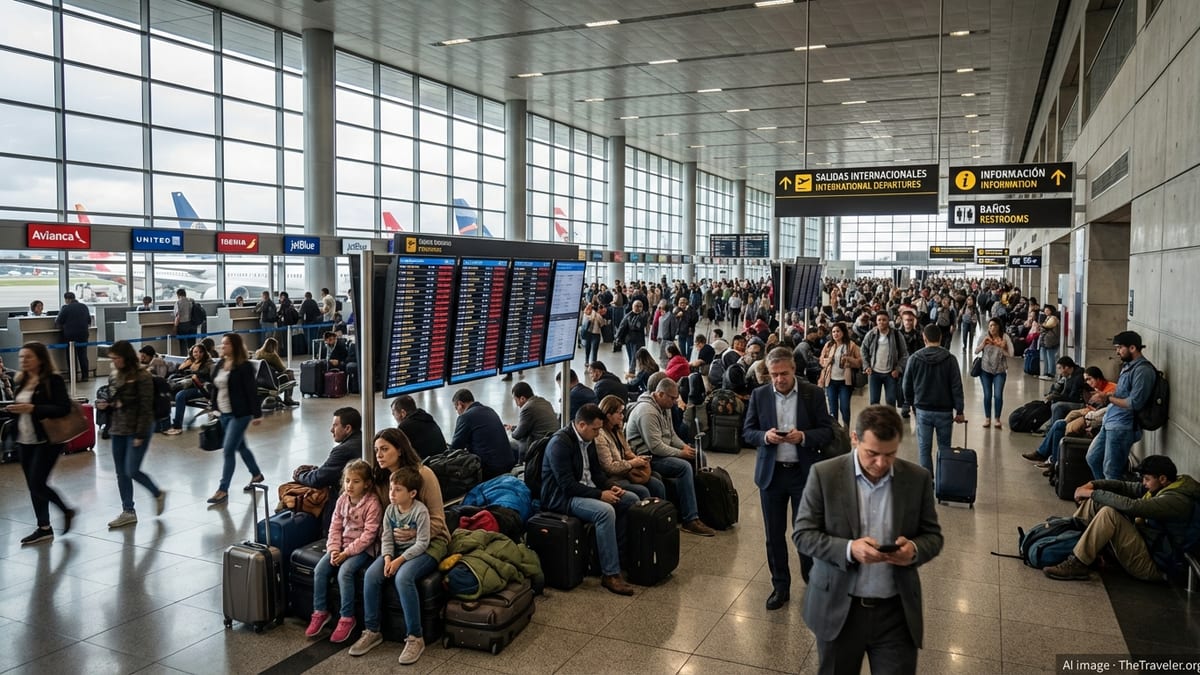
Wave of Cancellations Hits Colombia’s Busiest Gateways
The latest round of disruption, centered on operations from February 23, has seen at least 13 flights scrapped across Colombia’s main international airports. El Dorado International Airport in Bogota, Jose Maria Cordova International near Medellin, and Rafael Nunez International in Cartagena have reported cancellations that cut connectivity to both North America and Europe.
Routes hardest hit include services to Madrid, a crucial long-haul link for Colombian travelers, as well as flights to major U.S. gateways such as New York, Newark, and Washington Dulles. The affected services, operated by a mix of Colombian and foreign carriers, underscore how tightly Colombia’s international air network is woven through a small number of heavily used corridors.
While some adjustments were anticipated due to seasonal schedule changes, the scale and clustering of cancellations over a short period took many passengers by surprise. With aircraft and crews already tightly allocated, even limited disruptions have quickly cascaded into longer waits, missed connections, and forced overnights for travelers in transit.
Avianca and Iberia Under Pressure on Madrid and Domestic Links
For Avianca, Colombia’s largest carrier, the latest cancellations add to a challenging start to the year marked by heavy demand and limited slack in its network. The airline has trimmed or canceled a number of departures touching major domestic cities such as Bogota, Medellin, Cali, and Cartagena, as well as some regional links that feed into long-haul routes.
Madrid flights have been particularly sensitive. Iberia and Avianca both rely on the Spain Colombia corridor as a cornerstone of their transatlantic business, serving not only point to point traffic but also onward connections across Europe and Latin America. Even a small number of scrubbed rotations on this route can leave hundreds of passengers seeking alternatives on already busy services.
Domestic knock on effects are also being felt. When long haul departures are canceled or retimed, Avianca often must rework feeder flights that bring passengers from cities such as Cali, Cartagena, and Santa Marta into Bogota and Medellin. The result has been a patchwork of last minute schedule changes, rebookings, and occasional gaps where no same day alternative is available.
United and JetBlue Adjust Service to U.S. Hubs
United Airlines and JetBlue have both confirmed operational adjustments affecting flights between Colombia and key U.S. hubs, including New York area airports and Washington Dulles. These links are vital for business travelers, tourists, and members of the Colombian diaspora who depend on regular nonstop service to the northeastern United States.
United’s cancellations have been concentrated on flights connecting Bogota with Newark and Washington, routes that typically carry a high proportion of connecting traffic onto the carrier’s broader domestic and transatlantic network. When a single leg is canceled, it can disrupt onward journeys for passengers heading to numerous U.S. destinations on the same ticket.
JetBlue, which has expanded significantly in Latin America in recent years, has also scaled back selected departures linking Colombian cities with New York. Tight aircraft utilization and weather related challenges at U.S. hubs earlier in the month have left little margin to absorb additional disruptions, contributing to the current wave of cancellations and same day schedule reshuffles.
Passengers Face Long Queues, Limited Options, and Rising Costs
For travelers, the immediate impact has been felt in crowded terminals, long queues at airline desks, and limited rebooking options on alternative flights. With many services already operating close to capacity, finding spare seats on the same day or even next day has proven difficult, especially for groups and families traveling together.
Reports from Bogota and Medellin describe passengers lining up for hours to secure new itineraries or vouchers, while others have turned to last minute hotel bookings as unplanned overnight stays became unavoidable. Some travelers with time sensitive commitments, including business meetings and cruise departures, have resorted to buying new tickets on competing carriers at significantly higher prices.
The disruption has also rippled through Colombia’s domestic tourism sector. Cities such as Cartagena and Cali, which depend heavily on steady inflows of international visitors, may see short term cancellations of hotel reservations and tours as travelers abandon or shorten their trips in response to flight uncertainty.
Airlines Urge Passengers to Monitor Flights and Use Digital Tools
Airlines involved in the disruption are advising passengers with upcoming travel to and from Colombia to monitor their flight status closely in the 24 to 48 hours before departure. With schedules subject to rapid change, carriers are increasingly relying on mobile apps, text alerts, and email notifications to push real time updates directly to customers.
Passengers are being encouraged to ensure their contact details are up to date in airline profiles and bookings, and to check in online as early as possible. Many carriers now allow certain changes and same day rebookings to be processed digitally, which can help travelers avoid queues at the airport if a cancellation or significant delay occurs before arrival at the terminal.
Industry observers note that Colombia’s air travel demand has rebounded strongly, but capacity remains finely balanced, leaving networks vulnerable to operational strains, adverse weather, and infrastructure constraints. This latest spate of cancellations serves as a reminder that even a brief disruption can quickly magnify in a system running close to its limits, and that flexibility remains essential for anyone planning to travel on some of the country’s busiest international routes.