

More news on this day
Colombia’s renowned Salt Cathedral of Zipaquirá, one of the country’s most visited attractions near Bogotá, has come under closer scrutiny as inspections and reviews focus attention on safety protocols, crowd management, and visitor services at the underground complex.
Get the latest news straight to your inbox!
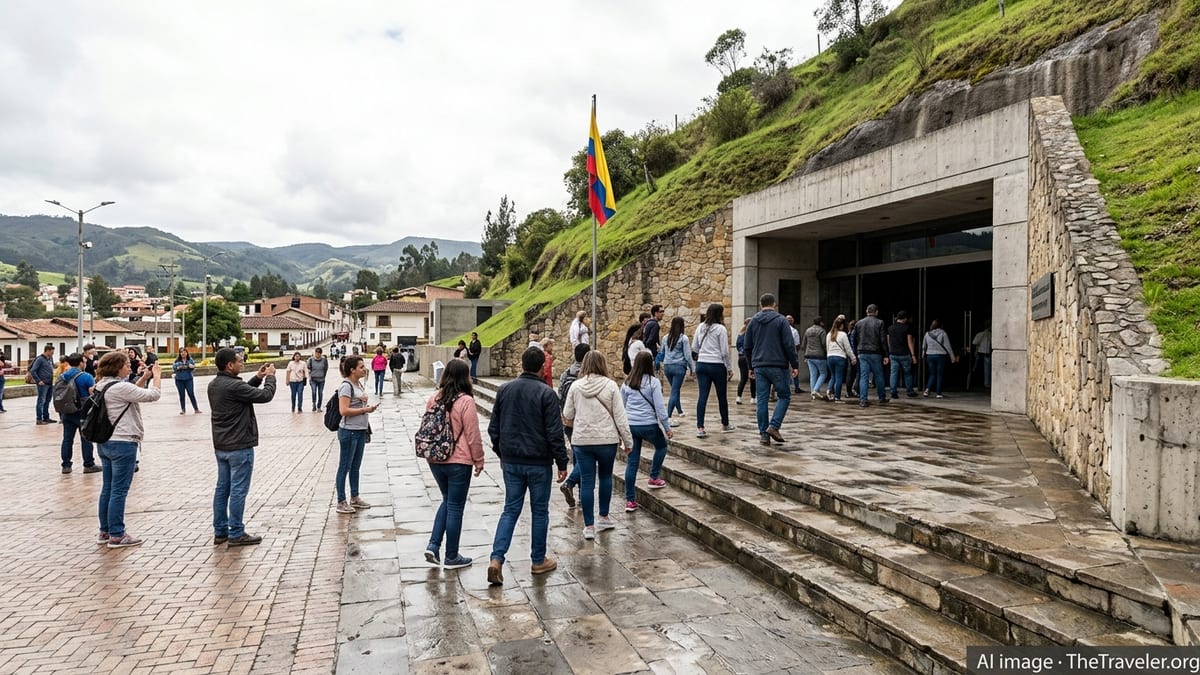
Why the Salt Cathedral Is Drawing Fresh Scrutiny
The Salt Cathedral of Zipaquirá, a Roman Catholic sanctuary carved into a former salt mine 180 meters underground, has long been promoted in guidebooks and tour brochures as a must-see day trip from Bogotá. Recent coverage in Colombian and international media has highlighted renewed attention on how the site manages growing visitor numbers and complies with evolving safety and tourism standards.
Reports indicate that Colombian tourism bodies and local operators are reviewing conditions at high-traffic destinations, including Zipaquirá, as international arrivals to Colombia continue to recover and surpass pre-pandemic levels. Publicly available information from tour operators and festival organizers planning events in 2026 shows that the Salt Cathedral remains fully integrated into itineraries, while also noting the need to follow on-site security and emergency protocols.
Travel advisories for Colombia from foreign governments do not currently single out the Salt Cathedral as an unsafe location, but they do encourage visitors to exercise increased caution throughout the country. Within that context, underground venues such as Zipaquirá are receiving added attention for how they handle emergency access, ventilation, and crowd control, particularly during weekends, holidays, and special events.
What Current Travel Advisories Say About Visiting Zipaquirá
Recent guidance from several foreign ministries continues to classify Colombia overall as a destination where travelers should exercise increased caution, largely due to crime, localized unrest, and rural security conditions. Urban centers and well-established tourist corridors around Bogotá, which include day trips to Zipaquirá, are generally considered more stable but still require standard big-city vigilance.
Publicly available travel advice underscores that road travel presents more risk than specific attractions themselves. Visitors heading to the Salt Cathedral typically travel by highway or secondary roads for about 60 to 90 minutes from Bogotá, depending on traffic. Advisories recommend using reputable transport providers, avoiding late-night road travel, and monitoring local news for demonstrations or road blockages that could affect access to smaller cities such as Zipaquirá.
Advisory documents also stress the importance of securing valuables, being discreet with smartphones and cameras in transit, and staying within established tourist areas. For most visitors, Zipaquirá is visited on a guided tour that includes round-trip transport and a structured schedule, which can reduce exposure to opportunistic crime and logistical disruptions compared with fully independent travel.
Safety Inside an Underground Cathedral: Health and Structural Considerations
Publicly available visitor guidelines for the Salt Cathedral spell out several health and safety restrictions that are particularly important in light of closer scrutiny. People with severe claustrophobia, certain heart conditions, or respiratory issues are advised not to enter the underground complex. The descent involves tunnels, sometimes dim lighting, and varying humidity and temperature, all of which can be challenging for travelers with limited mobility or underlying conditions.
The cathedral’s operators outline prohibitions on entering under the influence of alcohol or drugs, bringing in firearms, or carrying items that could generate sparks, reflecting its origins as a working mine. These restrictions are standard in subterranean attractions but are receiving renewed attention as inspectors and tourism planners review how faithfully they are enforced, and how clearly they are communicated to international visitors in multiple languages.
Structural stability has been a recurring point of interest for travelers considering an underground site. Available historical and technical information describes the current cathedral, inaugurated in the 1990s, as a modern reconstruction designed with improved engineering features after concerns were raised about an earlier mid-20th-century sanctuary. The ongoing presence of religious pilgrimages, cultural festivals, and large group tours scheduled into 2026 suggests that, while authorities are reviewing conditions, the site remains open and continues to pass the standard checks required for public access.
Practical Advice for Tourists Planning a Visit Now
Travel planners and tour companies continue to market full-day trips from Bogotá to the Salt Cathedral, with itineraries often combining Zipaquirá with nearby towns or countryside viewpoints. For travelers concerned about the current wave of inspections and reviews, one of the most practical steps is to confirm with tour providers that all entrance tickets, guide services, and transport arrangements comply with national tourism regulations and that guides are briefed on the latest on-site procedures.
Visitors are encouraged to check, shortly before travel, whether there are any temporary capacity limits, adjusted opening hours, or maintenance closures at the cathedral. Publicly available tour descriptions for upcoming departures in 2026 indicate that operations are running normally, with standard entry times and group visits. Nonetheless, last-minute changes can occur if inspections require technical works or if local authorities introduce new crowd-control measures.
On arrival, travelers should pay attention to posted safety notices, follow marked routes, and identify emergency exits and assembly points before exploring deeper sections of the mine. Sturdy walking shoes, a light jacket for the cooler underground environment, and being prepared for uneven surfaces are recommended. Those prone to altitude discomfort should remember that Zipaquirá, like Bogotá, sits at high elevation, which can compound fatigue during long walks through the tunnels.
How the Situation Could Evolve in the Coming Months
With Colombia positioning itself as a major cultural and nature destination in Latin America, key attractions such as the Salt Cathedral of Zipaquirá are likely to remain under periodic review. Tourism development plans highlighted in public documents and event programs for 2026 show that authorities and private operators expect strong demand for visits to Zipaquirá, including large group tours and international festivals that feature the cathedral on their schedules.
For travelers, this means that the Salt Cathedral is expected to stay open and active, but operational details may evolve as inspections translate into updated signage, revised maximum capacities, or enhanced emergency drills. Any significant change affecting visitor access would typically appear first in official announcements by Colombian tourism agencies or on tour operator information pages, so monitoring those channels before departure remains important.
Until more concrete findings from current reviews are made public, international visitors are advised to approach the Salt Cathedral as they would any major underground attraction in a country with elevated security advisories: by planning transport carefully, honestly assessing their own health and mobility, following on-site rules closely, and allowing extra time in their itinerary for possible crowding or procedural checks.