

Colorado rewards curiosity. Give yourself a full day and a tank of gas and you can climb a fourteener by train, surf sand dunes backed by snowcapped peaks, wander Victorian main streets, soak in hot springs, or trace canyon roads past Ancestral Puebloan sites. These day trip ideas focus on drives that are realistic from Colorado’s urban Front Range, especially Denver and Colorado Springs, and highlight where a single well-planned day on the road can feel like a mini vacation.
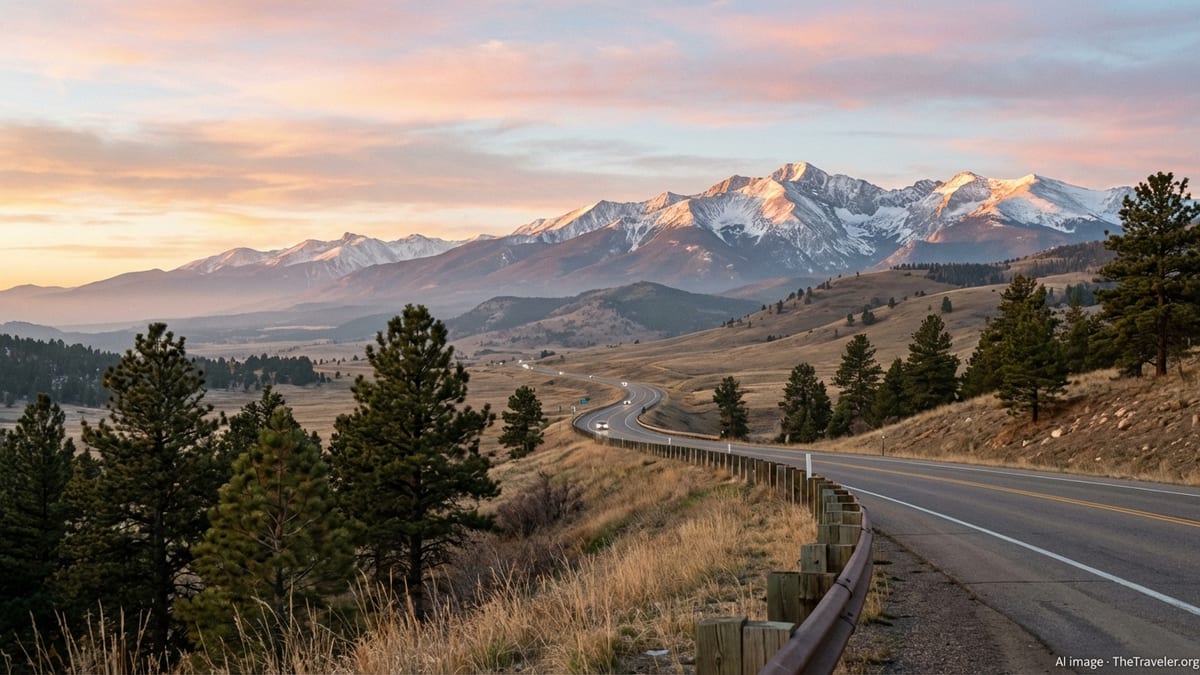
Rocky Mountain National Park: Classic Alpine Colorado
Rocky Mountain National Park is one of the state’s definitive day trips, placing you amid high alpine tundra, sparkling lakes, and wildlife within a two-hour drive of Denver. The park remains extremely popular, so expect crowds in peak summer and fall color season. Planning around that reality is part of making the day feel worth the drive, whether you come for a mellow lakeside stroll or a thigh-burning summit hike.
From late May through mid-October, Rocky Mountain National Park uses a timed entry reservation system during peak hours, and visitors must secure a window in advance through the federal booking platform. Outside of those months and hours, the system is not in effect, but standard park entrance fees and passes still apply. Timed entry does not guarantee parking at specific trailheads, so it pays to arrive early or aim for less congested corners of the park rather than only marquee spots.
First-time visitors often focus on the Bear Lake Road corridor, where short walks to Bear Lake and Sprague Lake offer big-mountain scenery with modest effort. Trail Ridge Road, which typically opens by early summer, climbs to well over 12,000 feet, with pullouts that serve up tundra views and frequent elk sightings right from the pavement. If your goal is to escape crowds, consider entering before the timed entry window starts, heading for longer hikes away from Bear Lake, or exploring quieter west-side areas near Grand Lake.
To make a day trip feel relaxing instead of rushed, treat the park and its gateway town of Estes Park as a single experience. Build in time for a late lunch or early dinner in town, factor in potential delays from wildlife jams or road construction on the way back, and keep an eye on afternoon thunderstorms in midsummer, which routinely roll across the high country and can make exposed trails unsafe.
Pikes Peak and Manitou Springs: Summit by Cog Railway
Pikes Peak, the 14,115-foot summit that inspired “America the Beautiful,” is one of the most accessible high peaks in Colorado, rising directly above Colorado Springs. The Broadmoor Manitou and Pikes Peak Cog Railway offers a three-hour round-trip ride to the summit, with roughly 40 minutes at the top, making it an appealing choice for families and anyone who wants the views without the strenuous climb. Trains operate year-round, conditions permitting, and advance ticket purchases are strongly encouraged, especially in summer.
The cog railway departs from the historic town of Manitou Springs, about 15 minutes from downtown Colorado Springs. Parking at the depot is limited and carries a separate fee, with overflow options in town and a seasonal shuttle that connects public lots with the station. The train cars are enclosed and heated, which helps take the edge off the chill that lingers at the summit even on warm days. Weather at the top is highly changeable, so packing layers, a hat, and sunscreen is essential, particularly given the strong high-altitude sun.
A full Pikes Peak day trip can easily include time exploring Manitou Springs itself. The compact downtown is lined with galleries, cafes, and arcades, and several mineral spring fountains around town are free to sample if you bring a refillable bottle. For more active travelers with extra time, nearby trails such as the Manitou Incline or Red Rock Canyon Open Space offer a chance to stretch your legs at lower elevations either before or after the summit trip.
From the Denver metro area, it is realistic to drive to Colorado Springs in the morning, ride the cog, browse Manitou Springs, and return the same day, although traffic on Interstate 25 can be slow at peak hours. To make the drive feel worth it, build in a flexible buffer before your train departure, aim for off-peak travel times when possible, and think of the route as part of the experience, with changing views of the southern Front Range most of the way.
Great Sand Dunes National Park: A Surreal Desert-in-the-Mountains
Great Sand Dunes National Park and Preserve, near the town of Mosca in southern Colorado, can feel like visiting another planet. Winds have piled sand into towering dunes at the base of the Sangre de Cristo Mountains, creating sweeping, golden slopes backed by rugged peaks. From Denver or Colorado Springs it is a longer day trip, but for travelers willing to start early and return after dark, the scenery is distinctive enough to justify the drive.
The park’s main visitor center is typically open daily with reduced hours in winter, and in 2025 it has been operating on a schedule that runs through late afternoon most days. Staff are on hand to answer questions, provide safety guidance, and share updates on conditions like Medano Creek flows and dune access. The dunes themselves are open around the clock, and many visitors plan their timing to avoid the hottest part of the day, especially in midsummer when surface sand temperatures can rise significantly.
A typical visit involves parking near the main dune access area and hiking out onto the sand at your own pace. There are no fixed trails on the dunes, so you can choose a gentler route along the lower ridges or push for higher summits for broader views of the San Luis Valley. Sandboard and sand sled rentals are available from several independent outfitters outside the park, which many consider the highlight of the day. Even for a simple walk, sturdy footwear, plenty of water, and protection from sun and wind are crucial.
Because the dunes are several hours from the Front Range, the drive itself becomes part of the experience, passing through the Wet Mountain Valley or South Park and dropping into the wide-open San Luis Valley. Pairing the dunes with a soaking session at a nearby hot springs resort or a meal in Alamosa can round out a long day. If you find that the distances feel too ambitious for a single day, this is one destination that easily justifies turning a would-be day trip into an overnight escape.
Idaho Springs and Mount Evans / Mount Blue Sky: High Peaks Close to Denver
For Front Range residents looking for high-alpine drama without an all-day drive, the Mount Evans Scenic Byway, recently renamed Mount Blue Sky Scenic Byway, offers one of the most convenient options. The road climbs from near Idaho Springs to well above treeline, eventually reaching a parking area just below the 14,000-foot summit. In summer, it is possible to step from your vehicle onto tundra that feels as remote as many backcountry trails, yet still return to Denver in time for dinner.
Seasonal closures and reservation systems have been used along this corridor in recent years, so checking current information before you go is important. The roadway typically opens only after snowmelt and remains subject to temporary closures for weather. Once open, the drive carries you past Echo Lake, switchbacking above the last trees into terrain where mountain goats and bighorn sheep are regularly seen. Short walks near the summit parking area lead to viewpoints and the remains of the historic Crest House, while a slightly longer hike reaches the true summit.
Pairing the byway with time in Idaho Springs makes the outing feel like a complete day trip rather than a simple drive up and back. The former mining town’s compact main street has been revived with breweries, cafes, and gear shops, and the area’s long history as a hot springs destination continues at modern soaking facilities that draw both locals and visitors. Between the historic storefronts, the creek that runs through town, and the quick access back to Interstate 70, you can shift from high tundra to small-town streetscape in less than an hour.
Because weather above treeline is volatile, even in midsummer, packing layers and watching the forecast is essential, and you should be prepared to adjust plans if afternoon storms build. For visitors with limited time in Colorado, this combination of high-altitude driving and easy access back to the city often proves one of the most time-efficient ways to experience a true alpine environment.
Colorado Springs Loop: Garden of the Gods and Old Colorado City
Not every worthwhile day trip has to involve national parks or fourteeners. Within and around Colorado Springs, you can design a full day that balances scenery, culture, and leisurely exploration with less time behind the wheel. Garden of the Gods, a free public park of towering red rock formations, sits on the city’s western edge and offers short paved loops, moderate trails, and roadside pullouts with photogenic views of Pikes Peak beyond the rocks.
The park’s main roads can be crowded, especially on weekends, so arriving early or later in the afternoon tends to provide a calmer experience. A visitor and nature center just outside the main entrance offers exhibits on the geology and human history of the area, as well as large windows framing the formations. Within the park, short paths from parking lots lead to overlooks, and a central paved loop is accessible for strollers and wheelchairs, which makes this a particularly inclusive stop for mixed-ability groups.
From Garden of the Gods it is a short drive to Old Colorado City, a historic district founded during the 19th-century gold rush. Today its brick storefronts house galleries, restaurants, and specialty shops clustered along walkable blocks. With outdoor seating, seasonal events, and mountain views down cross streets, it is an appealing place to linger over a late lunch or to browse before heading back north along Interstate 25. Combined with nearby attractions such as the United States Olympic & Paralympic Museum or the foothill trails at Red Rock Canyon Open Space, this loop can fill a relaxed but satisfying day.
For travelers staying in Denver, the distance to Colorado Springs is close enough that you can comfortably complete this loop as a day trip, particularly if you avoid peak rush-hour windows. The route offers a lower-stress alternative to high-altitude adventures while still delivering the signature blend of red rock landscapes and mountain views that many visitors associate with Colorado.
Boulder and the Peak to Peak: College Town Energy and Mountain Views
Boulder sits at the foot of the Flatirons and makes for an easy out-and-back day from Denver, combining urban amenities with quick access to the foothills. Pearl Street’s pedestrian mall anchors downtown with street performers, patios, and independent shops, while the University of Colorado campus adds a steady flow of cultural events and youthful energy. With a compact street grid and abundant bike lanes, it is a place where you can park once and explore much of the core on foot.
For many visitors, the real draw of a Boulder day trip is how quickly you can transition from espresso to trailhead. Within minutes of downtown, Chautauqua Park offers a network of trails that climb toward the Flatirons, from mellow meadowside paths to steeper routes with big views over the city and plains. Seasonal parking management programs and shuttles are sometimes in place around Chautauqua on busy weekends, so checking ahead for current logistics is wise, but once on the trail, you are quickly immersed in classic Front Range scenery.
If you want to extend the day into a scenic drive, continue west into the foothills and onto the Peak to Peak Scenic Byway, which links small communities like Nederland, Ward, and Allenspark. The road threads through ponderosa forests and open meadows, with frequent glimpses of the Indian Peaks and, on clear days, distant high summits. Pullouts and side roads lead to trailheads, picnic areas, and reservoirs, giving you options to stop for short walks or photos rather than simply driving through.
Because Boulder is less than an hour from much of the Denver metro area, this combination of town and byway works well for travelers who prefer flexible days rather than timed reservations or long highway miles. With a bit of planning around parking, it is possible to pack a morning hike, a leisurely lunch, and an afternoon drive into a single day that still leaves you back at your base by evening.
Salida and the Upper Arkansas Valley: Art, River, and Hot Springs
For a day that feels like a full escape from urban life, Salida and the Upper Arkansas Valley offer a compelling mix of riverfront scenery, arts culture, and hot springs about two and a half hours from Colorado Springs and a bit longer from Denver. The drive itself is part of the reward, tracing Highway 285 or Highway 24 through broad mountain basins and along the shoulders of the Sawatch Range, with frequent glimpses of fourteener summits such as Mount Princeton and Mount Shavano.
Salida’s historic downtown, designated as a creative district, centers on a compact grid of brick buildings along the Arkansas River. Murals, galleries, and studios showcase the town’s art scene, while riverside parks and paths provide easy vantage points to watch rafters and kayakers navigate whitewater features in the heart of town. Cafes and taprooms line the streets, so it is easy to linger between walks along the river and detours into shops.
Several developed hot springs lie within a short drive of Salida and neighboring Buena Vista, ranging from family-oriented pools to quieter, more adult-focused soaking environments. These facilities often draw both locals and visitors year-round, and soaking in warm mineral water while snow lingers on nearby peaks is a signature Colorado experience. Checking seasonal operating hours and any reservation requirements ahead of time will help avoid surprises, particularly on busy winter weekends and holidays.
While the round-trip drive from the Front Range makes this a longer day, many travelers find that blending the journey with an unhurried afternoon in town and an early evening soak makes the miles feel worthwhile. If you decide to linger longer than planned, the valley’s abundance of small lodges and rentals makes it easy to convert your day trip into a spontaneous overnight stay.
The Takeaway
Colorado lends itself to day trips that feel far more ambitious than the miles on the odometer. Within a few hours of the Front Range you can stand on a wind-scoured summit, sink your feet into warm dune sand, wander through mining-era main streets, or soak in hot springs framed by snowcapped peaks. Thoughtful planning, from timed entry reservations at popular parks to early departures on busy weekends, helps turn these outings into relaxed escapes instead of logistics puzzles.
Choosing the right destination often comes down to balancing driving time, altitude, and your group’s appetite for activity. Rocky Mountain National Park and Mount Blue Sky deliver classic alpine drama, while Garden of the Gods and Boulder offer lower-key ways to weave hiking into a day of food and culture. Longer routes to places like Great Sand Dunes or Salida reward persistence with landscapes and communities that feel distinct from the Front Range corridor.
Above all, the most rewarding Colorado day trips share a common thread: they combine a memorable landscape or experience with a sense of discovery, whether that is a new small-town cafe, an unplanned roadside overlook, or your first glimpse of alpine tundra. With realistic expectations and a flexible plan, almost any stretch of the state’s mountain or canyon roads can turn into a day that feels worth every mile.
FAQ
Q1. Are these Colorado day trips realistic in a single day from Denver?
Most of these destinations are realistic as long days from Denver or Colorado Springs, though Great Sand Dunes and Salida involve more driving and may feel more relaxed as overnight trips.
Q2. Do I need reservations for Rocky Mountain National Park?
During the main warm-weather season, Rocky Mountain National Park uses a timed entry reservation system during peak hours in addition to standard entrance fees, so advance planning is important.
Q3. Is the Pikes Peak Cog Railway suitable for children and older travelers?
The cog railway is designed for a wide range of ages, with heated cars and limited walking required, but the high elevation can affect some visitors, so taking it slow and staying hydrated helps.
Q4. When is the best time to visit Great Sand Dunes for a day trip?
Spring and early summer are popular, especially when Medano Creek is flowing, but starting early or visiting later in the day is wise in hot weather because dune surfaces can become very warm.
Q5. Do I need special equipment for hiking on the sand dunes?
You do not need technical gear, but closed-toe shoes, sun protection, and plenty of water are important, and if you want to sandboard or sled you can rent specialized boards from outfitters near the park.
Q6. Is Mount Blue Sky Scenic Byway open year-round?
No, the high portion of the byway typically opens only after snow has been cleared and remains seasonal, with closures possible for weather even in summer, so conditions should be checked before driving up.
Q7. How crowded is Garden of the Gods on weekends?
Garden of the Gods can be very busy on weekends and holidays, especially midday, so arriving early in the morning or later in the afternoon usually provides easier parking and a more relaxed experience.
Q8. Can I combine Boulder and Rocky Mountain National Park in one day?
It is possible to visit both in a single long day, but parking, timed entry at Rocky Mountain, and potential traffic make it more enjoyable if you keep your plans flexible and avoid overscheduling.
Q9. Are Salida and the Upper Arkansas Valley accessible in winter?
Yes, highways are maintained year-round, but winter storms can affect driving conditions and some recreation options, so checking forecasts and road reports is essential before setting out.
Q10. What is the safest way to handle Colorado’s high elevation on a day trip?
Ascend gradually when possible, drink plenty of water, avoid excessive alcohol, listen to your body, and be prepared to turn around or rest if you experience persistent headache, nausea, or unusual fatigue.