

Planning a trip to Colorado means thinking about more than mountain views and ski passes. Understanding how money, taxes, and payments work in the state will help you avoid surprises at the checkout counter, make smarter decisions on cash versus cards, and keep your trip running smoothly from Denver to the high country.
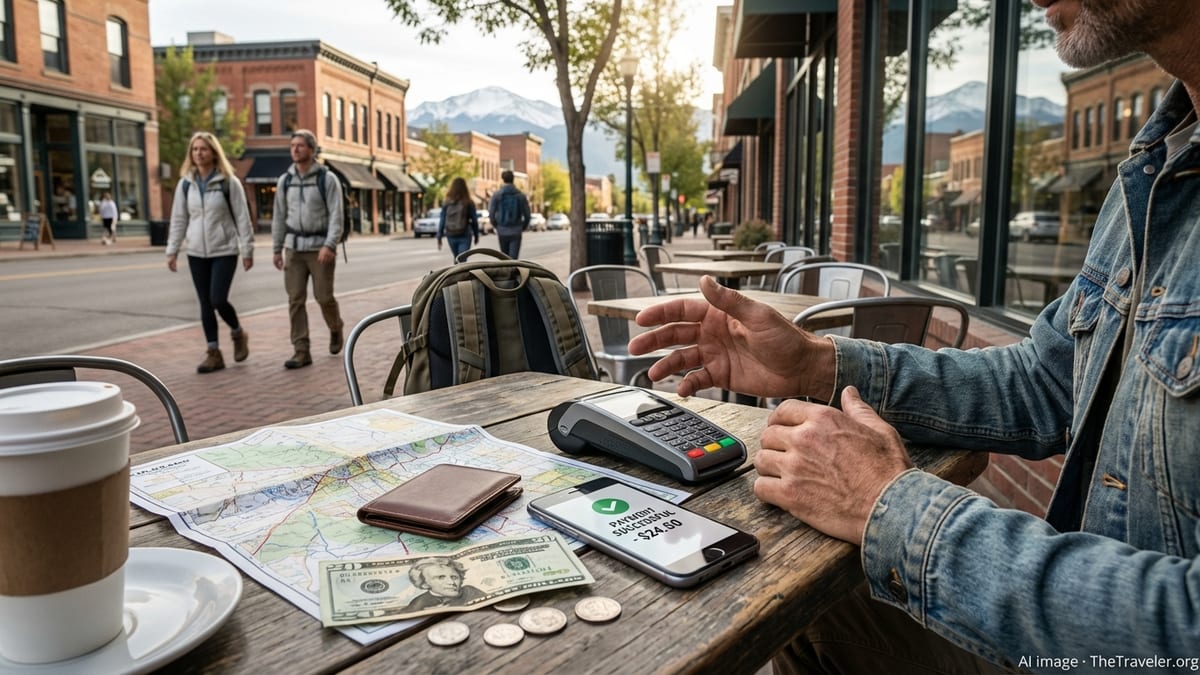
Understanding Prices, Sales Tax, and Resort Fees in Colorado
Prices you see on shelves and menus in Colorado almost never include sales tax. The final amount at the register will usually be higher than the sticker price once state and local taxes are added. Colorado has a relatively low statewide base sales tax, but many cities, counties, and special districts add their own layers, so the total rate varies widely by location. In ski towns and resort areas, the combined rate can be significantly higher than in smaller plains communities.
Because sales tax is added at the register, your restaurant bill, bar tab, or retail purchase can rise by several percentage points between the menu and the final check. It is wise to mentally add a cushion when comparing prices, especially if you come from places where tax is included in the price tag. Hotel and lodging bills often include separate lines for state tax, local tax, and tourism or lodging assessments, which can add a noticeable amount to the nightly rate quoted online.
In major tourist destinations like Denver, Boulder, Colorado Springs, and mountain resorts, visitors may also encounter additional fees such as short term rental taxes or destination fees on hotel bills. These are usually disclosed in the fine print on booking pages and itemized on your receipt. To avoid surprises, review the estimated total with taxes and fees before confirming your reservation and keep screen captures or confirmations that show the all in price.
For car rentals, expect a stack of taxes and surcharges layered onto the base daily rate, especially at airports. These can include state and local sales taxes, tourism or transportation fees, and airport concession charges. The final bill may end up substantially higher than the advertised rate, so factor this into your budget if you plan to explore Colorado by car.
Using Cash, Cards, and Mobile Payments Across the State
Colorado is broadly card friendly, especially in urban areas and major resort towns. Most hotels, restaurants, gas stations, and attractions accept major credit and debit cards. Contactless payments through mobile wallets are increasingly common in larger cities and at national chains. Many visitors find they can rely primarily on cards and carry only a small amount of cash for tips or small purchases.
In rural communities, independent shops, farmers markets, roadside stands, and smaller service providers may be cash only or may add a small fee for card use. Connectivity in remote areas can also affect card processing, so having some backup cash is useful if you plan to visit mountain passes, backcountry trailheads, or less developed regions of the Western Slope or Eastern Plains. When in doubt, ask in advance whether a business accepts cards.
International travelers should confirm with their banks that their cards will work in the United States and that they are enabled for foreign transactions. Chip and signature cards remain common, and some smaller businesses may still swipe cards using the magnetic stripe. Most payment terminals accept chip cards without issue, but you may be asked to sign paper receipts rather than enter a PIN. Mobile payments like Apple Pay and Google Pay are accepted broadly in cities, though not everywhere in rural or older establishments.
Prepaid travel cards can be convenient, but they sometimes fail at automated pumps, ticket machines, or hotel holds. Traditional credit cards are generally more reliable for these types of transactions. If you primarily use a debit card, keep in mind that hotels and rental car companies often place a temporary hold that reduces your available balance for several days, so plan accordingly to avoid declined transactions elsewhere.
ATMs, Bank Access, and Withdrawing Cash
ATMs are easy to find in Colorado’s populated areas, including Denver, Boulder, Fort Collins, Colorado Springs, resort towns, and along major interstate highways. Branch banks and credit unions from national chains and regional institutions operate throughout the state. Using an ATM from your own bank’s network can help you avoid extra fees, so check your bank’s app or card locator before withdrawing. Many grocery stores and pharmacies host bank branded machines that charge lower surcharges than independent ATMs.
In small towns and rural regions, ATMs are less frequent and may be located in grocery stores, gas stations, or casinos. Independent machines in these locations often charge higher withdrawal fees, and your home bank may also apply an out of network charge. If you plan to travel through remote mountain passes or high plateau areas, it is wise to withdraw enough cash in a larger town before leaving, particularly in winter or during shoulder seasons when some businesses close.
For international visitors, most bank affiliated ATMs in Colorado accept major foreign cards on global networks. The machine will typically offer the option to charge your withdrawal in your home currency or in U.S. dollars. Choosing to be charged in local U.S. dollars usually gives you a more favorable exchange rate than dynamic currency conversion into your home currency. Always review the on screen fee disclosures before confirming the transaction and cancel if the total cost seems excessive.
Safety around ATMs is similar to other parts of the United States. Choose machines in well lit, busy locations such as inside bank lobbies, shopping centers, or large supermarkets, especially after dark. Shield the keypad while entering your PIN, keep your cash and card put away before leaving the machine, and review your account activity regularly through your banking app to detect any suspicious transactions during your trip.
Tipping Culture and Service Charges in Colorado
Colorado follows typical United States tipping norms, which can surprise visitors from countries where service charges are included. In full service restaurants, a tip of roughly fifteen to twenty percent of the pre tax bill is standard when service is satisfactory. For exceptional service, some diners leave a higher amount, while for poor service they may reduce the tip, although completely skipping a tip is relatively rare and often reserved for very bad experiences.
In bars, it is common to leave around one to two dollars per drink or a similar percentage as at restaurants when running a tab. Coffee shops and casual eateries may have tip jars or digital prompts at the register. Leaving a small tip in these settings is appreciated but not mandatory, especially for simple counter service. For takeout orders from restaurants, many locals leave a modest tip, though expectations vary more widely.
Service workers such as hotel housekeepers, bell staff, valet parking attendants, and rideshare drivers also typically receive tips. Housekeeping staff often receive a few dollars per night, left daily in the room. Bell staff and valet drivers may receive a few dollars per bag or per car retrieval. Rideshare and taxi drivers generally receive a percentage tip similar to restaurant norms, added through the app or paid in cash.
Some restaurants in Colorado, particularly in higher cost resort areas, add a service charge or automatic gratuity for large groups or for certain types of service. This may range from around eighteen percent upward and should be clearly noted on the menu or on your bill. When a service charge is already included, many locals either do not tip extra or add only a small additional amount. Always check your bill so you do not accidentally double tip.
Tax Considerations for Lodging, Car Rentals, and Activities
Visitors to Colorado often notice that lodging and car rentals carry complex tax and fee structures. Hotels, vacation rentals, and short term accommodations typically charge state sales tax, local sales tax, and dedicated lodging or tourism taxes imposed by city or county governments. Mountain ski towns and resort communities often use these funds to support tourism infrastructure, transit systems, and local services that benefit visitors and residents alike.
Short term rental platforms usually display an estimated total including taxes and fees at checkout, but line items can differ by property and jurisdiction. Cleaning fees, resort fees, and local assessments can add significantly to the nightly base rate. If you are comparing options between neighboring towns, be aware that tax rates can vary even between communities that are only a short drive apart.
Car rentals, especially from airport locations, can include a sizable assortment of taxes and surcharges. These may cover state and local taxes, airport concession fees, road or transportation surcharges, and sometimes tourism related assessments. The combination can raise the effective daily cost compared with the advertised base rate. It is sensible to review the estimated grand total before finalizing a booking and to factor in additional fuel and toll costs if you plan extensive driving.
Recreational activities, including ski lift tickets, guided tours, adventure excursions, and attraction admissions, are also subject to sales tax. Some operators fold the tax into the advertised price, while others add it at checkout. When budgeting for big ticket activities such as ski passes or multi day guided trips, expect the final total to exceed the base price by at least the local sales tax percentage and sometimes by extra service or booking fees.
Managing Foreign Currency, Exchange, and Dynamic Conversion
Colorado businesses price everything in U.S. dollars, and foreign currency is not accepted for everyday transactions. Unlike some global hub cities, you will rarely find retail shops or restaurants that take payment directly in foreign cash. Travelers should arrive with a plan to access U.S. dollars through ATMs or to use cards that convert purchases to their home currency on the bank side.
Formal currency exchange offices are less common in Colorado than at major international gateway cities. You may find limited exchange services at Denver International Airport and at a small number of banks or hotel desks in the Denver area, but hours and available currencies can be limited. Exchange rates at airport kiosks and hotel desks are often less favorable than those offered by banks through ATM withdrawals, so many visitors prefer to use cards and occasional ATM withdrawals rather than changing large amounts of cash.
Dynamic currency conversion is a feature some card terminals and ATMs offer, allowing you to be charged in your home currency rather than in U.S. dollars. Although it may appear convenient, this option usually comes with a less favorable exchange rate and sometimes extra fees. When presented with a choice on screen, selecting to be charged in U.S. dollars generally results in a better overall rate because your own bank handles the conversion.
International travelers should ask their banks in advance about foreign transaction fees, ATM withdrawal costs, and card replacement options while abroad. Cards that waive foreign transaction fees can save money if you plan to make frequent purchases. It is also wise to carry at least two different cards, stored separately, in case one is damaged, lost, or unexpectedly declined while in Colorado.
Money Safety, Scams, and Practical Budgeting Tips
Colorado is generally considered a safe destination, but the usual precautions with money apply. In busy urban areas, transportation hubs, and popular tourist spots, safeguard your wallet and phone, and avoid displaying large amounts of cash. Use hotel safes for passports, spare cards, and excess cash, and carry only what you need for the day. Be especially cautious at crowded events, festivals, and après ski venues where distraction theft can occur.
Card skimming at fuel pumps and independent ATMs occasionally occurs, as in many parts of the United States. When fueling your car, choose pumps in clear view of staff or near the main entrance, and look for signs of tampering such as loose card readers or broken security seals. If something seems off, move to a different pump or pay the attendant inside. Regularly check your account activity using your bank’s app so you can quickly spot and report unfamiliar charges.
Common travel scams in Colorado are relatively low key compared with some international destinations, but you may encounter inflated prices for last minute services, questionable tour offers, or aggressive sales tactics around souvenir shops in busy areas. Research typical prices for rentals, tours, and lift tickets in advance so you can recognize offers that seem unreasonably expensive. Booking with well reviewed operators and established companies helps reduce risk.
For budgeting, consider that costs in major ski resorts and trendy neighborhoods can be substantially higher than in rural towns or suburbs. Food, drink, and accommodations in high elevation resorts are often priced at a premium, particularly during peak ski season and summer holiday periods. Planning a mix of self catered meals, free outdoor activities, and visits to less touristy towns can help keep overall spending manageable without sacrificing the Colorado experience.
The Takeaway
Understanding how money works in Colorado makes it easier to relax and enjoy the state’s mountains, cities, and small towns. Sales taxes and tourism related fees mean that sticker prices are only part of what you will ultimately pay, so it pays to read the fine print and anticipate some extra cost on top of base rates. At the same time, widespread card acceptance and a growing embrace of mobile payments make day to day spending straightforward for most visitors.
Carrying a balanced mix of cards and a modest amount of cash, tipping in line with local norms, and being alert to fees and dynamic currency conversion choices can help international and domestic travelers alike stretch their budgets. With a bit of preparation, you can navigate ATMs, hotel bills, ski passes, and restaurant checks without stress and focus your attention on Colorado’s landscapes and cultural experiences instead.
By combining basic awareness of tax structures, payment options, and safety practices, you can move confidently from Denver’s city streets to high alpine towns and remote trailheads. A little financial planning before departure goes a long way, leaving you free to enjoy Colorado’s high country adventures, urban neighborhoods, and scenic byways with fewer surprises on your statement when you return home.
FAQ
Q1. Do I need to carry a lot of cash when visiting Colorado?
Most travelers can rely primarily on credit and debit cards in Colorado’s cities and major resorts, but it is wise to carry some cash for tips, small purchases, and remote areas where cards may not be accepted or connectivity is unreliable.
Q2. Are ATMs easy to find in Colorado’s mountain towns?
Yes, most ski and mountain towns have ATMs, often in banks, grocery stores, or gas stations, but you may encounter higher fees and fewer machines in very small or remote communities, so withdrawing in a larger town beforehand is sensible.
Q3. How much should I tip in Colorado restaurants and bars?
In full service restaurants, a tip of roughly fifteen to twenty percent of the pre tax bill is standard, while in bars people usually leave about one to two dollars per drink or an equivalent percentage on a tab.
Q4. Are sales taxes included in prices on menus and in shops?
No, sales taxes are typically added at the register, so the final amount you pay will be higher than the listed price, especially in areas with higher local and tourism related taxes.
Q5. Can I use contactless and mobile payments in Colorado?
Contactless cards and mobile wallets are widely accepted in cities and larger towns, and increasingly in resort areas, though some smaller or older businesses may still rely on traditional chip or swipe terminals.
Q6. What is the best way for international visitors to get U.S. dollars in Colorado?
International visitors usually get better rates by withdrawing cash from bank affiliated ATMs and paying in U.S. dollars rather than using currency exchange kiosks or dynamic currency conversion into their home currency.
Q7. Will my foreign credit or debit card work at gas pumps and ticket machines?
Most chip cards work, but some prepaid or less common foreign cards may fail at automated pumps or kiosks; if that happens, you can often pay the attendant inside or use a different card.
Q8. Are there common money related scams I should watch out for?
Serious scams are relatively uncommon, but visitors should watch for card skimming at fuel pumps, unusually high surcharges on independent ATMs, and overpriced informal tour or ticket offers.
Q9. Why do my hotel and car rental bills in Colorado have so many extra fees?
Lodging and car rentals often include multiple layers of state and local taxes, tourism or lodging assessments, airport concession charges, and other surcharges that are added on top of the base rate.
Q10. Is Colorado more expensive than other U.S. destinations for travelers?
Costs in Colorado’s major ski resorts and trendy neighborhoods can be high compared with many other regions, while smaller towns and less touristy areas are often more moderately priced, so your overall spending depends heavily on where you stay and what you do.