

More news on this day
Colorado’s stretch of balmy springlike weather is coming to an abrupt halt as a fast-moving storm drops temperatures from the 60s into freezing territory, bringing accumulating snow, slick roads and mounting travel concerns across parts of the state.
Get the latest news straight to your inbox!
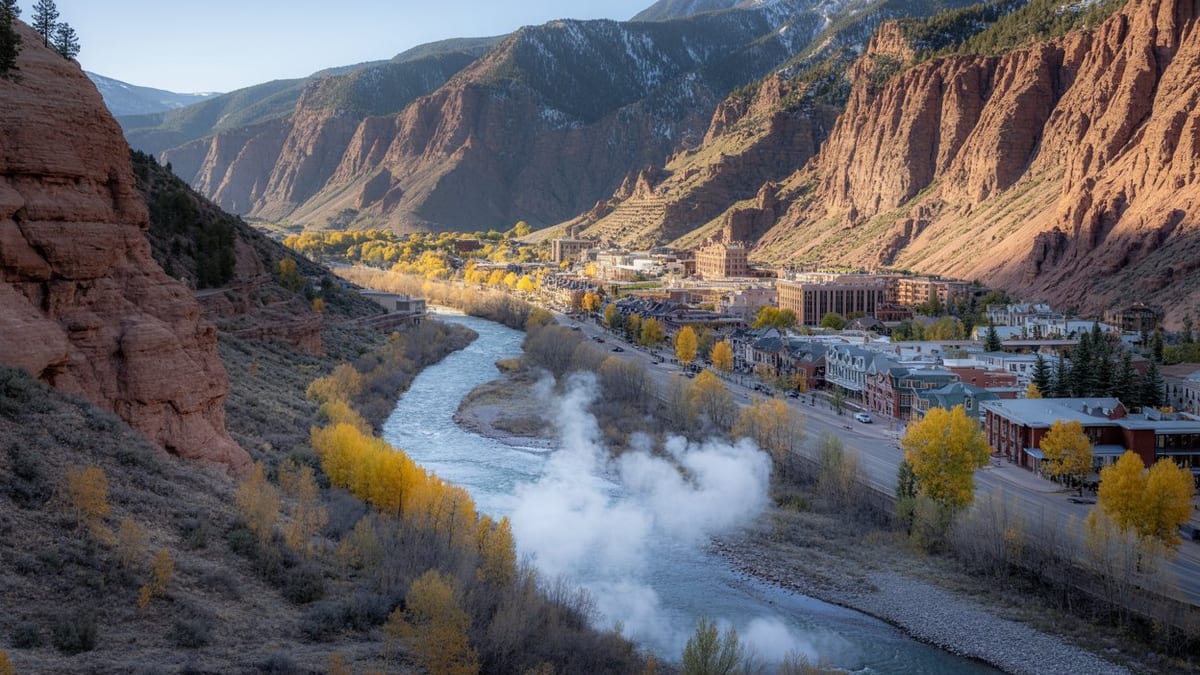
Image by Global Travel Alerts, Advisories, International Travel Alerts
From Record Warmth to a Sudden Wintry Turn
Publicly available temperature records and recent climate summaries indicate that many Front Range communities have spent much of late March in unseasonably warm territory, with afternoon highs frequently reaching the 60s and even low 70s. That pattern is now flipping rapidly as a fresh storm system moves across the Rockies, pulling in much colder air and setting the stage for a sharp return to winter conditions.
Forecast discussions and regional outlooks describe a familiar Colorado whiplash pattern, where downslope warming one day can be followed by snow the next. In this case, forecasters expect the incoming disturbance to interact with cooler air sliding south along the High Plains, dropping temperatures fast enough to change rain showers to heavy, wet snow along portions of the urban corridor and adjacent foothills.
Early projections show a wide range of snowfall outcomes depending on elevation and local banding, but several inches of accumulation are possible from the northern mountains through favored stretches of the I‑25 and I‑70 corridors. The rapid shift from dry pavement and mild afternoons to snowpacked roads is raising particular concern for the evening and early morning commute windows.
The setup follows what climate observers have described as one of the warmest and leanest snow seasons on record in parts of Colorado, making this late‑season storm both a welcome boost for mountain snowpack and a fresh hazard for travelers who may have mentally moved on from winter driving.
Snow Totals Focused on Mountains and the Urban Corridor
Storm summaries and model guidance indicate that the heaviest snow will target the higher elevations of the central and northern Rockies, where upslope flow can wring out moisture efficiently. Mountain passes and resort corridors that recently basked in springlike temperatures are expected to flip back to midwinter conditions, with several inches to more than a foot of heavy, dense snow possible in favored locations.
Along the Front Range urban corridor, including the greater Denver area, current projections point to a more modest but still disruptive event. Depending on the exact track and timing of the coldest air, lower elevations could see slushy accumulations of a few inches, particularly on grassy and elevated surfaces, with higher totals in the western and southern suburbs that sit closer to the foothills.
Travel-focused outlooks highlight the potential for rapidly changing conditions within short distances. A corridor of heavier snow bands could develop near the Palmer Divide and foothill communities, sharply increasing totals and reducing visibility compared with nearby locations that remain on the fringe of the best forcing. That gradient makes it difficult to nail down neighborhood‑by‑neighborhood expectations, but it underscores the need for drivers to be prepared for worse conditions than those they may see at their starting point.
Even where totals remain on the lower side, the combination of falling temperatures, wet snow and gusty winds may lead to slush, standing water and patches of ice, especially overnight and in areas that receive brief bursts of heavier precipitation.
Highway Delays, Mountain Pass Closures and Urban Road Risks
Recent storm case studies across Colorado show how quickly conditions can deteriorate on major routes when late‑season snow meets heavy traffic. Past March systems have led to long closures on I‑70 through the high country and restrictions on I‑25, as spinouts and jackknifed trucks block lanes on steep grades and over exposed summits. Transportation bulletins ahead of the latest storm are again pointing to the same vulnerable stretches.
Mountain passes such as those west of Denver and across the central Rockies are expected to see periods of heavily reduced visibility, snowpacked lanes and drifting, particularly overnight when temperatures fall below freezing. Chain and traction requirements are likely for commercial vehicles in the high country, and travelers are being advised by public reports to build in extra time or delay trips where possible.
Closer to the Front Range population centers, the primary risks center on rapidly forming slush and localized icy patches. Wet snow that falls during the late afternoon and evening can melt on contact with initially warm pavement, then refreeze as temperatures drop after sunset. That pattern often produces black ice on bridges, overpasses and shaded stretches of highway, catching drivers off guard after a day of mild temperatures.
Traffic monitoring feeds and previous storm reviews suggest that multi‑vehicle crashes are more likely during these transition periods, when drivers underestimate stopping distances and travel too fast for the changing conditions. Even short‑duration bursts of heavy snow can briefly reduce visibility to near whiteout levels, particularly behind large trucks where road spray compounds the effect.
Air Travel, Transit and Event Plans Face Uncertainty
The swing from warm afternoons to a snowstorm is also rippling through air travel and local transit planning. Historical data from similar spring storms show that Denver International Airport and regional facilities can experience waves of delays and cancellations as airlines adjust schedules for deicing operations, reduced runway capacity and shifting arrival banks during periods of low visibility.
While major hubs have extensive snow‑removal equipment and are accustomed to winter weather, the timing of this event around busy weekend and early‑week travel periods raises the potential for cascading disruptions. Passengers connecting through Colorado may face missed connections even if their departure and destination cities remain in rain or mild conditions.
Closer to the ground, bus networks and intercity shuttles that serve ski resorts and mountain towns are preparing for slower running times as snow accumulates on steep, winding roads. Publicly available updates from resort and county transportation sites commonly urge riders in similar setups to anticipate delays, dress for winter conditions at stops and monitor real‑time service alerts throughout the day.
Local events that had been banking on early spring weather, from outdoor sports to community gatherings, are also reassessing plans. Organizers often weigh safety guidance, parking and access concerns, and the potential for rapidly changing conditions before deciding whether to proceed, move activities indoors or postpone.
Safety Guidance and What Drivers Should Watch For
Given the quick transition from warmth to wintry weather, safety agencies and road managers typically emphasize preparation over improvisation. Recent advisories for comparable storms have encouraged drivers to check tire tread and windshield wipers, top off washer fluid and pack basic winter kits that include warm clothing, water and a charged phone before setting out, particularly on longer mountain drives.
Travelers heading over high passes or into more remote valleys are urged in public guidance materials to pay close attention to forecast updates and real‑time road condition maps, and to adjust departure times to avoid the heaviest snow bands where possible. In past events, those who were able to shift trips several hours earlier or later often avoided the worst of the whiteout conditions and road closures.
Within cities, the main focus is on speed and spacing. Even a thin layer of slush can dramatically lengthen stopping distances, especially when combined with worn tires and sudden lane changes. Safety campaigns built around recent Front Range storms have highlighted the benefits of lower speeds, increased following distance and smooth, deliberate braking, along with giving snowplows and sanding trucks ample room to operate.
As the latest storm unfolds, the contrast between the recent warmth and the fresh blanket of snow will once again highlight Colorado’s reputation for fast‑changing weather. For those traveling, the key message from publicly available advisories remains consistent: expect conditions to change quickly, prepare for winter driving even after springlike days, and build flexibility into any plans that depend on clear roads and smooth schedules.