

More news on this day
As long Transportation Security Administration lines and staffing strains dominate headlines at major U.S. hubs, one midwestern airport is taking a strikingly different approach, warning travelers not to show up too early despite the national anxiety about missing flights.
Get the latest news straight to your inbox!
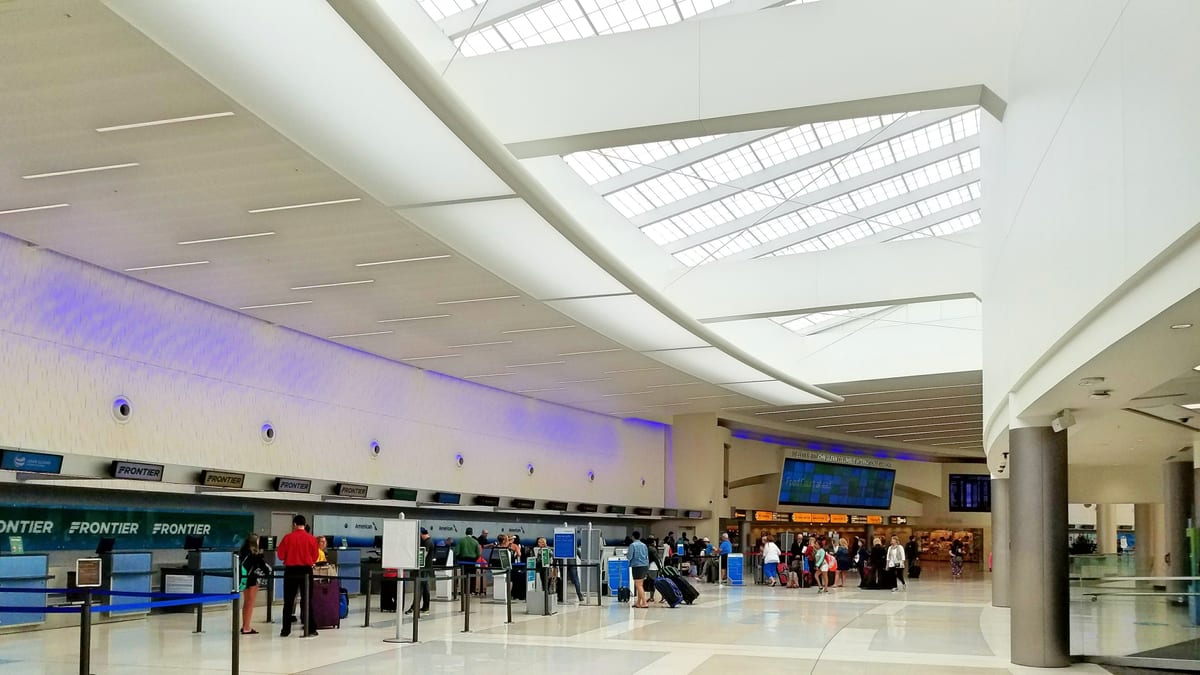
Image by TheTravel
Columbus Tells Travelers: Ninety Minutes Is Enough
While airports from Atlanta to New Orleans urge passengers to arrive three, four or even five hours before departure, John Glenn Columbus International Airport in Ohio is publicly promoting a far shorter target. According to recent coverage from national outlets, the airport has circulated a simple message to departing passengers: for most flights, 90 minutes before departure is enough.
The airport has backed up that guidance with a visual chart on its website and social channels, illustrating when travelers should arrive for domestic and international departures. The recommendation runs counter to the prevailing mood among U.S. flyers, who have been bombarded with alerts and airline emails urging them to budget unprecedented time at security checkpoints.
Publicly available information indicates that Columbus has not faced the same extreme security delays seen at some of the country’s busiest hubs. By discouraging ultra-early arrivals, the airport is trying to smooth out the flow of passengers through the terminal and avoid self-inflicted congestion at peak times.
Airport representatives have argued in public statements that when large numbers of travelers show up hours before their flights, they clog checkpoints designed for a steadier, more predictable flow. That effect can push wait times higher for everyone, even when underlying staffing and equipment levels remain stable.
National Picture: Long Lines, Staffing Strains and Early-Bird Panic
The Columbus message stands out against a backdrop of mounting frustration at many larger U.S. gateways. A partial federal funding impasse has affected pay for TSA officers, and reports from major outlets describe increased callouts, temporary checkpoint closures and highly variable wait times that can stretch to several hours at the worst-affected airports.
At Atlanta’s Hartsfield-Jackson, often cited as the world’s busiest airport, local reporting and airline alerts have advised travelers to arrive at least three hours before domestic flights and even earlier for international trips. Similar guidance has emerged from airports in New Orleans and Houston, where travelers have shared accounts of lines stretching into parking garages and concourses filling with stranded passengers.
In response, airlines and airport operators have urged customers to build in large buffers. Some carriers have sent text messages recommending arrival four hours ahead of departure at specific hubs. Social media posts show travelers camped in terminals long before dawn, anxious to avoid missing flights because of security bottlenecks outside their control.
This nationwide emphasis on extreme caution has had a reinforcing effect: as more people arrive early, lines build even when checkpoint throughput is functioning as designed. The result is a feedback loop that can make official forecasts of wait times a moving target from hour to hour.
Why Columbus Says Showing Up Too Early Can Backfire
Columbus officials have framed their position around the concept of airport operations as a finely balanced system. When passengers arrive far outside recommended time windows, they concentrate demand at security during already busy periods and swell queues inside the terminal, even if the underlying staffing situation is relatively healthy.
Public explanations from the airport highlight that checkpoint layouts, lane openings and staffing schedules are based on expected passenger arrival curves tied to flight timetables. If a critical mass of travelers hears about problems elsewhere and responds by arriving three or four hours early in Columbus, the actual flow can exceed what the system is optimized to handle, leading to the very delays people hoped to avoid.
Research on airport queuing and passenger behavior has long noted this tension. Studies referenced in trade and academic publications point out that when large numbers of people ignore suggested arrival times and cluster well in advance of flights, total time spent in line can increase significantly. That reduces time spent in post-security areas such as shops and restaurants and can undermine the overall passenger experience the airport is trying to deliver.
By putting a firm number on its recommendation and repeating that 90 minutes is generally sufficient, Columbus is effectively asking travelers to trust its local data rather than the national mood. The message is calibrated to reassure anxious flyers that they can avoid both missed flights and unnecessary hours in a crowded terminal.
Mixed Messages Leave Travelers Weighing Local Advice
The contrast between Columbus and many larger U.S. hubs has added a new layer of complexity for travelers trying to interpret airport and airline guidance. Someone connecting through multiple cities in a single day may encounter very different recommendations about when to show up, depending on the airport and time of travel.
Publicly available advice from aviation experts consistently emphasizes that arrival guidelines should be read as local, not universal. A medium-size airport with fewer banked departures and stable staffing may legitimately be able to move passengers through security in under an hour, while a sprawling hub coping with staff shortages and surging demand may need far longer buffers to keep flights on schedule.
Recent coverage suggests that many travelers are defaulting to the most conservative option, arriving extra early even at airports that have not reported severe delays. Others are watching airport social media feeds and third-party wait-time trackers on the day of travel, making last-minute decisions based on real-time information.
In this environment, Columbus’ unusual warning is as much about expectations as logistics. By clearly stating that arriving too early can be counterproductive, the airport is attempting to nudge traveler behavior back toward a pattern that keeps security lines flowing rather than overwhelmed.
What This Signals About the Future of Airport Guidance
The divergence between Columbus and many other U.S. airports may foreshadow a more tailored approach to departure-time guidance in the future. Rather than a one-size-fits-all rule such as “two hours for domestic, three for international,” airports may increasingly push out recommendations that shift by time of day, day of week or even specific airline bank.
Technology already enables some of this nuance. Several airports and airlines share estimated wait times through mobile apps and digital signage, and recent reporting indicates there is growing interest in using that data to shape passenger arrival behavior more actively. Columbus’ prominent 90-minute message can be seen as an early example of such targeted communication.
For now, the unusual stance underscores how varied the U.S. air travel landscape has become during a period of strained staffing and high demand. While much of the country hears pleas to arrive earlier than ever, one airport is betting that pushing back against that instinct will keep its lines shorter and its passengers moving.
For travelers, the lesson is that local conditions matter. As national headlines focus on long waits and federal staffing challenges, the most reliable guidance may be the recommendations issued by the specific airport of departure, even when that advice runs against the national trend.