

India rewards curious, open minded travelers, but it can also overwhelm those who arrive unprepared. Many first time visitors make the same avoidable mistakes, from misreading cultural cues to underestimating the climate and crowds. With a little foresight and realistic expectations, you can avoid common pitfalls and experience the country at its best.
Arriving With Unrealistic Expectations
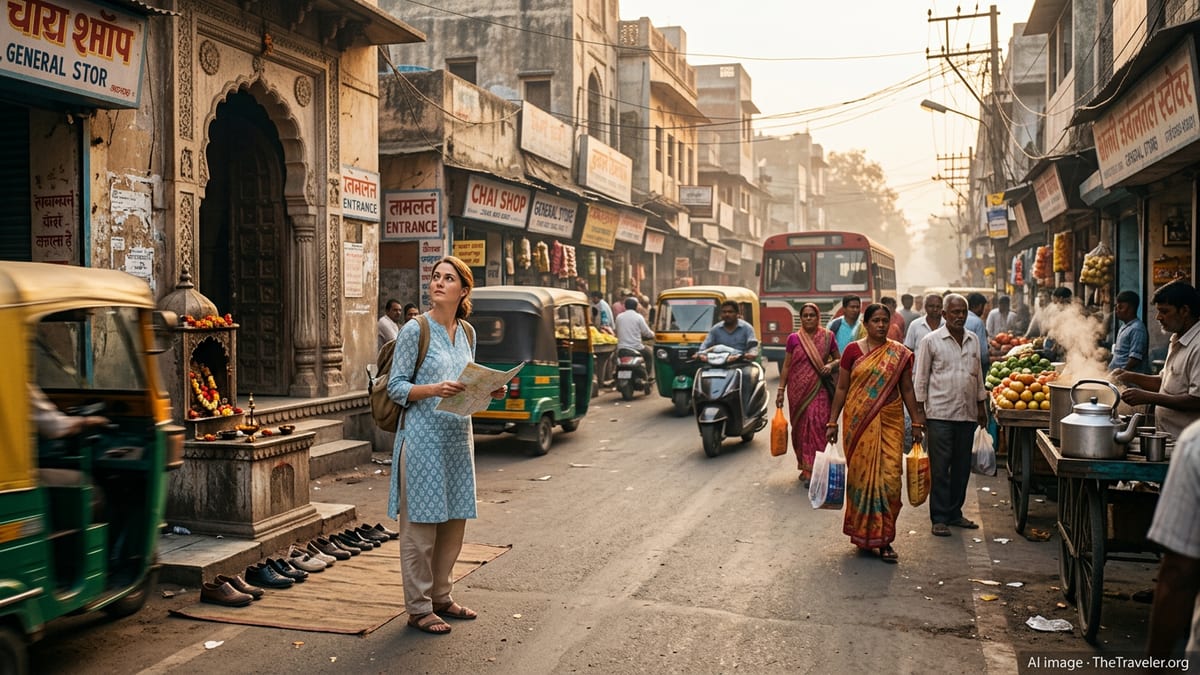
One of the biggest mistakes travelers make in India is imagining a single, uniform experience. India is more like a continent than a country, with huge contrasts between megacities and rural villages, Himalayan hill stations and tropical coasts, modern metro lines and chaotic backstreets. Visitors who expect the ease and order of Europe or the postcard calm of a wellness retreat often feel disoriented when confronted with traffic, noise, crowds and visible poverty in major cities.
Another common error is trying to “do” India in a single short trip. Distances are long, transport can be unpredictable, and each region has its own language, food and rhythm. Packing Delhi, Agra, Jaipur, Varanasi, Goa and Kerala into ten days usually means you spend more time in airports and train stations than exploring neighborhoods or connecting with people. Fatigue sets in, patience wears thin, and small challenges feel much bigger than they are.
A more grounded approach is to choose one or two regions and explore them in depth. For a first trip, that might mean a classic Golden Triangle circuit with an extra city, or a focus on the south with Mumbai and coastal Kerala. Building in rest days, especially after long haul flights and overnight trains, helps your body adjust. Accept that India is intense and imperfect, and that part of its appeal lies in the unpredictability. If you arrive expecting variety instead of smooth uniformity, you are less likely to feel disappointed or overwhelmed.
Misreading Culture, Dress Codes and Etiquette
Cultural etiquette in India is largely unwritten, and many first time visitors stumble simply because no one has explained the basics. Clothing is a frequent source of friction. In many urban areas you will see a wide mix of styles, but overall, Indians tend to dress more modestly than in many Western countries, especially away from beach resorts and nightlife districts. At temples, mosques and gurdwaras, conservative dress is expected, and some sites enforce rules at the gate.
As a guideline, aim to cover shoulders and knees in everyday situations, and avoid very tight or transparent outfits. Loose cotton trousers, long skirts, tunics and light scarves are both comfortable in the heat and culturally appropriate. Many travelers wait to buy a few items after arrival so they can blend in more easily. At religious sites you will usually be asked to remove shoes, and sometimes socks, before entering. In these spaces, speak softly, avoid posing for selfies in front of worshippers, and follow any posted signs about photography and restricted areas.
Public displays of affection are another area where visitors often misjudge local norms. While couples in big cities may hold hands or sit close, kissing and hugging in public can attract unwelcome attention and disapproval, particularly in smaller towns and rural areas. Keeping romantic affection private is a simple way to show respect. At the dinner table, using your right hand for eating and passing food is considered more polite in many households and casual eateries. When in doubt, observe what people around you are doing and follow their lead.
Many travelers are also surprised by the kinds of personal questions they receive, such as inquiries about marital status, family or salary. These topics can be part of normal small talk in India rather than prying, although you are free to redirect the conversation politely. A few words of a local language, a greeting and a thank you, go a long way toward smoothing interactions and signaling goodwill.
Overlooking Health, Heat and Hygiene
India’s climate varies widely, but in much of the country temperatures and humidity can be intense for visitors who are not used to them. A frequent mistake is underestimating the impact of heat and sun, especially during late spring and early summer or in tropical regions. Travelers often arrive with packed sightseeing schedules, walk in the midday sun without a hat, and drink too little water, leading to dehydration and exhaustion within days.
Planning around the climate makes a huge difference. Aim to schedule outdoor visits and walking tours in the early morning and late afternoon when the air is cooler and light is softer. In the hottest months, favor accommodations with reliable fans or air conditioning, and build in time indoors during the midday peak. Hydration is essential, but it is wise to stick with bottled, filtered or safely treated water. Many hotels and guesthouses provide filtered drinking water; carrying a reusable bottle and refilling from trusted sources helps reduce plastic waste while protecting your health.
Food is another area where small precautions pay off. India’s street food is rightly famous, and many travelers enjoy it without problems. Trouble tends to arise from diving into the spiciest dishes on day one or eating from stalls with low turnover or visibly poor hygiene. A more cautious strategy is to start with cooked dishes that are served hot, choose busy places where ingredients are refreshed quickly, and gradually experiment as your stomach adapts. Freshly peeled fruits you prepare yourself are usually safer than pre-cut fruit sitting in the sun.
Basic medical preparation also helps avoid stress. Packing a simple kit with rehydration salts, over the counter remedies for stomach upsets, pain relievers, any prescription medications and copies of your prescriptions is sensible. Travel insurance that covers medical care and evacuation gives peace of mind. Finally, many travelers find it easier on their bodies to spend the first few days eating lighter meals, resting adequately and limiting alcohol, so that their immune systems can adjust rather than struggle.
Getting Caught in Scams and Transport Confusion
Most people you meet in India will be honest and helpful, but tourist areas in big cities inevitably attract a small minority of touts and scammers. First time visitors are often easiest to approach when they look lost, tired or rushed. One classic pattern involves someone telling you that a monument, market or ticket office is closed, then guiding you to an “alternative” travel agency or shop where prices are heavily inflated. Another common experience is unsolicited help at train stations, often ending in demands for a tip.
Simple habits can greatly reduce your chances of being targeted. Before you set out, check opening hours, ticket procedures and dress codes on official or well established travel resources. At major train stations and airports, ignore unsolicited offers of help and head directly to the official counter or your pre booked driver. For taxis and auto rickshaws, using ride hailing apps where available cuts down on haggling and unclear fares. Where meters are used, insist they are switched on before you start moving, or agree on a fare in advance and be ready to walk away if it seems unreasonable.
Another mistake is underestimating how confusing transport can feel on arrival. Train stations are busy, platforms can be long, and announcements are often made in multiple languages at high speed. Buses may not have English signage. Travelers who assume they can improvise everything on arrival, without any research, sometimes end up in the wrong class of train or miss departures entirely. Booking key journeys in advance, studying your route on a map, and arriving at stations with extra time makes the experience much less stressful.
When something feels suspicious, trust your instincts and do not be afraid to say no. It is perfectly acceptable to decline offers of guiding, shopping “opportunities” or visits to distant emporiums. Polite firmness works best. If you feel pressured, step into a busy shop or hotel lobby, and if necessary, seek help from staff. Keeping copies of documents and important numbers, such as your hotel, embassy or consulate and official tourist helplines, is another layer of protection if a situation escalates beyond minor hassle.
Mishandling Money, Payments and Bargaining
India is a mostly cashless, digital forward economy in many urban areas, yet cash still plays a role in small transactions and rural regions. Visitors often make two opposite mistakes: either carrying large amounts of cash everywhere, or assuming they can rely entirely on bank cards and mobile payments. Both can create unnecessary problems. ATMs do not always function smoothly in smaller towns, and some foreign bank cards are blocked for security if used without prior notice to the bank.
A practical approach is to use a mix of methods. Keep the majority of your money and spare cards locked in your hotel safe, with a modest amount of cash and one card on your person in a money belt or inside pocket. In large cities you will often be able to pay with card at hotels, mid range and upscale restaurants and many shops, while small eateries, local taxis, street stalls and tips are usually cash based. Carrying a supply of small denomination notes helps immensely, as many vendors struggle to change large bills.
Bargaining is common in markets, with independent shopkeepers and for some services, and newcomers often swing between aggressive haggling and overpaying dramatically. Treat bargaining as a friendly conversation rather than a battle. Ask the price, counter with a lower but reasonable offer, and meet somewhere in the middle. If the price does not feel right, smile and walk away; if the vendor calls you back with a better offer, you can reconsider. Keep in mind that what seems like a small amount to you might be significant locally, but also that consistently paying double or triple the going rate in tourist areas can contribute to warped expectations for future visitors.
Another money related mistake is not tracking daily spending and underestimating costs like internal flights, entrance fees to major sights or last minute changes. While India can be very good value, higher end experiences, premium train classes and boutique stays are priced closer to global norms. Building a realistic per day budget, plus a contingency fund for unexpected expenses, keeps your trip flexible without constant worry about running short.
Ignoring Local Safety Nuances and Social Norms
Most trips to India pass without serious incident, but safety here looks different from what many travelers are used to. One mistake is focusing solely on dramatic headlines while overlooking everyday risks like traffic, petty theft or not knowing how to respond to unwanted attention. Road safety in particular requires vigilance. Lanes are often loosely observed, horn use is frequent, and pedestrians weave between vehicles. Crossing the street impulsively, especially while distracted by a phone, can be dangerous.
A better strategy is to cross with groups of locals when possible, use footbridges and signals where they exist, and remain patient. Seat belts, when available, should be worn in taxis and private cars. At night, especially late in unfamiliar neighborhoods, using a reputable taxi company or ride hailing service is usually safer than walking long distances on poorly lit streets. As in any large city, keep valuables out of sight and avoid displaying expensive jewelry or electronics in crowded areas.
Socially, visitors sometimes struggle to interpret stares or curiosity. In many places, especially where tourists are less common, people may look openly or even ask for photographs with you. This can feel intrusive, but is often rooted in genuine curiosity rather than hostility. You are free to decline firmly but politely if you are uncomfortable. Solo women travelers in particular may face extra attention; choosing central, well reviewed accommodation, arriving in new cities during daylight hours and sharing itineraries with trusted contacts are sensible habits.
Alcohol and nightlife also require judgment. In some states there are strict regulations on alcohol sales, and public drunkenness is not widely accepted. Partying very late, leaving drinks unattended or accepting drinks from strangers carries similar risks to those in other countries. Listening to local advice about which areas are safe after dark, and staying aware of your surroundings in crowded bars or festivals, helps prevent minor incidents from becoming major problems.
Overplanning, Underplanning and Tech Missteps
Striking the right balance between structure and spontaneity can be tricky in India. Some travelers overplan, locking in every night, train and activity months in advance. While this can be reassuring, it leaves little room to respond if a place does not suit you, if you fall in love with an unexpected town or if you simply need a rest. On the other hand, arriving in peak seasons without key reservations can mean sold out trains, limited room choices and higher last minute prices.
A sensible middle ground is to pre book your first few nights, major internal flights, long distance trains and must see experiences, while leaving some gaps open to adjust plans based on how you feel on the ground. Keeping travel days lighter than sightseeing days, and avoiding back to back overnight journeys, improves your overall experience. Checking festival calendars and school holidays can also help you anticipate crowds, closed streets or higher demand for transport.
Technology can be a powerful ally if used thoughtfully. Many services, from taxis and food delivery to train tickets and museum time slots, increasingly rely on apps and digital payments. A mistake is to arrive without a functioning mobile data plan or offline maps, assuming you can manage solely with paper maps and hotel directions. Buying a local SIM card where permitted, or arranging an international roaming package with your provider, makes navigation, translation and communication with hosts far easier.
At the same time, overreliance on a phone can distract from your surroundings and, in some situations, make you more vulnerable to pickpockets or traffic risks. Avoid walking while focused on your screen near busy roads, keep your phone out of sight in packed markets, and back up important documents such as passports, visas and tickets to secure cloud storage. Combining basic digital preparation with street awareness allows you to enjoy India’s rapidly evolving tech infrastructure without creating new vulnerabilities.
The Takeaway
Travel in India is rarely seamless, but that is part of its character. Many of the difficulties first time visitors face come from mismatched expectations rather than insurmountable problems. Crowds, noise, bureaucracy and culture shock are easier to handle when you anticipate them and know that there are usually straightforward ways around most obstacles.
By approaching India with humility, patience and curiosity, you can avoid the most common mistakes and respond flexibly to surprises. Dressing with cultural awareness, pacing your itinerary, preparing for heat and hygiene, handling money and transport thoughtfully, and tuning into local advice all contribute to a richer experience. Instead of simply collecting famous sights, you will have space to notice small daily moments, from roadside tea stalls to train station conversations, that often become the most vivid memories.
Ultimately, the goal is not to eliminate all discomfort, but to manage it well enough that it does not overshadow the wonder. With realistic planning and a respectful mindset, India is far more likely to feel welcoming than overwhelming, and your mistakes, when they do happen, will become part of a story you are glad you lived.
FAQ
Q1. Is India safe for solo travelers, especially women?
India can be manageable for solo travelers, including women, with extra awareness and preparation. Choosing well reviewed accommodation in central areas, arriving in new cities by daylight, using reputable taxis or ride hailing services at night and sharing your itinerary with someone you trust all reduce risk. As in any large country, safety varies by neighborhood and time of day, so listen to local advice, trust your instincts and move elsewhere if a place does not feel comfortable.
Q2. What should I wear to avoid offending people in India?
In most situations it is respectful to keep shoulders and knees covered, avoiding very tight or transparent clothing. Loose trousers, long skirts, tunics and light scarves work well in the heat and are appropriate for visiting temples, mosques and other religious sites where dress codes can be stricter. Beachwear is generally acceptable only at beaches and pools, not in town centers or markets.
Q3. How can I avoid getting sick from food and water?
Stick to bottled, filtered or otherwise safely treated water, and avoid ice in places where you are unsure of the source. Start with freshly cooked food served hot, and choose busy restaurants or street stalls where turnover is high and ingredients do not sit out for long. Wash or peel fruit yourself and carry hand sanitizer or wipes for use before eating. Over time, you can experiment more while paying attention to how your body responds.
Q4. Are scams really that common for tourists in India?
Minor scams and persistent touts are fairly common around major tourist sights, stations and markets, but serious crime against visitors is less frequent. Being aware of typical tactics, such as claims that an attraction is closed followed by offers of “alternative” tours or shops, helps you recognize and decline them. Pre booking key transport, using official counters, ignoring unsolicited “helpers” and confirming information with your hotel or a second source all reduce your exposure.
Q5. Do I need to book trains and internal flights in advance?
For popular routes and peak seasons it is wise to book long distance trains and internal flights in advance, as better classes and time slots can sell out. Shorter regional journeys sometimes allow more flexibility, but you should still expect busy services on weekends and around festivals. A balanced plan is to secure your main long hops before you arrive and leave some shorter segments open for on the ground decisions.
Q6. How much cash should I carry day to day?
Carrying a modest amount of cash for small purchases, tips and places that do not accept cards is usually enough, while keeping the rest of your money and spare cards secured at your accommodation. Many mid range and high end hotels, restaurants and shops in cities accept cards, and digital payments are expanding, but small family run businesses may still prefer cash. Having a mix of payment options and a supply of small notes makes daily transactions smoother.
Q7. What is the best way to handle bargaining in markets?
View bargaining as a conversation rather than a confrontation. Ask the price, offer a lower but reasonable counter, and expect to meet somewhere in between. If the vendor will not move and the price feels too high, smile, thank them and walk away. Often you will be called back with a better offer. It is fine to pay a little more than a local might if you are happy with the item and the experience, but you do not need to accept obviously inflated prices just because you are a visitor.
Q8. How can I respect religious sites properly?
Dress modestly, remove shoes when asked, speak quietly and follow any posted rules about photography and restricted areas. Avoid posing in ways that treat shrines or statues as props, and do not touch sacred objects or offerings unless you are clearly invited to do so. If you are unsure about a ritual or queue, watch for a moment and copy local behavior or ask a staff member or fellow visitor for guidance.
Q9. Do I need a local SIM card, or will hotel Wi Fi be enough?
Hotel Wi Fi can be useful, but having mobile data greatly improves navigation, communication with drivers and hosts, and access to ride hailing or ticketing apps. Depending on your nationality and local regulations, you may be able to buy a local SIM on arrival, or you might prefer to arrange an international roaming plan before departure. Whatever option you choose, set up offline maps and digital copies of important documents as a backup.
Q10. What is the single most important mindset shift for traveling in India?
Flexibility is essential. Accept that delays, changes and surprises are part of the experience, and try to respond with patience rather than frustration. When you plan with extra time, take care of your health, stay curious about cultural differences and focus on what is going well rather than what is imperfect, India becomes far easier to enjoy. Many travelers find that once they stop fighting the country’s pace and rhythm, they begin to appreciate it more deeply.