

Iowa rewards travelers who slow down, plan ahead and respect its powerful weather and wide-open landscapes. From underestimating winter road conditions to misjudging the crowds at the Iowa State Fair, many first-time visitors make the same missteps. With a little preparation, you can avoid the usual pitfalls and get much more out of your time in the Hawkeye State.
Misreading Iowa’s Seasons and Weather Extremes
One of the most common mistakes visitors make is assuming Iowa’s weather is mild or predictable. The state sits in the heart of the Midwest, which means sharp seasonal swings and fast-changing conditions. Summer can be hot and humid with sudden thunderstorms, while winter often brings ice, snow and strong winds that reduce visibility and make driving hazardous. Spring and early summer can include severe storms and localized flooding that complicate travel plans.
Travelers who pack only light clothing for a summer visit or underestimate how cold it can feel on a windy January day often end up cutting activities short. The same goes for shoulder seasons such as March, April and November, when temperatures can swing widely within a single day. A key way to avoid trouble is to pack layers, including a windproof outer shell, and to build flexibility into your itinerary so you can adjust plans if storms roll through.
Winter visitors frequently misjudge how disruptive snow and ice can be on both highways and rural roads. Iowa transportation and emergency agencies regularly advise drivers to stay off the roads altogether during major blizzards or ice storms, because visibility and traction can deteriorate quickly. If you plan a cold-season trip, monitor forecasts closely in the days before you travel, and be prepared to delay your arrival or departure by a day or two if conditions deteriorate.
Even in warmer months, ignoring the forecast is a mistake. Intense thunderstorms can arrive with little warning, especially in late afternoon and evening, bringing heavy rain, lightning and occasional hail. Checking conditions at the start of each day and again before long drives allows you to reroute, slow down or pause your plans, rather than being surprised on the road or stuck outdoors in unsafe conditions.
Underestimating Winter Driving and Rural Road Challenges
Driving is often the easiest way to explore Iowa’s small towns, state parks and scenic byways, but visitors used to mild climates may not be prepared for local road realities. In winter, snowpacks, black ice and drifting snow can make surfaces slick even after plows have passed. Bridges and elevated sections often freeze first, and rural roads may be plowed less frequently than interstates and major highways. Assuming that a clear forecast guarantees easy driving can be a costly mistake.
Many travelers also underestimate distances between services on rural routes. In some parts of Iowa, especially along scenic byways, fuel stations, restaurants and lodging can be spaced far apart. Depending entirely on a low gas tank or a phone with limited coverage can leave you stranded if weather worsens or if a road closure forces a lengthy detour. A safer approach is to refuel when you pass through larger towns, carry water and basic snacks, and keep your tank at least half full in winter.
A frequent error is ignoring winter driving advice from state agencies. Iowa authorities emphasize slowing down in snow and ice, increasing following distance, and avoiding sudden maneuvers such as hard braking or quick lane changes. Visitors who drive at normal highway speeds in poor conditions risk losing control, particularly on curves and ramps. Before a road trip in winter, review basic cold-weather driving techniques, and if you are uncomfortable, travel during daylight or consider postponing until plows and salt trucks have improved conditions.
Another overlooked factor is the condition of rental cars in winter. Many visitors assume any vehicle will handle snow well, then discover they lack an ice scraper, snow brush or even good windshield washer fluid. When you pick up a car during the cold season, check that it has winter-appropriate equipment and clear all snow from windows, lights and roof before driving. Take a few minutes to familiarize yourself with the vehicle’s traction control and anti-lock braking systems so you know how it will respond if you hit an icy patch.
Timing Visits Poorly for the Iowa State Fair and Other Events
The Iowa State Fair is one of the state’s biggest draws, but it is also where visitors make some of their largest planning mistakes. Held annually in August in Des Moines, the fair routinely attracts more than a million people over its run, creating dense crowds, heavy traffic and fully booked accommodations in and around the city. Arriving without a plan for parking, lodging or navigating the grounds often leads to long waits, high stress and missed attractions.
Travelers frequently assume they can secure a room at the last minute or walk straight into the fairgrounds on a peak weekend afternoon. In reality, the most popular days and evenings can be packed, particularly when major concerts or special events are scheduled. To avoid frustration, book hotels early if you know you will attend the fair, and consider visiting on a weekday, when crowds typically thin out somewhat and lines for food, rides and exhibits move faster.
Parking is another area where visitors miscalculate. Many first-time fairgoers drive directly to the grounds and end up sitting in long lines of traffic or paying premium prices for last-minute parking on nearby lawns or lots. Des Moines and the fair organizers typically offer park-and-ride options and shuttles that can be more convenient than driving into the busiest areas yourself. Planning your arrival time for early morning or later in the evening, and using public or shuttle transportation when possible, helps you avoid sitting in gridlock.
Beyond the State Fair, timing mistakes also affect trips built around college football games, festivals, and harvest events. Cities such as Iowa City and Ames can see hotel rates spike and reservations disappear on big game weekends. Before you finalize travel dates, check local event calendars for your destination and decide whether you want to be in the middle of the action or prefer quieter days before or after major crowds have passed through.
Rushing Through Iowa and Skipping Small-Town and Rural Experiences
Many travelers treat Iowa as a drive-through state on the way to larger cities elsewhere in the Midwest, stopping only for fuel or a quick meal along the interstate. This is a mistake that overlooks some of the state’s most rewarding experiences, from historic river towns to prairie landscapes and farm stays. The result is a rushed, generic impression that Iowa is nothing more than flat fields and highways.
The most memorable trips usually come from slowing down and exploring away from the main corridors. Scenic routes trace river bluffs, glacial hills and rolling farmland, and small communities host museums, farmers markets and local diners that offer a feel for everyday life. Factoring in time for detours, photo stops and unplanned conversations can transform a simple drive into a richer journey.
Another common misstep is building itineraries that are too ambitious for the actual driving time involved, especially on two-lane roads. While Iowa is not a large state by area, detouring to state parks, historic districts and wineries can add more time than expected. Trying to cover multiple distant regions in a single day often leads to rushing through sites or arriving after visitor centers have closed. A better strategy is to focus on one region at a time and allow extra hours for back roads and spontaneous stops.
Visitors also sometimes overlook the value of local tourism offices and small-town visitor centers. Staff can point you toward lesser-known walking trails, local festivals, family-owned restaurants and seasonal experiences such as harvest events or winter light displays. Rather than relying solely on national guidebooks or generic navigation apps, dropping into a local office or chatting with a cafe owner can reveal opportunities you would not find otherwise.
Misjudging Outdoor Safety on Lakes, Rivers and Trails
Iowa’s lakes, rivers and parks attract anglers, paddlers, hikers and campers throughout the year, but visitors sometimes underestimate the risks that come with outdoor activities in a state known for variable weather. In winter, for example, people unfamiliar with frozen lakes may assume that any ice that looks solid is safe to walk or fish on. Local authorities regularly remind residents and travelers that ice thickness can vary dramatically from one area to another, and early or late season ice can be especially unpredictable.
In warmer months, a different set of mistakes emerges. Travelers might rent kayaks or canoes without checking water levels, wind speeds or storm potential, particularly on rivers that can rise quickly after heavy rain. Paddling without proper life jackets, venturing farther than your skills allow, or ignoring weather alerts can turn an afternoon outing into a rescue situation. When planning any on-water activity, verify current conditions with local outfitters or park staff, and be prepared to cancel or shorten trips if forecasts change.
On trails, visitors sometimes underestimate how exposed parts of Iowa’s landscape can be. Open prairies and ridgelines offer sweeping views but little shade or shelter, which can be challenging on hot, humid summer days or in sudden thunderstorms. Hikers who set out with limited water, no hat and no rain layer can quickly become uncomfortable or even unsafe. To avoid these issues, carry more water than you expect to need, wear sun protection and keep at least a lightweight waterproof layer in your pack.
Another overlooked factor is the potential for muddy or washed-out trail sections after storms or during spring thaw. Ignoring posted closures or warnings may not only damage fragile ecosystems but also put you at risk of slips and falls. Before heading out, consult park websites, visitor centers or ranger stations for updates, and choose routes suited to your fitness level and the day’s conditions rather than pushing for the longest or most challenging option every time.
Overlooking Cultural, Agricultural and Food Experiences
Travelers who assume Iowa has little to offer beyond cornfields and the State Fair miss out on a diverse range of cultural and agricultural experiences. Small towns maintain historic main streets, museums, and performing arts centers, while cities like Des Moines, Cedar Rapids and Davenport host galleries, festivals and neighborhoods with distinctive character. Skipping these stops in favor of only chain restaurants and highway rest areas leads to a bland and inaccurate picture of the state.
A common mistake is not planning ahead for farm and agri-tourism experiences, which often require reservations or operate on limited seasonal schedules. Farm stays, orchard visits, pumpkin patches, and pick-your-own berry fields can be memorable highlights, particularly for families, but they may be open only on certain days or months. Checking operating hours in advance and booking where necessary ensures you do not arrive to locked gates or closed barns.
Visitors also sometimes underestimate the regional food culture. Beyond classic rural diners, Iowa features craft breweries, farm-to-table restaurants and local specialties served at community events and roadside stands. Travelers who default only to familiar national brands miss the opportunity to try dishes that reflect local ingredients and traditions. Asking residents for their favorite bakery, cafe or ice cream shop can quickly lead you to places with more character and better value.
Finally, cultural etiquette plays a role. Iowans are generally known for politeness and a straightforward, friendly manner. Treating local events as mere curiosities or photographing people without permission can create tension. A respectful approach, learning a bit about local history, and showing genuine interest in community traditions will usually be met with warmth and helpful conversation.
Ignoring Practical Logistics: Lodging, Connectivity and Cash
Practical planning mistakes are easy to make in a largely rural state. One of the most frequent missteps is assuming that last-minute lodging will always be available, especially near popular parks, lakes or college towns. During peak summer weekends, major events or university move-in days, smaller cities and resort areas can book up quickly. Arriving late in the day without reservations can result in long drives to find a vacancy or higher prices than you anticipated.
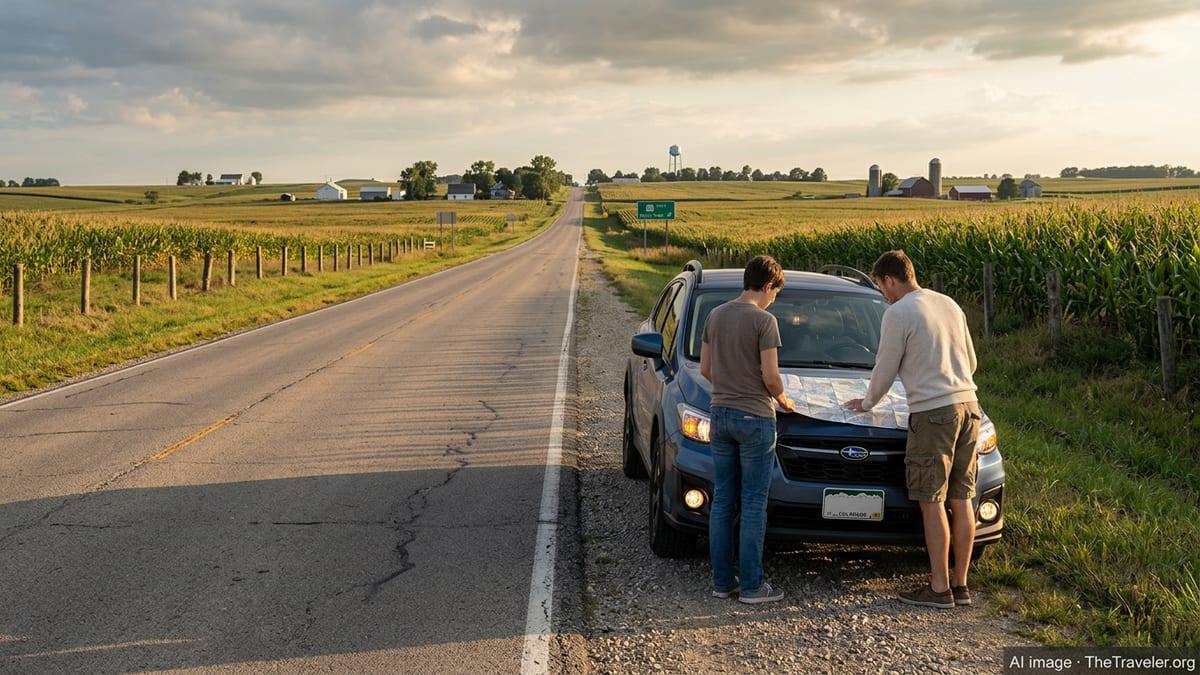
Connectivity is another area visitors misjudge. While much of Iowa has reliable mobile coverage, there are pockets of weak or inconsistent service along remote highways and in some rural valleys. Relying entirely on turn-by-turn navigation without downloading offline maps or noting key directions can lead to confusion if your signal drops. It is wise to carry a printed map or at least write down primary route numbers and town names before setting out into less populated areas.
Cash and payment options present a subtler challenge. Most businesses in Iowa accept cards, but smaller vendors at farmers markets, local festivals and seasonal roadside stands may still prefer or require cash. Travelers who carry only digital payment options sometimes miss out on produce stands, small-town ice cream shops or parking areas that lack card readers. Keeping a modest amount of cash on hand, along with checking in advance how admission and parking are handled at events, helps you avoid awkward moments.
Finally, visitors occasionally overlook time zones and driving fatigue when crossing into or out of Iowa as part of a longer Midwestern trip. The state sits entirely in the Central Time Zone, but if you are connecting flights or crossing from states in other zones, it can be easy to miscalculate arrival times, restaurant hours or check-in windows. Building rest stops into your driving days, sharing the wheel when possible and planning realistic daily mileage will make your Iowa travel safer and more enjoyable.
The Takeaway
Most Iowa travel mistakes stem from underestimating the state’s weather, distances and major events. By respecting winter conditions, planning carefully for the Iowa State Fair and other big gatherings, and giving yourself time to explore beyond the interstates, you can avoid common pitfalls. Paying attention to outdoor safety, cultural opportunities and basic logistics such as lodging and connectivity turns what might have been a quick pass-through into a genuinely memorable Midwestern experience.
A thoughtful itinerary that balances cities with small towns, and popular attractions with quieter scenic routes, will give you a deeper sense of Iowa’s character. Slow down, stay flexible, and be prepared for changes in weather and plans. In return, Iowa will reward you with friendly encounters, surprising landscapes and a richer connection to the heart of the Midwest.
FAQ
Q1. When is the best time of year to visit Iowa to avoid weather problems?
Spring and fall often provide the most comfortable mix of temperatures and activities, but weather can still change quickly. Summer offers festivals and long days with occasional storms, while winter trips require careful attention to forecasts and road conditions.
Q2. How can I drive safely in Iowa during winter?
Slow down, increase following distance, and avoid sudden braking or sharp turns on snow and ice. Travel during daylight when possible, keep your fuel tank at least half full, pack warm clothing and basic emergency supplies, and be prepared to delay trips if authorities warn against travel.
Q3. Do I need a car to explore Iowa properly?
A car gives you the most flexibility, especially for reaching small towns, state parks and scenic byways that have limited public transportation. In larger cities you can rely more on rideshares, local buses and walking, but a vehicle is extremely helpful for rural and regional exploration.
Q4. How far in advance should I book lodging for the Iowa State Fair?
It is wise to reserve rooms several months ahead if you plan to stay in or near Des Moines during the fair, particularly for weekends or nights with major concerts. The closer your dates are to peak days, the more you should plan ahead.
Q5. Are Iowa’s lakes and rivers safe for swimming and paddling?
Many are safe under normal conditions, but safety depends on current water levels, weather and your skill level. Always check local advisories, wear a life jacket for boating or paddling, and be cautious after heavy rain or strong winds, which can create faster currents and rougher water.
Q6. Will I have reliable mobile phone service throughout Iowa?
Coverage is generally good along interstates and in cities and larger towns, but you may encounter weak or patchy service in remote rural areas or along some scenic routes. Download offline maps and note key directions before driving into less populated regions.
Q7. What should I pack for a summer road trip in Iowa?
Bring lightweight clothing, a hat and sunscreen for hot, sunny days, along with a light jacket or sweater for cooler evenings. Include rain gear for passing storms, comfortable walking shoes, a reusable water bottle and insect repellent if you plan to spend time near woods, fields or water.
Q8. How can I experience Iowa’s small-town culture without feeling intrusive?
Visit local cafes, markets and community events, and approach people with genuine curiosity and respect. Ask before taking close-up photos of individuals, support locally owned businesses, and take time to learn a bit about the town’s history or traditions through museums or visitor centers.
Q9. Is it easy to find vegetarian or gluten-free food options in Iowa?
Larger cities and college towns usually have a good range of vegetarian, vegan and gluten-free options. In smaller communities, menus may be more limited, so it helps to research ahead or call restaurants to ask about accommodations before you arrive.
Q10. How many days do I need to see Iowa’s main highlights?
With three to five days you can explore one region in depth, combining a city with nearby small towns and parks. A week or more allows you to experience several different areas, such as river corridors, central cities and rural byways, without rushing.