

Greece is one of the world’s most beloved destinations, combining ancient history, island landscapes, and a famously warm welcome. Yet even experienced travelers regularly run into avoidable frustrations here, from cultural missteps to scheduling errors that derail carefully planned itineraries. Understanding what commonly goes wrong in Greece can help you sidestep stress, show respect for local life, and enjoy more of the country’s magic moments.
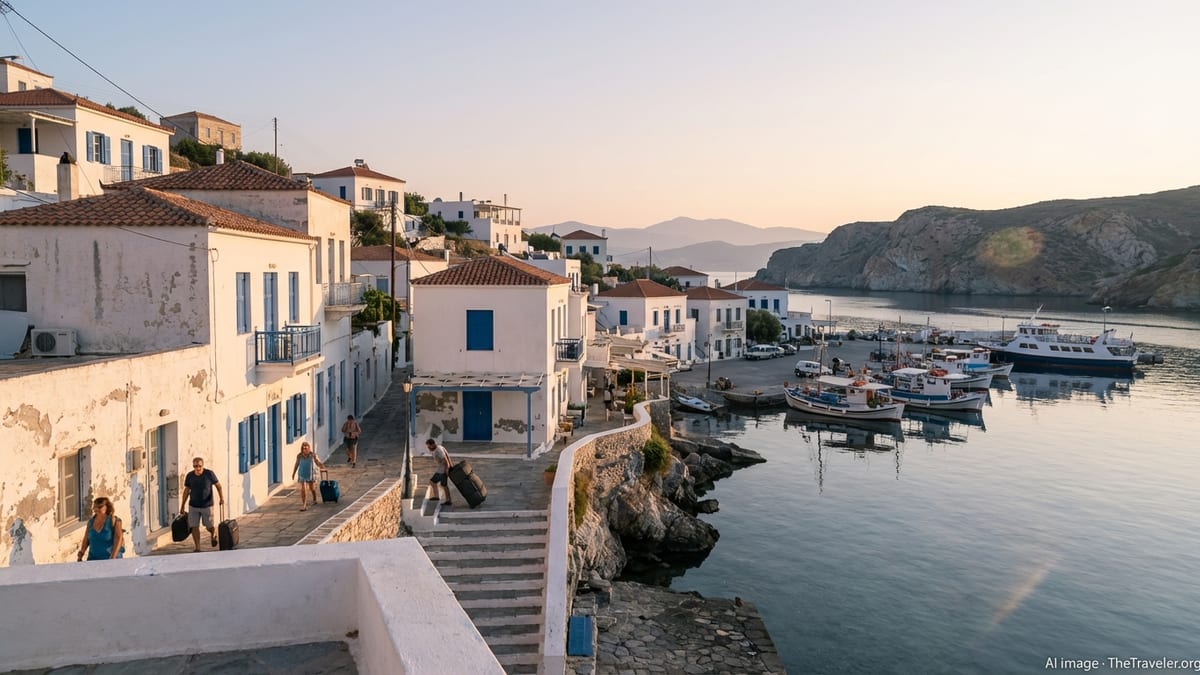
Misreading Greece’s Seasons and Daily Rhythm
Many visitors assume Greece is a straightforward summer destination, only to discover that timing matters far more than expected. July and August bring intense heat, high prices, and heavy crowds at iconic sights such as the Acropolis and on islands like Santorini and Mykonos. Long queues, midday sun, and fully booked hotels can quickly sap the joy from your trip if you arrive unprepared for peak season realities.
At the other extreme, winter can surprise first‑timers who imagine year‑round island life. While cities such as Athens and Thessaloniki remain lively, many smaller islands scale back operations significantly between late autumn and early spring. Restaurants close, ferry schedules thin out, and beach resorts may be shuttered. Travelers who arrive expecting bustling nightlife and regular sailings can face cancellations and limited choices.
The daily rhythm also catches many visitors off guard. In many places, especially outside the most touristy zones, afternoon quiet time is still observed. Shops may close for several hours in the early afternoon, and life slows down. Rather than fighting this schedule, plan to use the hottest part of the day for a long lunch, a rest, or a swim, then explore again in the cooler evening when streets and squares come back to life.
Local religious and national holidays can also reshape your plans. Orthodox Easter, for example, is a major event across the country, with processions, vigils, and family gatherings. Transport can be crowded and many services change hours, but if you factor this into your planning, these days can become stand‑out cultural experiences rather than sources of frustration.
Overloading Itineraries and Mismanaging Island Hopping
Another frequent mistake is trying to see too much of Greece in too little time. On a map, islands and mainland highlights may look close together. In reality, ferry routes, connection times, and weather conditions mean journeys often take longer than expected. Travelers who schedule back‑to‑back transfers or attempt five islands in seven days are setting themselves up for delays, missed connections, and exhaustion.
Island hopping can be a memorable adventure, but it works best when you cluster destinations logically and allow margin for disruption. Instead of leaping between distant island groups, focus on one chain such as the Cyclades or the Dodecanese, and plan at least several nights on each island. This gives you time to adjust if a ferry is late or a sailing is canceled due to wind, something that still happens regularly in the Aegean, especially in high summer.
Arriving at ports or airports at the last moment is another common error. Boarding for large ferries can start well before departure, and terminals may be busy with pedestrians, vehicles, and luggage. Reach ports early, keep your tickets and identification accessible, and confirm the exact vessel and gate, particularly in big hubs such as Piraeus. A calm check‑in is far preferable to sprinting down the quay with bags in hand.
Finally, do not underestimate travel days when building your itinerary. Moving from one place to another in Greece usually takes a full half‑day at least and often more once transfers and waiting times are included. Rather than squeezing in a major museum visit or a complex excursion on the same day, accept that travel itself is part of the experience and treat these days as lighter, more flexible ones.
Cultural Missteps and Etiquette Errors
Greece is renowned for its hospitality, but that welcome rests on mutual respect. Many misunderstandings arise when visitors treat the country as a backdrop rather than a living culture. Simple gestures such as greeting shopkeepers with a “kalimera” in the morning or “kalispéra” in the evening, and saying “efharistó” when you leave, go a long way in building goodwill. Ignoring these courtesies can come across as indifference rather than shyness.
Religious sites in particular call for awareness. Churches and monasteries, even in heavily visited islands, are active places of worship. Arriving in beachwear, sleeveless tops, or very short shorts is often considered disrespectful. Many monasteries expect shoulders and knees to be covered; some provide wraps at the entrance, but not all. Dress slightly more conservatively than you think you need to and keep your voice low inside and around these spaces.
Photography can be another sensitive area. Villages and local gatherings are not open‑air museums, and people may not appreciate having their picture taken without being asked. Always seek permission before photographing individuals, especially older residents or clergy. In religious processions or memorial services, it is usually better to observe quietly rather than pushing forward with a camera or phone.
Table manners and tipping customs also differ from some visitors’ expectations. Meals are meant to be leisurely, and rushing staff or snapping fingers for service creates tension. Service may appear slower than in some northern European or North American cities, but that pace is part of the dining culture. Tipping is appreciated rather than rigidly expected; rounding up the bill or leaving a modest amount in cash is a common way to say thank you when you have been treated well.
Money, Transport, and Safety Oversights
Greece is generally a safe destination, but assuming nothing can go wrong leads some travelers into avoidable trouble. As in most popular European countries, busy areas in Athens and major islands see pickpocketing and petty theft, especially on crowded public transport, around major landmarks, and in nightlife districts. Keeping bags open or wallets in back pockets is an invitation for problems.
Use common‑sense precautions: carry only what you need each day, secure valuables in money belts or interior pockets, and keep bags closed and in front of you in crowded places. At night, be mindful in bar districts where heavy drinking, distraction, and unfamiliar surroundings can make you less alert. Moderation and staying with trusted companions are simple but effective safety measures.
Taxi overcharging is another recurring complaint from visitors, particularly around airports, ferry ports, and major tourist sites. While most drivers are honest, a minority may attempt “broken meter” excuses, long detours, or inflated flat fees. To avoid disputes, confirm that the meter is running from the start, have an idea of the usual fare range for common routes, and consider using reputable taxi apps where available so prices and routes are tracked.
Overreliance on cards can also cause stress. Urban areas and many island businesses accept major cards, but smaller tavernas, rural shops, and some family‑run accommodations still prefer cash, and card machines occasionally go offline. Carry a modest supply of euros for everyday purchases, especially away from main towns, and do not wait until the last note in your wallet to look for an ATM, as machines can run out of cash on smaller islands in the busiest weeks of summer.
Misjudging the Sun, Sea, and Natural Conditions
The Greek climate is a major part of its appeal, but it is easy to underestimate how strong the elements can be, particularly for visitors unused to long hours in intense Mediterranean sun. Sunburn, dehydration, and heat exhaustion are among the most frequent health issues tourists encounter, yet they are among the easiest to prevent. Midday in July and August can be punishing, especially on exposed archaeological sites built on hills or plateaus.
Plan outdoor sightseeing for early morning or late afternoon whenever possible, wear high‑factor sunscreen, and reapply it often. Hats, sunglasses, and light long‑sleeved clothing offer additional protection. Carry water and drink more than you think you need, even if you do not feel especially thirsty. Children and older travelers are particularly sensitive to heat and should be monitored carefully on hot days.
Beach days come with their own set of cautions. While many Greek beaches are safe and well used by families, currents, wind, and underwater rocks can still be hazardous. Observe local warnings, pay attention to colored flags where present, and be cautious about swimming far from shore, especially if you are not familiar with local conditions. Jellyfish and sea urchins are possible in some areas, so water shoes and watching where you step on rocky seabeds are sensible habits.
Greece is also one of Europe’s more seismically active countries, and tremors occasionally make headlines. Visitors rarely need to worry day to day, as building standards in modern structures are strict, and most quakes are minor. That said, it is worth knowing basic earthquake safety advice and following guidance from local authorities if you happen to experience shaking or hear official alerts during your stay.
Underappreciating Local Food Culture and Daily Costs
Food is one of Greece’s great joys, yet many travelers end up eating in the same few high‑traffic spots near major sights, paying premium prices for a less interesting experience. Another frequent mistake is assuming Greek cuisine is only about a handful of well‑known dishes, then feeling underwhelmed by repetitive menus. In reality, there is enormous regional variety, and exploring beyond the most obvious choices can be a highlight of your trip.
Seek out tavernas a few streets back from seafront promenades or landmark squares, where you are more likely to encounter seasonal, home‑style cooking and a mix of locals and visitors. Be open to daily specials written on a board or recited by staff, which often reflect what is freshest that day. Sharing multiple small plates is common and encourages you to try more of the menu without over‑ordering.
Budget expectations can also be misaligned. Greece is no longer the rock‑bottom bargain many imagine, especially on its most famous islands in peak season. Accommodation, vehicle rentals, and dining in front‑row locations can all add up quickly. Visitors who have not researched typical costs may feel surprised by their final bill or pressured into experiences they cannot comfortably afford.
To avoid this, decide in advance which splurges matter most to you, such as a sunset dinner with a view, a sailing excursion, or a special wine tasting, and balance them with more modest choices on other days. In many towns, you can eat well at family‑run places away from the main promenades and enjoy simple, high‑quality meals at fair prices. Keeping track of smaller daily expenses also helps you see where your budget is really going.
Ignoring Practicalities: Packing, Connectivity, and Insurance
Practical oversights often show up only once you arrive. Overpacking is one of the most common. Cobbled streets, stair‑filled old towns, and ferries with steep ramps are not friendly to multiple heavy suitcases. Travelers who bring more than they can comfortably carry quickly regret it, especially when faced with a steep uphill walk to a guesthouse or a crowded ferry deck. Choosing lighter luggage and versatile clothing before you leave can improve every stage of your trip.
Connectivity is another area where expectations and reality can differ. While coverage in cities and larger islands is generally good, connections on smaller or more remote islands can still be patchy. Relying entirely on free public Wi‑Fi can be unreliable and may expose your data to security risks. A local SIM or eSIM with data, or a carefully planned roaming package, is often worth the minor extra cost for navigation, messaging, and confirming reservations on the go.
Many travelers also underestimate the value of comprehensive travel insurance that includes medical coverage and evacuation, especially if visiting smaller islands or hiking in remote areas. Public and private healthcare facilities in major cities are generally of good quality, but reaching them from far‑flung locations may involve boat or air transfers. Insurance that covers delays, lost luggage, and cancellations can also soften the impact of disrupted ferries or unexpected schedule changes.
Finally, keep hard copies or offline versions of key documents such as reservations, boarding passes, and identification. Phone batteries drain faster than expected in hot weather and heavy use, and not every check‑in desk or ticket office can easily retrieve your details without a reference number. A small folder or envelope with printed confirmations remains a simple but effective backup.
The Takeaway
Travel in Greece rewards those who respect its rhythms, prepare for its practical quirks, and stay flexible when plans meet reality. Many of the most common mistakes, from misjudging the seasons to cramming in too many islands, stem from treating the country as a quick checklist rather than a place where daily life continues alongside tourism. Slowing down, allowing space in your schedule, and learning a few local customs help transform potential frustrations into enriching encounters.
If you time your visit thoughtfully, plan your routes with care, and stay alert to basic safety and money matters, you are far more likely to experience the Greece that locals cherish. That means long conversations over a shared meal, quiet moments in a hillside church, and unhurried evenings in village squares as the light fades over the sea. Avoiding common pitfalls does not just save you time and money. It opens the door to a deeper, more memorable journey.
FAQ
Q1. Is Greece safe for solo travelers?
Greece is generally considered safe for solo travelers, including women, especially in well‑visited areas. Standard precautions apply: stay aware in nightlife districts, keep valuables secure, and avoid walking alone in poorly lit or isolated places late at night.
Q2. When is the best time of year to visit Greece to avoid crowds?
The shoulder seasons of late spring and early autumn typically offer a good balance of pleasant weather and manageable crowds. April to June and September to early October are popular with travelers seeking fewer visitors and more moderate temperatures.
Q3. Do I need cash in Greece, or can I use cards everywhere?
Cards are widely accepted in cities and major tourist areas, but smaller tavernas, village shops, and some family‑run accommodations still prefer cash. It is wise to carry a modest amount of euros, particularly when traveling to rural regions or smaller islands.
Q4. How strict is the dress code at Greek churches and monasteries?
Dress codes vary by site, but a respectful standard is to cover shoulders and knees and avoid very revealing clothing. Bringing a light scarf or shawl and wearing longer shorts or skirts makes it easy to adapt when you decide to enter a religious building.
Q5. Is tap water safe to drink in Greece?
Tap water is generally safe to drink in many mainland cities and some larger islands, but on smaller or more remote islands it is often not recommended for drinking. Check local advice on arrival and, if in doubt, use bottled or filtered water.
Q6. How early should I arrive for ferries between the islands?
For most standard ferries, arriving about one hour before departure usually provides enough time to find the correct gate, check in if needed, and board calmly. In very busy summer periods or when traveling with a vehicle, arriving earlier is advisable.
Q7. Do I need to rent a car in Greece?
In large cities, a car can be more of a burden than a benefit due to traffic and parking challenges. On some islands and in rural areas, however, renting a car or scooter can greatly increase your flexibility. Consider the specific destinations on your itinerary before deciding.
Q8. How can I avoid tourist traps when eating out?
Look for places where menus are not exclusively in multiple languages and where you see locals as well as visitors. Restaurants a street or two away from main squares or promenades often offer more authentic food at fairer prices.
Q9. What should I do if a taxi driver refuses to use the meter?
If a taxi driver declines to use the meter or quotes an unreasonably high flat fee, it is reasonable to politely decline the ride and look for another taxi. Knowing approximate fares for common routes and, where possible, using reputable taxi apps can reduce misunderstandings.
Q10. Is travel insurance really necessary for a trip to Greece?
While not legally required for most visitors, travel insurance is strongly recommended. It can help cover medical costs, evacuation from remote islands, lost luggage, and expenses from delayed or canceled transport, all of which can be costly to handle on your own.