

Portugal rewards curious, considerate travelers with atmospheric cities, wild Atlantic coastlines, and slow, sociable meals that stretch late into the night. Yet even seasoned visitors often stumble over the same cultural misunderstandings and practical missteps. Knowing what not to do can help you avoid awkward encounters, needless costs, and preventable safety issues, so you can focus on enjoying the country at its unhurried pace.
Overlooking Local Pace, Timetables, and Daily Rhythm
Many first-time visitors arrive in Portugal expecting the same schedules and pace they are used to at home. The reality can feel different, especially in summer and outside the biggest cities. Lunches run long, dinners start later than in much of northern Europe or North America, and bureaucratic tasks or shop visits are not usually rushed. Accepting this slower rhythm is essential to enjoying the country rather than fighting against it.
Shops and smaller businesses in rural towns and villages may close for a few hours in the afternoon, particularly outside peak tourist zones. Travelers who assume continuous opening hours often find themselves standing in front of locked doors just when they need something. Planning errands and shopping for the morning or late afternoon, and keeping crucial tasks away from the mid-day heat, reduces frustration.
Restaurant hours can also catch visitors off guard. Many places do not serve dinner before around 7:30 in the evening, and popular neighborhood spots can be quiet until later. Arriving at 6 in the evening expecting a bustling dining room can leave you disappointed or facing a very limited menu. Adjusting your meal times and building in time for long, relaxed lunches will make your days feel more in sync with local life.
Another common misstep is becoming visibly impatient when service feels slow. In Portugal, lingering at the table is part of the experience, and servers usually will not bring the bill until you ask. Rather than interpreting this as neglect, see it as an invitation to slow down. When you are ready to leave, a simple request for the check in Portuguese or English is enough.
Misreading Cultural Etiquette and Social Norms
Portugal is welcoming and informal in many ways, but social interactions are still shaped by politeness and a degree of formality. A frequent mistake is skipping greetings when entering small shops, cafés, or elevators. Locals typically acknowledge others with a brief “bom dia,” “boa tarde,” or “boa noite,” even during very short interactions. Ignoring this small courtesy can be perceived as abrupt, even if you mean no disrespect.
Another area where visitors stumble is dress. In cities, people tend to favor neat, understated clothing rather than beachwear or gym attire on the street. Turning up to a traditional restaurant, church, or family-run tasca in swimwear or very revealing clothes can draw uncomfortable looks. Modest clothing is particularly important when visiting religious sites such as churches, monasteries, and shrines, where bare shoulders and very short shorts are best avoided.
Body language and volume also matter. Portugal’s cities can be lively, but in residential streets, older neighborhoods, and inside apartment buildings, people generally keep noise at a moderate level. Loud conversations after midnight under someone’s open window, or shouting into a phone on quiet trams, can quickly earn you disapproving stares. Respecting this preference for calm, especially at night, helps maintain good relations with neighbors and hosts.
Finally, visitors sometimes assume everyone speaks English everywhere and at all levels. While English is common in major tourist areas, it is less so in smaller towns and among older generations. Opening with a few words of Portuguese and then gently switching to English if needed tends to be appreciated far more than launching into fast English and becoming frustrated if you are not understood.
Getting Money, Tipping, and Receipts Wrong
Travelers often assume Portugal operates almost entirely on cards and contactless payments. In reality, while cards are widely accepted in cities, many small places still prefer cash. Traditional tascas, rural cafés, market stalls, and older family businesses may accept only cash or set minimums for card payments. Relying solely on cards can leave you scrambling at the last minute, especially in smaller towns or on islands, so it is wise to carry some euros each day.
Tipping is another area where outsiders can feel unsure. In Portugal, tipping is appreciated but low-key rather than extravagant. Locals are more likely to round up the bill or leave a modest percentage in restaurants for good service rather than adding a large gratuity. Over-tipping can occasionally feel awkward or out of step with local expectations, while leaving a small, thoughtful tip in cash for especially attentive service is usually welcomed.
Many visitors are surprised by couvert items in restaurants: bread, olives, cheese, or small snacks that appear soon after you sit down. These are not automatically free unless clearly included in a set menu. If you eat them, you will usually see a small charge on the bill. The mistake is not the charge itself, which tends to be modest, but reacting with anger or suspicion because you did not realize how it works. If you do not want the couvert, you can simply decline it politely when it arrives.
Receipts can also be a point of confusion. Staff are required to issue receipts for purchases, even something as simple as a coffee. Some travelers wave them away or become irritated at what feels like unnecessary paper. Understanding this is a legal requirement, not an attempt to trap you, helps avoid awkward exchanges at busy counters.
Underestimating Safety, Scams, and Legal Rules
Portugal is generally considered one of Europe’s safer destinations, but that does not mean travelers can ignore basic precautions. Petty crime such as pickpocketing, bag snatching, and theft from parked cars is the most common issue in urban and tourist areas. Crowded trams, metro stations, historic districts, and popular beaches are places where thieves look for easy targets, especially those carrying open bags, visible wallets, or expensive cameras hanging loosely from straps.
A common mistake is assuming that because a city feels relaxed, it is fine to leave valuables unattended or in obvious places. Bags set down by café chairs, phones left on tables, or backpacks left unzipped on the back of a chair are tempting targets. Likewise, rental cars parked at scenic viewpoints or in beach car parks are far less likely to be targeted if you keep the interior empty and remove luggage altogether rather than hiding it under a coat.
Visitors also encounter tourist-focused scams, especially in busy city centers. These can range from distraction techniques and aggressive petitions to informal offers of “help” with tickets or fake bargains on the street. Politely declining unsolicited approaches and staying alert when someone tries to divert your attention go a long way. It is also wise to use ATMs inside banks or well-lit stores rather than isolated street machines, to reduce the risk of card skimming or theft.
Another area of confusion involves Portugal’s drug laws and items like pepper spray. While personal use of small amounts of some drugs has been decriminalized under specific conditions, buying or carrying drugs can still lead to serious trouble for visitors who misread the rules. Bringing substances such as cannabis products across borders is illegal. Similarly, carrying self-defense items that are legal elsewhere, including pepper spray, may not be permitted. Assuming that what is allowed in your home country is automatically accepted in Portugal can put you on the wrong side of the law without realizing it.
Mismanaging Transport, Driving, and Urban Terrain
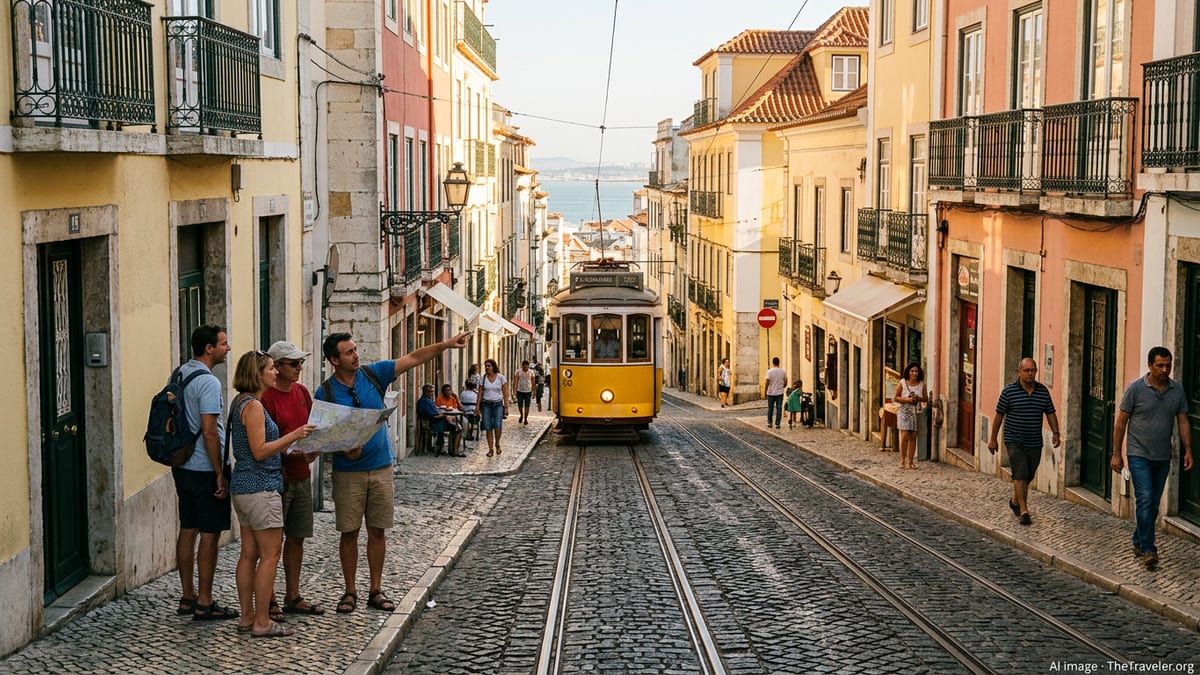
Portugal’s compact size and solid infrastructure make it relatively easy to get around, but some practical details routinely trip up visitors. One of the biggest is underestimating how hilly and uneven many cities are. Lisbon, Porto, and several coastal towns are famous for steep streets and traditional cobblestones that can be beautiful but slippery, especially when wet. Wearing fashionable but smooth-soled shoes can quickly turn sightseeing into a challenge and increase the risk of slips.
Those who rent cars sometimes focus on highway driving and forget that historic centers were never designed for modern vehicles. Narrow lanes, sharp turns, and limited parking are the norm in old districts. Relying entirely on navigation apps without considering these constraints can lead to stressful situations on tight streets, as well as fines if you accidentally drive into restricted zones. Checking ahead which neighborhoods are best explored on foot or by public transport and where it makes sense to park outside the center saves time and nerves.
Visitors who are used to inexpensive taxis everywhere also need to be mindful at airports and major train stations. While most drivers are honest, occasional overcharging does occur, particularly when travelers are tired after long flights and unsure of normal fares. Confirming the approximate cost before starting a ride, using the meter, or opting for reputable ride-hailing services can help avoid disputes at the end of the journey.
On public transport, another mistake is standing by the doors with bags unzipped while focusing on views or phones. Busy tram and metro lines in Lisbon and Porto are efficient ways to explore, but they are also places where pickpockets operate. Keeping bags close to your front, zipping pockets, and avoiding placing valuables in outer compartments are simple habits that dramatically reduce the risk of theft.
Overplanning Cities and Underestimating Smaller Places
Portugal’s headline destinations such as Lisbon, Porto, and the Algarve coast receive heavy attention in guidebooks and on social media. A frequent planning mistake is to cram itineraries with city checklists and famous viewpoints while leaving little time for smaller towns or countryside. This can make trips feel rushed and repetitive, while overlooking quiet villages, wine regions, or mountain landscapes that many travelers later describe as their favorite memories.
Another planning pitfall is assuming that because Portugal looks small on the map, you can comfortably cover large distances each day. Road trips that zigzag between the far north, central interior, and deep south in a short time often leave visitors exhausted and stuck in transit just when the light is best for strolling or lingering at a café. Building in more nights in fewer places and allowing days to unfold more slowly usually leads to a richer experience.
Within popular cities, travelers sometimes focus so heavily on headline attractions that they spend hours in queues during peak season, then complain about crowds. Booking timed entry where possible, visiting top sights early or late in the day, and sprinkling in lesser-known neighborhoods or local markets can balance the experience. You are less likely to feel overwhelmed and more likely to stumble across unplanned moments that feel genuinely Portuguese.
Finally, some visitors expect every corner of the country to be as English-speaking and tourist-oriented as central Lisbon. When they arrive in rural areas with fewer language options and slower service, they can feel disoriented. Approaching these places with curiosity, patience, and a few basic phrases turns potential frustration into one of the trip’s highlights.
Misunderstanding Food Culture, Meal Times, and Drinking Rules
Portugal has a rich, regionally varied food culture, yet many visitors default to familiar international dishes in the most touristy areas and then conclude that local cuisine is limited. Skipping traditional dishes such as grilled fish, stews, or simple pork sandwiches at neighborhood cafés can mean missing some of the country’s best flavors. Focusing only on heavily promoted eateries near major monuments is another mistake, as these spots sometimes prioritize speed and tourist menus over quality.
Meal structure can also surprise newcomers. Breakfast is often light, built around coffee and a pastry, while lunch and dinner can be more substantial. Sharing plates is common, and it is not unusual to linger over a bottle of wine or a digestif after eating. Visitors who insist on very fast service or treat meals purely as fuel may feel out of step with the local approach, where eating is viewed as a social event as much as a practical necessity.
Rules around alcohol can be stricter than some travelers realize. Although wine and beer are part of everyday life and often enjoyed with meals, open-container rules exist in many cities. Drinking on the street, particularly late at night and outside licensed areas, can attract fines and complaints from residents. Visitors sometimes assume that portable drinks are acceptable everywhere, which can lead to uncomfortable encounters with authorities or neighbors.
Finally, it is worth remembering that portion sizes can be generous, especially in traditional restaurants. Ordering multiple large dishes out of enthusiasm and then leaving much of the food untouched can be interpreted as wasteful. Asking staff about portion size or sharing plates is usually welcome and allows you to sample more without excess.
The Takeaway
Most missteps travelers make in Portugal stem from mismatched expectations rather than bad intentions. When you understand that the country values unhurried meals, modest but stylish dress, and a calm approach to daily life, it becomes easier to adapt and enjoy the experience. A little preparation around money, safety, and local rules also reduces the risk of unpleasant surprises.
By greeting people politely, giving yourself time to adjust to slower rhythms, and exploring beyond the most obvious sights, you will find that Portugal opens up in generous ways. The more you listen, observe, and move with the local flow, the less likely you are to commit the small mistakes that can overshadow a trip. Instead, you will return home with memories of warm encounters, overlooked corners, and the feeling that you engaged with the country on its own terms.
FAQ
Q1. Do I need cash in Portugal, or can I rely entirely on cards?
Cards are widely accepted in cities and at major attractions, but small cafés, markets, and traditional restaurants may prefer or only accept cash, especially outside big urban areas. It is sensible to carry some euros every day for smaller purchases.
Q2. Is Portugal safe for solo travelers?
Portugal is generally considered a safe destination, including for solo travelers, but common-sense precautions still apply. Keep an eye on your belongings in crowded places, avoid poorly lit areas at night, and let someone know your plans if you are hiking or visiting remote locations.
Q3. What should I avoid doing in Portuguese restaurants?
Avoid assuming that bread, olives, and small snacks are free, because they are usually charged if you eat them. Do not rush the meal or show visible impatience with unhurried service, and try not to speak loudly or use your phone on speaker at the table.
Q4. How late do people usually eat dinner in Portugal?
Many Portuguese people eat dinner later than visitors might expect. Restaurants often start dinner service around 7:30 in the evening, and in busy areas they may not be full until closer to 9 at night, especially on weekends.
Q5. Is it okay to drink alcohol on the streets in Portugal?
Local regulations vary, but many cities and towns restrict street drinking, particularly at night and in residential areas. To avoid problems, it is best to consume alcohol in licensed venues such as cafés, bars, and restaurants rather than walking around with open containers.
Q6. Do I need to speak Portuguese, or is English enough?
English is common in major tourist areas and among younger people, but less so in small towns and rural regions. Learning a few basic Portuguese phrases and using polite greetings is highly appreciated and can improve everyday interactions.
Q7. Are taxis and ride-hailing services trustworthy in Portugal?
Most licensed taxis and ride-hailing services operate reliably, but occasional overcharging can occur around airports and major stations. Check that the meter is on, ask for an approximate fare in advance, or use reputable ride-hailing apps to reduce the risk of disputes.
Q8. What should I know about visiting churches and religious sites?
Dress modestly by covering shoulders and avoiding very short shorts or low-cut tops, and speak quietly inside. Flash photography and disruptive behavior during services are frowned upon, so follow posted signs and observe how locals behave.
Q9. How can I avoid pickpockets in Portugal?
Keep valuables in zipped bags worn on the front of your body, avoid leaving belongings unattended, and be especially alert on crowded trams, metros, and in busy tourist zones. If someone creates a distraction or stands very close in a crowd, check your pockets and bag discreetly.
Q10. Is it worth visiting smaller towns, or should I focus on Lisbon and Porto?
Smaller towns, villages, and rural areas offer a quieter, often more traditional side of Portugal that many travelers consider a highlight. Balancing time in major cities with at least a few days in less visited regions usually leads to a more rounded and rewarding trip.