

Hudson Bay exerts a powerful pull on adventurous travelers, promising polar bears, beluga whales, northern lights and vast Arctic landscapes. Yet this remote region of northern Canada is also unforgiving to poor planning. Weather changes quickly, logistics can be complex and seasonal wildlife patterns are far more nuanced than many first-time visitors expect. Avoiding a handful of common mistakes can mean the difference between a frustrating, expensive ordeal and the life-affirming subarctic journey you were hoping for.
Misunderstanding Hudson Bay’s Seasons and Wildlife Windows
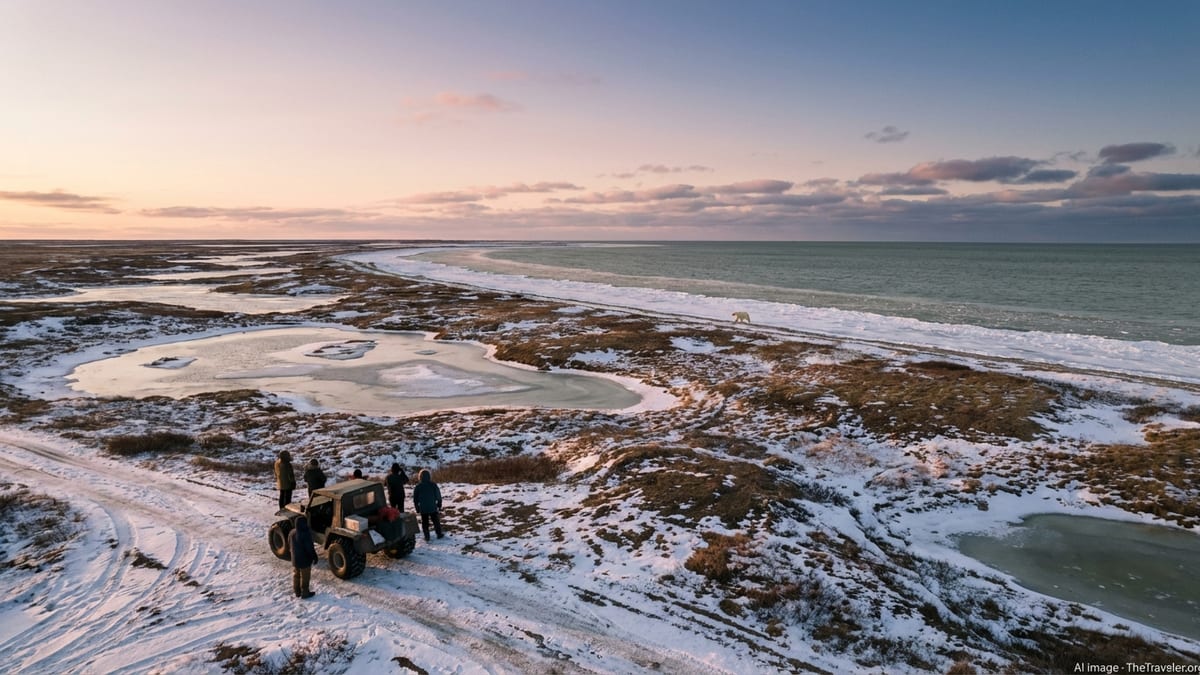
One of the biggest mistakes travelers make is assuming that Hudson Bay offers the same experiences all year round. In reality, this is a sharply seasonal destination, and the timing of your trip will determine almost everything you see and do. Around Churchill and other communities on the southwest edge of the bay, polar bear viewing generally peaks from mid October to mid November, when bears concentrate along the coast waiting for the sea ice to form. Outside that window, sightings are either less reliable or shift to very specific locations accessed by specialist operators.
Beluga whale encounters, by contrast, peak in July and August, when thousands of belugas gather in the warm, shallow waters around river mouths to calve, socialize and feed. If you arrive in late September expecting to float beside curious white whales and also see large numbers of polar bears, you may find you have missed the prime of both seasons. The same applies to northern lights. While aurora can appear roughly 300 nights a year in Churchill, the clearest, darkest skies for dedicated viewing typically occur in mid to late winter or early spring, not necessarily during peak polar bear season.
This seasonal complexity means you need to decide your priorities before you lock in dates. If polar bears are non negotiable, you will likely focus on late autumn. If belugas and tundra wildflowers are your dream, plan for mid summer. If your main goal is northern lights, you may be better off choosing a winter or early spring trip rather than trying to squeeze aurora viewing into an already full wildlife itinerary in October. Clarity about your main objective is the best antidote to seasonal disappointment.
Travelers also sometimes underestimate how climate variability can subtly shift wildlife patterns. Warmer or cooler years can influence sea ice formation and breakup, which in turn affects when bears gather along the shore or move out onto the bay. This does not make the trip a gamble, but it does mean your expectations should allow for natural variability and that you should work with operators who monitor conditions closely and build flexibility into their excursions.
Underestimating Remoteness, Access and Travel Time
On a map, Hudson Bay looks like it is just a long way north of Winnipeg, but many visitors still underestimate how remote it feels in person and how limited the travel options can be. There are no roads connecting Churchill to the rest of Manitoba. For most travelers, that means flying from Winnipeg on a small regional aircraft or, with more time, taking a multi day train journey across the boreal forest and tundra. Weather can disrupt flights, and train delays are not uncommon, so tightly timed connections and back to back international flights leave little room for error.
Another frequent mistake is assuming that you can base yourself in one town and spontaneously branch out across the wider Hudson Bay coastline. Outside a handful of communities, there is very little infrastructure, and many wildlife rich areas are only accessible by specialized tundra vehicles, charter aircraft or boats operated by licensed guides. Remote ecolodges on the coast, for example, require carefully scheduled charter flights that must align with both weather and fixed turnaround days. Treating those transfers like a simple shuttle can lead to missed connections and lost days on the ground.
Many travelers also underestimate how long it takes to get from their home city to the bay, particularly if they are coming from outside Canada. An evening arrival in Winnipeg followed by an early morning flight north might sound efficient, but long-haul jet lag, tight layovers and potential winter storms can make this plan risky. Building in an extra day in Winnipeg at the start and end of your trip not only reduces stress but also gives you a buffer if a storm system temporarily grounds flights or slows the train.
Finally, some visitors assume that they can improvise once they arrive, booking tours on the spot based on the weather. In peak seasons, especially during the prime polar bear weeks in October and November or beluga season in July and August, this is unrealistic. Capacity on tundra vehicles, small boats and guided excursions is limited and often fully booked months in advance. For a destination with such constrained access, firm arrangements are not an optional extra, they are the core of a workable plan.
Packing and Dressing for the Wrong Conditions
Another common pitfall is treating Hudson Bay like a generic cold weather destination and relying on a standard winter packing list. Conditions vary dramatically by season. Autumn polar bear season can bring temperatures hovering around freezing, windchill from strong coastal winds and sudden snow squalls. Deep winter nights can plunge to severe subzero temperatures, while summer days during beluga season can feel surprisingly mild but still turn raw on the water. Packing only light outdoor clothing or, conversely, only heavy ski resort gear often leaves travelers uncomfortable.
Layering is far more important here than any single heavy coat. You will spend long periods seated and relatively still on tundra vehicles, boats or aurora viewing platforms, where wind and lack of movement can make even moderate temperatures feel much colder. A good base layer, insulating mid layer and windproof outer shell, along with insulated boots and proper head and hand protection, are essential for most seasons. Many operators will provide or rent heavy parkas and boots, but you should confirm this well in advance instead of assuming it is included.
Misjudging footwear is particularly common. Streets in Churchill and other northern communities can be icy, uneven or snow covered for months. Thin city boots or fashionable shoes make walking difficult and increase the risk of slips and falls on hard packed snow or boardwalks. In summer, shorelines and riverbanks can be wet and muddy, so waterproof hiking boots with good traction are more practical than sandals or casual sneakers. A small mistake in footwear can have outsized consequences on a trip built around outdoor exploration.
Travelers also forget about the impact of cold on electronics and personal comfort items. Camera batteries drain quickly in low temperatures, and touch screen devices are awkward to use with heavy gloves. Bringing spare batteries, simple lens cloths for frost and condensation and gloves thin enough to work camera controls beneath a thicker pair can make a big difference. Lip balm, moisturizer and sunglasses are equally important in the dry, bright conditions of snow covered landscapes and on the reflective surface of open water or ice.
Overlooking Safety, Regulations and Wildlife Etiquette
Hudson Bay’s wildlife is a major draw, but failing to understand safety protocols and local regulations is a serious mistake. Polar bears are powerful, unpredictable predators, and encounters on shore are managed very carefully. In Churchill, for example, there are strict rules about how close vehicles and people can approach bears, where you can walk independently and what to do if a bear enters town. Visitors who assume they can wander outside marked areas for a better photo, or who are casual about leaving food unsecured, not only put themselves at risk but also place additional pressure on local resources and conservation efforts.
Reputable tour operators design their itineraries to respect both safety and animal welfare. That may mean watching bears from elevated tundra vehicles rather than on foot, staying a cautious distance from mothers with cubs, or limiting time near denning areas. With beluga whales, ethical operators follow guidelines that minimize disturbance, including controlled approaches, quiet engines and time limits around pods. Ignoring a guide’s instructions, calling out loudly or leaning too far over the side of boats for photographs can stress wildlife and create hazards in cold, choppy water.
Another overlooked aspect of safety is the region’s tide and ice dynamics. The tidal range in some parts of Hudson Bay is significant, and sea ice conditions in late autumn and winter can change quickly. Walking onto frozen surfaces or exploring rocky shorelines without local knowledge is dangerous. Ice that appears solid can conceal weak areas, and rising tides can cut off return routes. Travelers should treat all excursions away from town as guided activities unless they have deep local expertise and proper equipment.
Respecting local regulations extends beyond wildlife. Drone use, for example, is restricted or prohibited in many areas due to safety concerns, privacy and potential disturbance to animals. Alcohol regulations, firearm restrictions for bear protection and rules governing access to historical sites also vary. Taking time to understand these guidelines through your tour company or local visitor centers is an important part of responsible travel in the North.
Ignoring Indigenous Culture and Local Perspectives
Many visitors arrive focused on polar bears, whales and aurora and inadvertently overlook the human cultures that have sustained life along Hudson Bay for generations. This is a mistake not only ethically but experientially. Cree, Inuit, Dene, Métis and other Indigenous communities have long histories here, with deep knowledge of the land, sea ice and wildlife. Their perspectives can enrich your understanding of the region far beyond what you would gain from wildlife viewing alone.
Failing to schedule time for cultural experiences often means reducing Indigenous presence to a brief mention on a tour commentary rather than an active part of the journey. In Churchill and other communities, there are opportunities to visit cultural centers, hear stories from Elders, learn about traditional harvesting and contemporary life in the North and, in some cases, participate in workshops or community events. These encounters require time in your itinerary and a willingness to prioritize more than just photographic checklists.
Travelers also sometimes overlook the importance of consent and respect when photographing people and cultural sites. Pointing a camera at residents without asking, treating local art or artifacts as props or speaking about communities in purely touristic terms can create tension. A more thoughtful approach involves asking permission before taking portraits, learning basic greetings, listening more than you speak and understanding that the Arctic is not an empty wilderness but a lived-in homeland.
Supporting locally owned businesses is another way to avoid this mistake. Choosing tours, accommodations and restaurants that are owned or staffed by residents helps ensure that a fair share of tourism revenue stays in the community. Purchasing authentic local art and crafts and learning about the stories behind them further deepens the connection. In a place where costs are high and economic opportunities can be limited, these choices matter.
Mismanaging Budget, Availability and Expectations
Hudson Bay trips, especially to Churchill and remote coastal lodges, are rarely inexpensive. A frequent planning error is underestimating costs and then cutting essential elements to stay within a budget. Flight prices to remote communities, specialized vehicles, highly trained guides, safety infrastructure and imported supplies all contribute to higher prices than in more accessible destinations. Attempting to economize by booking the absolute shortest trip or eliminating guided activities can leave you little flexibility if bad weather cancels a day of excursions.
Another trap is failing to recognize how quickly prime dates and limited capacity sell out. Some polar bear and beluga packages are booked many months, even a year or more, in advance. Waiting until late in the planning process can leave you with second choice dates that do not align with the best wildlife windows or force last minute compromises on accommodation. In some seasons, there may be only a handful of departures that fit your schedule, and they can disappear quickly.
Managing expectations is equally important. A trip to Hudson Bay is a true nature based journey, not a curated theme park experience. Wildlife encounters are likely, and reputable operators base their marketing on long term patterns, but specific sightings are never guaranteed. Weather can obscure northern lights, bears may remain further inland than usual early in the season, or beluga pods may be more dispersed during certain tidal stages. Approaching the trip as a chance to immerse yourself in a dynamic Arctic coastal ecosystem rather than a checklist helps you appreciate whatever conditions you encounter.
Insurance is another area where travelers sometimes cut corners. Given the remoteness, the cost of last minute changes and the possibility of weather related disruptions, comprehensive travel insurance that covers trip interruption and evacuation is particularly valuable. It is not a pleasant topic, but acknowledging the realities of remote travel is part of planning a responsible Hudson Bay adventure.
The Takeaway
A journey to Hudson Bay is never routine. The combination of polar bears, beluga whales, northern lights and stark tundra landscapes makes this region one of the world’s great nature travel experiences, but it rewards careful preparation. Misreading the seasons, underestimating remoteness, packing for the wrong conditions, overlooking safety and local culture, or cutting critical corners in your budget can all erode the magic you came to find.
Thoughtful planning, grounded in realistic expectations and respect for both the environment and its people, will serve you better than any checklist of must see sights. Work with experienced operators, give yourself time buffers around travel, pack for variable conditions, and remain flexible once you arrive. If you do, you will be far better placed to experience Hudson Bay not just as a backdrop for photographs but as a living, changing subarctic world that stays with you long after you return home.
FAQ
Q1. When is the best time to visit Hudson Bay for polar bears?
The most reliable period to see large numbers of polar bears near Churchill is typically from mid October to mid November, when bears gather along the Hudson Bay coast waiting for sea ice to form.
Q2. Can I see beluga whales and polar bears in the same trip?
It is possible but challenging. Beluga viewing peaks in July and August, while prime polar bear season is in late autumn. Some late summer trips focus on belugas with a chance of a few bears, but expecting full strength seasons for both in one short visit can lead to disappointment.
Q3. How cold does it really get during a Hudson Bay trip?
Temperatures vary by season, from cool, breezy days around freezing in autumn to severe subzero conditions in mid winter, especially with windchill. Even in summer, wind on the water can make conditions feel much colder than the thermometer suggests.
Q4. Do I need special clothing or can I use my usual winter gear?
Your usual winter gear may not be enough on its own. Plan a proper layering system with moisture wicking base layers, warm mid layers, a windproof outer shell, insulated boots and serious gloves and headwear. Many operators supply heavy parkas and boots, but you should confirm in advance.
Q5. Is it safe to walk around town with polar bears nearby?
Northern communities near Hudson Bay have detailed bear safety protocols, and residents take them seriously. Visitors should follow local advice, stay within recommended areas, avoid walking alone late at night and always heed warnings from guides, hotels and authorities.
Q6. How far in advance should I book a Hudson Bay trip?
For peak polar bear or beluga seasons, booking six months to a year in advance is sensible, especially if you have fixed dates or want specific lodges or tour operators. Last minute availability during prime weeks is limited.
Q7. Can I plan activities once I arrive or should I pre book everything?
In peak season, guided excursions and tundra or boat tours often sell out. You should secure core activities, such as polar bear viewing or beluga trips, well before arrival. Leaving everything to chance on the ground is risky in such a capacity constrained destination.
Q8. Will I definitely see the northern lights?
No operator can guarantee aurora sightings. Churchill and other Hudson Bay communities lie under a favorable auroral zone, but clear skies and solar activity are still required. Visiting during darker, clearer months and staying several nights increases your chances.
Q9. Is travel insurance really necessary for Hudson Bay?
Given the region’s remoteness, weather related disruptions and the cost of last minute changes, robust travel insurance that covers delays, interruptions and emergency evacuation is strongly recommended rather than optional.
Q10. How can I make sure my trip benefits local communities?
Choose locally owned operators and accommodations where possible, support Indigenous led cultural experiences, buy authentic local art and crafts and approach residents and their traditions with patience and respect. These choices help ensure tourism contributes positively to the region.