

Every autumn, travelers from around the world arrive in Churchill, Manitoba, hoping for a once-in-a-lifetime encounter with wild polar bears along the edge of Hudson Bay. The experience can be extraordinary, but the Arctic environment, strict safety protocols, and limited infrastructure mean it is also surprisingly easy to make avoidable mistakes. Understanding how Churchill works during polar bear season, and how the local community coexists with these powerful predators, will help you stay safe, respect the town, and make the most of your short time on the tundra.
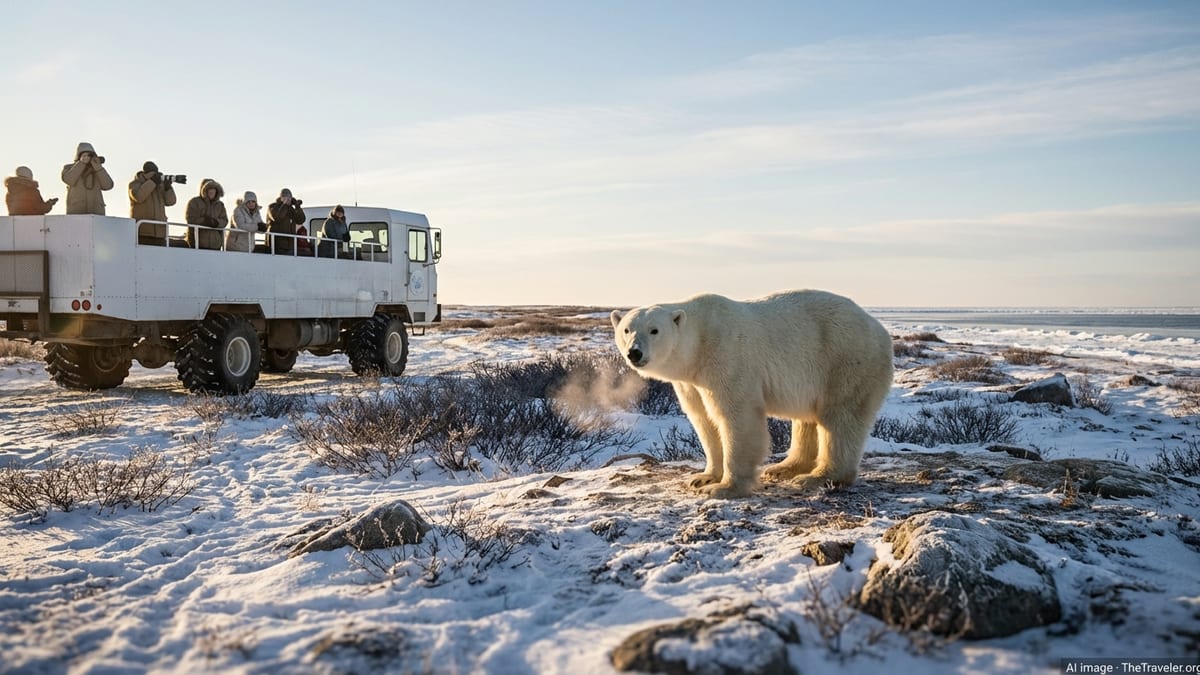
Misunderstanding When Polar Bear Season Really Is
One of the most common mistakes visitors make is assuming that polar bears are easy to see year-round in Churchill. While bears can occasionally be spotted in summer or early winter, the classic polar bear season that most people imagine is relatively short. The most reliable time to see numerous bears gathered near Hudson Bay is usually from mid October to mid November, when they wait for the sea ice to form so they can head out to hunt seals again. Outside this window, sightings become far less predictable, and planning a trip on the wrong dates can lead to disappointment.
Travelers also sometimes underestimate how quickly demand for this narrow season surges. Many specialized polar bear tours, tundra vehicle departures, and small lodges sell out months, and sometimes a year, in advance. Waiting until late summer to book an October or November trip can leave you with few or very expensive options. If seeing polar bears is your primary goal, it is wise to choose your travel dates first based on bear behavior, then organize flights, tours, and accommodation as early as you can.
Another timing misconception involves trying to combine very specific experiences in too short a stay. For example, visitors may expect guaranteed northern lights, frequent up close bear sightings, and comfortable weather on a three or four day trip. The reality is that Churchill’s conditions change quickly, from blizzards to clear skies, and wildlife sightings are never guaranteed. Building in an extra day or two reduces the risk that storms, mechanical issues, or schedule changes will significantly cut into your bear viewing opportunities.
Finally, some travelers arrive in Churchill toward the very end of the season without realizing that conditions and bear behavior can shift in a matter of days once the bay begins to freeze. When good ice finally forms, many bears quickly head offshore, and sightings near town and on the tundra can drop. Local tour operators track these changes closely, so it is worth checking in with them when choosing dates instead of relying solely on generic descriptions of “October and November” as polar bear season.
Underestimating Safety in True Polar Bear Country
Churchill looks like a small, friendly Canadian town, but it sits in the heart of polar bear country, and that reality dictates daily life in ways many newcomers do not expect. A serious mistake is treating polar bears as if they were distant, zoo style attractions instead of powerful wild predators that sometimes move through town itself. Parks staff and local authorities emphasize that whether you are on the outskirts of Churchill, along the shoreline, or even downtown, you share the environment with bears and must stay alert.
Visitors are often surprised to learn that something as simple as stepping outside after dark can carry real risk at certain times of year. During peak bear season, residents are advised not to walk at night, especially after about 10 p.m., and to use vehicles or taxis instead of traveling on foot. Some buildings and vehicles are intentionally left unlocked so that anyone who unexpectedly encounters a bear can reach shelter quickly. Treating these practices as overly cautious, or ignoring warning signs posted around town, can put both people and bears in danger.
Another frequent misstep is assuming that personal judgment is enough in the field. On the tundra, visibility can be limited, and bears can be surprisingly well camouflaged against rocks, snow, and thin ice. Manitoba conservation officers operate a dedicated Polar Bear Alert program, with patrols and a 24 hour hotline, but they rely on visitors and residents to follow instructions, respect closures, and report bear sightings near town. Walking beyond marked safe areas, approaching shorelines or rock outcrops without a guide, or lingering near seal or whale carcasses that might attract bears is not just careless, it undermines the careful management that keeps people and wildlife safe.
Finally, a dangerous assumption is that a bear that seems calm or disinterested is harmless. Polar bears may appear sleepy or unconcerned near tundra vehicles or at a distance, but they remain large, opportunistic predators capable of changing behavior quickly. Getting too close for a photo, crowding a bear’s path, or reacting slowly when a guide instructs you to move inside can escalate a routine sighting into a serious safety incident. Respecting the rules, however strict they may seem, allows you to observe these animals in a way that protects both visitors and bears.
Ignoring the Crucial Role of Local Guides and Regulations
Another major mistake in Churchill is underestimating how tightly regulated polar bear viewing is, and how essential experienced guides are to having a safe and ethical trip. Some travelers imagine they can simply rent a vehicle, drive out of town, and search for bears along gravel roads and the shoreline. In reality, self driving in search of bears is strongly discouraged, and certain key viewing areas can only be accessed on licensed tundra buggies or specialized vehicles that operate on designated routes within wildlife management zones.
Permitted tour companies and local guides do far more than point out animals. They track recent bear movements, weather patterns, and ice conditions, communicate with conservation officers, and coordinate with other operators to reduce crowding around individual bears. They also carry safety equipment and know how to manage the distance between visitors and wildlife. Skipping professional guidance not only increases your risk, it can also lead you unintentionally into restricted areas where you may face fines or be turned around by authorities.
Some visitors make the mistake of viewing regulations as obstacles instead of as the framework that makes Churchill’s remarkable bear viewing possible. For example, strict rules govern how close vehicles can approach bears, how long they can remain near one individual, and where people are allowed to step off the vehicle, if at all. These measures are designed to minimize stress on the animals and prevent them from associating humans or vehicles with food. Pressuring guides to “get closer” or to bend the rules for a better photograph puts them in a difficult professional position and can create safety problems for everyone involved.
It is also easy to overlook how much planning goes into a single day on the tundra. Operators must coordinate departure times with tides, daylight hours, and the condition of access roads, all in an environment where storms and sudden whiteouts are common. Expecting rigid, unchangeable schedules or becoming frustrated when a guide adjusts plans in response to weather or a safety alert is a mistake. Flexibility and trust in local expertise are essential components of a rewarding Churchill trip.
Packing Poorly for an Extreme and Changeable Climate
Even seasoned travelers are sometimes caught off guard by Churchill’s climate during polar bear season. A common mistake is assuming that ordinary winter clothing from a milder climate will suffice on the tundra. In October and November, temperatures often sit well below freezing, and wind over the open flats can make conditions feel far colder. Hours spent standing on an outdoor viewing platform or photographing from an open tundra buggy deck demand proper cold weather layering, including thermal base layers, warm mid layers, windproof and waterproof outer shells, insulated boots, and serious hats and mittens.
Another oversight is forgetting how much the cold affects electronics. Batteries in phones, cameras, drones, and audio equipment drain rapidly in freezing air. Visitors who bring only one camera battery or a single memory card may find them unusable just when the best bear activity occurs. Packing extra batteries, keeping them close to your body for warmth, and carrying sufficient storage cards is basic preparation that can make the difference between coming home with a handful of photos and capturing a full range of encounters.
Many travelers also under prepare for the dry, sometimes abrasive environment. Cold winds and low humidity can quickly dry skin and lips, especially on the tundra, while glare from snow and ice can be intense. Neglecting to bring lip balm, skin moisturizer, and high quality sunglasses can lead to unnecessary discomfort that distracts from the experience. Simple items like chemical hand warmers, neck gaiters, and spare socks can dramatically increase your comfort level during long days in the field.
Finally, some visitors pack as though they are headed only to remote wilderness, forgetting that Churchill is an active community with restaurants and indoor attractions. Leaving behind casual indoor clothing, or neglecting to bring comfortable shoes for walking around town during the day, can make evenings less enjoyable. The key is to plan for two parallel experiences: serious Arctic conditions out on the tundra, and warm, welcoming indoor environments in town. Packing for both will help you shift comfortably between them.
Misjudging Costs, Logistics, and Limited Services
Churchill sits on the remote shore of Hudson Bay without road access from the rest of Manitoba, and that reality shapes both the cost and logistics of any visit. One major mistake is underestimating how quickly expenses add up. Travelers are sometimes surprised to discover that seeing polar bears in Churchill is not a budget trip: flights or trains to town, specialized wildlife tours, and limited but in demand accommodation all carry higher price tags than similar services in more accessible destinations. Waiting until the last minute to book often makes this worse, as affordable rooms and tours tend to disappear first.
Logistical miscalculations are just as common. Because there is no highway to Churchill, visitors must arrive either by plane or by a multi day train journey, both of which can be affected by weather. Building a tight connection between international flights and your Churchill departure, or allowing only a short window between your time on the tundra and your journey home, leaves little room for delays caused by snowstorms, strong winds, or operational issues. A more realistic approach is to allow buffer days on either side of your Churchill segment, particularly during late fall.
Another source of frustration for unprepared travelers is the limited range of services in a town of fewer than a thousand residents. Dining options, shops, and activities outside of tours are concentrated and can be busy in peak season. Assuming you can simply walk into any restaurant at any hour, or that you will be able to purchase all the gear you forgot to pack upon arrival, often leads to disappointment. Making at least a loose plan for where you will eat, how you will get around town, and what you will do during downtime will help manage expectations.
Visitors also sometimes overlook how the entire community adapts its routine during bear season. Taxi services, hotel shuttles, and tour operators may adjust hours based on daylight and bear activity. Public transportation is minimal or nonexistent, so relying on casual walking to cover longer distances, particularly at night, is not realistic or safe. Coordinating with your lodge or tour company about transfers, and being prepared to use taxis instead of walking, will make your stay smoother and safer.
Disregarding Local Culture, Rules, and Community Impact
Churchill’s residents live with polar bears year round, not just during the few days or weeks that visitors pass through, and treating the town as a temporary backdrop instead of a community is a mistake. One way this shows up is in how people respond to safety practices. Locked trash bins, green polar bear warning signs, vehicles left running momentarily outside stores, and specific routes locals take through town are all part of a carefully developed system to reduce risky encounters and to protect both people and wildlife. Ignoring these cues, or questioning them loudly as if they were overreactions for tourists’ sake, can come across as dismissive of local experience.
Another misstep is failing to appreciate that polar bears, while central to tourism, are not a theme park attraction for the people who live there. For residents, the presence of bears may mean children cannot walk to school at certain times of year, or that a normal evening errand requires a vehicle instead of a short stroll. The Polar Bear Alert program, sometimes informally called the bear patrol, operates to keep the community safe and to avoid unnecessarily harming bears. Treating their work as spectacle, or trying to interfere with their operations for the sake of a photograph, undermines the respect that enables visitors to share in this environment.
Simple gestures can go a long way. Supporting locally owned businesses, from cafés and restaurants to art galleries and outfitters, recognizes that tourism is an important part of Churchill’s economy. Taking the time to learn about Indigenous cultures in the region, and to visit cultural centers or museums in town, deepens the experience beyond wildlife viewing alone. Being patient when services are stretched during peak season, and recognizing that many people hold multiple roles in the community, helps maintain a positive atmosphere for everyone.
Photography etiquette is another area where visitors sometimes misjudge their impact. Using drones near wildlife or over town without checking regulations, pointing cameras aggressively at residents going about their day, or blocking sidewalks and shop entrances while trying to capture murals or street scenes can all cause friction. Asking permission when photographing people, keeping equipment clear of doorways, and respecting any no photography signs are simple steps that show consideration for the community hosting your visit.
Arriving Unprepared for On the Ground Safety Habits
Even visitors who understand the general risks of polar bear country sometimes arrive in Churchill without clear, practical habits in mind. One common oversight is forgetting to check surroundings before leaving buildings or vehicles. Local guidance emphasizes the importance of quickly scanning alleys, blind corners, and open areas before stepping outside, particularly in early morning or evening hours during the height of bear season. It is a simple practice that becomes second nature to residents, yet many visitors never do it unless reminded.
Another area where travelers stumble is in nighttime behavior. Despite clear advice from local authorities and tour companies, people occasionally decide to walk short distances at night, reasoning that “it is just around the corner” or that the chances of encountering a bear are low. This thinking overlooks the reality that most bears are very quiet and can move quickly, and that some of Churchill’s streets run close to shorelines and rock outcrops where bears may rest. A more cautious approach is to treat any nighttime errand as requiring a vehicle, taxi, or arranged ride, no matter how short the distance appears on a map.
Visitors also sometimes neglect to save important local phone numbers or to understand basic response steps if they spot a bear near town. Conservation officers encourage residents and guests alike to report any bear seen within or near the community, even if the bear appears to be walking away. Waiting to see what happens, or trying to photograph the animal before alerting authorities, can cost valuable time in an environment where officers respond quickly to move bears away from populated areas. On arrival, ask your hotel or guide which numbers to store in your phone and what they recommend you do in an emergency.
Finally, some guests are hesitant to speak up when they notice something that feels unsafe, whether it is a door left propped open at night or someone in their group wandering too far from a building. In Churchill, safety is a shared responsibility, and locals generally appreciate visitors who take it seriously. Asking questions, clarifying instructions with your guide, and reminding fellow travelers of agreed upon rules is not being overly cautious; it is part of participating respectfully in life in polar bear country.
The Takeaway
A successful trip to Churchill during polar bear season depends less on luck and more on preparation, respect, and realistic expectations. The most common visitor mistakes often stem from treating the destination like an ordinary small town with a wildlife attraction, rather than a remote Arctic community built around coexistence with one of the world’s largest land predators. By choosing your travel dates carefully, budgeting for the true costs of a remote journey, and giving local guides and authorities your full trust, you lay the groundwork for a safe and memorable experience.
Equally important is embracing the habits and rules that residents follow every day, from not walking at night to scanning outside before you step through a door. Packing serious cold weather gear, backing up your camera batteries, and planning extra time for weather or logistical surprises turn potential frustrations into manageable parts of the Arctic adventure. When you approach Churchill with humility and curiosity, you not only increase your chances of extraordinary polar bear encounters, you also contribute positively to a community that makes those encounters possible.
Ultimately, the magic of Churchill lies in its combination of raw northern landscapes, remarkable wildlife, and the resilience of the people who call Hudson Bay home. Avoiding the common pitfalls that catch unprepared visitors will help ensure that your memories are filled with quiet moments watching bears on the tundra, stories shared in warm local cafés, and a deeper understanding of what it means to live, even briefly, in true polar bear country.
FAQ
Q1. When is the best time to visit Churchill for polar bear viewing?
The most reliable polar bear viewing typically occurs from mid October to mid November, when bears gather along Hudson Bay waiting for the sea ice to form.
Q2. Is it safe to walk around Churchill at night during polar bear season?
No, walking at night during bear season is strongly discouraged. Residents and authorities advise using vehicles or taxis after dark rather than traveling on foot.
Q3. Do I really need to join a guided tour to see polar bears?
Yes, guided tours are the safest and most responsible way to view polar bears. Licensed operators know the terrain, follow regulations, and maintain proper distances from the animals.
Q4. How cold does it get in Churchill during polar bear season?
Temperatures in October and November are often well below freezing, and wind over the open tundra can make it feel significantly colder, especially on exposed viewing decks.
Q5. Can I drive to Churchill from elsewhere in Manitoba?
No, there is no road connection to Churchill. Visitors typically arrive by plane or by a multi day train journey from farther south in Manitoba.
Q6. What should I pack for a polar bear trip to Churchill?
Pack serious cold weather layers, insulated boots, windproof outerwear, warm hats and mittens, sunglasses, skin and lip protection, and extra batteries and memory cards for electronics.
Q7. Are polar bear encounters in town common for visitors?
Direct encounters are rare because of strict safety measures, but bears can move near or through town. That is why alertness, obeying signs, and following local advice are essential.
Q8. How far in advance should I book my Churchill polar bear trip?
It is wise to plan many months in advance, especially for peak dates in late October and early November, as tours, flights, and accommodation often sell out.
Q9. Can I rely on buying missing winter gear once I arrive in Churchill?
Selection in town is limited and can be expensive. You should arrive with all essential cold weather gear rather than counting on purchasing major items after you get there.
Q10. Is photographing polar bears from very close range allowed?
No, strict rules limit how close vehicles and people may approach bears. Responsible photography keeps a safe distance and follows guide and operator instructions at all times.