

Connecticut rewards curious travelers with rocky shorelines, historic town greens, and forested hills that glow each autumn. It also has its own rhythms, rules, and local sensitivities that can surprise first-time visitors. From driving norms on tight parkways to confusing beach fees and underestimated winter storms, small missteps can quickly complicate an otherwise easy New England getaway. Understanding a few Connecticut-specific quirks before you arrive will help you travel more smoothly, respect local communities, and see more of the state’s best without costly or frustrating detours.
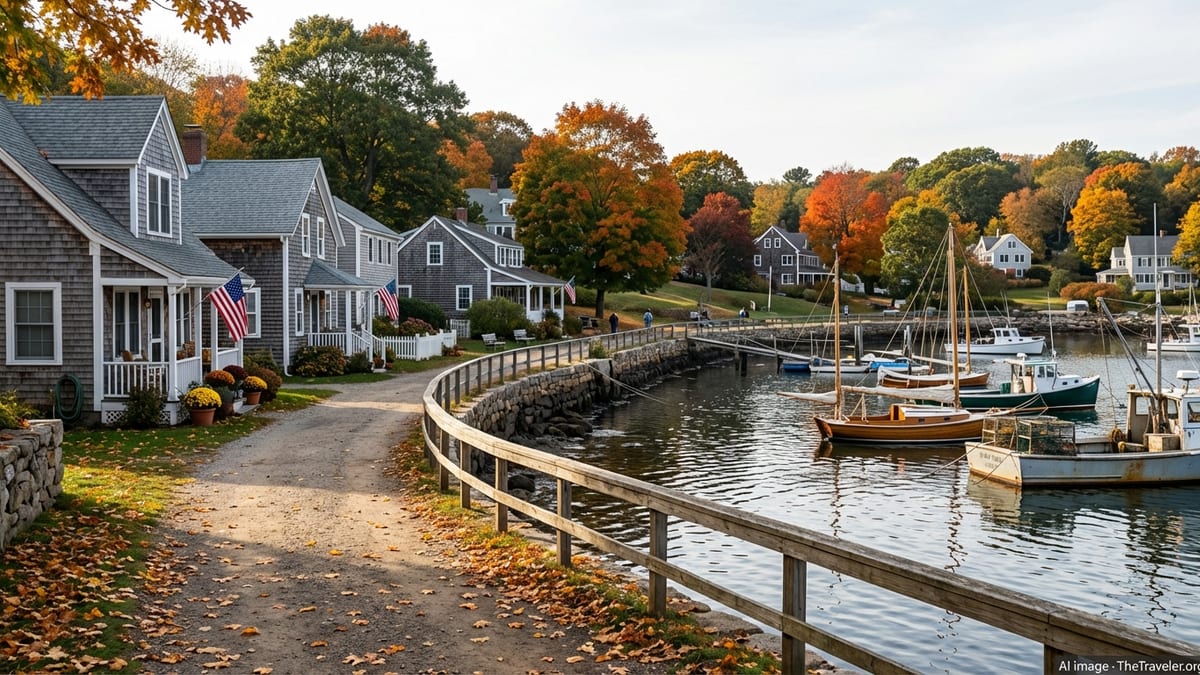
Underestimating Distances, Seasons and Weather Shifts
On a map, Connecticut looks compact, and many visitors assume they can cover the state in a single ambitious day. In practice, traffic on Interstate 95, winding back roads in the Litchfield Hills, and frequent construction zones slow travel much more than people expect. A drive from the New York border to Mystic can easily stretch beyond two hours in summer or on fall weekends, especially when day-trippers converge on coastal towns and attractions. Leaving thin margins between stops often means rushed visits, missed reservations, or arriving at state parks and museums just as they close.
Another frequent mistake is misreading the rhythm of New England seasons. Summer on the shoreline can feel humid and crowded, while inland hills may be cooler. Autumn foliage can start in the northwest hills in late September and not fully reach the coast until late October or even early November, so “peak” colors vary by region each year. Winter storms can also surprise travelers who assume coastal Connecticut is mild; inland towns and higher elevations often see heavier snow, and even a single nor’easter can snarl roads and cause power outages.
Packing only for the season on paper rather than the variability on the ground is a common regret. Even in July, evenings on the Long Island Sound can be breezy and cool. In October, a sunny afternoon in Hartford can turn into a chilly evening in Mystic with a noticeable temperature drop near the water. Layers, waterproof outerwear, and sturdy footwear work better than fashion-forward but impractical outfits, especially if you plan to combine city strolls with short hikes or lighthouse walks.
Travelers also frequently misjudge daylight, which matters for scenic drives and coastal views. In late fall and winter, darkness comes early, and that dreamy back-road loop through covered bridges or along the Sound can become a tense after-dark drive on unfamiliar roads. Building itineraries around available daylight rather than trying to maximize the number of stops leads to more relaxed days and better photos.
Misreading Connecticut’s Driving Rules and Road Culture
For many visitors, the most jarring part of a Connecticut trip is not the weather but the driving culture. The state blends dense urban corridors with rural lanes, and locals are used to quick highway merges, short on-ramps, and aggressive lane changes. Out-of-state drivers sometimes drift along in the left lane on major highways, unaware that lingering there is discouraged and now more clearly restricted by state law intended to curb left-lane “camping.” Failing to keep right except when passing can irritate local drivers, disrupt traffic flow, and increase the odds of dangerous tailgating.
Another common mistake is treating the Merritt Parkway and Wilbur Cross Parkway like any other regional highway. These scenic routes, with their low historic bridges and tighter curves, prohibit most commercial vehicles and large trucks and are not ideal for nervous drivers unfamiliar with short entrance ramps. They are beautiful for leaf-peeping and Sunday drives but demand full attention, steady pace-keeping, and advance awareness of exits. If you are driving a rental SUV and not comfortable with quick merges, major interstates such as I‑91 and I‑95 are often a better choice.
Visitors also frequently underestimate the strictness of parking enforcement in popular destinations. Mystic, shoreline villages, and busy downtowns often have time-limited or resident-priority parking, and towns have been tightening enforcement and raising fines to combat congestion and illegal parking. Ignoring time limits, backing into spaces that specify head-in only, or parking casually along narrow residential streets near attractions can quickly lead to tickets or towing. Many towns post detailed rules on street signs; building five minutes into your schedule to read them can save a lot of money and frustration.
Finally, out-of-state drivers sometimes forget that weather and traffic conditions can change rapidly. Heavy summer thunderstorms can turn local roads slick and reduce visibility, while winter storms or coastal nor’easters may trigger temporary advisories and partial travel restrictions for certain vehicles. Checking local forecasts and state transportation updates before long drives, and giving yourself time to slow down when conditions deteriorate, aligns your habits with local expectations and keeps you from being the outlier on the road.
Misunderstanding Beaches, Fees and Coastal Access
Connecticut’s shoreline is a major draw, but its beach access rules catch many visitors off guard. Unlike some neighboring states with mostly state-run beaches, Connecticut has a patchwork of municipal beaches, town-only facilities, and state parks. Town-operated beaches often charge much higher parking or day-use fees for nonresidents than for locals, and some require seasonal or daily passes that must be purchased from town halls or kiosks. Travelers who arrive assuming free or low-cost parking sometimes face steep day rates at the gate, particularly in affluent shoreline towns at the height of summer.
Another common misunderstanding is assuming that a public-sounding name guarantees open access without conditions. Court decisions have reinforced that towns cannot outright bar nonresidents from public beaches, but municipalities can and do manage access through pricing and parking rules. While many state parks on the coast allow free parking for vehicles registered in Connecticut and charge lower, flat fees for out-of-state plates, town beaches may maintain resident-only lots or require passes through Labor Day or even into the fall shoulder season. Failing to research which beaches are state-run and which are municipal can lead to long detours as you search for an accessible stretch of sand.
Visitors also sometimes misjudge seasonal timing. Many Connecticut beaches operate on a pay-to-park or pass system from Memorial Day to Labor Day, with some extending enforcement into September or October. Others relax or eliminate parking fees after Labor Day, drawing autumn visitors seeking quieter walks on the sand. Planning a coastal foliage or off-season trip without confirming whether fees remain in place can leave you either pleasantly surprised or unexpectedly over budget. Checking recent information about beach seasons and parking policies for your target towns before you go will help you build a realistic cost picture.
Respect for local beach etiquette is just as important as understanding rules and fees. Shoreline communities have grown increasingly sensitive to litter, noise, and crowding, especially near small neighborhood beaches. Leaving no trash behind, keeping noise low in residential areas, observing rules about alcohol and fires, and paying attention to signs about protected dunes or nesting birds all help preserve local goodwill. Travelers who treat Connecticut’s coastline like a backyard rather than a backdrop tend to be welcomed back.
Rushing Leaf Season and Outdoor Experiences
Connecticut is known for one of New England’s longest fall foliage seasons, which slowly moves from the northern hills to the southern shoreline over several weeks. A frequent visitor mistake is assuming there is a single perfect “peak weekend” that covers the whole state. In reality, the Litchfield Hills and higher elevations often turn earlier, while river valleys and coastal areas reach full color later. Chasing one Instagram-perfect weekend can lead to disappointment if you head to coastal drives too early or arrive in the northwest hills after many leaves have already fallen.
Another misstep is treating fall foliage as purely a driving spectacle. Many of the state’s best views are reachable only via short walks or hikes, and visitors who stay in their cars miss elevated overlooks, ridgeline vistas, and quieter backcountry trails. The Connecticut Department of Energy and Environmental Protection highlights both scenic drives and walking routes for leaf peeping, and locals often build fall weekends around a mix of drives and on-foot exploration. Packing suitable shoes and leaving time for even one or two short hikes will transform a leaf-peeping day from a long car ride into an immersive experience.
Beyond fall, visitors sometimes overlook the variety of outdoor activities available in other seasons. Spring brings wildflowers to state forests and rivers swelled with snowmelt, while summer is ideal for kayaking tidal estuaries and swimming in inland lakes. Winter can be strikingly beautiful in wooded parks and around covered bridges, yet many travelers assume the entire state shuts down between December and March. As long as you are prepared for cold and potential snow, quiet winter hikes, cross-country skiing, and uncrowded coastal walks can be highlights of a trip.
Failing to account for local capacity and environmental impact is another subtle but important mistake. Popular waterfalls, swimming holes, and cliff viewpoints have faced crowding and erosion as social media has brought them wider attention. Some parks have responded with limited hours or temporary closures during peak strain. Visiting early in the day, sticking to marked trails, obeying closure signs, and choosing less-publicized parks or midweek days help distribute impact and maintain the landscapes that make Connecticut appealing in the first place.
Overlooking Small Town Norms and Local Sensitivities
Connecticut’s postcard scenes are often found in small towns, from colonial greens to maritime villages. Visitors sometimes treat these places as purely tourist backdrops, forgetting that they are also tight-knit communities with year-round residents. That disconnect can appear in behaviors like blocking private driveways while pausing for photos, sitting on private stone walls, cutting across lawns for shortcuts, or crowding the entrances of small shops without buying anything. Local frustration rises when everyday routines such as grocery runs, school pick-ups, and commutes become difficult each weekend because visitors treat downtown streets as open-air museums.
Another frequent misstep is assuming that all shoreline or rural towns are eager to expand tourism endlessly. Some have already seen significant pressure on housing, infrastructure, and public services from short-term rentals and seasonal crowds. In such places, attitudes toward visitors can be complex: shopkeepers may welcome business, while residents feel squeezed by traffic and parking constraints. Travelers who recognize this complexity and move with humility, patience, and awareness often find warmer interactions than those who arrive with an entitled attitude.
Sound etiquette in small towns is straightforward but easily overlooked. Park only where allowed, avoid idling in front of private homes, keep outdoor conversations and music moderate in the evenings, and ask before photographing people, children, or private events such as weddings or local ceremonies on the town green. Choosing locally owned cafes and shops over chain stores, tipping generously in seasonal destinations, and greeting staff and residents with basic politeness all reinforce the sense that you are a guest rather than a temporary occupier of their space.
Visitors also sometimes expect big-city hours in small towns, especially inland. Many boutiques and independent restaurants close earlier than travelers from large metropolitan areas might anticipate, and some are closed midweek or in the off-season. Before planning a late dinner or end-of-day shopping, check opening hours and be ready with a backup plan in nearby larger towns. Respecting posted hours and not pressuring staff to stay open past closing time is a small but meaningful way to support communities that rely heavily on seasonal business.
Planning Only Around Cities and Missing the Variety
A number of travelers treat Connecticut as a pass-through state between New York and Boston, stopping briefly in one or two cities and moving on. While cities like New Haven, Hartford, Stamford, and Bridgeport offer worthwhile museums, architecture, and dining, focusing solely on them obscures much of what makes the state distinctive. The contrasts between coastal communities, inland river valleys, and hilly northwest corners are part of Connecticut’s appeal, and restricting your itinerary to a single corridor yields a skewed impression of the state.
Another planning mistake is underestimating the time needed to experience attractions fully. The Mystic area alone can fill multiple days with maritime museums, historic streets, aquarium visits, and nearby beaches or vineyards, yet some visitors try to combine it with a full tour of New Haven or Hartford in the same day. Similarly, the Connecticut River Valley and Litchfield Hills reward slow travel: driving between antique shops, farms, covered bridges, and small inns works best with time set aside for spontaneous stops, local festivals, and detours.
Rail and bus visitors sometimes assume that once they arrive in a city, reaching outlying attractions will be simple. Public transit exists along the main corridors, but many rural sites and state parks are difficult to reach without a car or rideshare, particularly outside commuting hours. If you prefer not to drive, choosing a base in a city with walkable neighborhoods and planning a few well-targeted excursions via guided tours or occasional car rentals can be more satisfying than building an itinerary around dispersed rural points you cannot easily reach.
Finally, some visitors underuse Connecticut as a flexible base for regional exploration. With thoughtful planning, it can anchor trips that include day excursions to western Massachusetts, Rhode Island beaches, or parts of eastern New York while still offering quieter nights in small inns or shoreline hotels. Knowing where Connecticut sits in the broader New England geography and realistically assessing drive times allows you to avoid both overreaching and missing nearby opportunities.
Neglecting Practical Details: Reservations, Closures and Costs
Beneath the scenic appeal, Connecticut has a practical side that demands attention. One of the most common trip-planning mistakes is failing to make reservations during peak seasons. Popular inns in Litchfield County, shoreline hotels near major beaches, and unique stays in and around Mystic can book out well in advance for summer weekends and peak foliage weeks. Travelers who wait to book accommodations until just before arrival may face limited, expensive, or poorly located options that add long drives to each day’s activities.
Dining and attraction access have also become more structured in recent years. Highly regarded restaurants in cities and resort towns often use reservation systems even on weekdays, especially in summer and during college events or theater seasons. Some museums, historic houses, and family attractions use timed tickets or capped daily capacity. Dropping in without checking ahead can lead to long waits or being turned away on busy days. A modest amount of advance planning, combined with flexibility for backup options, makes for a smoother experience.
Another oversight is failing to budget honestly for local costs. While Connecticut offers many free or low-cost outdoor experiences in state parks and forests, beach parking, private attractions, and lodging can add up rapidly, particularly for families. Beach towns may charge substantial daily parking fees for nonresidents, and even small destinations often have metered or time-limited parking zones. Visitors who calculate expenses based on cheaper regions of New England are sometimes surprised by higher-than-expected bills when they check out of hotels or add up daily parking, admissions, and dining.
Finally, travelers occasionally assume that off-season means everything is cheaper and available, but shoulder seasons have their own quirks. Some attractions reduce hours or close entirely in winter or early spring, while others host special events that draw crowds even in colder weather. Weather-related closures after storms can affect hiking trails, scenic roads, and coastal walks. Confirming hours and seasonal schedules just before you travel, and maintaining travel insurance for larger trips, protects your plans against the unexpected.
The Takeaway
Visiting Connecticut can be as simple or as layered as you choose to make it. The state’s mix of rocky coastline, historic towns, and wooded hills rewards travelers who move at a measured pace, pay attention to local rules, and treat communities as living places rather than sets. Most frustrations that visitors encounter stem from a handful of avoidable missteps, from misunderstanding driving norms and beach fees to underestimating weather swings and seasonal demand.
By giving yourself more time between stops, checking current information on parking and access, respecting small-town norms, and balancing well-known highlights with quieter corners, you will find that Connecticut opens up generously. Instead of sitting in traffic on a rushed schedule or wrestling with surprise costs, you can watch the tide shift in a harbor, linger on a town green at dusk, or follow a winding road through changing leaves, all with the sense that you are traveling as a considerate guest rather than a hurried outsider.
FAQ
Q1. Do I really need a car to visit Connecticut effectively?
Public transit connects major cities and some shoreline towns, but a car offers far more flexibility for visiting small towns, state parks, and rural attractions, especially outside commuter hours.
Q2. When is the best time to see fall foliage in Connecticut?
Foliage typically peaks from late September in the northwest hills to late October or early November near the coast, varying by year and region rather than on a single weekend.
Q3. Are Connecticut’s beaches open to nonresidents?
Yes, but access often depends on parking rules and fees. State parks are generally more straightforward, while municipal beaches may charge higher nonresident rates or require passes during peak season.
Q4. How strict is parking enforcement in tourist towns like Mystic?
Enforcement can be firm, with fines for overstaying time limits, ignoring meters, or blocking driveways. Reading posted signs and using designated lots is the safest approach.
Q5. Do I need reservations for popular attractions and restaurants?
In summer, on fall weekends, and during college or festival events, reservations are strongly recommended for sought-after restaurants, inns, and timed-entry attractions.
Q6. Is winter travel in Connecticut difficult for visitors?
Winter brings snow and occasional strong storms, but roads are well maintained. With proper tires, extra time, and attention to forecasts, most visitors manage winter driving comfortably.
Q7. Are there free or low-cost things to do along the Connecticut coast?
Yes. Coastal state parks, harbor walks, town greens, and public boardwalks offer affordable ways to enjoy the shoreline, especially outside peak beach hours and seasons.
Q8. How can I be a respectful visitor in small Connecticut towns?
Park legally, keep noise low, avoid trespassing on private property, support local businesses, and remember that you are sharing everyday spaces with year-round residents.
Q9. Is Connecticut very expensive compared to other New England states?
Some costs, such as lodging and beach parking, can be relatively high, but combining state parks, picnics, and smaller towns with occasional splurges keeps budgets manageable.
Q10. Can I use Connecticut as a base to explore nearby states?
Yes. With realistic drive times, Connecticut works well as a base for day trips to parts of Rhode Island, western Massachusetts, and nearby areas of New York while enjoying quieter evenings in-state.