

Minnesota rewards curious travelers with clear northern light, pine forests, thousands of lakes, lively cities and a quietly confident food scene. It also has a way of humbling first-time visitors who arrive unprepared for its climate, distances and local quirks. Whether you are coming for a long weekend in Minneapolis and Saint Paul or a week at a cabin on the North Shore, a bit of local know-how will help you avoid common pitfalls and enjoy your trip more fully.
Misreading Minnesota’s Extreme and Changeable Weather
One of the biggest mistakes visitors make is assuming Minnesota’s weather will resemble other parts of the Midwest at the same time of year. In reality, winters can bring long stretches of subzero temperatures with dangerous windchill, while recent summers have delivered increasingly frequent heat waves and humidity. Spring and fall swing between crisp, perfect days and sudden cold snaps or storms. Packing only fashion-forward city outfits or assuming a light jacket will be enough can turn a promising trip into a miserable one.
In winter, many travelers underestimate how quickly cold can become hazardous if you are walking between venues, waiting for transit, or stuck on the road. Frostbite can develop in minutes on exposed skin during severe cold, and icy sidewalks are part of daily life. Visitors who skip insulated boots, traction-friendly footwear, hats and mittens often cut sightseeing short because they are simply too cold. A better strategy is to pack layers, including a moisture-wicking base, insulating mid-layer and windproof outer shell, even if your plans are mostly urban.
Summer brings its own surprises. Tourists expecting a mild northern climate sometimes arrive to find temperatures in the upper 80s or 90s Fahrenheit, with high humidity. Without sun protection, a refillable water bottle and light, breathable clothing, days at outdoor festivals, ball games or lakes can end in dehydration and sunburn. Weather can change quickly, so checking the local forecast each morning and building some flexibility into your itinerary will keep you more comfortable year-round.
Underestimating Winter Driving, Snow, and Parking Rules
Another common misstep is assuming that winter driving in Minnesota is no different from other snowy places, or that a rental car with standard tires is automatically safe in any conditions. Snowstorms, freezing drizzle and black ice are part of the seasonal rhythm, and they affect everything from highway travel to airport operations. Visitors sometimes push ahead with long drives in poor conditions or follow their navigation apps onto uncleared back roads, only to end up stuck or delayed for hours.
Urban winter has its own learning curve. Minneapolis and Saint Paul both declare snow emergencies and seasonal parking rules so plows can clear narrow residential streets. Out-of-town drivers who fail to read parking signs or city alerts frequently return from dinner or a game to find their car ticketed or towed because it was on the wrong side of the street on a designated plow night. Taking time to learn the basic pattern of snow emergency parking rules before you arrive, and asking hotel staff or hosts to explain it in plain language, will save money and frustration.
If you are not experienced with winter driving, consider whether you really need a car during a city stay. Light rail, buses, taxis and ride-hailing services can be more relaxing than navigating snowy streets and hidden ice in an unfamiliar place. For longer drives to Duluth, the North Shore, or lake country in January or February, build in extra driving time, keep your gas tank topped up, and carry a simple winter kit with warm clothing, snacks and a phone charger. When conditions look severe, the safest choice is often to delay travel until plows and salt trucks have done their work.
Misjudging Distances and Travel Times Across the State
Minnesota looks compact on the map, and many visitors plan itineraries that race from big-city attractions to remote hiking trails to far northern lakes in just a few days. They quickly discover that distances are longer and driving times slower than expected, especially on two-lane highways or in bad weather. Trying to squeeze Minneapolis, the North Shore, Bemidji and the Boundary Waters into a long weekend is a recipe for more time in the car than on trails or at a lakeside fire.
A related mistake is using only major interstates as a reference. While routes such as I-35 offer straightforward connections between the Twin Cities and Duluth, much of greater Minnesota is linked by smaller highways that pass through towns, roadwork zones and areas with abundant wildlife. Night driving in rural areas can be stressful for those unused to it, and summer weekends often come with construction that slows things down. Travelers who build overly tight schedules risk missing reservations or arriving too tired to enjoy their destination.
Instead of trying to see everything, choose one main region per trip: the Twin Cities, the North Shore around Lake Superior, a central lakes area like Brainerd or Alexandria, or a northern base near Bemidji or International Falls. Give yourself at least two nights in each primary stop so you have one full, unhurried day to explore. If your plans include border-adjacent remote areas, such as near the Boundary Waters Canoe Area Wilderness, allow extra time for slower roads, last-minute supply stops, and orientation at outfitters or visitor centers.
Showing Up to the Outdoors Without Preparation
Minnesota’s forests, lakes and prairies are major reasons people visit, yet many travelers underestimate how wild some areas still feel. Arriving at trailheads, boat launches or remote cabins without basic preparation is a frequent mistake. People may not bring enough water on summer hikes, fail to tell anyone their route in backcountry areas, or head out on a shoulder-season paddle without understanding water temperatures and wind patterns.
State parks and recreation areas have become more popular in recent years, and visitors sometimes assume they can simply drive up and find a campsite or lakeside cabin like in decades past. In reality, many park campsites and lodgings are reservable and book up quickly in peak summer and fall weekends. Turning up without a reservation often means long drives between parks hunting for vacancies, or settling for less scenic options than you had imagined. Making advance reservations and confirming park entry requirements before you leave home will greatly improve your chances of securing the experience you want.
Another underappreciated factor is insects. From mid-spring to early fall, mosquitoes and other biting insects can be plentiful, especially near wetlands, in the north woods and at dusk. First-time visitors who forget repellent, ignore long sleeves and skip head nets on buggy evenings may cut paddles or campfires short. Ticks can also be present in grassy and wooded areas, so getting into the habit of wearing long pants, using repellent on socks and shoes, and doing tick checks after hikes is wise. A bit of realistic planning for bugs turns what could be a miserable evening into a minor inconvenience.
Assuming the Twin Cities Are Just Another Midwestern Stop
Minneapolis and Saint Paul surprise many visitors with their creative energy, multicultural neighborhoods and depth of arts, dining and parks. A common mistake is treating them as a one-night stopover rather than a destination worthy of a longer stay. Travelers sometimes focus only on a single downtown, skipping entire districts with independent breweries, global eateries, lakeside paths and major museums. Others cluster around indoor malls in winter and forget that locals keep enjoying parks, trails and outdoor markets year-round with the right clothing.
Another oversight is ignoring local transit, biking and walking options. Visitors often assume they must rent a car for everything, which leads to unnecessary parking expenses and stress, particularly during winter snow events or summer festivals. In reality, you can reach many major attractions by light rail, buses, rideshare and on foot, especially if you stay in a central neighborhood. Minneapolis in particular has a strong network of bike trails, and in summer it is often faster and more enjoyable to pedal along the riverfront or chain of lakes than to drive.
Cultural pace is another area where expectations and reality can clash. Minnesotans have a reputation for politeness and reserved conversation, and some visitors mistake this for coldness or disinterest. Restaurant servers, shop staff and locals in line at the coffee shop are typically helpful when approached directly, but may not initiate chatty small talk. Being open, patient and straightforward with questions usually leads to warm, genuine interactions. Taking time to visit locally loved spots, from small theaters and music venues to neighborhood bakeries and Somali, Hmong or Mexican markets, can add far more richness than ticking off only the biggest tourist landmarks.
Overlooking Seasonal Culture, Festivals, and Permits
Many travelers plan trips around school holidays or cheap airfare without considering what is actually happening seasonally in Minnesota. That can lead to missing some of the state’s best experiences while simultaneously running into crowds or closures. For example, early spring can still feel wintry and muddy on trails, and some attractions operate on limited hours. Late September and early October often bring spectacular fall color in the north, but lodging near the most popular drives can be booked far in advance.
Permits and passes are another detail that out-of-state visitors sometimes ignore until arrival. Fishing often requires a state license, which you must obtain before casting a line. Some cross-country ski trails need a ski pass, and certain popular wilderness areas and guided activities have quotas or advance registration systems. Assuming that access works the same way as in your home state can lead to last-minute scrambles or missed outings. Checking permit requirements during the planning stage, and purchasing digital licenses or passes in advance when possible, helps your trip run more smoothly.
Minnesotans embrace their seasons with festivals, community events and sports, yet travelers sometimes discover these only by accident. In winter, there may be ice castle installations, pond hockey tournaments and city-sponsored outdoor art events. Summer weekends bring neighborhood block festivals, outdoor concerts and fairs large and small. Doing a bit of event research near your travel dates can reveal opportunities that turn an ordinary weekend into something memorable, from a small-town parade to a lakeside music series at sunset.
Misunderstanding Safety, From Lake Ice to Heat Waves
Safety in Minnesota looks different across the seasons, and visitors unfamiliar with local conditions sometimes misjudge risks. In winter, frozen lakes become temporary highways and playgrounds, with ice fishing houses, snowmobiles and skating rinks dotting the surface. Tourists who see locals driving on ice may wrongly assume it is universally safe, step out onto early- or late-season ice, or venture beyond plowed routes without understanding thickness and current. Falling through ice can be life-threatening even close to shore, and conditions vary dramatically between lakes and from week to week.
Summer and early autumn bring their own concerns. Heat waves, sometimes combined with poor air quality, can be hard on people expecting only gentle northern summers. Spending full days outside at festivals, on lakes or at ballparks without adequate hydration or shade can lead to exhaustion or illness. Water safety is another area where visitors miscalculate: lakes may look calm, but winds can push small boats far from shore, and sudden weather shifts can make open water paddling more challenging than expected. Wearing life jackets, watching weather forecasts and respecting posted warnings on beaches and waterways are basic but often overlooked steps.
In cities, crime and personal safety patterns are similar to many other American metropolitan areas. Some visitors read headlines and avoid entire urban zones, missing out on vibrant neighborhoods, while others ignore basic urban awareness and leave valuables visible in cars or walk unfamiliar areas late at night without a plan. A balanced approach works best: follow the same common-sense precautions you would in any major city, ask locals or hotel staff about areas where extra caution is wise, and stay aware of your surroundings without becoming overly anxious. Minnesota’s reputation for friendliness coexists with the realities of any large population center.
Expecting Cabin Life to Be Like a Resort Stay
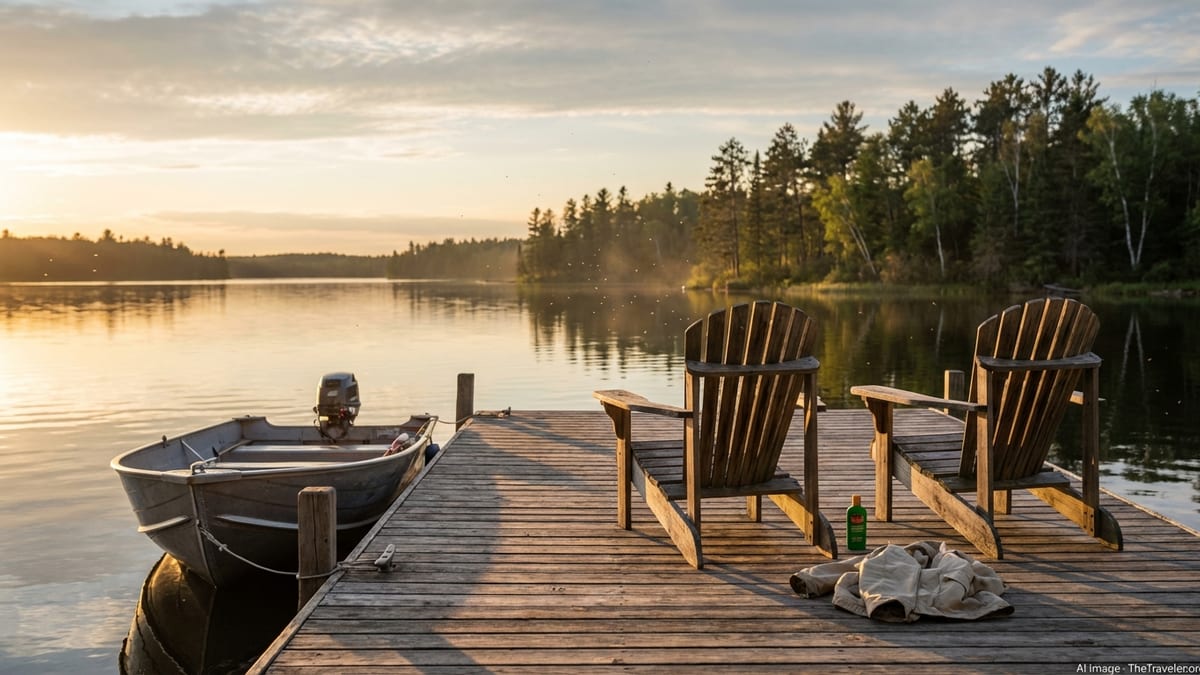
For many visitors, a week at a Minnesota cabin is the centerpiece of their trip, yet expectations sometimes do not match reality. People accustomed to full-service resorts can be surprised by rustic cabins with simple kitchens, basic furnishings and limited onsite staff. Insects, early sunrises and the sound of loons or distant boats are part of the charm for locals but can feel disruptive to light sleepers. Guests who forget groceries, assume high-speed internet will be available everywhere, or arrive without basic cooking supplies may spend their first day making long drives to larger towns instead of sitting on the dock.
Another mistake is underestimating the informal etiquette of shared lake life. Early-morning powerboat laps, loud music echoing across the water late at night, or ignoring no-wake zones can quickly sour relations with neighboring cabins and year-round residents. Many lakes have specific rules about boating speeds near shore, quiet hours, and invasive species precautions at boat launches. Visitors who take time to learn and respect these expectations are usually welcomed, while those who do not may encounter tension or even fines.
Finally, some travelers expect the same level of around-the-clock dining and entertainment options at the lake as in the city. In smaller communities, restaurants may close early or not open every day of the week, and grocery stores can have limited hours outside peak summer. That slower pace is part of the appeal, but it requires a bit of planning. Stock up on staples on your way in, confirm restaurant hours with a quick call, and embrace the opportunity to cook simple meals, read on the porch, watch the sky change over the water and adjust to the quieter rhythm of cabin life.
The Takeaway
Visiting Minnesota can be deeply rewarding, whether you are strolling along a Minneapolis riverfront trail, standing on a rocky Lake Superior shoreline or paddling a still northern lake at sunrise. The key to a memorable trip lies not in chasing every attraction but in understanding the state’s rhythms, climate and culture well enough to travel thoughtfully. Most of the common mistakes visitors make, from misjudging winter driving to overlooking permits and seasonal events, are easily avoided with a bit of realistic planning.
Pack for the weather you may face rather than only the conditions you hope for. Give yourself enough time to travel comfortably between regions, and do not underestimate how wild even accessible outdoor areas can feel. Learn the basics of snow emergencies, lake safety and local etiquette, and stay open to the quieter, slower pleasures that define life here. With those pieces in place, Minnesota is less an intimidating northern frontier and more a generous host, ready to share long summer evenings, crisp fall days, sparkling winter light and the enduring warmth of its communities.
FAQ
Q1. Do I really need heavy winter gear if I am just visiting Minneapolis or Saint Paul for a few days?
Yes, if you visit between roughly November and March you should bring warm layers, a winter coat, hat, gloves and sturdy footwear, even for a short urban stay.
Q2. Is it safe to drive on Minnesota roads in winter if I have never driven in snow before?
It can be challenging for beginners. Consider relying on transit or rideshares in the cities, driving only short distances, and avoiding travel during active storms.
Q3. How bad are mosquitoes in Minnesota during summer?
They can be noticeable, especially near lakes, wetlands and forests at dawn and dusk. With repellent, long sleeves and some planning, they are usually manageable.
Q4. Do I need to reserve campsites and cabins in advance?
For popular state parks, resort areas and busy summer or fall weekends, reservations are strongly recommended, as many sites and cabins fill up well ahead of time.
Q5. Is public transportation in the Twin Cities good enough to skip renting a car?
For many city-focused itineraries, yes. Light rail, buses, taxis and rideshares can cover major attractions if you stay in a central neighborhood.
Q6. When is the best time to visit Minnesota to avoid both extreme cold and heavy bugs?
Late May to mid-June and September to early October often offer comfortable temperatures and fewer insects, though conditions vary by year and region.
Q7. Can I walk or skate on frozen lakes without special knowledge?
No. Ice conditions vary widely. Always check local advice, look for marked routes and avoid unfamiliar ice, especially early and late in the season.
Q8. Are there any permits or licenses visitors often forget about?
Fishing licenses, some trail or ski passes, and wilderness permits are easy to overlook. Check requirements for your planned activities before your trip.
Q9. How many regions should I try to see on a one-week trip?
Two main bases, such as a few days in the Twin Cities and a few days on the North Shore or at a lake, is usually more enjoyable than trying to cover the entire state.
Q10. Is Minnesota safe for solo travelers?
In general, yes. Use the same common-sense precautions you would anywhere: stay aware, secure valuables, and seek local advice about specific areas or conditions.