

The Apostle Islands on Lake Superior reward careful, well informed travelers and can punish anyone who underestimates their power. This remote national lakeshore in northern Wisconsin combines cold, unpredictable water, fragile shorelines, and limited services. Avoiding a handful of common mistakes can be the difference between a magical trip and a dangerous or frustrating experience. Whether you are heading out for a day cruise, camping on the islands, paddling to sea caves, or hoping to see the famous winter ice formations, thoughtful planning is essential.
Underestimating Lake Superior and the Local Weather
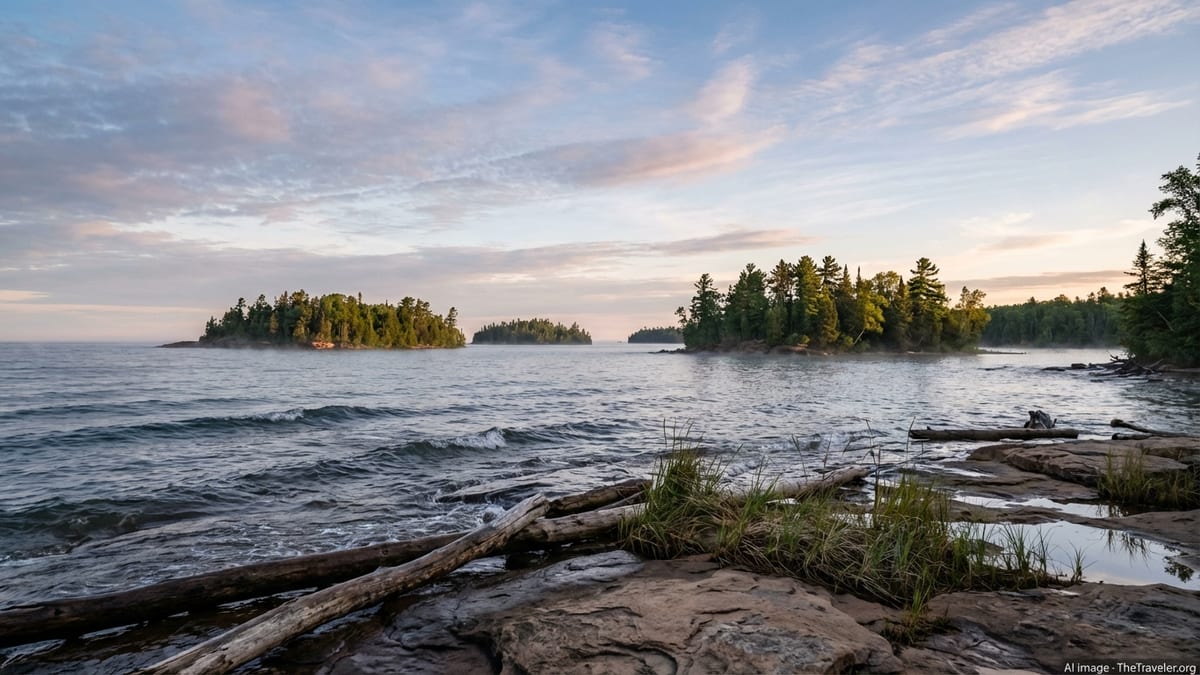
One of the most serious and frequent mistakes visitors make is treating Lake Superior like an ordinary inland lake. Even close to shore, this is more like an inland sea than a typical Midwestern lake. Water temperatures remain cold for much of the year, even in midsummer, and sudden squalls, dense fog, and steep, short period waves can arise with limited warning. Visitors who arrive in shorts and sandals expecting a gentle beach day sometimes find themselves shivering in wind and spray a few hours later. Planning as if you were heading out onto a small ocean is a safer mindset.
Weather in the Apostle Islands can shift quickly at any time of year. A sunny morning may turn into a windy afternoon with whitecaps and thick clouds rolling in over the horizon. Marine forecasts matter more here than the general land forecast, especially for anyone traveling on the water. The National Park Service stresses that the lake is in charge, not your schedule, and that conditions can turn small mistakes into emergencies. Build flexibility into your plans so you can change routes, delay crossings, or stay ashore rather than feeling forced to stick to an itinerary.
Visitors also frequently underestimate how cold they will feel on or near the lake. Even in July and August, cool breezes over the water can make docks and boat decks feel closer to early spring than midsummer. Without layers, hats, and windproof outerwear, people cut trips short or become miserable on longer crossings. Packing a warm fleece, rain jacket, and quick drying clothing is not just for shoulder seasons; it is smart packing in the heart of summer.
Finally, some travelers do not account for reduced daylight and more severe storms in spring and fall. Shoulder season trips can be quieter and beautiful, but shorter days mean less time to make crossings and more risk if bad weather arrives late in the afternoon. In autumn, strong gales are common, and the lake can be especially unforgiving. If you visit outside peak summer, be even more conservative with distance, route choices, and backup plans.
Misjudging Water Safety, Kayaking Conditions, and the Ice Caves
Another major mistake is assuming that kayaking or small boat travel in the Apostle Islands is a casual, beginner friendly activity. The sandstone sea caves and island shorelines are spectacular from the water, but they are also where many serious accidents and rescues occur. The combination of cold water, rebound waves reflecting off cliffs, and quickly rising wind can turn a calm paddle into a hazardous situation. The Park Service specifically warns that small open boats, recreational sit on top kayaks, canoes, and stand up paddleboards are poor choices in exposed areas and at the sea caves.
Many visitors choose to launch in conditions that look manageable from shore without understanding how waves interact with the cliffs. At the sea caves near Meyers Beach or on Devils and Sand islands, waves can bounce off rock walls and collide with incoming swells to create confused, multi directional chop. Boats can be broadsided or spun into the cliffs, and even strong swimmers face danger in cold, rough water far from easy exits. Wearing a properly fitted life jacket is essential, and cold water protective clothing, such as a wetsuit, is strongly recommended for anyone in open water or near the caves.
Similar misjudgments occur in winter when the mainland ice caves occasionally open to foot traffic. Access depends on rare and highly specific conditions including prolonged deep cold, minimal wind, and stable lake ice. Some visitors assume that if a cold snap has lasted a few days, the ice must be solid, but historically the caves have been safely accessible only a small fraction of winter days. When they do open, reaching them typically involves a long, exposed hike over uneven lake ice with no shelter, limited or no cell service, and no guarantee that conditions will hold. Thin spots, pressure cracks, and sudden wind shifts can all threaten safety.
Both in summer and winter, people often skip basic safety steps like checking official advisories, talking with local outfitters, and carrying a marine radio or other reliable communication device. Relying on cell phones alone is a mistake, as coverage throughout the islands is patchy and may disappear at exactly the wrong moment. A cautious approach is to let experience and conditions, not just enthusiasm, determine where and how you travel on the water or ice.
Ignoring Logistics, Permits, and Limited Services
Because the Apostle Islands are relatively close to several Midwest cities, many travelers assume logistics will be simple and services abundant. In reality, this is a remote, resource limited national lakeshore where planning ahead is critical. Campsites on the islands require reservations and carry fees, and designated sites often fill during peak summer dates and popular weekends. Visitors who arrive in Bayfield hoping to secure last minute camping may find their preferred island fully booked, or that group sites are the only remaining option.
Boat shuttles, guided tours, and cruises also operate on fixed schedules that can change due to weather, staffing, or other factors. It is common for new visitors to underestimate travel and transfer times, booking back to back activities without leaving room for delays. When the lake turns rough, operators may alter routes, cancel trips, or return early, and there is no guarantee that an alternative departure will be available the same day. Building buffers between ferry rides, cruises, and long drives home helps prevent stressful scrambles and missed connections.
Another logistical misstep is assuming that services on the islands mirror those on the mainland. On most islands, there are no restaurants, stores, or gear rental shops. Drinking water may be available only seasonally at a handful of locations, and visitors are urged to be prepared in case taps are turned off or systems are under maintenance. Even vault toilets may be closed at times, especially during government shutdowns or early and late in the season, which increases the need to follow proper human waste disposal practices.
Travelers also sometimes forget that federal rules, including those related to camping zones, fires, and wildlife protection, are actively enforced. Primitive camping is restricted to specific zones, and prohibited near structures, other designated campsites, and sensitive habitats. Assuming you can simply pitch a tent anywhere that looks appealing can lead to citations or to unintentional damage to fragile areas. Before your trip, review current regulations on camping, fires, and closures so that your plans align with park requirements.
Overlooking Leave No Trace and Wildlife Precautions
First time visitors to the Apostle Islands sometimes see lush forests and empty beaches and assume the environment is hardy and self healing. In truth, many shorelines, dunes, and plant communities are fragile, and heavy use can leave lasting scars. A common mistake is trampling beach grasses, lichens, and thin soils by cutting across dunes or creating new “social trails” rather than using established paths and sand ladders. Over time, these shortcuts can lead to erosion, blowouts, and loss of vegetation that is slow to return in a harsh northern climate.
Improper waste disposal is another recurring problem. Some campers still bury food scraps, toss them into the lake, or leave partially burned trash in fire rings, assuming nature will quickly take care of it. In reality, food waste and litter attract wildlife, including bears and smaller scavengers, and degrade the experience for other visitors. The park encourages everyone to pack out all garbage, including micro trash such as twist ties, torn corners of packaging, and bits of foil. Even so called biodegradable materials, like orange peels or paper, can linger unappealingly for months.
Wildlife issues, particularly involving black bears, are a major area where visitor behavior matters. The Apostle Islands support a high density of bears, especially on islands such as Stockton, Oak, Sand, and Manitou. A frequent and dangerous mistake is leaving food, coolers, toiletries, or even water bottles unattended, believing that a brief absence poses no risk. Bears are intelligent and persistent, and once they learn that campsites provide easy meals, they may return repeatedly. This often leads to campsite closures, management interventions, or, in the worst cases, to bears being removed for public safety.
Proper use of bear resistant storage lockers or well hung food caches is not optional in this park, it is central to keeping both people and bears safe. Visitors should also avoid cooking or storing any scented items in tents, and they should maintain separate kitchen and sleeping areas whenever possible. By minimizing odors and locking away attractants, campers reduce the odds of close encounters and help ensure that wildlife remains wary of humans. Respecting quiet hours and other visitors’ desire for solitude is another important but sometimes overlooked aspect of being a considerate guest in these islands.
Poor Gear Choices and Inadequate Preparation
Bringing the wrong gear, or not enough of the right gear, is one of the easiest mistakes to avoid and one of the most common. The Apostle Islands environment rewards those who prepare for wet, cool, and variable conditions instead of assuming benign summer weather. Lightweight sneakers, cotton hoodies, and fashion raincoats may be fine for strolling Bayfield’s streets but can quickly become soaked, cold, and uncomfortable on a windy boat ride or a damp forest trail. Footwear with good grip is especially important on slippery docks, wet rocks, and muddy paths.
On the water, inadequate gear can escalate risk quickly. Sea kayakers should use proper sea kayaks with bulkheads, spray skirts, and flotation, not recreational boats meant for calm ponds. Essential items include a well fitting personal flotation device worn at all times, bilge pumps or bailers, spare paddles, and signaling devices. Dressing for immersion in cold water, rather than for air temperature, is a rule of thumb that many visitors neglect. A capsize several hundred yards from shore in Lake Superior’s cold water can induce hypothermia far faster than people expect.
Even day trippers often forget basic safety and comfort items. Sunscreen, hats, and sunglasses are important because water and light colored sandstone reflect sunlight intensely on clear days. Insect repellent and long sleeves help ward off mosquitoes, black flies, and ticks from late spring through early fall. Carrying more drinking water than you think you will need is wise, particularly on hot, windless days or when hiking distances between docks, overlooks, and camp areas. A small first aid kit with bandages, blister care, and any personal medications can turn minor injuries into manageable inconveniences rather than trip ending problems.
Navigation and communication gear also deserve attention. Relying solely on smartphone maps and signals is risky in a place where coverage is inconsistent. Small, waterproof paper maps, a basic compass, and a charged marine radio provide more reliable backups. Before departure, take the time to learn how to use each piece of equipment and to discuss contingency plans with your group. Preparation may not feel glamorous, but on the Apostle Islands it is one of the keys to a safe and rewarding visit.
Bad Timing: Crowds, Closures, and Seasonal Surprises
Many frustrations in the Apostle Islands stem from when people choose to visit rather than where they go. High summer, particularly weekends from late June through August, can bring dense crowds to popular launch points such as Meyers Beach, Little Sand Bay, and the Bayfield waterfront. Parking lots fill early, and lines for shuttles, cruises, and rentals grow long. Travelers who arrive late in the morning expecting a relaxed start can be surprised by traffic, limited parking, and fully booked tours.
Certain high profile experiences, like walking to the mainland ice caves, are only available during rare windows of safe conditions. Visitors who plan a trip specifically around the caves without a backup itinerary often end up disappointed when warm spells, wind, or unstable ice close access. Historically, some winters have not offered any safe ice cave days at all. Because access is highly variable from year to year, it is far better to consider a winter trip as an opportunity to enjoy quiet trails, snow covered forests, and frozen shorelines, with ice cave access as a possible bonus rather than a guarantee.
Another timing related pitfall is not checking for temporary closures, construction, or limited staffing before traveling. Government shutdowns, storm damage, and ongoing projects can lead to closed visitor centers, unserviced restrooms, or restricted access to certain overlooks and access points. While the islands themselves often remain reachable, services such as trash collection, emergency response capacity, and educational programs may be reduced. Visitors who are aware of these possibilities can adjust by packing extra supplies, planning self sufficient outings, and tempering expectations about on site support.
Finally, many travelers underestimate shoulder season conditions. Early spring can mean icy trails, muddy campsites, and very cold water under deceptively bright skies. Late fall might bring stunning foliage and fewer people but also a greater chance of strong gales, sleet, and sudden drops in temperature. Building flexibility into your schedule, monitoring forecasts closely, and staying current on park alerts will help you match your timing to the kind of experience you hope to have.
Overreliance on Facilities and Connectivity
In a world where constant connectivity is common, some visitors assume that real time navigation, streaming weather updates, and quick help will be available everywhere in the Apostle Islands. That assumption can lead to difficulty when cell coverage drops to zero on open water or in certain island locations. Text messages, map tiles, and app based reservations may simply not load, leaving unprepared travelers without key information. Treat the park as a place where you may frequently be offline, and download or print maps, reservation details, and emergency numbers in advance.
Similarly, overreliance on staffed facilities can backfire. Visitor centers, ranger stations, and concessions typically operate on seasonal schedules, and hours may change with staffing levels or budget conditions. At times, buildings may be closed even while outdoor areas remain open, which means water fountains, indoor restrooms, and interpretive displays are unavailable. Travelers who plan on topping up water, buying snacks, or getting last minute advice at a particular office may arrive to locked doors if they have not checked current schedules.
Emergency response is present but limited. The United States Coast Guard and park rangers do respond to distress calls, but distances are substantial and conditions can slow or prevent rapid access. Assuming that help can reach you quickly in any weather is a serious mistake. Instead, plan trips that match your group’s skills, keep a conservative attitude about risk, and communicate float plans and hiking routes to someone on shore. Doing so respects both your own safety and the workload of the professionals who protect this remote seascape.
Finally, some visitors assume that trash, maintenance, and trail work happen invisibly regardless of visitor behavior. When staffing or funding is strained, unattended trash cans, overflowing toilets, and minor trail damage can appear quickly, particularly in busy areas. The more each visitor takes responsibility for carrying out waste, following rules, and treading lightly, the better the park’s limited staff can care for this complex island system over the long term.
The Takeaway
The Apostle Islands reward travelers who come prepared, pay attention to conditions, and respect the limits of both nature and infrastructure. Underestimating Lake Superior or assuming that this national lakeshore functions like a drive in recreation area is one of the surest paths to trouble. In contrast, visitors who research regulations, invest in proper gear, and stay flexible with their plans experience the islands as they are meant to be experienced: as a wild, dynamic landscape that demands humility.
A bit of extra planning goes a long way. Secure your camping and transportation reservations before you arrive, study current advisories, and think through what you will do if weather changes your plans. Practice Leave No Trace, take bear safety seriously, and be realistic about your own skills and comfort level on cold, open water. With this foundation, you can focus on the joy of paddling beneath honey colored cliffs, walking quiet forest trails, and watching Lake Superior’s moods shift from glass calm to white capped drama.
Ultimately, avoiding common mistakes is less about memorizing rules and more about adopting a mindset. View yourself as a temporary guest in a powerful landscape, rather than a customer in a theme park, and your choices will naturally tilt toward caution, care, and respect. The Apostle Islands will still surprise you, but those surprises are more likely to be moments of beauty than moments of crisis.
FAQ
Q1. Do I need previous kayaking experience to explore the Apostle Islands sea caves?
Some guided outfitters accept beginners on calm days, but the sea caves and open lake conditions are not ideal for first time paddlers on their own. If you are new to kayaking, consider a guided trip, start in protected areas, and be prepared for plans to change if wind or waves pick up.
Q2. How early should I reserve campsites on the Apostle Islands?
Designated island campsites often book up for popular summer weekends several months in advance. As soon as you know your dates, make reservations, especially for groups. Last minute options may be limited to less convenient sites or different islands than you hoped to visit.
Q3. Is it safe to rely on my cell phone for navigation and emergencies?
Cell service is spotty and can disappear entirely in parts of the park and on the water. Use your phone as a helpful tool, but always carry backup navigation such as printed maps and a compass, and consider a marine radio or other emergency communication device when traveling by boat.
Q4. What is the biggest safety mistake people make on Lake Superior?
One of the biggest mistakes is underestimating how quickly conditions can change and how cold the water remains, even in summer. People launch in calm weather without cold water gear or contingency plans, then struggle when wind, waves, or fog rise unexpectedly.
Q5. Can I count on walking to the mainland ice caves if I visit in winter?
No. The ice caves open only when very specific and rare conditions create stable lake ice, and in some winters they do not open at all. Treat access as a possibility, not a guarantee, and have other activities in mind for your winter visit.
Q6. Are black bears really a concern on the Apostle Islands?
Yes. Several islands host resident black bears, and bears can swim between islands. Improperly stored food and garbage attract them to campsites, which can be dangerous for both visitors and bears. Always use bear resistant lockers where provided and follow park guidance on food storage.
Q7. What kind of clothing should I pack for a summer trip?
Pack layers suitable for cool, damp, and windy conditions even if the forecast looks warm. Include a waterproof jacket, warm mid layer, quick drying pants, sturdy shoes, and sun protection. On the water, consider a wetsuit or other cold water gear if you will be far from shore.
Q8. Are there restaurants or shops on the islands themselves?
Most islands have no services such as restaurants or stores. You should bring all the food, water, and basic supplies you will need for your time away from the mainland, and be prepared for limited or seasonal access to potable water in the park.
Q9. What should I do if the weather turns bad while I am on an island?
Stay put and prioritize safety over schedule. Seek shelter from wind, avoid exposed cliffs and shorelines in heavy waves, and wait for conditions to improve rather than trying to paddle or boat back in dangerous weather. Build enough flexibility into your plans to allow for weather delays.
Q10. How can I minimize my impact on the Apostle Islands environment?
Follow Leave No Trace principles by staying on established trails, packing out all trash, using designated campsites and fire rings, storing food properly, and respecting wildlife and other visitors. Small actions, repeated by many people, make a big difference in protecting this fragile landscape.