

Wisconsin rewards travelers who plan thoughtfully. From icy highways and lake-effect snow to packed summer festivals and fragile wilderness, the state can surprise visitors who arrive unprepared. Understanding a few local realities will help you stay safe, spend smarter and see more of what makes Wisconsin special, whether you are heading to Milwaukee, the Northwoods, Door County or the Mississippi bluffs.
Underestimating Wisconsin Weather in Every Season
Many visitors think of Wisconsin primarily as a winter state, but the bigger mistake is assuming the weather behaves predictably at all. Conditions can swing from unseasonably warm to dangerous cold within a day, especially from late fall through early spring. Travelers who arrive without layers, waterproof outerwear or a flexible plan often find themselves either shivering through outdoor plans or stuck indoors while storms roll through.
Winter weather deserves particular respect. State transportation and emergency agencies regularly warn that snow squalls, lake-effect bands and freezing drizzle can turn highways treacherous with little notice, especially across northern and lakeside counties. It is common for visibility to drop quickly, for black ice to form on bridges, and for wind chills to make even short walks uncomfortable or unsafe. Packing insulated boots, hats, gloves and traction-friendly footwear is not overkill, even on city breaks.
Summer brings its own surprises. Humid heat waves along with strong thunderstorms can disrupt camping trips and lake outings, while the cool breezes off Lake Michigan can make evenings feel far colder than daytime highs suggest. Visitors often misjudge how chilly it can get at night in places like Door County or the Northwoods, even in July. Bringing a warm layer for every member of the group, including in mid-summer, keeps patio dinners, boat tours and outdoor concerts enjoyable instead of uncomfortable.
The most practical approach is to check regional forecasts closely in the week and days before you travel, not just for your arrival city but for any region where you plan to drive. Be ready to pivot: move a hiking day ahead of an incoming storm, shift a long drive away from high-impact snow or thunderstorm windows, and recognize that in Wisconsin, season-appropriate gear is your ticket to actually enjoying the landscape instead of merely enduring it.
Ignoring Winter Driving Risks and Road Rules
One of the most common and dangerous mistakes visitors make in Wisconsin is assuming that ordinary driving habits will carry them safely through winter roads. Local transportation officials consistently emphasize that posted speed limits apply only to ideal conditions, not to snow- and ice-covered pavement. Yet many out-of-state travelers keep to normal highway speeds, underestimating how quickly a patch of black ice or drifting snow can send a vehicle out of control.
Winter storms in Wisconsin often bring a combination of snow, strong winds and rapidly dropping temperatures, elevating the risk of whiteouts and flash freezes. State agencies regularly advise drivers to slow down, increase following distance significantly, and avoid using cruise control when roads may be slick. Visitors unfamiliar with lake-effect snow or quick-moving snow squalls sometimes keep driving into deteriorating conditions rather than exiting or delaying their trip, which increases the chances of multi-vehicle crashes and highway closures.
Another frequent oversight is failing to prepare the vehicle for winter travel. Travelers may skip clearing ice from all windows and lights, neglect to carry a snow brush and shovel, or head into rural areas without a basic winter survival kit. Wisconsin emergency managers recommend keeping blankets, extra warm clothing, nonperishable snacks, water, a flashlight and traction aids such as sand or kitty litter in the car during winter months. In more remote regions, particularly in the Northwoods, getting stranded can quickly become a serious situation if you cannot stay warm or signal for help.
Visitors should also pay attention to local parking and snow emergency rules, especially in cities and resort towns. Overnight street parking may be restricted or prohibited after significant snowfall so plows can clear roads efficiently. Ignoring these rules can lead to tickets or towing at the very moment you need your vehicle to be accessible. Checking municipal guidelines and watching for temporary “snow emergency” announcements is a simple step that saves money and frustration and helps road crews keep routes safe for everyone.
Misjudging Distances and Driving Times
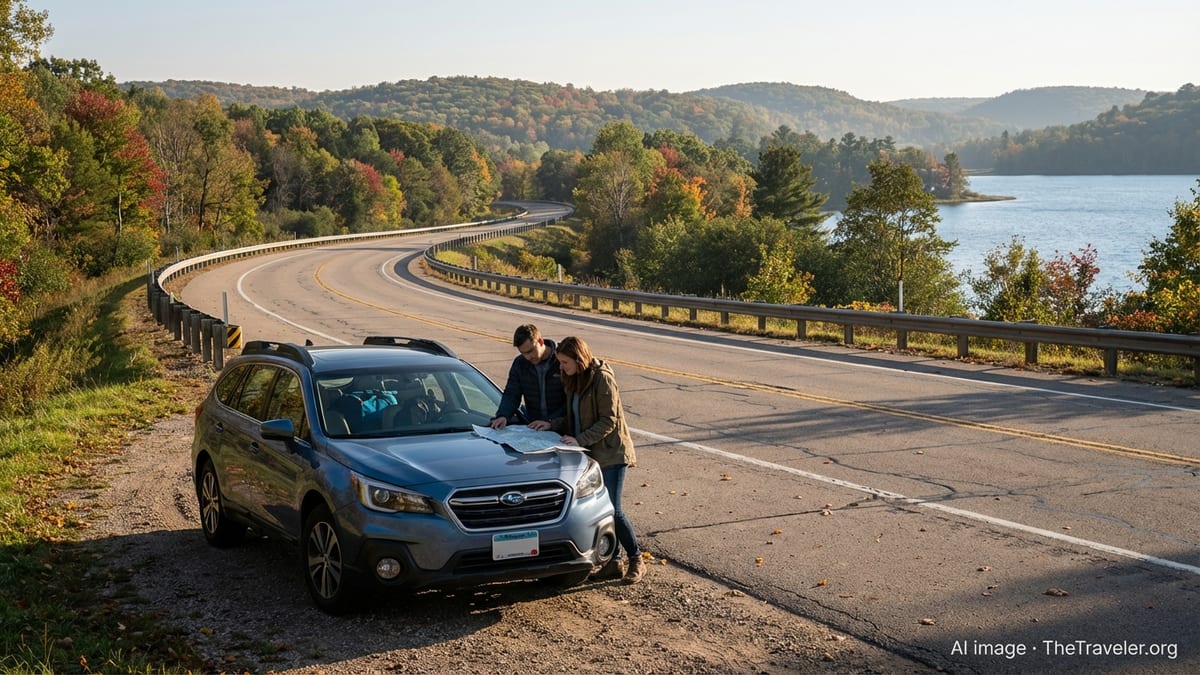
Some travelers assume that Wisconsin, sitting between major Midwestern hubs, is quick to traverse. In reality, the state’s scenic drives, winding county roads and rural stretches can make travel slower than expected, particularly in poor weather or during peak summer weekends. It is easy to schedule back-to-back activities in far-flung locations, only to discover that the drive between them consumes most of the day.
Visitors often underestimate how long it takes to reach popular vacation regions like the Northwoods, Door County or the Mississippi River bluffs from arrival points such as Milwaukee or Madison. A drive that looks manageable on a map can lengthen significantly when you account for two-lane highways, agricultural equipment on the road, construction zones or slow-moving traffic near resort towns. In winter, even modest snowfall can extend travel times further, especially if visibility drops or plows are still clearing major routes.
Another common misstep is planning ambitious day trips without backup plans. Travelers might schedule a morning in Milwaukee’s museums followed by an afternoon hike several hours away, leaving little room for weather delays, traffic or spontaneous stops. When reality intrudes, they find themselves racing down highways, skipping meals and arriving exhausted at their destination. This approach cuts into the very experiences people come to Wisconsin for: peaceful time on the water, relaxed meals at supper clubs and unhurried walks in forests and small towns.
The better strategy is to cluster activities by region and allow generous margins between commitments. Build in time for scenic detours, unexpected farm stands or a longer-than-planned stop at a lakeside viewpoint. Assume that reaching a rural cabin, lakeside cottage or ski hill will take longer than your navigation app suggests, especially on weekends and holidays. By leaning into slower travel, you not only stay safer but also experience more of Wisconsin’s character along the way.
Overcrowding Your Itinerary in Peak Season
Wisconsin’s most famous destinations can feel surprisingly busy in peak summer and fall. Travelers sometimes try to cram multiple headline attractions into a short visit, expecting to move quickly between lakes, wineries, hiking trails and historic sites. The result is often a rushed experience filled with full parking lots, long restaurant waits and little of the tranquil atmosphere they expected in the Midwest.
Door County, the Wisconsin Dells, popular state parks and festival weekends in cities like Milwaukee and Madison are especially prone to crowding. Visitors who book last minute may find limited lodging options, higher prices and sold-out tours. Overlooking the need for advance reservations at family-friendly resorts, campgrounds, ferries and popular restaurants can lead to disappointment, particularly on summer weekends or during autumn color season when regional tourism peaks.
Another mistake is ignoring shoulder seasons. Many travelers assume that there is “nothing to do” outside the main summer window, but in reality, early fall, late spring and even parts of winter provide quieter access to trails, breweries, galleries and lake views. Visitor bureaus frequently highlight “slower season” perks such as peaceful shoreline walks and more availability at small inns and cabins. Travelers who only target high summer miss out on these less crowded experiences and spend more of their time in traffic or waiting in lines.
To avoid overcrowding your itinerary, approach Wisconsin more like a series of regions than a checklist of attractions. Choose one or two base areas and explore deeply from there. Make key reservations in advance, but leave unstructured time to discover local beaches, residential neighborhoods, independent shops and low-key taverns. Accept that you will not see everything in one trip. Wisconsin rewards repeat visits, and leaving a few items for next time is far better than turning your vacation into a frantic race against the clock.
Misunderstanding Lake, River and Ice Safety
Wisconsin’s identity is closely tied to its lakes and rivers, from Lake Michigan and Lake Superior to the Mississippi and countless inland waters. A frequent visitor mistake is assuming these waterways are as forgiving as those back home. In reality, currents, cold water and variable ice conditions can create serious hazards for swimmers, boaters, anglers and winter recreation enthusiasts who are not prepared.
During the warmer months, travelers sometimes underestimate water temperature and the strength of currents, particularly along the Great Lakes and larger rivers. Even on warm days, water can remain cold enough to shock the body and quickly sap strength, especially early and late in the season. Life jackets are not just formalities but essential safety tools, especially for children, paddlers and anyone venturing far from shore. Ignoring local warnings about rip currents, high waves or strong river flows is a recurring error among visiting boaters and swimmers.
In winter, lakes and rivers may look invitingly solid, but state natural resource officials regularly emphasize that ice is never completely safe. Thickness can vary greatly within short distances due to currents, springs, inlets and outlets. Visitors who venture onto unfamiliar ice for snowmobiling, ice fishing or walking without local guidance take significant risks. Conditions change from one week to the next, and there is no universal date when ice becomes reliable or safe across the state.
The safest approach is to treat Wisconsin’s waters with humility. Seek local advice from marinas, outfitters, guides or bait shops before heading out in any season, and equip everyone with properly fitted life jackets when boating or paddling. In winter, consider enjoying lake views and shoreline hikes without going onto the ice unless you are with experienced locals who know current conditions. Respecting the power and unpredictability of water here turns a major risk into a highlight of your visit.
Overlooking Local Culture, Food and Etiquette
Another mistake visitors make in Wisconsin is assuming there is not much distinct local culture beyond cheese and beer. That mindset can lead travelers to stick to chain restaurants, national hotel brands and heavily marketed attractions while missing the traditions that give the state its personality. From supper clubs and Friday fish fries to tribal cultural sites and small-town festivals, Wisconsin offers a rich mix of experiences that reward curiosity and respect.
Ignoring local dining customs is particularly common. Supper clubs, for example, often involve a relaxed, unhurried meal with time spent at the bar before dinner, and Friday fish fry is a weekly ritual in many communities throughout the year. Travelers who expect quick, grab-and-go service at these venues sometimes become impatient or frustrated. Understanding that part of the appeal is slowing down, chatting with staff and other guests, and savoring hearty comfort food helps set the right expectations.
Visitors also sometimes misread Midwestern communication styles. People in Wisconsin are often friendly, but that friendliness is not an invitation to dismiss local norms or land-use rules. Cutting across private land without permission to reach a lake, leaving gates open on rural properties or ignoring posted regulations at public beaches and parks can strain community relationships. Locals generally appreciate travelers who ask questions, follow posted guidance and show a genuine interest in the places they are visiting.
To connect more deeply with Wisconsin culture, seek out local events, from powwows and heritage festivals to small-town parades and markets. Ask for recommendations at independent cafés, breweries and bookstores rather than relying solely on national review sites. When you do, you are more likely to discover live music in a corner bar, a small museum devoted to regional history or a lakeside spot where families have gathered for generations. It is these experiences, rather than fast food and freeway exits, that travelers tend to remember most vividly.
Taking Outdoor Recreation and Wildlife for Granted
Wisconsin’s forests, wetlands and prairies lure visitors into hiking, biking, paddling, fishing and wildlife watching. A common mistake is to treat these landscapes like casual backdrops instead of environments that require preparation and care. Travelers may head out on long hikes without enough water, proper footwear or navigation tools, or they may approach wildlife too closely in pursuit of a perfect photo.
Conditions on trails can vary widely depending on recent weather. After rain, routes may be muddy and slippery; in shoulder seasons they can be icy or snow-covered; and in summer, mosquitoes and ticks are realities that require repellent and appropriate clothing. Visitors unfamiliar with the state’s mix of hardwood forests, wetlands and open fields sometimes underestimate how quickly they can feel remote, especially in larger state and national forests. Cell service may be limited, and trail markers can be subtle on older routes.
Interactions with wildlife are another area where misjudgments occur. Deer, black bears, foxes, eagles and many smaller animals live close to popular recreation areas. Feeding wildlife, leaving food unsecured at campsites or approaching animals for photos can disrupt their natural behavior and increase risks for both animals and people. It is also easy to forget that many rural roads cut through habitat, so driving cautiously at dawn and dusk reduces the chance of collisions with wildlife.
Responsible outdoor recreation in Wisconsin means preparing as you would for any serious outing. Check trail conditions with land managers, carry maps or offline navigation tools, dress for changing weather, and bring more food and water than you think you need. In campgrounds and cabins, store food securely and follow guidance about trash and cooking odors to avoid attracting animals. When you approach the outdoors with respect and caution, you are rewarded with memorable encounters and a deeper appreciation of the state’s natural diversity.
The Takeaway
Visiting Wisconsin can be deeply rewarding, whether you are exploring city neighborhoods, paddling glassy lakes or trekking quiet forest trails. The state’s greatest strengths, from its dramatic seasonal shifts to its extensive waterways and rural character, are also the sources of many visitor missteps. Travelers who underestimate winter driving, misjudge distances, crowd their itineraries or ignore local customs may come away stressed instead of refreshed.
A better approach is to give Wisconsin the time and respect it deserves. Pack for variable weather, slow down on the roads, plan regionally rather than rushing across the state and seek out local voices for advice on water safety, trail conditions and cultural experiences. Treat communities and landscapes with care, recognize that ice and wildlife demand caution, and be willing to adjust plans when conditions change.
When you avoid the most common mistakes, Wisconsin reveals itself as a place of surprising variety: industrial cities on freshwater shorelines, quiet harbor towns, farm-dotted hills, deep woods and wide rivers. With thoughtful preparation and a flexible mindset, your visit can capture more of that richness and leave you eager to return in a different season to see how the state has transformed once again.
FAQ
Q1. Do I really need winter gear if I am visiting Wisconsin for just a weekend in the city?
Yes, if your visit falls between late fall and early spring, you should bring warm layers, a hat, gloves and sturdy footwear. Even short walks between hotels, restaurants and venues can feel extremely cold when wind and lake-effect chill set in, and sidewalks may be slushy or icy.
Q2. How early should I plan for winter driving conditions when visiting?
Be prepared for winter-like driving as early as November and as late as March or April, depending on the year and region. Check forecasts and road condition reports daily, slow down in snow or on wet pavement in freezing temperatures, and build extra time into your schedule for storms and plowing operations.
Q3. Is it safe to walk or drive on frozen lakes during winter?
Ice conditions are highly variable and never entirely risk-free. Thickness can change quickly due to currents and weather. Do not assume a frozen surface is safe just because you see tracks or other people. Seek current, local guidance and consider enjoying lakes from shore unless you are with experienced locals who understand the specific body of water.
Q4. How much driving can I realistically plan in one day on a Wisconsin road trip?
In good conditions, four to five hours of driving spread over a day is a comfortable upper limit for most travelers. In winter or on busy summer weekends, plan for less and expect slower speeds on two-lane highways, scenic byways and near popular resorts. Leaving room for unplanned stops will make your trip far more enjoyable.
Q5. Are reservations necessary for popular areas like Door County and the Wisconsin Dells?
In peak summer, holiday periods and fall color season, reservations are strongly recommended for lodging, campgrounds and many tours or special activities. Last-minute options may be limited or expensive. Booking in advance gives you better choices and lets you focus on exploring instead of searching for vacancies.
Q6. What should I know about local dining customs such as supper clubs and fish fries?
Expect a slower, more social pace than at typical chain restaurants. Many supper clubs encourage time at the bar before seating, and Friday fish fry is a popular tradition that can mean longer waits. Arrive early, relax into the atmosphere and see the meal as an experience rather than a quick stop.
Q7. How can I stay safe while hiking or camping in Wisconsin?
Check conditions ahead of time, dress in layers, carry a map or offline navigation, and pack more food and water than you think you will need. Protect yourself from insects with repellent and appropriate clothing, keep a safe distance from wildlife and store food securely at campsites to avoid attracting animals.
Q8. Is public transportation a good option for getting around?
Cities like Milwaukee and Madison have local transit options, but much of Wisconsin is best explored by car. If you plan to rely on buses or rideshares, build flexibility into your plans, as service to smaller communities and rural attractions may be limited or seasonal.
Q9. What is the best way to handle sudden weather changes during my trip?
Monitor forecasts regularly, have backup indoor activities ready and stay flexible with your itinerary. If conditions deteriorate, consider postponing nonessential driving, shifting outdoor activities to safer windows and using the time to explore museums, cafés, local shops or cultural centers instead.
Q10. How can I be a respectful visitor to Wisconsin communities and natural areas?
Follow posted rules in parks and on private land, pack out your trash, stick to marked trails and be considerate of noise in residential and wilderness areas. Support local businesses, ask for recommendations with an open mind and remember that responsible behavior helps keep destinations welcoming for future visitors.