

Thailand remains one of the world’s most welcoming and rewarding destinations, yet many visitors still stumble into the same avoidable problems. From cultural missteps at temples to costly visa errors and classic tourist scams, seemingly small oversights can quickly derail an otherwise perfect trip. Understanding where travelers most often go wrong is the easiest way to protect both your budget and your experience.
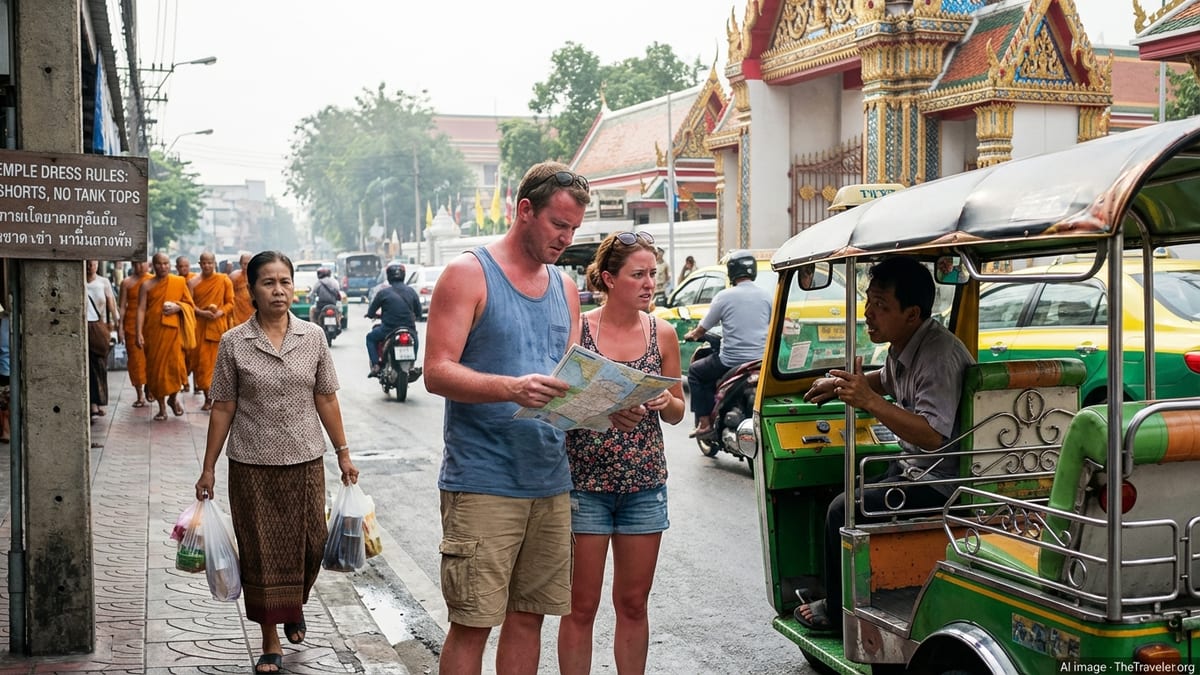
Arriving Unprepared for Entry Rules and Visas
One of the most serious mistakes tourists make in Thailand is assuming that entry is always simple and that the rules never change. In recent years, Thai authorities have adjusted visa policies several times, expanded and then reconsidered visa-exempt stay lengths, and tightened checks on travelers who appear to be using short-term visas for long-term stays or work. Arriving with only vague knowledge of how long you are allowed to remain in the country or what your onward travel obligations are can expose you to stressful immigration interviews, denied boarding for your flight, or even refusal of entry on arrival.
Another frequent oversight is treating the date stamped in your passport as a guideline instead of a hard deadline. Overstaying, even by a single day, is treated seriously and normally triggers a fine calculated per day of overstay, with bans possible for longer or repeated violations. In recent crackdowns, officials have also taken a closer look at repeated entry-and-exit “visa runs,” especially by people who cannot clearly explain their purpose in Thailand. Tourists visiting once or twice for genuine holidays are rarely targeted, but those who blur the line between tourism and long-term living increasingly attract scrutiny.
Financial proof and supporting documents are another area visitors underestimate. Officials have periodically reintroduced requirements for travelers to demonstrate that they can support themselves, especially for longer stays or formal tourist visas. Border officers may also ask to see evidence of accommodation, a departing flight, or a rough itinerary. Treating these checks as an insult rather than a routine part of immigration control is a mistake that can damage your chances of a smooth entry. Prepared travelers keep printed or easily accessible digital copies of bookings and a clear explanation of their plans.
The safest approach is to treat the entry stamp as a hard legal limit, factor in time to extend your stay at an immigration office if needed, and avoid any temptation to “game” the system with repeated border runs. Thailand remains welcoming to ordinary tourists, but authorities are more willing than before to refuse entry to those who appear to be stretching tourist privileges into unpaid work, business, or quasi-residence. A calm, well prepared arrival with clear documents is still the best way to start your trip.
Misunderstanding Thai Culture, Etiquette, and the “Wai”
Another common mistake is assuming that the same casual behavior acceptable in Western beach destinations applies everywhere in Thailand. Despite the relaxed smiles and informal atmosphere, Thai society is conservative in many respects. Visitors who overlook this often cause quiet offense in temples, restaurants, family neighborhoods, or public transport, sometimes without realizing why their interactions suddenly feel strained. The result can be a subtle but real barrier between traveler and host that diminishes the warmth Thailand is famous for.
Dress and public behavior are particularly sensitive around religious sites. Many temples request covered shoulders, covered knees, and modest tops that are not transparent or overly tight. Ignoring these guidelines, arguing with staff about a sarong requirement, or posing for playful social media photos around Buddha statues can be deeply disrespectful. Similarly, stepping over people seated on the floor, pointing your feet at images of the Buddha, or touching sacred objects casually are among the fastest ways to draw disapproving looks. A rule of thumb is to dress more conservatively for temples and royal sites than you would for a casual lunch, and always observe how local visitors behave.
Social gestures can also trip up unprepared tourists. The Thai “wai,” a gesture made by pressing the palms together and bowing slightly, is widely used as a greeting, a sign of thanks, or an apology. Visitors sometimes either ignore it completely or overuse it in awkward situations. There is no obligation to wai everyone, and locals do not expect foreigners to get it perfect, but acknowledging it respectfully is appreciated. A simple smile and polite “sawasdee khrap” or “sawasdee kha,” with a modest bow of the head if someone wais you first, usually suffices.
Finally, many visitors underestimate the importance of “face” and calm public behavior in Thailand. Raising your voice at staff, using sarcasm, or trying to force a confrontation to “get things done” often backfires badly. Problems with bookings or bills are usually resolved faster if you remain polite, speak slowly, and let a staff member consult a supervisor rather than pressing aggressively. Showing patience and respect is not only culturally appropriate; it is also one of the most effective ways to get practical help when something goes wrong.
Temple, Royal, and Sacred Site Missteps
Temples are often at the top of any traveler’s list in Thailand, yet they are equally among the places where tourists make the most visible mistakes. The country’s major wats are not theme parks; they are active religious spaces woven into daily community life. Treating them purely as aesthetic backdrops for photos, or ignoring basic codes of conduct, can cause offense to worshippers and sometimes to the monks or staff charged with looking after the site.
One of the most frequent errors is wearing inappropriate clothing. Short shorts, crop tops, low-cut dresses, and sleeveless shirts may be common on the street or beach, but they are rarely acceptable inside temple compounds and never inside ordination halls or near principal Buddha images. Some sites provide rental coverings, yet tourists regularly argue about the requirement or try to circumvent it, for example by wrapping a thin scarf around otherwise revealing outfits. Dress codes posted at entrances are there for a reason; following them is both respectful and practical, as it reduces the chance you will be denied entry after a long journey.
Foot etiquette is another point of friction. In many temples, you must remove your shoes before entering certain halls or stepping on raised platforms. Visitors sometimes ignore shoe racks or signs and walk straight in, tracking dirt into sacred areas. Once inside, sitting with your feet stretched out toward a Buddha image or a monk is considered very rude, as is stepping on thresholds. It is far better to sit with your legs folded to the side or underneath you, and to be consciously aware of where your feet point when you take photos or rest.
Photography habits can also cause problems. Although most major temples permit photography in outdoor areas, flash is often prohibited, and many indoor spaces ask visitors to refrain from taking pictures altogether. Ignoring these rules, posing for jokes around holy statues, or climbing structures for a better shot can lead to conflict with staff and other visitors. When in doubt, ask permission from a guard or watch what locals do. Remember as well that certain royal sites and government buildings have stricter limitations, and expressing disrespect toward the monarchy is not only offensive to many Thais but can also have legal consequences.
Falling for Classic Tourist Scams and Overpaying
Thailand remains relatively safe for travelers, but its most visited areas have developed a familiar ecosystem of tourist scams and overpriced services. Many of these are more about nuisance and wasted time than outright danger, yet they can still sour your view of a destination. What makes them particularly persistent is that they prey on visitors’ desire for bargains, shortcuts, or insider experiences, all of which can cloud judgment when a deal seems unusually good.
City centers and resort towns are prime ground for transport tricks. The tuk tuk or taxi driver who offers a shockingly cheap tour often relies on steering you through a circuit of gem stores, tailor shops, or souvenir outlets where heavy sales pressure awaits. Similarly, drivers who refuse to use the meter or insist that a normal ride requires an unusually high flat fee are counting on you not knowing typical prices. In beach areas, rental risks are common, with jet ski and motorbike operators occasionally claiming damage that may or may not be new, then demanding on-the-spot cash for repairs.
Nightlife zones bring their own hazards. Padded bar bills, hidden “service” charges, and aggressive drink promotions can quickly inflate what started as a modest night out. Flyers for “free shows” often conceal expensive compulsory drinks, cover fees, or expectation of sizable tips once you are seated. Tour packages sold through informal social media channels or unregistered agencies can also be problematic, ranging from last-minute cancellations to experiences that look nothing like the glossy marketing materials.
To avoid these pitfalls, slow down when presented with any offer that appears unusually cheap or urgent. Agree on transport prices in advance if there is no meter, use ride-hailing apps where available, and photograph any rented vehicle thoroughly before and after use. Decline unsolicited detours to gem stores or tailor shops, and be wary of anyone who insists a major attraction is mysteriously “closed today” yet conveniently has an alternative plan. In nightlife venues, ask to see a full menu with prices before ordering and keep your own running tally. A cautious, informed approach protects your budget while still allowing you to enjoy the spontaneity that makes Thailand so memorable.
Underestimating Climate, Health, and Safety Basics
Thailand’s tropical climate is part of its appeal, but it can also catch visitors off guard. Heat and humidity, particularly in the hot season and densely built cities like Bangkok, take a toll faster than many travelers expect. Tourists who plunge into full-day sightseeing without hydrating, resting, or using sun protection often end up exhausted or mildly ill just as their trip begins. The same applies to beach destinations, where a cloudy sky can still deliver powerful UV, and dehydration builds quietly throughout the day.
Food is another area where visitors misjudge risk. Thailand’s street food scene is justifiably famous and, in many cases, safer than diners assume when stalls are busy and turnover is high. Issues often arise from a mix of unfamiliar ingredients, spicy dishes eaten too quickly, and poor hygiene choices. Eating raw seafood from questionable vendors, drinking ice from places that do not look clean, or trying everything at once after a long flight can upset even a robust stomach. While you cannot eliminate all risk, you can reduce it by choosing busy stalls, checking that food is cooked to order and served hot, and introducing spice gradually.
Traffic is perhaps the most underestimated daily hazard. Motorbike accidents involving tourists are distressingly common, especially among travelers who ride without a helmet, without a valid motorcycle license, or after drinking. Visitors also sometimes forget that riding a scooter without proper licensing can invalidate insurance policies. Even as a pedestrian, crossing multi-lane roads or stepping into busy intersections without using marked crossings demands extra care. Thailand’s traffic norms may feel different from those at home, and speed or lane discipline can vary, particularly in smaller cities.
General safety is still relatively good compared with many major tourist destinations, and violent crime against visitors remains rare. Petty theft, bag snatching in crowded or nightlife areas, and opportunistic pickpocketing do occur, especially around markets, bus terminals, and entertainment districts. Keeping valuables in a secure, close-fitting bag, avoiding obvious displays of cash or jewelry, and using hotel safes for passports and spare cards is usually sufficient. A little preparation regarding climate, food, and basic safety measures goes a long way toward keeping your focus on the experience rather than on avoidable mishaps.
Budget Blunders, Overplanning, and Misreading Local Costs
Thailand has long been marketed as a budget traveler’s paradise, yet many visitors still find themselves overspending or misallocating money. One mistake is assuming that everything is cheap everywhere. While local eateries, simple guesthouses, and intercity buses remain good value, high-end restaurants, rooftop bars, imported alcohol, international chains, and premium island resorts can be as expensive as their equivalents in Europe or North America. Visitors who price their entire trip based on a single story of “you can live here for almost nothing” often get a shock when they see actual menus or hotel rates in popular coastal regions during peak season.
Another error is locking in every night and major activity months in advance without understanding how flexible Thai travel can be. Overplanning can lead to paying cancellation fees when you decide to change islands or leaving a place you love earlier than necessary because another nonrefundable booking awaits. Conversely, arriving with no reservations during major holidays or festival periods can leave you scrambling for overpriced or inconvenient accommodation. Striking a balance between a loose framework and key reservations in busy periods tends to work best.
Many travelers also misread what counts as tipping or fair pay. Thailand does not have a strict tipping culture like some countries, but small gratuities are appreciated in hospitality and service industries. Tourists sometimes either tip excessively out of guilt or refuse to tip at all out of principle. A more balanced approach is to round up taxi fares modestly, leave a small tip for good service in sit-down restaurants, and reward guides or drivers who go out of their way. Overpaying as a reflex can distort local expectations and strain future interactions for others, while refusing to pay a reasonable rate for quality service can create quiet resentment.
Finally, currency exchange decisions matter more than many people realize. Using airport kiosks with poor rates for large sums, allowing dynamic currency conversion on card machines that charge in your home currency rather than baht, or relying entirely on credit cards in cash-oriented neighborhoods all increase your costs. With a bit of research, you can identify reputable exchange points, use ATMs linked to major banks, and decline currency conversion prompts. Treating Thailand as an endlessly cheap destination is a mistake; treating it as a place where you can get strong value with informed choices is far closer to reality.
Disrespecting Local Communities and the Environment
As visitor numbers have rebounded, many of the most iconic Thai destinations have grown more vocal about the impact of tourism on local communities and ecosystems. Tourists who treat beaches, islands, and rural villages as purely disposable backdrops risk contributing to problems that, over time, diminish the very experiences they came to enjoy. Littering on beaches, damaging coral with careless snorkeling, flying drones without permission over quiet temples, or intruding on people’s homes for photographs are all behaviors that may not have immediate consequences, yet accumulate into significant strain.
One common misstep is engaging in or supporting activities involving wildlife without questioning the conditions behind the scenes. Elephant shows, photo opportunities with sedated animals, and attractions featuring captive marine life remain widely advertised, and some continue to operate under minimal welfare oversight. Many visitors, unsure which venues are genuinely ethical, default to booking whatever is most aggressively promoted. This can unintentionally fund practices such as chaining, overwork, or unnatural training methods. A growing number of sanctuaries and conservation projects prioritize space, natural behavior, and minimal direct contact; seeking out such operations, even if they are more expensive or less “hands-on,” is a powerful way to vote with your wallet.
Behavior in residential neighborhoods also matters. Short-term rentals in apartment buildings have, in some areas, led to noise complaints and conflicts between locals and visitors unfamiliar with local norms. Hosting loud parties late at night, leaving rubbish in common areas, or propping open security doors can make life significantly harder for neighbors who share the building year-round. Similarly, dressing in beachwear far from the coastline or treating every street as a personal photoshoot set can feel intrusive to people simply going about daily errands.
Being a considerate guest involves a series of small choices rather than a single gesture. Properly disposing of trash, using reef-safe sunscreen where possible, staying on marked paths in national parks, and asking permission before photographing individuals are basic starting points. Choosing guides and operators who demonstrate respect for local communities, pay fair wages, and limit group sizes can further reduce your footprint. Thailand’s hospitality remains generous, but that does not mean the country is immune to the pressures that mass tourism brings. Mindful behavior helps preserve both the environment and the human welcome that underpin its appeal.
The Takeaway
Most problems tourists face in Thailand are preventable. The same trip that feels stressful and chaotic for an unprepared visitor can feel smooth, rich, and memorable for someone who has taken time to understand basic rules, costs, and customs. Mistakes typically fall into a few patterns: treating immigration rules casually, misreading cultural expectations around dress and behavior, underestimating climate and traffic risks, trusting offers that seem too good to be true, and forgetting that locals must live with the long-term impact of tourism.
The good news is that you do not need perfect knowledge or flawless etiquette to travel responsibly in Thailand. A little research into current entry rules, modest clothing choices at temples, sensible skepticism toward unsolicited deals, and consideration for neighbors and the environment go a very long way. When visitors bring curiosity, patience, and respect, Thailand more than reciprocates, offering the food, landscapes, and human warmth that keep travelers returning again and again. By sidestepping the most common mistakes, you give yourself space to experience the country at its best.
FAQ
Q1. Do I need a visa to visit Thailand as a tourist?
Requirements depend on your nationality, length of stay, and current policies. Many visitors can enter visa-exempt for short trips, but rules change, so always check official guidance shortly before travel.
Q2. How strict is Thailand about visa overstays?
Overstays are taken seriously and usually incur a fine calculated per day, with possible bans for longer or repeated violations. It is always safer to leave or extend your stay before your permission expires.
Q3. What should I wear when visiting temples in Thailand?
Plan on covering shoulders and knees, avoiding transparent or very tight clothing. Closed shoes are not required, but you will often remove footwear before entering certain temple buildings.
Q4. How can I avoid common scams involving tuk tuks and taxis?
Use metered taxis or reputable ride-hailing apps where available, agree on fares in advance if there is no meter, and politely decline offers that include very cheap tours or multiple “shopping stops.”
Q5. Is street food safe to eat in Thailand?
Street food can be excellent and reasonably safe if you choose busy stalls with high turnover, eat food cooked fresh and served hot, and increase spice levels gradually to match your tolerance.
Q6. Do I need to tip in Thailand?
Tipping is not mandatory but small gratuities are appreciated in many service settings. Rounding up taxi fares and leaving modest tips for good restaurant or guide service is a reasonable approach.
Q7. What is the polite way to greet people in Thailand?
A smile and a simple “sawasdee” are usually enough. If someone gives you a wai by pressing their palms together and bowing slightly, returning a gentle wai is a respectful response.
Q8. How can I stay healthy in Thailand’s heat and humidity?
Drink water regularly, use sunscreen, rest in the shade during the hottest hours, and avoid scheduling intense outdoor activities for midday. Listen to your body and slow down if you feel lightheaded or drained.
Q9. Are motorbike rentals a good idea for tourists?
Only if you are an experienced rider with the proper license and are prepared to wear a helmet at all times. Otherwise, using public transport or taxis is usually safer and often not much more expensive.
Q10. How can I make my trip to Thailand more responsible and sustainable?
Choose ethical wildlife and tour operators, minimize plastic waste, respect dress and noise norms in local communities, and support locally owned businesses that treat staff and the environment well.