

Planning a trip to New York often starts and ends with New York City in travelers’ minds, but the state is far larger, more varied, and more complex than many visitors realize. From the beaches of Long Island to the Adirondack High Peaks and the small towns lining the Finger Lakes, New York State rewards thoughtful planning. It also punishes rushed research and vague assumptions. Understanding the most common mistakes travelers make before they arrive can help you design an itinerary that is realistic, enjoyable, and better aligned with the way New York actually works.
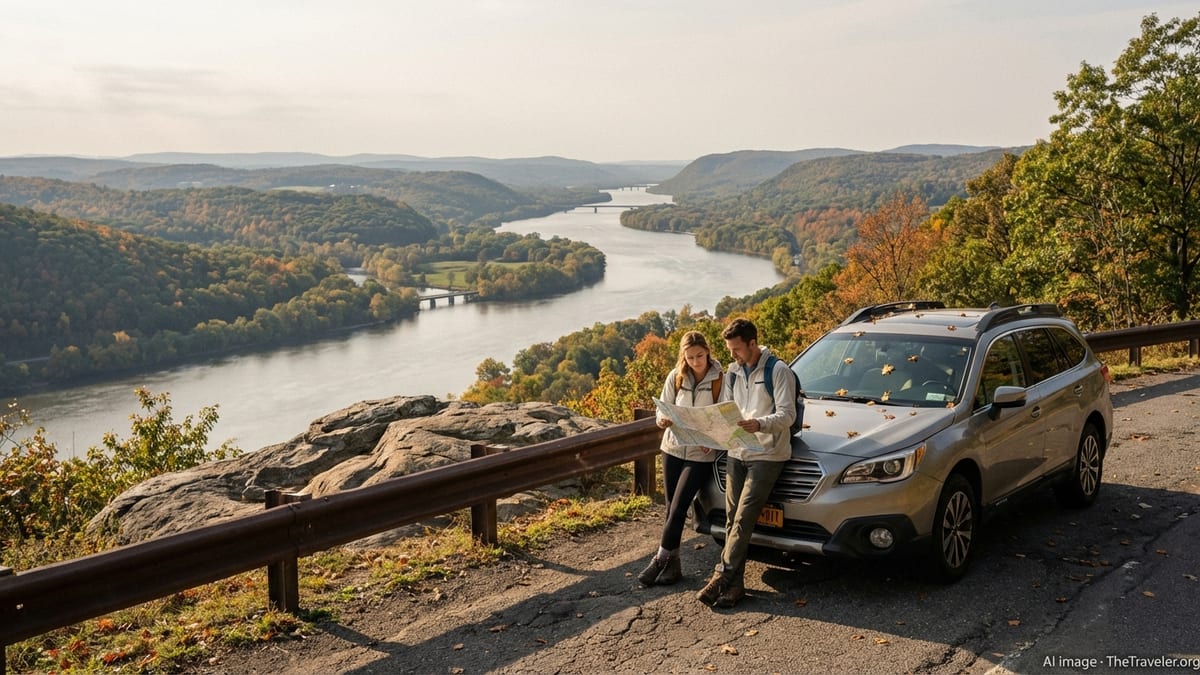
Confusing New York City With the Rest of the State
One of the biggest planning errors is treating New York State as if it were simply a larger version of New York City. The city is a dense, transit-rich metropolis, while much of the rest of the state is rural or small-town in character, with limited public transport and a slower pace. Travelers who assume they can use the same strategies statewide that they use in Manhattan or Brooklyn often end up frustrated by long travel times, limited services, and early closing hours once they leave the city.
This confusion shows up most clearly in itineraries that try to “day trip” from New York City to distant regions like Niagara Falls or the Adirondacks by public transport. On a map, it can look manageable. In reality, even with efficient connections, it can take most of a day each way, leaving visitors with only a rushed glimpse of what they came to see. Planning with realistic drive times and overnight stays in mind is essential if you want to experience more than train stations and highway rest areas.
Another subtle mistake is assuming cultural experiences are limited to the five boroughs. Upstate cities like Albany, Buffalo, Rochester, and Syracuse have museums, theaters, evolving food scenes, and historic architecture, while smaller towns and villages host festivals, farmers’ markets, and vineyard trails. Skipping these entirely in favor of a quick city-only break can shortchange travelers who are seeking a more complete picture of New York’s history and character.
Finally, many visitors underestimate how different the landscapes and outdoor offerings can be across the state. The Catskills and Adirondacks offer serious hiking and backcountry adventure, the Thousand Islands region focuses on island cruises and boating, and the Hudson Valley mixes historic estates with river views and farm-to-table dining. Treating all of this as interchangeable “upstate” and trying to squeeze it into a single free afternoon is a planning shortcut that rarely ends well.
Underestimating Distances and Travel Times
On the map, New York might not look sprawling compared to some western states, but distances are deceptive, especially once you factor in traffic, mountain roads, or winter weather. One of the most frequent mistakes is building an itinerary that hops from New York City to the Hudson Valley, then to the Finger Lakes, followed by Niagara Falls and the Adirondacks in just a few days. Even with a car, that kind of routing leaves most of your time on highways rather than at actual destinations.
Travelers who rely on public transportation outside the city often run into further challenges. While there are train lines and regional buses, many scenic areas have sparse service or limited weekend schedules. Small towns might be reachable by rail, but trailheads, wineries, ski areas, and lakes are often several miles away with no local transit or ride-share options. Failing to check these “last mile” connections in advance can leave you stranded, walking along busy roads, or paying for expensive last-minute taxis.
Driving can certainly open up the state, but road trips require their own planning discipline. Visitors often underestimate how tiring it is to drive four to six hours multiple days in a row, especially in unfamiliar conditions such as snow, lake-effect rain, or winding mountain routes. They also overlook how long seemingly short detours can take, such as leaving the interstate to follow a scenic byway or stopping in several small towns in one afternoon. Allowing buffer time between destinations, building in rest stops, and resisting the urge to pack every day from early morning to late night will make your journey safer and more enjoyable.
Another overlooked detail is the impact of border crossings near Niagara Falls for those who plan to visit both the U.S. and Canadian sides. Crossing times can vary considerably depending on traffic, holidays, and time of day, which can throw off tightly scheduled itineraries. Building flexibility into your plan will reduce stress, allow you to adapt, and give you room to appreciate the views that inspired your trip in the first place.
Misjudging New York’s Seasons and Weather
New York State is a true four-season destination, and that reality can catch travelers off guard. Many visitors associate New York with autumn foliage or winter holiday scenes and assume conditions will be similar statewide. In practice, weather can vary sharply across regions and elevations. A sunny spring day in New York City might still mean snow on high trails in the Adirondacks, while summer heat in the city can coexist with cooler breezes near the lakes and along the coast.
A common mistake is packing for the season in the city instead of for the range of conditions you might face elsewhere. Travelers heading north to hike, camp, or visit mountain towns often arrive without adequate layers, waterproof footwear, or warm outerwear, particularly in spring and fall. Conversely, winter visitors who assume they will only be dashing between taxis and indoor attractions in Manhattan sometimes find themselves tempted by outdoor excursions upstate without having proper boots, gloves, or traction devices.
Another seasonal miscalculation involves timing trips around popular activities without checking how long specific conditions last. Fall foliage, for example, does not peak throughout the state on the same weekend. Colors often change earlier in the Adirondacks and Catskills, then move gradually south toward the Hudson Valley and the city. Similarly, ski seasons depend on snowfall and temperature, while lake swimming and boating are confined to the warmer months. Planning travel for “some time in October” or “around Christmas” without researching regional patterns and recent conditions can lead to missed highlights or closed facilities.
Finally, travelers frequently underestimate the impact of humidity and summer storms, especially if they are used to dry climates. Long days outdoors in July and August can feel more demanding than expected, particularly in the city or during strenuous hikes. Building siesta-style breaks into your schedule, staying hydrated, and having a realistic rain plan will make your trip far more comfortable and far less weather-dependent.
Overloading the Itinerary and Skipping Local Depth
Trying to do too much is a classic travel error, and it is especially pronounced in New York State because the list of potential activities is so long. Many travelers arrive with a checklist of “musts” that spans urban landmarks, mountain hikes, wine tastings, historic sites, and waterfalls. The result is a tightly packed schedule with early departures, late arrivals, and almost no time to simply walk around, linger at a café, or discover a small museum that was not on the original plan.
This overload often comes from a fear of missing out, yet it usually leads to the opposite outcome: visitors remember the car time and train transfers more than the places they came to see. Constantly jumping from city neighborhoods to small towns and then to remote parks does not leave enough time to appreciate any of them in context. A more satisfying approach is to prioritize a few regions, cluster activities geographically, and accept that you will not see the entire state in one trip.
Another common mistake is ignoring local recommendations in favor of a rigid, pre-scripted plan. New York communities often have seasonal events, weekend markets, or pop-up experiences that do not appear in long-range guidebooks. Arriving with no flexibility means you might miss a harvest festival in the Hudson Valley, a farm stand near the Finger Lakes, or a live music night in a small Adirondack town. Leaving a few open windows in your schedule makes it far easier to follow locals’ advice and discover what makes each region unique.
Finally, many itineraries give too much time to heavily promoted attractions at the expense of quieter experiences. It is easy to spend hours in lines or crowded viewing platforms when smaller state parks, lesser-known waterfalls, or modest local museums could offer more relaxed and meaningful encounters. Balancing the iconic stops with a handful of low-key, local choices will create a richer, more memorable journey.
Mismanaging Transportation, Lodging, and Logistics
Travel logistics across New York State can be more complex than they appear at first glance, and mismanaging these details is one of the easiest ways to erode both budget and enjoyment. A recurring issue is booking accommodation solely based on price without considering location and transit options. A cheaper hotel far from a city center, train station, or major road can quickly become expensive when you factor in taxis, parking, or long daily commutes to the places you actually want to visit.
In New York City, travelers sometimes book far-flung neighborhoods or even out-of-state airports without realizing how much time and money they will spend getting into Manhattan or Brooklyn. Outside the city, visitors occasionally book picturesque lodges or vacation rentals in remote areas assuming ride-share services will be readily available. In many rural parts of New York, those services operate only sporadically, if at all. It is important to cross-check your planned activities with how you will reach them each day, especially in the evening when public transport may be limited.
Car rentals bring their own complications. Travelers who are used to quiet country roads may feel stressed driving in and out of New York City traffic, while those who plan only urban stays may unnecessarily rent a car they barely use. Parking fees in cities and popular resort towns can be significant, and some hotels do not include parking at all. A better approach is often to rely on trains and subways in the city, then rent a car later specifically for the upstate portion of the trip, picking it up in a less congested location.
Another logistical mistake is leaving reservations until the last minute during busy seasons. Popular accommodations in the Adirondacks, Catskills, Finger Lakes, and on Long Island’s East End can sell out well in advance for summer and fall weekends. The same is true of certain campgrounds, lake cruises, and guided tours. Assuming you can decide “on the day” where to stay or which activity to join can lead to long searches, higher prices, or simply missing out.
Overlooking Costs, Fees, and Reservation Rules
Many travelers arrive in New York State with a rough sense that it can be expensive, but they often fail to account for the specific ways costs add up. Beyond headline hotel rates and attraction tickets, visitors may encounter parking charges, resort or facility fees, tolls on certain bridges and highways, and surcharges for peak travel periods. These smaller line items can significantly increase the real cost of an otherwise well-planned itinerary.
In popular natural areas, some parks and attractions have introduced timed entry systems or reservation requirements during peak seasons, particularly for parking at crowded trailheads or access to high-demand sites. Travelers who do not check for these rules in advance sometimes arrive to find that same-day access is capped or that prime time slots sold out weeks earlier. This is especially common in high season at marquee destinations, where local authorities are trying to manage crowding and protect fragile environments.
Food and drink costs can also surprise visitors, especially in the city and at resort-focused destinations. Restaurant prices, taxes, and tipping norms may be higher or structured differently than travelers are used to at home. Those who assume they can simply “wing it” with walk-in dining at popular venues during weekends or holidays often face long waits or limited choices. Making strategic reservations, seeking out local casual options, and planning at least a few meals near your lodging can help keep costs and stress in check.
Lastly, some travelers overlook the financial side of spontaneous detours. Booking extra sightseeing cruises, last-minute theater tickets, or premium guided excursions day by day can be rewarding, but it is easy to lose track of cumulative spending. Setting a daily or regional budget before you go, and building in a modest contingency fund for surprises, can prevent unpleasant shocks when you review your statements after the trip.
Ignoring Safety, Outdoor Preparedness, and Local Etiquette
New York State is generally welcoming and straightforward to navigate, but a certain level of preparation goes a long way, especially for outdoor activities. One widespread oversight is underestimating the physical demands and risks associated with hiking, skiing, paddling, or winter driving in mountainous regions. Some travelers treat popular trails or scenic routes as casual strolls, heading out without checking weather conditions, trail closures, or daylight hours. In areas like the Adirondacks and Catskills, conditions can change quickly, visibility can drop, and cell coverage can be patchy.
Another mistake involves gear. Visitors often head to waterfalls, gorges, or lakefronts in everyday shoes and light clothing, not realizing that trails can be muddy, rocky, or slippery even in good weather. In winter, icy sidewalks and parking lots can be just as hazardous as remote trails for anyone without appropriate footwear. Packing basic layers, sturdy shoes, and simple items such as a hat, gloves, or a compact waterproof jacket can prevent minor inconveniences from turning into trip-altering problems.
Within cities and towns, safety is generally a matter of standard urban common sense. However, travelers unfamiliar with local norms sometimes inadvertently make themselves more vulnerable by carrying all documents and cash in one place, setting bags down out of reach at busy attractions, or leaving valuables visible in parked cars at trailheads or scenic overlooks. Distributing important items, using hotel safes when available, and keeping vehicles clear of temptations are simple but effective precautions.
Finally, local etiquette can differ subtly between regions. In New York City, pedestrians move quickly and expect others to keep to one side on sidewalks, escalators, and subway stairs. Upstate, smaller communities may have quieter evenings and expect noise levels at accommodations to drop earlier. Being aware of your surroundings, respecting posted rules at parks and historic sites, and following staff guidance at wineries, breweries, and farms will help you blend in and support the places you came to enjoy.
Neglecting Cultural, Historical, and Regional Diversity
Another planning gap involves treating New York State as a single, uniform cultural experience. In reality, each region has distinct history, communities, and traditions, and overlooking that diversity can make a trip feel flatter than it needs to be. Visitors sometimes focus solely on headline sights, such as Niagara Falls or major New York City landmarks, while skipping the museums, historic houses, and cultural centers that explain how different parts of the state developed.
In the Hudson Valley, for example, estates, Revolutionary War sites, and art institutions offer layers of context for the river views that so many travelers photograph. In western and central New York, industrial heritage, immigration stories, and innovative museums explore how canals, railways, and manufacturing shaped both the state and the wider country. The Adirondacks and Catskills reflect long histories of conservation, recreation, and seasonal communities, best understood through a mix of outdoor time and visits to local interpretive centers.
Food and drink also reflect regional diversity that is easy to miss when you rely solely on familiar chains or national brands. From wine routes in the Finger Lakes to craft breweries, cider houses, and farm stands across the state, there are many ways to sample local flavors. Travelers who do not research these options in advance may find themselves driving past small producers without realizing how much they add to the sense of place.
Lastly, New York’s communities are home to a wide range of cultures and identities, and engaging respectfully with that diversity can enrich your trip. Supporting independent businesses, attending local festivals, and taking time to learn about Indigenous and immigrant histories helps move your experience beyond a checklist of views and photo stops and toward a more rounded understanding of where you are.
The Takeaway
A trip to New York State can offer almost any kind of travel experience you are looking for, from urban energy and world-class culture to quiet lakes, mountain trails, and historic villages. The most common planning mistakes usually stem from underestimating distances, oversimplifying the seasons, and assuming that what works in New York City will work everywhere else. They also arise when travelers try to cover too many regions too quickly, or when they skip the practical details of transportation, reservations, and gear.
By slowing down your itinerary, choosing a manageable number of regions, and matching your plans to the realities of geography and weather, you can avoid many of the pitfalls that frustrate other visitors. Paying attention to local advice, respecting reservation systems and seasonal patterns, and preparing for both city streets and rural trails will help you experience more of what makes New York distinct rather than spending your time in queues and on the road.
Above all, it helps to arrive with curiosity rather than a rigid script. New York State rewards travelers who give themselves time to look beyond the obvious, listen to the stories of the communities they visit, and embrace the state’s variety rather than trying to compress it into a single, hurried loop. With a bit of careful planning and a willingness to adjust on the ground, the mistakes that trip up many visitors can become the lessons that make your journey smoother, deeper, and more memorable.
FAQ
Q1. How many days do I need for a New York State trip beyond New York City?
For a first visit that includes both the city and at least one additional region, many travelers find that seven to ten days allows a more relaxed pace. If you have less time, it is usually better to pair New York City with just one nearby region, such as the Hudson Valley or Long Island, rather than trying to cross the entire state.
Q2. Is it realistic to visit Niagara Falls as a day trip from New York City?
For most travelers it is not practical. The journey each way typically takes most of a day by car, bus, or train, and even flying involves transfers and airport time. Planning at least one overnight near Niagara Falls gives you time to see the area without spending nearly all of your trip in transit.
Q3. Do I need a rental car to explore outside New York City?
In many upstate and rural regions a car is the most flexible option, especially for reaching trailheads, small towns, wineries, and lakes. Some routes combine trains or buses with local taxis and tours, but if you want independence and the ability to change plans spontaneously, renting a car for the non-city portion of your trip is often the easiest approach.
Q4. When is the best time to visit for fall foliage?
Foliage timing varies by region and year, but colors often arrive earlier in the Adirondacks and Catskills, then move south toward the Hudson Valley and New York City. Planning your visit for a window rather than a single specific weekend, and choosing one or two regions to focus on, will increase your chances of catching good color.
Q5. How should I budget for costs outside New York City?
Prices vary widely, but it is sensible to account for hotel taxes, parking fees, attraction tickets, and meals at a level similar to other popular U.S. destinations. Resort areas, wine regions, and peak-season mountain towns can be more expensive than expected, while smaller inland towns and midweek stays may be more budget friendly.
Q6. Are New York State’s outdoor activities suitable for beginners?
Many are, provided you match the activity to your experience and prepare appropriately. Well-marked shorter hikes, lake cruises, family-oriented ski areas, and guided excursions are common across the state. Checking difficulty ratings, weather forecasts, and equipment requirements in advance will help you choose options that fit your comfort level.
Q7. How far in advance should I book accommodations in popular regions?
During busy periods such as summer weekends, autumn foliage season, and major holidays, it is wise to book several months ahead, especially for waterfront properties, national brand hotels, or in-demand lodges. Outside peak times you may find more flexibility, but booking at least a few key nights early can secure your preferred locations.
Q8. Can I rely on ride-share services in upstate and rural areas?
Availability varies significantly. In larger upstate cities you may find familiar ride-share options, but in small towns and rural regions they can be limited or unavailable, particularly late at night. When planning evenings out or early-morning departures, consider local taxi companies, designated drivers, or staying within walking distance of dining and activities.
Q9. What should I pack for a multi-region New York State trip?
Versatile layers are key. Sturdy walking shoes, a light waterproof jacket, a warmer layer for cool evenings, and sun protection will cover many situations. If you plan outdoor activities in higher elevations or in colder months, add insulated clothing, gloves, a hat, and any sport-specific gear advised by local outfitters or park authorities.
Q10. How can I avoid feeling rushed while still seeing a lot?
Choose a small number of regions, cluster your activities geographically, and build in unscheduled time each day. Accept that you will not see everything in one trip, focus on depth rather than coverage, and be willing to adjust plans based on weather, local recommendations, and your own energy levels.