

Ontario rewards curious travelers with wild lakes, sophisticated cities, and small towns that feel unchanged for generations. It can also be an unforgiving place for visitors who misjudge its vast distances, complex weather, or seasonal rhythms. From Toronto’s packed summer festivals to empty northern highways in winter, a great Ontario trip starts long before you land or turn the key in a rental car. Understanding the most common planning mistakes will help you craft an itinerary that is realistic, safe, and genuinely memorable.
Underestimating Ontario’s Size and Driving Distances
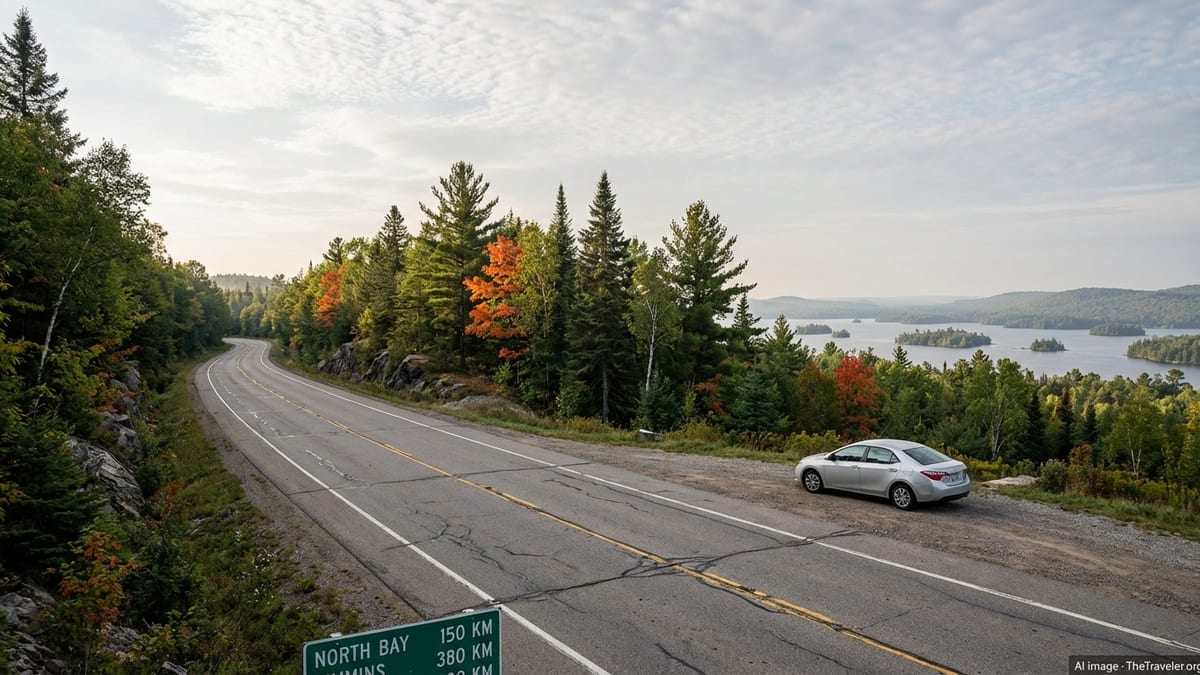
One of the biggest mistakes travelers make is assuming Ontario is compact and easy to cover in a few days. In reality, Ontario is larger than many European countries, and travel times between key destinations can be long, especially once you leave the Greater Toronto Area. A drive from Toronto to Ottawa can take four to five hours in good conditions, Toronto to Algonquin Provincial Park is at least three hours, and reaching Thunder Bay from Toronto is a multi-day road trip, not a scenic afternoon outing. Building an itinerary that treats these journeys as short hops often leads to rushed days, exhaustion, or unsafe driving late at night.
Travelers also underestimate how road conditions, construction, and traffic can stretch schedules. Even in summer, congestion around Toronto, cottage-country routes, and border crossings can add unexpected hours to a trip. Many rural and northern routes are two-lane highways with limited services, meaning slower speeds and fewer opportunities to stop. When you cram multiple long drives into a short stay, there is little time left to actually explore the places you came to see.
A more realistic approach is to choose one or two regions and explore them in depth. For first-time visitors, pairing Toronto with Niagara, or Toronto with one nearby wilderness area such as Algonquin, Bruce Peninsula, or the Kawarthas, results in a far more enjoyable experience than racing across the province. Factor in at least one full buffer day on longer itineraries, and avoid planning long drives on the same days as flights or major time zone changes.
Before finalizing your plans, use official driving time estimates and then add a cushion rather than shaving minutes off. Allow extra time for breaks, photo stops, and weather. If your schedule only works when everything goes perfectly, it is not really workable in Ontario, especially outside major urban corridors.
Misreading Ontario’s Seasons and Weather
Ontario experiences four distinct seasons, and each one affects travel differently. Visitors from milder climates are often surprised by how hot and humid southern Ontario can be in July and August, with temperatures that can feel well above 30 degrees Celsius when humidity is high. Air conditioning is common, but long days of walking in cities or hiking inland trails can still be draining. In contrast, late autumn and early spring can feel raw and damp, even if the temperatures on paper do not look especially cold.
Winter conditions catch many travelers off guard. Snow, ice, and rapidly changing weather are common across much of the province. Northern and interior regions can see extreme cold, and snow can arrive earlier and linger longer than visitors expect. Provincial guidelines emphasize the importance of planning ahead for winter driving, checking forecasts, allowing extra time, and preparing emergency supplies in vehicles. Failing to respect winter conditions can quickly turn a scenic drive into a hazardous experience.
Another common oversight is not matching trip activities to the actual seasonal reality. Early May in Algonquin or northern regions may still feel like late winter, with trails muddy or icy and many services just reopening. Likewise, some popular natural attractions have very short peak windows when conditions are ideal, such as autumn foliage in late September or early October in much of central and northern Ontario. Planning a trip around a particular activity, like paddling or leaf-peeping, without checking typical seasonal timing often leads to disappointment.
The best safeguard is to build your itinerary around the season, not the other way around. In winter, focus on city experiences, well-maintained ski resorts, or fully prepared winter park trips, and make conservative assumptions about driving. In summer, account for heat and thunderstorms, and in shoulder seasons, expect a mix of conditions and pack accordingly. Whatever the month, keep an eye on official weather and road condition services, and stay flexible enough to shift activities by a day if conditions change.
Overlooking Regional Differences and Local Practicalities
There is no single “Ontario experience.” The dense urban core around Toronto, the vineyard-covered Niagara Peninsula, the lakes and forests of Muskoka and Haliburton, and the rugged north shore of Lake Superior feel like different worlds. Treating them as interchangeable is a common planning mistake that leads to mismatched expectations. For example, a visitor expecting walkable neighborhoods, frequent transit, and food options past midnight may be surprised by quiet streets and early closing times in smaller communities.
Services can be sparse in many rural and northern areas, especially outside peak summer or winter seasons. Gas stations, restaurants, and accommodations may be spread far apart or operate reduced hours. Relying on last-minute bookings, assuming 24-hour service, or expecting ride-share availability in small towns often leads to stress. In parts of northern Ontario and some provincial parks, mobile coverage can be patchy or absent, which affects navigation, communication, and the ability to access digital tickets or reservations.
Travelers also underestimate the local culture of outdoor safety and respect for the environment. In park regions and cottage country, many businesses and residents are acutely aware of wildfire risk, water safety, and wildlife encounters. Ignoring local advice about campfire rules, swimming conditions, or bear safety is not only inconsiderate but can be genuinely dangerous. Similarly, noise bylaws, quiet hours at campgrounds, and respect for private property around lakes are taken seriously.
Doing region-specific research before you go helps avoid these pitfalls. Look up typical services available in the communities you plan to visit, check whether mobile coverage is reliable, and confirm seasonal operating hours for activities and attractions. When in doubt, ask locals, visitor centers, or park staff about conditions, safety considerations, and etiquette. A bit of local insight goes a long way toward a smooth and respectful trip.
Rushing Through Cities or Nature Without Balance
Another frequent mistake is swinging too far toward either city or wilderness, without building a balance that reflects your interests and energy. Some visitors use Toronto only as a transit point, spending a single rushed night before heading directly to Niagara Falls or the nearest lake. Others spend their entire time in cities and then regret not seeing Ontario’s trademark natural landscapes. A well-planned trip recognizes that Ontario’s personality emerges from both sides: its diverse, cosmopolitan urban centers and its vast network of lakes, rivers, and forests.
Rushing through Toronto in a single afternoon in between flights and a road trip is rarely satisfying. The city’s museums, neighborhoods, and waterfront need at least two or three full days to appreciate even a fraction of what is on offer. The same is true of Ottawa, where the national museums, historic sites, and seasonal festivals reward unhurried exploration. In both cities, travelers often underestimate the time it takes to move between attractions, especially at busy times or during major events.
On the other hand, devoting too little time to nature means missing what many locals consider the soul of the province. Even if you are not an avid camper, accessible day hikes, gentle paddling routes, and scenic drives are within reach of Toronto, Ottawa, and smaller cities like Kingston or Sudbury. The mistake is packing these experiences into short detours instead of carving out whole days or multi-day stays, particularly in popular areas like Algonquin or Bruce Peninsula where trails and beaches can be crowded at peak times.
The solution is to be realistic about your own travel style and to protect unscheduled time in the places that interest you most. Rather than trying to “check off” both city and wilderness in a single quick loop, consider prioritizing one and adding a meaningful sample of the other. Two nights in the city and three in a nearby park or lakeside town can give you a rich and varied picture of Ontario without leaving you rushed or exhausted.
Mismanaging Bookings, Permits, and Peak Crowds
Ontario’s most popular attractions and seasons attract heavy demand, and many travelers misjudge how far in advance they need to book. Summer weekends at sought-after provincial parks, lakeside cottages, or urban hotels during major festivals can sell out well ahead of time. In some parks and conservation areas, day-use reservations are now required or strongly recommended in peak periods. Failing to secure these in advance, or assuming you can simply arrive and find space, can derail plans, especially during school holidays and long weekends.
Permits and rules can also surprise those not used to them. Certain backcountry camping routes, interior canoe trips, and specific hiking areas require permits, backcountry reservations, or capacity-limited access. Boat launches, fishing, and even some types of guided activities may have regulations or licensing requirements. Travelers who leave these details until the last minute often find that the routes, campsites, or time slots they wanted are no longer available.
In cities, visitors sometimes underestimate demand tied to events such as major sports games, concerts, or festivals. Hotel prices can spike, central accommodations sell out, and restaurant reservations become hard to secure. Travelers who are not aware of these events may interpret the resulting crowds and high prices as typical, when in reality they have simply chosen highly sought-after dates.
To avoid these pitfalls, map your key experiences first and then build your dates and logistics around them. If a particular park, festival, or activity is a priority, check reservation opening dates and book as early as practical. For flexible elements like restaurant dining or short city tours, securing at least a few advance bookings during peak weekends can dramatically reduce stress. Always read the fine print on permits and timed-entry systems, and keep digital and printed copies of confirmations in case you are offline.
Ignoring Safety, Wildlife, and Outdoor Preparedness
Ontario is generally safe for travelers, but its mix of city and wilderness environments demands attention to basic safety and preparedness. Visitors sometimes assume that short hikes or lakes close to parking areas pose little risk and head out in light footwear, without proper clothing, water, or maps. In reality, even well-marked trails can be muddy, rocky, or steep in places, and weather can change quickly. In winter, Ontario’s official guidance stresses the importance of winter tires, emergency kits, and cautious driving habits, especially in snow and ice conditions.
Wildlife encounters are another area where visitors’ assumptions can be misplaced. Black bears, moose, and smaller animals are part of the landscape in many regions. The risk can be managed by following local advice: storing food securely, never feeding wildlife, keeping a respectful distance, and driving carefully at dawn and dusk. Ignoring these basics not only endangers animals but can also result in vehicle collisions or unpleasant close encounters on trails or at campsites.
Travelers often underestimate water-related risks as well. The Great Lakes and large inland lakes can be deceptively cold, even in midsummer, and conditions can change rapidly with wind and weather. Strong currents, waves, and cold shock are real hazards. Choosing appropriate life jackets, staying close to shore in small craft, and heeding posted warnings are simple measures that make a significant difference. In winter, ice conditions are highly variable, and official park guidance emphasizes that avoiding travel on ice when possible is the safest choice, given how quickly conditions can change.
Building safety into your plans does not mean avoiding adventure. It simply means matching your activities to your experience level and the realities of Ontario’s landscapes. Plan to travel with partners for more remote hikes or winter activities, let someone know your route and expected return time, and carry basic navigation tools, layers, and extra food and water. A mindset of preparation and respect ensures that memorable experiences stay positive ones.
Overlooking Costs, Transportation Choices, and Travel Formalities
Another common planning error is misjudging how transportation, accommodation, and daily costs add up. While Ontario can be explored on a range of budgets, visitors sometimes assume that distances can be covered cheaply by public transport alone. In reality, outside major urban corridors, long-distance buses and trains exist but are not always frequent or convenient for reaching smaller towns, parks, or trailheads. Renting a car offers flexibility but also brings expenses such as insurance, fuel, potential tolls in certain areas, and parking in cities.
City travel passes, regional train services, and intercity buses can be very useful, but they require advance research to understand schedules, routes, and how they connect. Some visitors are surprised to learn that pickup and drop-off points for long-distance services may be in less central locations. Others underestimate demand on peak weekends and holidays, when tickets can sell out or be more expensive. Leaving transportation details to the last minute may limit your options or force schedule changes.
On the financial side, costs for accommodations, dining, and activities in places like Toronto, Niagara, and popular resort areas can be comparable to other major North American destinations. Taxes and service charges can increase final bills beyond what visitors from elsewhere are used to, and tipping customs in restaurants and for services can catch some travelers by surprise. Not budgeting for these elements may lead to having to cut activities or move to less convenient locations mid-trip.
Finally, some travelers underestimate entry requirements, identification needs, and insurance considerations. International visitors should confirm passport validity and any visa or electronic authorization requirements well before travel. Health and travel insurance that covers medical care, cancellations, and outdoor activities is strongly recommended. Road-trippers should ensure that their driving license is valid for use in Ontario and confirm what their rental car insurance actually covers, particularly for winter conditions or rural travel.
The Takeaway
Planning an Ontario trip is less about finding a long checklist of attractions and more about understanding the province’s scale, seasons, and character. The most common mistakes stem from underestimating distances, misreading the weather, and assuming that services and conditions will mirror those of smaller or more densely populated regions. By recognizing these patterns, you can shape a trip that moves at a human pace and leaves room for unplanned discoveries.
Building in extra time, choosing a manageable number of regions, and respecting local guidance on safety and reservations will transform your experience from hurried to immersive. Whether you are tracing the waterfront in a major city, following a winding highway past endless lakes, or listening to loons call over a quiet campsite, Ontario rewards travelers who arrive prepared yet willing to adapt.
With realistic expectations and thoughtful planning, the province’s variety becomes a strength rather than a challenge. Instead of chasing an impossible itinerary, you can settle into the rhythm of each place, confident that you have given yourself the conditions for a genuinely memorable journey.
FAQ
Q1. How many days do I really need for a first trip to Ontario?
For a first visit focused on one city and one nearby nature area, five to seven days is a comfortable minimum. This allows for travel time, a few city days, and at least two or three full days in a park or lakeside region without constant rushing.
Q2. Is it safe to drive in Ontario in winter as a visitor?
It can be safe if you are experienced with snow and ice, drive a properly equipped vehicle with winter tires, and keep your distances and speed conservative. If you have little or no winter driving experience, consider limiting driving to well-cleared urban routes or using public transport and organized tours during the snowiest months.
Q3. Do I need a car to explore Ontario properly?
You can enjoy Toronto, Ottawa, and some nearby attractions using public transit, trains, and buses, but a car offers far more flexibility for reaching smaller towns, beaches, and parks. If you want to spend significant time in cottage country or northern regions, renting a car is usually the most practical choice.
Q4. When is the best time to visit Ontario for outdoor activities?
Late June through early September is ideal for warm-weather hiking, paddling, and swimming, while September and early October are popular for autumn colors. Winter sports are usually best from January through early March in many regions, although exact timing varies each year with weather conditions.
Q5. How far in advance should I book provincial parks and popular areas?
For peak summer weekends and long weekends, it is wise to book campsites, cabins, and nearby accommodations as soon as reservations open or several months in advance. Even day-use reservations for some popular parks may be needed in midsummer or during special events.
Q6. Are there any health or safety issues I should be aware of in Ontario’s outdoors?
Most issues relate to weather, terrain, and insects rather than serious diseases. Mosquitoes and blackflies can be intense in late spring and early summer, and sun, heat, and cold exposure are real risks. Basic precautions like wearing suitable clothing, using insect repellent, packing layers, and carrying sufficient water go a long way.
Q7. How expensive is Ontario compared with other North American destinations?
Costs in cities such as Toronto and Ottawa can be similar to other large North American urban centers, especially in central neighborhoods and busy seasons. Smaller towns and rural areas can be more affordable, but seasonal resort destinations may still be pricey. Planning and budgeting ahead helps avoid surprises.
Q8. Will I have mobile coverage and internet everywhere I go?
Major cities and highways have good coverage, but rural and northern regions, as well as some provincial parks, can have weak signals or no service. Download offline maps, keep key documents accessible without internet, and let someone know your plans if you are heading into more remote areas.
Q9. Can I swim safely in Ontario’s lakes and rivers?
Many people do, but conditions vary significantly. Water can be colder than expected, currents can be strong, and weather on large lakes can shift quickly. Always follow local warnings, choose designated swimming areas where possible, and use life jackets for boating or paddling.
Q10. What should I pack that travelers often forget for an Ontario trip?
Versatile layers, a rain jacket, sturdy walking shoes, insect repellent, and sun protection are frequently overlooked. In cooler seasons, pack hats and gloves even if the forecast seems mild. For road trips, add a basic emergency kit, snacks, water, and a paper map or printed directions in case mobile coverage drops.