

Florida welcomes well over 140 million visitors a year and continues to set new tourism records, a sign that the Sunshine State remains one of the most in-demand destinations in the United States. From world-class theme parks to subtropical national parks and laid-back island chains, the state offers a remarkable variety of experiences within a single peninsula. This guide brings together practical information and on-the-ground insight to help you plan a realistic, rewarding trip to Florida, whether you are visiting for the first time or returning to explore a new corner of the state.
Understanding Florida’s Regions and Top Highlights
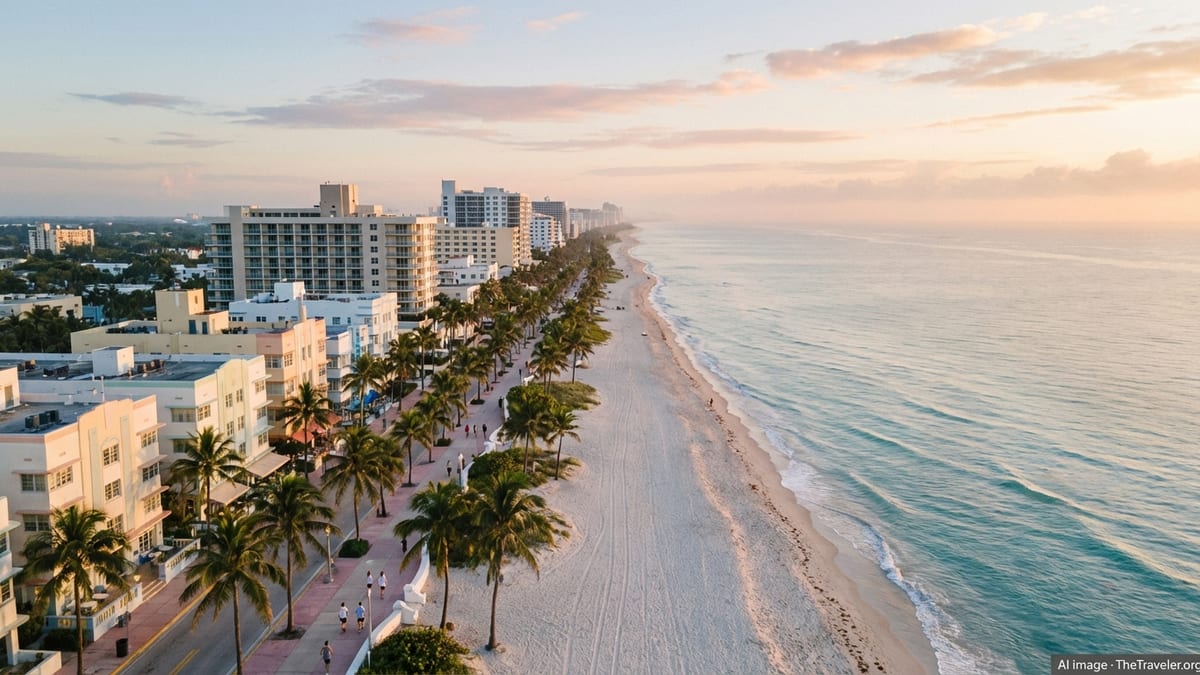
Florida covers a large and surprisingly diverse area, and choosing the right region is the first step in planning an effective itinerary. Central Florida, anchored by Orlando, is the theme park capital of the world, home to major resort complexes that draw families and thrill seekers year-round. To the south, Miami and the Atlantic coast offer cosmopolitan neighborhoods, art and design districts, and long beaches that blend city energy with resort relaxation.
The Gulf Coast, stretching roughly from the Tampa Bay area down through Fort Myers and Naples, is known for calmer waters, sunset-facing beaches and a slower pace that appeals to couples and families alike. Further north, the Panhandle and North Florida, including destinations such as Pensacola, Panama City Beach and the historic city of St. Augustine, deliver a blend of Southern charm, wide beaches and smaller crowds outside peak holiday periods.
Off the southern tip of the peninsula, the Florida Keys form a string of islands connected by the scenic Overseas Highway. Visitors come here for snorkeling, diving, fishing and a laid-back island feel that contrasts sharply with Orlando’s theme park intensity or Miami’s nightlife. On the interior, the Everglades and other protected wetlands showcase Florida’s wild side, where you can see alligators, wading birds and unique subtropical ecosystems found in few other places in the continental United States.
Because the state’s regions have such distinct personalities, many travelers choose one or two hubs rather than trying to “do Florida” in a single trip. A week split between Orlando and the Gulf Coast will feel very different from a Keys road trip or a circuit that combines Miami with the Everglades and nearby coastal towns. Understanding these differences will help you match your plans to your interests and travel style.
When to Visit: Seasons, Weather, Crowds and Costs
Florida’s nickname is the Sunshine State, but conditions vary significantly by season and latitude. In general, winter from December through February is peak season for most of the peninsula, especially South Florida and the Keys, where daytime highs often sit in the 70s and low 80s Fahrenheit while much of North America is cold. These pleasant conditions attract visitors and drive up hotel rates, which can be at their highest around major holidays and school breaks.
Spring, especially March through early May, is one of the most attractive times to visit. Temperatures are warm but usually not at their most humid, and rainfall is often moderate. However, college spring break and school holidays can make popular beach towns and Orlando’s theme parks very busy in March. Families planning to travel during that time should expect higher prices and heavier crowds and benefit from booking accommodations and park reservations several months ahead.
Summer, from June through September, brings high heat, humidity and frequent afternoon thunderstorms, especially in Central and South Florida. These storms often build quickly in the late afternoon and pass within an hour, but they can temporarily disrupt outdoor plans. Summer is also part of Atlantic hurricane season, which officially runs from June 1 to November 30, with peak activity typically in late summer and early fall. While many visitors still come in these months, especially families tied to school schedules, it is wise to monitor forecasts, consider flexible bookings and travel insurance, and have backup indoor activities in mind.
Fall, particularly October and November, can be an appealing shoulder season with gradually improving weather, lighter crowds and more competitive pricing as long as you remain aware of potential late-season storms. In North Florida and the Panhandle, winter can occasionally be cool, with nights dropping to the 40s Fahrenheit, so packing layers is sensible even if you are expecting mostly mild sunshine. Across all seasons, Florida’s strong sun can be deceptive, so sunscreen, hats and regular hydration should be part of your routine regardless of when you visit.
Getting In and Around: Flights, Driving and Local Transport
Most visitors arrive in Florida by air, and the state is served by a network of major and regional airports. Orlando, Miami and Tampa are among the busiest, offering extensive domestic and international connections, while Fort Lauderdale, Jacksonville, Fort Myers, West Palm Beach and several smaller airports provide additional options that may be convenient depending on your itinerary. Competition among airlines and the volume of flights often keep fares relatively competitive, particularly to the largest hubs.
Once in Florida, many travelers find that renting a car offers the most flexibility, especially if they plan to explore multiple regions, visit beaches and state parks, or stay outside dense urban cores. The state’s main north–south artery is Interstate 95 along the Atlantic Coast and Interstate 75 across the interior and Gulf Coast, while the Florida Turnpike connects Miami to Central Florida. Driving times can be longer than they appear on the map due to traffic, construction and lower speed limits in environmentally sensitive areas, so building in buffer time is a smart practice.
Specific routes, such as the drive from Miami to Key West along US 1, are as much scenic journeys as they are transportation links. That approximately 160 mile route can take around 3.5 to 4 hours without stops, but many visitors prefer to add time for viewpoints, state parks and small towns along the way. Similarly, drives between Orlando, the coasts and the Keys can be affected by peak weekend traffic and holiday congestion, especially when large events or school vacations overlap.
Within cities, ride-hailing services and local transit can reduce the need for a car, particularly in downtown Miami, Miami Beach and certain parts of Orlando and Tampa. Intercity options are improving as well, with expanded passenger rail service along parts of the Atlantic side and bus networks linking major metropolitan areas. However, for many first-time visitors who want to mix urban stops with nature and smaller beach communities, a rental car remains the most straightforward solution.
Where to Stay: Accommodations, Areas and Budget Planning
Florida’s accommodation options mirror its diversity as a destination. In major cities and resort areas, you will find everything from large-scale theme park hotels and beachfront high-rises to boutique inns and vacation rentals. Prices fluctuate sharply by season and location, with winter and school holidays typically commanding the highest nightly rates, especially in South Florida, Orlando, the Keys and popular Gulf Coast towns.
Travelers on a moderate budget can often secure good value by considering properties slightly inland from beachfront strips or just outside the main resort complexes. For example, staying a few miles away from the sand in the Tampa Bay area or choosing an off-site hotel near Orlando’s parks instead of on-property resorts can stretch your budget while still keeping you close to key attractions. Families or groups may find that short-term rental homes, particularly in Central Florida and some Gulf Coast communities, offer more space and kitchen facilities that help reduce meal costs.
Seasonal strategy plays an important role. Booking well in advance is advisable for winter stays in South Florida and the Keys, where smaller inventory and high demand push prices up quickly. Spring and fall can present opportunities to find more moderate rates, especially if your dates are flexible and you can avoid major holidays and event weekends. Summer, despite the heat, may bring promotional offers from higher-end properties that look to maintain occupancy once school breaks are underway and competition intensifies.
When comparing options, consider not just nightly rate but parking fees, resort charges, and the convenience of location relative to your planned activities. Properties near theme parks may include early park entry or shuttle services that add value, while beach resorts sometimes bundle amenities such as umbrellas, chairs and water sports equipment into their fees. Reading recent guest feedback can help set expectations about service levels, renovation status and how accurately properties reflect their online descriptions.
Building a Realistic Florida Itinerary
With so many famous destinations in one state, the biggest challenge in planning a Florida trip is often resisting the urge to do too much. Distances between key areas are manageable on paper, but frequent packing, unpacking and long days in transit can quickly erode vacation energy. Focusing on one or two regions and allowing enough time in each place tends to produce a more satisfying experience than trying to see all of Florida in a week.
Travelers interested primarily in theme parks and family attractions might dedicate a full week to Central Florida alone, using Orlando as a base. This allows time to balance intense park days with slower experiences such as resort pool time, nearby springs or short excursions to the Atlantic or Gulf coasts. Those drawn to beaches and coastal towns could plan a loop that focuses on either the Gulf Coast or the Atlantic side, perhaps tying in a visit to a nearby city for museums, dining and nightlife.
For a mix of culture, nature and island scenery, an itinerary that combines Miami with the Everglades and the upper or middle Keys can be particularly rewarding. This approach keeps driving distances modest while offering exposure to diverse facets of the state, from Art Deco architecture and Latin American–influenced cuisine to mangrove ecosystems and coral reefs. Visitors with more time might extend this south Florida circuit into Key West or add a leg to the Gulf Coast around Naples or the Ten Thousand Islands.
Regardless of your focus, it is helpful to anchor the trip around a few “must-do” experiences rather than a long checklist of attractions. Building in rest days, scheduling longer drives at off-peak times and allowing flexibility for weather shifts or spontaneous discoveries will help your Florida trip feel like a vacation rather than a race from one landmark to the next.
Nature, Beaches and Theme Parks: What Not to Miss
Florida’s beaches remain a primary draw and vary notably from coast to coast. The Gulf Coast often features softer, lighter sand and quieter surf, making it especially appealing for families with younger children and travelers who enjoy calm swimming and sunset views over the water. On the Atlantic side, beaches near Miami, Fort Lauderdale and the Space Coast can offer livelier waves, more pronounced beach scenes and, in some areas, a strong surf culture.
Beyond the shoreline, the state’s natural areas invite exploration. The Everglades, designated as a national park and broader ecosystem, showcase sawgrass prairies, mangrove tunnels and a remarkable array of birdlife and reptiles. Boardwalk trails, ranger-led programs and licensed airboat operators provide access, though visitors should always follow local guidance about staying on designated paths and maintaining safe distances from wildlife. Other protected areas, from Gulf Coast barrier islands to freshwater springs in Central and North Florida, offer hiking, kayaking, snorkeling and opportunities to see manatees in season.
Theme parks form the other pillar of Florida’s tourism appeal. Orlando’s major resort complexes feature some of the world’s most elaborate rides, immersive lands and entertainment offerings, with new attractions debuting regularly to keep pace with demand. Visiting these parks effectively requires planning: purchasing tickets in advance, understanding reservation systems, and arriving early in the day can significantly reduce wait times and stress. Many visitors also plan a “rest day” after several consecutive park days to avoid burnout, especially when traveling with children.
Smaller attractions, from regional water parks and marine life centers to local museums and historic districts, round out the Florida experience. The state’s long history, including indigenous cultures, Spanish colonial settlements and its role in space exploration, is visible in sites ranging from St. Augustine’s forts to the facilities along the Space Coast. Adding a mix of marquee and lesser-known experiences will give your trip both memorable highlights and a sense of Florida beyond the postcard images.
Safety, Weather Awareness and Practical Tips
Travel in Florida is generally straightforward, but a few practical considerations can make your visit smoother and safer. Sun exposure is one of the most underestimated risks, particularly for visitors arriving from cooler climates. Ultraviolet levels remain strong even in winter, so applying broad-spectrum sunscreen, wearing hats and sunglasses, and seeking shade during midday hours can help prevent burns that might otherwise disrupt your plans.
Weather awareness is especially important during hurricane season, which officially runs from early June through late November. While most trips proceed without serious disruption, tropical systems can affect particular regions with heavy rain, strong winds and localized flooding. Travelers who book Florida trips in these months often monitor forecasts closely in the week before departure and may consider trip insurance that covers weather-related changes, provided it is purchased before a specific storm is named.
On the road, patience and planning are key. Traffic can be heavy around major cities during rush hours and on weekends, especially along routes leading into resort areas or the Keys, where a single main road connects much of the island chain. Allowing extra time, avoiding peak times when possible and carrying water and snacks for longer drives can make delays less stressful. In coastal zones and near wetlands, drivers should also be alert to sudden heavy downpours that reduce visibility and to posted advisories about wildlife crossings.
General urban safety guidelines apply in Florida’s cities as they do elsewhere in the United States. Keeping valuables out of sight in parked cars, being aware of your surroundings at night and using licensed transportation providers reduce the likelihood of problems. In natural areas, respecting warning signs, heeding local authorities and maintaining distance from alligators and other wildlife help keep both visitors and animals safe.
The Takeaway
Planning a trip to Florida is ultimately about matching the state’s broad range of possibilities with your own priorities, budget and travel style. Whether you are seeking thrill-filled theme park days, quiet time on a barrier island, cultural exploration in dynamic cities or encounters with subtropical ecosystems, thoughtful preparation will help you make the most of your time.
By choosing your travel season carefully, anchoring your itinerary in one or two regions, and building in flexibility for weather and traffic, you can avoid common pitfalls such as overpacked schedules and unnecessary stress. Paying attention to practical details, from sun protection and hydration to realistic driving times, will also go a long way toward ensuring a comfortable experience.
Florida’s sustained growth in visitor numbers in recent years reflects both its enduring appeal and ongoing investment in tourism infrastructure. For individual travelers, the reward of good planning is the chance to experience that appeal in a way that feels personal, whether that means watching the sunset over the Gulf, spotting herons in a mangrove creek, or seeing a child’s face light up at their first theme park ride.
FAQ
Q1. How many days do I need for a first trip to Florida?
For a focused trip built around one region, such as Orlando or Miami and nearby beaches, five to seven days is usually enough to see highlights without feeling rushed. If you want to combine multiple regions, such as the Keys and Orlando, plan for at least 10 to 14 days.
Q2. What is the best month to visit Florida for good weather and fewer crowds?
Late April, early May, late October and early November often offer a balance of warm weather, somewhat lighter crowds and more competitive prices compared with peak winter and major holiday periods, though conditions can vary year to year.
Q3. Do I need a rental car in Florida?
A rental car is highly useful if you plan to explore beaches, state parks or multiple regions, but you can rely on ride-hailing and public transit in dense urban areas like downtown Miami and parts of Orlando. Many visitors choose a car for maximum flexibility.
Q4. Is it safe to visit Florida during hurricane season?
Millions of people visit Florida every year during hurricane season, and most trips are unaffected. However, storms can disrupt travel, so it is wise to monitor forecasts, keep plans flexible and consider travel insurance that covers weather-related changes.
Q5. Are Florida’s beaches swimmable year-round?
In South Florida and the Keys, water temperatures are often comfortable for swimming most of the year, while in North Florida and the Panhandle winter water can feel cool or chilly. Local advisories about surf conditions and marine life should always be checked before entering the water.
Q6. How far in advance should I book hotels and theme park tickets?
For peak times such as winter holidays, spring break and major events, booking several months ahead is recommended for both accommodation and park tickets. Outside those windows, you may find more flexibility, but advance planning still helps secure better choices.
Q7. Is Florida expensive compared with other U.S. destinations?
Florida can be as budget-friendly or as high-end as you make it. Major resort areas, beachfront properties and last-minute peak-season bookings tend to be more expensive, while inland hotels, shoulder-season travel and vacation rentals shared with friends or family can reduce costs.
Q8. What should I pack for a Florida trip?
Lightweight, breathable clothing, comfortable walking shoes, a hat, sunglasses and high-SPF sunscreen are essentials. A light rain jacket or compact umbrella is useful in summer, and a light layer or two is helpful in winter, especially in North Florida where evenings can be cooler.
Q9. Are there family-friendly activities beyond theme parks?
Yes. Families can enjoy beaches with gentle surf, interactive science centers, aquariums, wildlife refuges, spring-fed swimming holes and historic towns. Many of these experiences offer a slower pace and lower cost than large theme parks.
Q10. Can I combine Florida with a cruise or another destination?
Florida’s ports, including those near Miami, Fort Lauderdale, Tampa and Port Canaveral, make it easy to add a cruise before or after a land-based stay. Some travelers also pair Florida with visits to nearby states, but it is usually best to avoid overextending your itinerary.