

More news on this day
Britain’s drivers are being urged to brace for long queues and familiar bottlenecks as forecasts point to the busiest Easter getaway on the roads since 2022, with tens of millions of leisure journeys expected over the four day bank holiday weekend.
Get the latest news straight to your inbox!
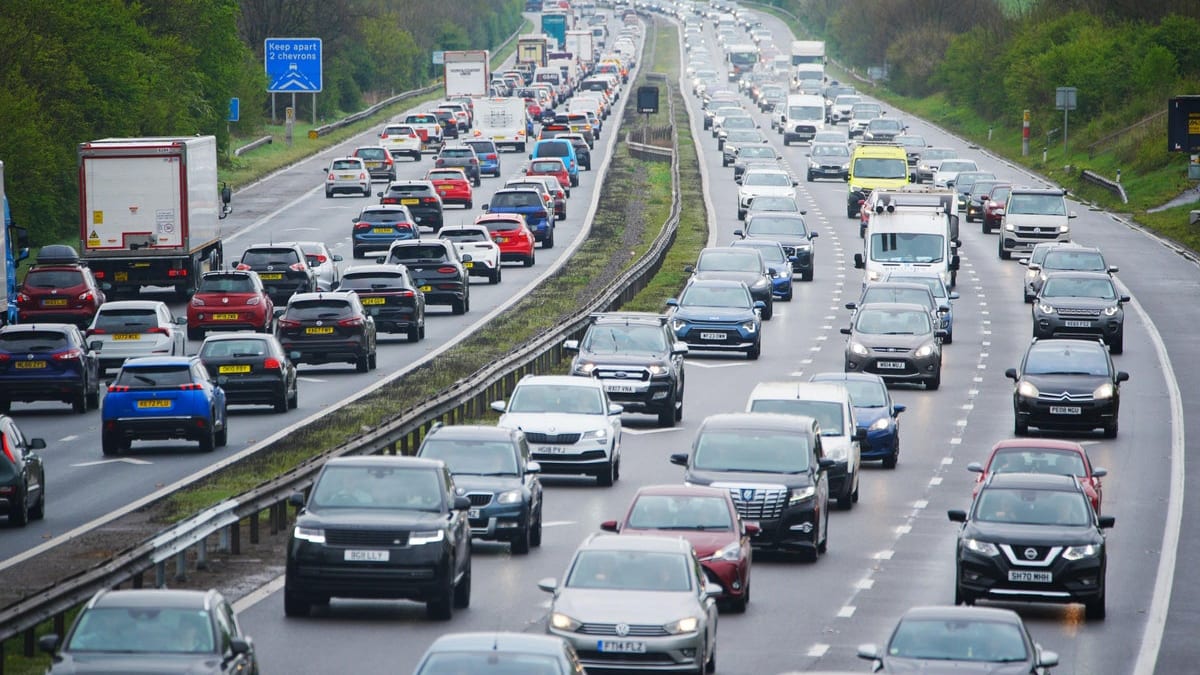
Image by The Independent News & Advice
Millions of trips as Easter demand rivals pre pandemic peaks
Recent travel forecasts from motoring organisations suggest Easter 2026 will bring some of the heaviest road traffic seen since the post lockdown surge of 2022, when more than 21 million leisure journeys were recorded across the long weekend. Research published in 2025 by the RAC and traffic analytics firm Inrix indicated that Easter demand had already climbed back toward those peaks, with more than 19 million trips predicted, and outlooks for this year point to a further busy spell as household confidence and domestic holiday bookings remain strong.
The Easter bank holiday is traditionally one of the most popular times for UK staycations, and this year’s calendar once again combines a late school holiday for many regions with families determined to keep travel costs down by driving. Publicly available industry analysis suggests that, across the wider Easter period, total car journeys for leisure and visiting friends and relatives could run into the tens of millions, putting sustained pressure on the motorway network as well as key A roads that link major tourist areas.
Traffic data from previous years shows that Good Friday continues to emerge as the single busiest day for long distance leisure travel, followed closely by Maundy Thursday afternoon as people attempt to get an early start on the break. With rail engineering works still common over the Easter weekend and air travel remaining relatively expensive for families, motoring groups expect many people to default to the car, adding to congestion on already saturated corridors.
Analysts also note that severe weather earlier in the winter has aggravated surface conditions on many routes, with pothole related breakdowns increasing. Higher traffic volumes over Easter on worn carriageways increase the risk of incidents and breakdowns, which can quickly transform heavy but flowing traffic into long tailbacks at known pinch points.
Motorway pinch points and classic holiday bottlenecks
Historic congestion data from Inrix and previous RAC bank holiday forecasts highlight a familiar list of hotspots that are expected to be especially slow again this Easter. The M25 around London, particularly between junctions serving the M3, M4 and M40, regularly features among the worst delays as long distance traffic mixes with local movements and airport traffic. Average traffic flows on some stretches already rank among the highest in Europe, so even a modest uplift in holiday journeys can lead to stop start conditions for many miles.
On key north south routes, the M6 is repeatedly identified as a concern, with queues likely both northbound between the Midlands, Manchester and the Lake District and southbound around Stoke on Trent. Earlier Easter forecasts have also cited heavy holiday queues approaching major junctions where regional routes converge, such as the M5 heading towards the South West, a traditional pressure point for trips to Devon and Cornwall.
Outside the motorway network, long standing bottlenecks on strategic A roads are expected to see slow going at peak times. The A303 near Stonehenge in Wiltshire, for example, has been criticised for decades as being inadequate for the volume of holiday traffic heading to and from the West Country. Sections where dual carriageway drops back to single carriageway create abrupt bottlenecks, and historic reports describe queues stretching for many miles during busy summer and Easter getaways.
Similar pressure is likely on stretches of the A27 along the South Coast, one of the busiest trunk roads in its zone, and on approaches to coastal resorts in Dorset, Hampshire and Sussex. In Scotland, traffic monitoring has repeatedly flagged the M8 through central Scotland as highly susceptible to jams when holiday traffic coincides with commuter flows, increasing the risk of extended delays around Glasgow and on routes radiating towards Loch Lomond and the Highlands.
Regional hotspots as staycations and day trips surge
While the strategic motorway network will carry the bulk of long haul traffic, regional congestion is also forecast to spike around major visitor destinations as families opt for shorter breaks or day trips. Resorts on the English Riviera, North Wales, the Lake District and Scotland’s central belt typically experience slow moving traffic on approach roads during Easter, particularly in good weather when day trippers join week long holidaymakers on the same routes.
Analysis by transport data firms shows that traffic tends to build late morning on Good Friday and Easter Saturday around coastal and national park gateways, with many drivers aiming to arrive in time for lunch. This pattern can produce long queues on local A roads, where roundabouts, pedestrian crossings and narrow town centres quickly become saturated. Visitors unfamiliar with the area may also brake suddenly for wayfinding or parking, compounding delays.
Urban areas that blend retail parks with major road junctions are another emerging pinch point, as Easter sales and supermarket shopping intersect with getaway traffic. Data from recent festive and bank holiday periods indicates that large interchanges serving out of town shopping centres can become gridlocked, leading to knock on effects along feeder roads and slip roads that connect to the motorway network.
In some regions, police and local councils have previously resorted to temporary traffic management and advisory messages to deter visitors from converging on a single beauty spot when car parks fill up. Although Easter 2026 has no specific national travel restrictions in place, authorities are expected to rely on similar tools, including social media and roadside signs, to steer drivers towards alternative parking or routes if congestion becomes unmanageable at local level.
Timing, route choices and maintenance key to avoiding delays
Travel planners consistently point to journey timing as the single most effective way of reducing Easter congestion risks. Historic traffic flow charts for previous bank holidays show that the heaviest conditions on long distance routes tend to occur between late morning and mid afternoon, when early risers, families travelling with children and local traffic overlap. Leaving very early in the morning or later in the evening typically offers the best chance of a smoother run, although drivers are advised to factor in fatigue and visibility.
Route choice can also make a significant difference. For some corridors, using an alternative main road rather than the most obvious motorway route may add a few miles but save considerable time if it avoids a major construction zone or notorious pinch point. Transport specialists suggest that drivers should check live traffic information before departure and remain flexible enough to divert where realistic alternatives exist, rather than persisting through long stationary queues.
Vehicle preparation is another recurring theme in pre Easter guidance, reflecting a pattern of preventable breakdowns causing additional disruption at the roadside. Motoring organisations recommend basic checks of tyres, oil, coolant and screenwash before setting off, as well as ensuring that windscreens and lights are clean for long night journeys. With some garages and parts suppliers operating reduced hours over the bank holiday, resolving minor issues in advance can prevent them escalating into major holiday interruptions.
For travellers heading to ports and airports by car, experts advise allowing additional time to account for queues on approach roads and security processes once at the terminal. Past holiday periods have seen drivers miss sailings or flights after underestimating the cumulative impact of congestion, parking delays and check in formalities. Building in a generous buffer is considered especially important over Easter, when traffic is both heavier and more unpredictable than on a typical weekend.
Rail works, weather and roadworks could amplify disruption
Beyond underlying demand, a combination of scheduled rail works, unsettled spring weather and residual roadworks has the potential to amplify congestion on the roads this Easter. Published timetables indicate that some intercity and commuter rail lines will again be subject to engineering closures or reduced services across parts of the bank holiday, diverting a proportion of passengers to the road network either as drivers or coach passengers.
Weather adds a further layer of uncertainty. Late March and early April often bring rapidly changing conditions, from heavy showers to strong crosswinds, which can slow traffic and increase the risk of minor collisions that trigger lengthy tailbacks. Surface water and standing puddles, particularly on rural A roads and in roadwork zones, increase stopping distances and can hide potholes that have worsened over the winter months.
National Highways has previously announced plans to lift most non essential roadworks over major bank holiday periods to keep traffic moving, but not every scheme can be paused safely. Where contraflow systems, narrow lanes or temporary speed limits remain in place, capacity is reduced and incidents are harder to clear, making these stretches likely flashpoints if volumes rise as predicted.
With all these factors converging, travel experts stress that some delays are likely to be unavoidable on the busiest routes at the busiest times. However, by checking conditions before setting off, avoiding known peak hours where possible and preparing vehicles properly, many drivers should still be able to keep their journeys manageable during what is shaping up to be the most heavily trafficked Easter on UK roads in several years.