

Connecticut may be a relatively small New England state, but its air network is surprisingly diverse. From Bradley International Airport, which links the Hartford and Springfield region to major hubs across North America and Europe, to Tweed New Haven and a constellation of regional and general aviation fields, travelers have more options than many first realize. Whether you are planning a business trip, a weekend escape, or flying your own aircraft into the state, understanding how these airports differ in scale, service, and convenience will help you choose the right gateway for your journey.
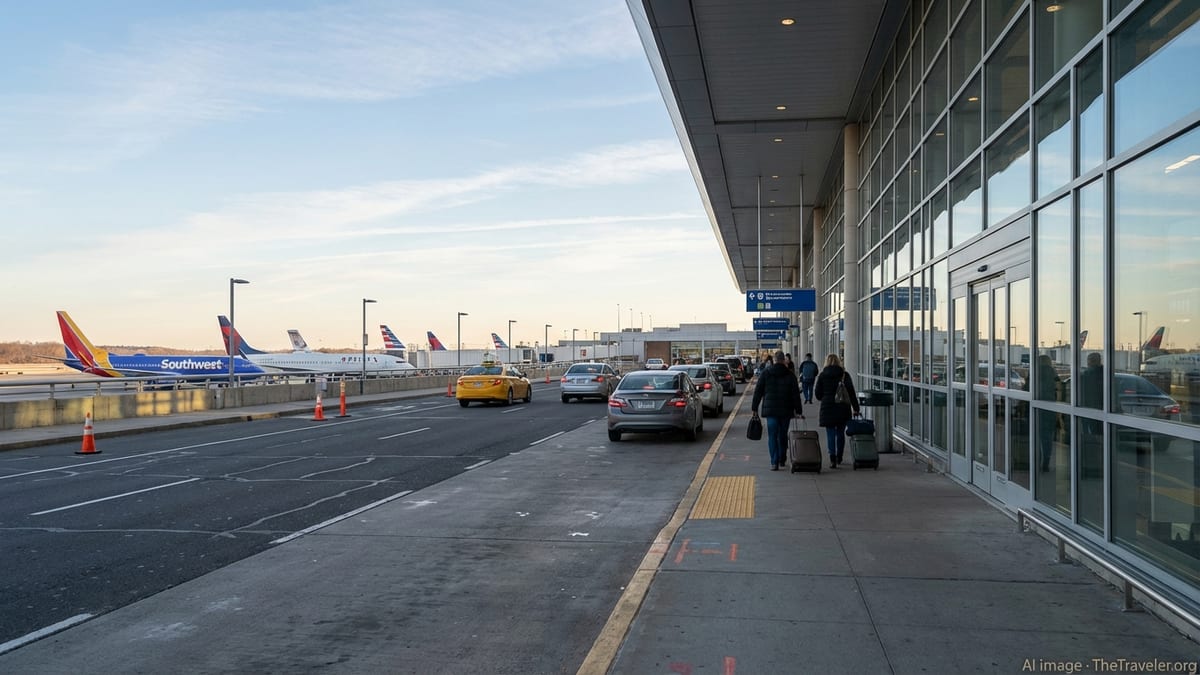
How Connecticut’s Airport System Is Organized
Connecticut’s air travel landscape is anchored by two commercial service airports: Bradley International Airport in Windsor Locks and Tweed New Haven Regional Airport on the shoreline. Bradley functions as the state’s primary gateway, handling the majority of scheduled airline traffic and connecting Connecticut to major hubs across the United States along with select international routes. Tweed serves as a fast-growing secondary option focused on point to point flights, particularly to leisure destinations in the South and Midwest.
Beyond these two commercial hubs, Connecticut is dotted with reliever and general aviation airports that play an outsized role in business aviation, flight training, air taxi services, and medical and emergency flights. Facilities such as Hartford Brainard, Danbury Municipal, Waterbury Oxford, Groton New London, and Igor I. Sikorsky Memorial in Bridgeport help keep smaller aircraft out of congested airspace at the major commercial fields while bringing aviation closer to the communities they serve.
The system is overseen in large part by the Connecticut Airport Authority, which owns and operates Bradley and several of the larger regional airports. This centralized management has allowed the state to pursue coordinated investments, from runway improvements to terminal upgrades, with an eye toward safety, reliability, and economic development. At the same time, some airports remain under municipal control, preserving a strong local voice in how aviation intermingles with neighborhood life.
For travelers, the practical takeaway is that there is no single “right” airport in Connecticut. Instead, there is a spectrum of choices that varies by route network, ground access, and the kind of travel experience you are looking for. Understanding the strengths of each facility can translate into shorter drives, quicker security lines, and in some cases more competitive fares.
Bradley International Airport: Connecticut’s Primary Gateway
Bradley International Airport, located in Windsor Locks between Hartford, Connecticut and Springfield, Massachusetts, is the busiest airport in the state and the second busiest in New England after Boston Logan. It handles well over six million passengers a year in recent counts and has seen steady growth as airlines add routes and capacity. Travelers often find that Bradley strikes a balance between the connectivity of a major hub and the relative calm of a mid sized airport.
The airfield is equipped with two long asphalt runways capable of handling everything from regional jets to widebody aircraft, which gives carriers flexibility in the types of aircraft they can deploy and supports reliable operations in varied weather. The terminal complex is centered on a single main terminal, known as Terminal A, with two concourses serving a mix of legacy, low cost, and regional airlines. A separate customs and border facility processes international arrivals, including seasonal and year round flights to hubs in Europe, the Caribbean, and Mexico when airline schedules support them.
Recent years have brought notable developments for passengers using Bradley. Passenger volumes have climbed back above six and a half million annually, and a wave of infrastructure work is underway or planned, including expanded gate capacity and upgraded baggage screening systems. Some carriers have reduced or reshaped their presence, while others, such as Breeze Airways, have built a significant base of operations with point to point routes aimed at connecting Connecticut directly to midsize cities and sun destinations that once required a connection.
On the ground, Bradley is designed with driver convenience in mind. On site parking includes garages and surface lots at varying price points, and the airport is directly accessible from Interstate corridors that link it to Hartford, Springfield, and the wider New England region. For travelers comparing options between Bradley and much larger hubs like Boston or New York’s airports, the combination of shorter security lines, compact terminal layout, and easier parking is often a deciding factor.
Tweed New Haven Regional Airport: A Fast Growing Coastal Alternative
Tweed New Haven Regional Airport occupies a low lying site on the shoreline a few miles southeast of downtown New Haven. For many years it played a modest role in the state’s air network, with a limited set of flights and a single relatively short runway. That picture has changed dramatically in the wake of new investment and the arrival of low fare carriers that have adopted Tweed as a base.
The airport is now home to an operating base for Avelo Airlines, and more recently Breeze Airways has also launched service from New Haven. Together they offer dozens of point to point routes, primarily to leisure destinations in the Southeast, Midwest, and Texas, as well as to Puerto Rico. Annual passenger numbers have climbed sharply, with traffic now measuring in the high hundreds of thousands per year and several million cumulative passengers since the airport’s recent revival began.
To keep pace with that growth, Tweed’s operator and local authorities are pursuing a significant expansion program. Plans call for a new terminal on the East Haven side of the airfield, additional parking, and runway and taxiway improvements designed to support larger aircraft and more frequent departures. Early phases of work have attracted federal funding for design and pavement projects, while environmental reviews and community outreach are ongoing to address concerns about noise, traffic, and coastal impacts.
For travelers based along the Connecticut shoreline or in New Haven’s university and biotech corridors, Tweed offers clear advantages. The airport’s compact footprint translates into short walks from curb to gate, and security queues are typically shorter than at larger hubs. While Tweed does not yet match Bradley’s breadth of service or international connections, its concentrated network of nonstop flights to popular vacation markets can save hours of travel time compared with driving to New York or Boston, parking there, and connecting through a hub.
Key Regional and General Aviation Airports
Beyond Bradley and Tweed, a series of regional and general aviation airports extend Connecticut’s reach and keep smaller cities plugged into the air transportation system. Some of these airfields see limited scheduled or charter operations, while others focus almost entirely on private and corporate aviation, flight instruction, and aerial services ranging from surveying to medical transport.
Hartford Brainard Airport, situated just south of downtown Hartford along the Connecticut River, is a classic example of a reliever airport. It draws business jets and general aviation traffic away from the busy airspace at Bradley and offers quick access to the state capital and surrounding suburbs. For corporate travelers flying on private aircraft, Brainard’s proximity to central Hartford can shave valuable time off a trip compared with landing at Windsor Locks and driving in.
On the western side of the state, Danbury Municipal Airport serves the greater Danbury and western Fairfield County region. Its role is similar, providing a base for flight schools, charter operators, and private aircraft owners who prefer a smaller field over the more crowded skies around New York. The airport sits close to the New York border, which makes it a convenient gateway for travelers headed to or from communities in northern Westchester and Putnam Counties.
Waterbury Oxford Airport in Oxford has grown into one of the more active general aviation facilities in Connecticut, with a significant presence of corporate aviation and maintenance operators. Its location near major highways and industrial corridors makes it an appealing choice for companies that rely on private aircraft to reach clients and facilities across the Northeast. While these airports may not appear in airline booking engines, they are an important part of the state’s travel ecosystem, particularly for business travelers who value flexibility and privacy.
Coastal Gateways: Groton New London and Bridgeport
Connecticut’s shoreline is home not only to Tweed New Haven but also to several smaller airports that provide crucial connectivity for the southeastern and southwestern corners of the state. Groton New London Airport near the Thames River has a history of regional airline service and today focuses primarily on general aviation, charter flights, and military and government operations linked to nearby naval and Coast Guard installations. Its runway and airfield infrastructure can accommodate a range of aircraft sizes, making it useful for everything from corporate jets to air ambulance flights.
In the southwest, Igor I. Sikorsky Memorial Airport in Bridgeport serves as an important aviation outlet for the dense population centers of Bridgeport, Fairfield, and neighboring towns. The airport has seen cycles of scheduled service in the past, but its current emphasis is on general aviation and flight training, with the potential for future commercial activity depending on airline interest and infrastructure upgrades. Its coastal location and proximity to Interstate highways and commuter rail corridors make it a logical candidate for expanded service if market conditions support it.
Both Groton New London and Sikorsky share a common thread. They sit in regions where road and rail links to the big New York and Boston airports can be time consuming, particularly at peak hours. For travelers who can make use of charter services or private aircraft, these smaller airports provide a direct and often more predictable way to reach waterfront communities, resort areas, or major employers without adding hours on the highway.
Even for those who never set foot on their ramps, these airports contribute to the resilience of Connecticut’s transportation network. In weather disruptions or emergencies, they offer alternate landing sites for diversions and specialized flights, reinforcing the idea that a well distributed network of runways can be as important as the marquee terminals that typically grab the headlines.
Traveler Experience and Practical Tips
When choosing a Connecticut airport, the traveler experience is shaped by more than just the flight schedule. Ground access, parking, security screening, and amenities in the terminal all play a role in how your trip feels from start to finish. Bradley, with its single main terminal and multiple parking options, offers a familiar mid sized airport experience that will feel intuitive to most travelers. Signage is straightforward, rental cars are located on or near the airport grounds, and services such as dining, retail, and business lounges are concentrated within a compact footprint.
Tweed New Haven’s smaller scale means a more informal feel. Parking areas are closer to the terminal, walking distances are short, and the number of gates is limited. That can be a major advantage for families with children, travelers with mobility concerns, or anyone who simply prefers a quieter environment. The trade off is that options for dining and shopping are more limited, and entire days may pass with only a handful of departures and arrivals, so amenities are tailored to shorter dwell times.
At the regional and general aviation airports, the experience is markedly different again. These facilities typically feature fixed base operators rather than large public terminals, and services are geared toward pilots and private aircraft passengers. If you are arriving on a charter or corporate flight, expect to be able to go from runway to car in a matter of minutes. However, you will not find the same level of public transit connections or large scale parking that exists at Bradley or Tweed, so careful coordination with your operator on ground transportation is key.
Regardless of which airport you choose, building in extra time during peak travel periods is still wise. Holiday weeks, school vacation periods, and mid summer weekends can see heavier demand through both Bradley and Tweed. Arriving at the terminal early, checking in online where possible, and being mindful of carry on rules can keep your trip running smoothly. Because Connecticut’s airports often operate near capacity at popular times, a bit of preparation goes a long way.
Connectivity Beyond Connecticut: Routes and Airlines
Although Connecticut does not host a massive hub on the scale of Boston or New York, its airports collectively offer a healthy mix of nonstop and one stop options that connect travelers to destinations across North America and beyond. Bradley’s route map leans heavily on domestic and near international service, with multiple daily flights to major hubs such as Atlanta, Charlotte, Chicago, and Washington that enable onward connections to almost anywhere in the world.
Low cost and hybrid carriers add nonstop flights from Bradley to popular leisure destinations in Florida, the Carolinas, the Mountain West, and the Caribbean and Mexico when seasonal schedules allow. This blend of network airlines and value focused carriers has helped keep fares relatively competitive, especially when travelers are flexible on dates and willing to compare options across multiple airlines.
Tweed New Haven has taken a different approach, focusing on a dense network of point to point routes operated primarily by Avelo Airlines and joined by Breeze Airways. These flights connect southern Connecticut directly to smaller city and vacation markets that would otherwise require a connection through a major hub. For residents of New Haven, the shoreline, and parts of central Connecticut, this can dramatically cut total travel time, even when the absolute number of destinations served is smaller than what Bradley offers.
For travelers relying on charters or corporate aircraft, the regional airports expand this connectivity even further. Companies can operate flights tailored to specific business needs, flying directly between Connecticut’s smaller airfields and client locations or manufacturing sites in other states. While these services are not visible in typical consumer search engines, they are an important backdrop to the state’s economic ties with the rest of the country.
The Takeaway
Connecticut’s airport system is more layered and capable than its size might suggest. Bradley International anchors the network with a broad mix of domestic and limited international routes, Tweed New Haven has emerged as a fast growing coastal alternative powered by low fare carriers, and a ring of regional and general aviation airports supports everything from corporate travel to flight training and emergency services.
For passengers, the key to making the most of this network is to think beyond habit. If you automatically default to the largest nearby hub, you may be missing shorter drives, easier parking, and nonstop flights that align better with your schedule. Comparing options at Bradley and Tweed, and considering regional fields if you have access to charter or private flights, can unlock more efficient and comfortable journeys.
As Connecticut continues to invest in runways, terminals, and safety upgrades, the state’s airports are poised to play an even stronger role in regional mobility and economic growth. For travelers, that translates into more choice, better reliability, and an aviation landscape that continues to evolve in response to how and where people want to fly.
FAQ
Q1. What is the main airport in Connecticut for commercial flights?
Bradley International Airport in Windsor Locks is the primary commercial airport in Connecticut, handling the largest share of the state’s airline traffic.
Q2. Does Connecticut have more than one airport with airline service?
Yes. Bradley International and Tweed New Haven both offer scheduled commercial flights, with Tweed focusing on point to point routes operated mainly by low fare carriers.
Q3. Is it easier to fly from Bradley or from New York’s airports?
For many travelers in central and northern Connecticut, Bradley is easier thanks to shorter drive times, simpler parking, and typically less congestion than the New York hubs.
Q4. Who should consider using Tweed New Haven Airport?
Tweed is a strong option for travelers who live along the shoreline or in the New Haven area and who are flying to one of the nonstop leisure destinations served from that airport.
Q5. Are there direct international flights from Connecticut?
Bradley periodically offers nonstop service to select international destinations such as major European hubs or Caribbean and Mexican resorts, although routes can change with airline schedules.
Q6. What role do smaller airports like Hartford Brainard and Danbury play?
They act as reliever and general aviation airports, supporting business jets, flight schools, and charter operations while easing congestion at the larger commercial fields.
Q7. Can I book a commercial airline flight into Groton New London or Bridgeport?
At present these airports focus mostly on general aviation and charter traffic, so most travelers use Bradley or Tweed for scheduled airline service.
Q8. How early should I arrive at Connecticut airports before my flight?
Arriving about two hours before a domestic departure is usually sufficient at Bradley and Tweed, though peak holiday periods may warrant a bit more time.
Q9. Is public transportation available to Connecticut’s major airports?
Bradley and Tweed are both served by a mix of bus, shuttle, rideshare, and taxi options, although many travelers still find driving and parking to be the most convenient.
Q10. Are Connecticut’s airports still expanding and improving?
Yes. Ongoing projects include terminal and taxiway upgrades at Bradley and planned terminal and runway improvements at Tweed, along with smaller scale work at regional airports.