

Connecticut’s compact size hides a surprisingly rich calendar of festivals and seasonal experiences. From small-town green celebrations and seaside seafood feasts to blazing foliage drives and glittering winter light displays, the state leans into all four seasons in a way that rewards careful timing. Whether you are planning a dedicated festival getaway or plotting a few well-placed stops along a New England road trip, understanding how Connecticut’s events and landscapes evolve from spring through winter will help you make the most of each visit.
Understanding Connecticut’s Four Distinct Festival Seasons
Connecticut experiences all four seasons in clear, well-defined phases, and its festivals tend to cluster around the moments when landscapes and weather are at their best. Spring brings flower shows and maple celebrations, summer is dominated by music, maritime heritage, and outdoor fairs, autumn focuses on harvest events and leaf-peeping, and winter leans into light festivals, holiday parades, and cold-weather comfort. Because distances in Connecticut are short, it is easy to build an itinerary that crosses several regions in a single day, pairing morning in a quiet village with evening in a harbor town or city.
Timing is especially important in fall, when foliage becomes a major attraction statewide. The Connecticut Department of Energy and Environmental Protection notes that color typically begins in late September and often runs into early November, with peak weeks varying by region. Hillier northwest and northeast corners usually turn first in early to mid October, while shoreline and lower river valley communities often hold color into late October and even the first week of November. Travelers who understand this progression can match foliage drives with local harvest fairs, pumpkin festivals, and outdoor markets.
Some of the state’s signature events, such as multi-genre conventions, Renaissance fairs, and large city parades, are held on fixed weekends or in specific months each year, but exact dates change annually. It is wise to check current-year calendars as you plan. Many celebrations are held outdoors on town greens, fairgrounds, or waterfronts, and schedules can shift slightly in response to weather, which is particularly true for spring and late-fall events.
Because Connecticut sits between New York City and Boston, weekends in peak seasons often draw regional visitors. Booking accommodations early for major festival weekends and popular foliage timeframes is strongly advised. Travelers who can visit on weekdays will often find lighter crowds at attractions and more availability at inns and restaurants, even when festivals extend beyond the weekend.
Spring: Gardens, Maple Season, and Coastal Kickoff
Spring in Connecticut typically unfolds from late March into May, with maple sugaring winding down as gardens and coastal communities awaken. In the state’s rural interior, farms and small towns host maple open houses and seasonal celebrations where visitors can see sugar shacks in operation, learn the basics of syrup making, and sample early-spring comfort foods. While individual dates vary by year and weather, these events usually fall between late February and late March, aligning with cold nights and warmer days that drive sap flow.
As temperatures rise and snowdrops, daffodils, and tulips emerge, garden-focused events become a spring travel anchor. Historic estates, public gardens, and town garden clubs often open for tours and plant sales, especially in April and May. Along the Connecticut River Valley and in central parts of the state, visitors can combine garden visits with early-season hiking on well-drained trails and walks through historic downtowns that are just beginning to move outdoors with café seating and small markets.
Coastal towns such as Mystic, New London, and the lower Connecticut River villages begin to gear up for their main season as spring progresses. While many of the largest maritime and seafood festivals are reserved for summer, late spring weekends often feature smaller harborfront events, outdoor performances, and museum programming that feel like a soft opening for the busy warm-weather months. For travelers who prefer cooler temperatures and fewer crowds, this shoulder period is an appealing time to explore the state’s shoreline.
Spring is also when outdoor farmers’ markets begin to return across Connecticut. Initially dominated by early greens, root vegetables, and products like cheese, honey, and baked goods, these markets later incorporate more produce as the growing season advances. Coordinating a weekend visit with a local market can give travelers an easy way to sample regional specialties and connect with artisans and small-scale producers who often appear at larger summer festivals as well.
Summer: Seaside Celebrations, Fairs, and Pop Culture Gatherings
Summer is prime festival season in Connecticut, combining long days, warm weather, and a wide range of event styles. Along the shoreline, many communities host seafood and maritime heritage festivals, often centered on harbors, marinas, and historic districts. These events typically feature fresh local seafood, live music, and maritime demonstrations, and they often coincide with opportunities for sailing excursions, harbor cruises, or visits to lighthouses and maritime museums. Temperatures are usually warm but moderated by coastal breezes, making evenings particularly pleasant.
Inland, traditional New England fairs and outdoor concert series headline the summer calendar. Town greens and fairgrounds across the state host craft fairs, food truck gatherings, and regional music festivals that blend local acts with touring performers. Many of these events embrace a family-friendly atmosphere, with children’s activities, petting zoos, or rides, while still offering robust food and drink options for adults. The state’s compact geography makes it possible to spend the afternoon at a rural fair and the evening at a concert in a nearby city.
Summer is also when some of Connecticut’s niche and pop culture festivals come into their own. The Midsummer Fantasy Renaissance Faire in Ansonia, for example, is an annual event typically held on weekends from late June into early July, with visitors encountering costumed characters, live combat demonstrations, magic shows, artisan vendors, and interactive games. The setting at Warsaw Park provides shaded space and a woodland atmosphere, which can make hot days more comfortable. Elsewhere, multi-genre conventions such as ConnectiCon, held at the Connecticut Convention Center in Hartford, draw fans of comics, anime, gaming, and broader pop culture, adding an urban dimension to the state’s summer festivities.
Planning for summer festivals in Connecticut should factor in both heat and humidity, which can be pronounced in July and August. Packing light layers, sun protection, and refillable water bottles is important, especially for all-day outdoor events. Travelers who prefer less intense heat may find late June and early September weekends particularly appealing, as many festivals still operate but temperatures can be more moderate than the peak of midsummer.
Autumn: Foliage, Harvest Festivals, and Country Fairs
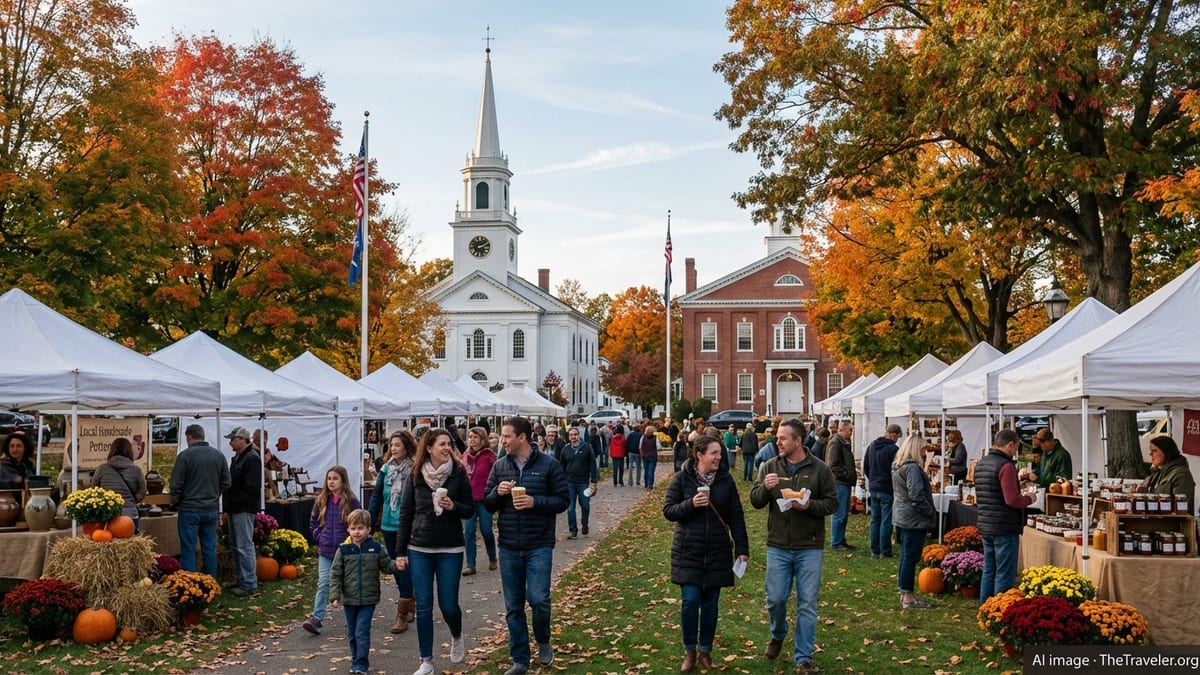
Autumn is the season when Connecticut’s landscapes and festivals align most dramatically. Foliage season usually begins in late September and can extend into early November, with peak color moving from the northwest and northeast hills down through central counties and finally along the shoreline and lower Connecticut River Valley. State tourism and forestry agencies frequently highlight mid October as a prime window for hillier regions, with late October and early November rewarding those who head toward the coast and river towns. Because color varies year to year based on temperature, rainfall, and wind, travelers should treat any timing as approximate and check current reports close to their visit.
Against this backdrop, Connecticut’s fall festival calendar is dense. Classic agricultural fairs feature livestock shows, produce competitions, and rides, while harvest festivals emphasize pumpkins, apples, and corn mazes. Many orchards open for pick-your-own apples and pumpkins, often paired with hayrides, farm stands, and cider doughnuts. In the so-called Quiet Corner of northeastern Connecticut and the Litchfield Hills to the northwest, small towns host weekend events that combine crafts, local food, and live music with direct access to scenic back roads lined with stone walls and brightly colored trees.
Foliage itself becomes a festival-like draw, and many visitors structure entire trips around scenic drives and hikes. Routes that follow river valleys, ridgelines, or coastal estuaries can be combined with stops at historic attractions and village greens where seasonal events are underway. State tourism resources regularly publish suggested drives and highlight specific viewing areas, from high lookouts to lakeside vantage points. Because the best color can sometimes be fleeting, flexible itineraries that allow travelers to pivot between highlands and lowlands based on real-time reports are especially valuable.
Autumn also brings themed events such as craft beer festivals, outdoor art shows, and Halloween attractions at amusement parks and historic sites. Evening events make use of earlier sunsets, with bonfires, lanterns, and illuminated trails enhancing the atmosphere. Packing layers is important, as days can remain mild while evenings cool quickly. For those who enjoy photography, the combination of low-angle light, saturated foliage, and traditional town architecture provides abundant opportunities.
Winter: Holiday Lights, Parades, and Cozy Escapes
Winter in Connecticut stretches from late November through March and offers a different sort of festival experience, shaped by short days, cold temperatures, and the holiday season. In cities and larger towns, tree lightings and holiday parades provide early-season highlights. Stamford’s long-running Heights & Lights event, for example, has become a signature spectacle, featuring costumed characters such as Santa and Rudolph rappelling from a downtown tower before leading a procession to the city’s holiday tree lighting. The event typically occurs in early December, often paired with music and a fireworks display that draws local families and visitors alike.
Holiday light festivals have grown more prominent in recent years, with immersive walk-through or indoor experiences providing weather-safe outings. One notable example is Glow Hartford, a large-scale indoor light festival and holiday market set at the Connecticut Convention Center. The event has featured more than a million lights, themed interactive gardens, a trackless train ride, and family-focused games, usually running from late November into late December. Early announcements suggest the experience is set to return in future seasons, with ticketed time slots used to manage crowds and maintain a relaxed pace inside.
Elsewhere in the state, amusement parks, zoos, and historic attractions introduce their own holiday or winter programming. Lake Compounce’s Holiday Lights, for instance, has become a well-known seasonal celebration with rides, a towering Christmas tree, and themed entertainment, though the park has indicated that after the 2025 season the event is likely to retire in favor of new offerings. Travelers considering a visit should verify current-year plans, as winter attractions are particularly sensitive to operational changes and weather conditions.
After the holidays, winter in Connecticut tends to quiet, but there are still low-key events to discover. Small towns host winter farmers’ markets, craft fairs, and occasional ice-themed festivities when conditions permit. This is also an excellent time to experience the indoor side of Connecticut’s culture, including museums, theater, and dining, using a local festival or winter weekend event as an anchor. Cozy inns with fireplaces, historic taverns, and spa properties can provide a comfortable base even when outdoor activities are limited by snow or cold.
Regional Highlights: Coast, Countryside, and Cities
Because Connecticut’s festival landscape is highly regional, it can be useful to think in terms of three broad zones: the coast, the countryside, and the cities. Each contributes a distinct character and set of seasonal highlights, and many trips will naturally blend all three. On the coast, maritime heritage and seafood define much of the festival calendar. Harbor towns along Long Island Sound stage events that celebrate local shellfish, wooden boats, and nautical history, often accompanied by live music and artisan markets. These are at their peak in summer and early fall but may be preceded or followed by smaller spring and late-season gatherings.
In the countryside, which includes the Litchfield Hills to the northwest, the Quiet Corner to the northeast, and the farm belt in central counties, agricultural fairs and harvest festivals are key draws. Summer and autumn weekends see everything from classic 4-H style fairs to modern food and craft festivals. Many of these events take place on fairgrounds or open fields with views of rolling hills, especially in the northwest where elevations are higher and foliage can be particularly dramatic. In winter, the same areas offer opportunities for snowshoeing or quiet scenic drives when conditions allow, punctuated by small-scale winter markets.
Connecticut’s cities, notably Hartford, New Haven, Stamford, and others, add a layer of larger-scale cultural events. In Hartford, the Connecticut Convention Center anchors both pop culture conventions like ConnectiCon in summer and holiday light festivals such as Glow Hartford in late fall and early winter. New Haven, with its university influence, regularly hosts arts festivals, concerts, and cultural series, especially in warmer months. Stamford mixes downtown parades, tree lightings, and seasonal street festivals with ongoing dining and nightlife, making it a convenient base for travelers who prefer an urban setting but still want access to nearby small towns and beaches.
For visitors planning a multi-day stay, choosing a base with easy highway or rail access can make it simple to sample festivals across these regions. The state’s main north-south corridors, combined with east-west routes across the interior, allow for efficient day trips. Many travelers pair a coastal town with an inland village or city, rotating between beachside strolls, country fairs, and evening performances. Because parking can be limited during major events, especially in compact downtowns and historic districts, arriving early or using public transportation when available can reduce stress.
Planning Tips, Weather, and Practical Considerations
Connecticut’s festival calendar is dense enough that some level of advance planning pays off. For high-demand weekends such as peak foliage in October, major summer holidays, and December holiday events, booking accommodations weeks or even months ahead can secure better rates and locations. Smaller inns and bed-and-breakfasts in popular foliage regions or seaside towns may sell out quickly once specific festival dates are announced. Travelers with flexible schedules can sometimes unlock quieter experiences by visiting on shoulder weekends just before or after the busiest dates, when many events still run but crowds are thinner.
Weather varies significantly across the year and by region, so packing with layers and some redundancy is smart. Summer months are generally warm and humid, with occasional thunderstorms, making breathable clothing, hats, and waterproof layers important for outdoor festivals. Autumn can swing from summery afternoons to chilly evenings in a single day, particularly in hilly interiors, so a combination of light and insulating layers is essential. Winter festivals, especially outdoor parades and light shows, require serious cold-weather gear, including insulated footwear and gloves, given the amount of time spent standing or walking slowly.
Another key consideration is transportation and parking. Many Connecticut festivals take place in compact historic centers or on town greens where parking is limited. Organizers sometimes arrange satellite lots with shuttle buses or encourage visitors to arrive early to secure spots within walking distance. Checking event advisories can help avoid surprises such as road closures or detours, which are common during large parades or races associated with festival weekends. For travelers arriving without a car, focusing on cities and larger towns along rail corridors can provide a workable base for accessing at least some events by public transit or rideshare.
Finally, it is worth building flexibility into any festival-focused itinerary. Dates can shift from year to year, single-day events can be postponed or compressed due to weather, and new festivals may be added to the calendar. State and regional tourism offices, local chambers of commerce, and event-specific social media channels are all useful for confirming final schedules. Approaching Connecticut’s festival scene with an openness to serendipity can transform a weather-related pivot into the chance discovery of a small-town fair or neighborhood block party not originally on your radar.
The Takeaway
Connecticut’s festival and seasonal highlights are less about one or two blockbuster events and more about the steady rhythm of celebrations that accompanies life in a four-season New England state. From maple weekends and early garden tours to seaside music festivals, Renaissance fairs, blazing foliage drives, and atmospheric winter light displays, the calendar offers something at nearly every point in the year. The state’s modest size and strong mix of coastal, rural, and urban settings make it uniquely suited to travelers who enjoy stitching together different kinds of experiences within a single trip.
For visitors, success largely comes down to timing and flexibility. Understanding when foliage peaks in different regions, when coastal towns reach their busiest, or when holiday parades and light festivals usually take place allows for smarter planning and better use of limited vacation days. At the same time, leaving space in your schedule for spontaneous stops at local fairs, farmers’ markets, or small cultural events can turn an already well-planned visit into something more personal and memorable. However you choose to structure your time, Connecticut rewards those who look beyond the headlines to embrace its year-round, locally grounded celebrations.
FAQ
Q1. When is the best time of year to visit Connecticut for festivals?
The best time depends on your interests. Summer and early fall have the most outdoor festivals and fairs, while late October offers peak foliage paired with harvest events. December is ideal for holiday parades and light festivals.
Q2. How long does Connecticut’s fall foliage season usually last?
Foliage typically begins changing in late September and can last into early November, with peak color moving from the northwest and northeast hills in early to mid October toward central counties and the shoreline later in the month.
Q3. Are major Connecticut festivals easy to reach without a car?
Some city-based events in places like Hartford, New Haven, and Stamford are accessible by train or bus, but many rural fairs and harvest festivals are easier to reach with a car. Travelers relying on public transit may want to focus on cities and larger towns.
Q4. Do Connecticut festivals run in bad weather?
Policies vary by event. Light rain may not affect schedules, but severe weather can cause delays, modifications, or postponements, especially for outdoor festivals. It is important to check same-day announcements before you go.
Q5. What should I pack for a fall festival trip to Connecticut?
Plan for variable temperatures. Pack layers, a waterproof jacket, comfortable walking shoes or boots, and accessories like hats and gloves for chilly evenings, especially in hilly interior regions.
Q6. Are Connecticut festivals generally family-friendly?
Many of the state’s events, including agricultural fairs, harvest festivals, holiday parades, and light displays, are designed with families in mind, offering children’s activities, rides, and kid-focused entertainment alongside food and music for adults.
Q7. How far in advance should I book lodging for popular festival weekends?
For major summer events, peak foliage weekends, and December holiday celebrations, booking several weeks or even a few months in advance is wise, particularly in small coastal towns and foliage hotspots with limited accommodations.
Q8. Can I combine coastal and countryside festivals in one Connecticut trip?
Yes. The state’s compact size allows visitors to stay in one region and take day trips to another. Many travelers pair a coastal base with inland excursions to fairs, orchards, and foliage drives.
Q9. Are there notable winter festivals beyond holiday lights and parades?
While holiday lights, tree lightings, and parades dominate early winter, some communities host winter markets, indoor craft fairs, and occasional snow-themed events later in the season when conditions allow.
Q10. Where can I find up-to-date information on Connecticut festival dates?
For the latest dates and details, consult state and regional tourism offices, local chambers of commerce, city event calendars, and official social media channels for individual festivals before finalizing plans.