

Connecticut may be one of the smallest states in the United States, but its food culture punches far above its weight. Wedged between New York and New England, the state combines coastal seafood traditions, immigrant influences and Yankee ingenuity into a dining scene that feels both familiar and distinctly its own. From coal fired apizza in New Haven to hot buttered lobster rolls on the shoreline and quirky regional specialties like steamed cheeseburgers, eating your way through Connecticut is one of the most rewarding ways to experience it.
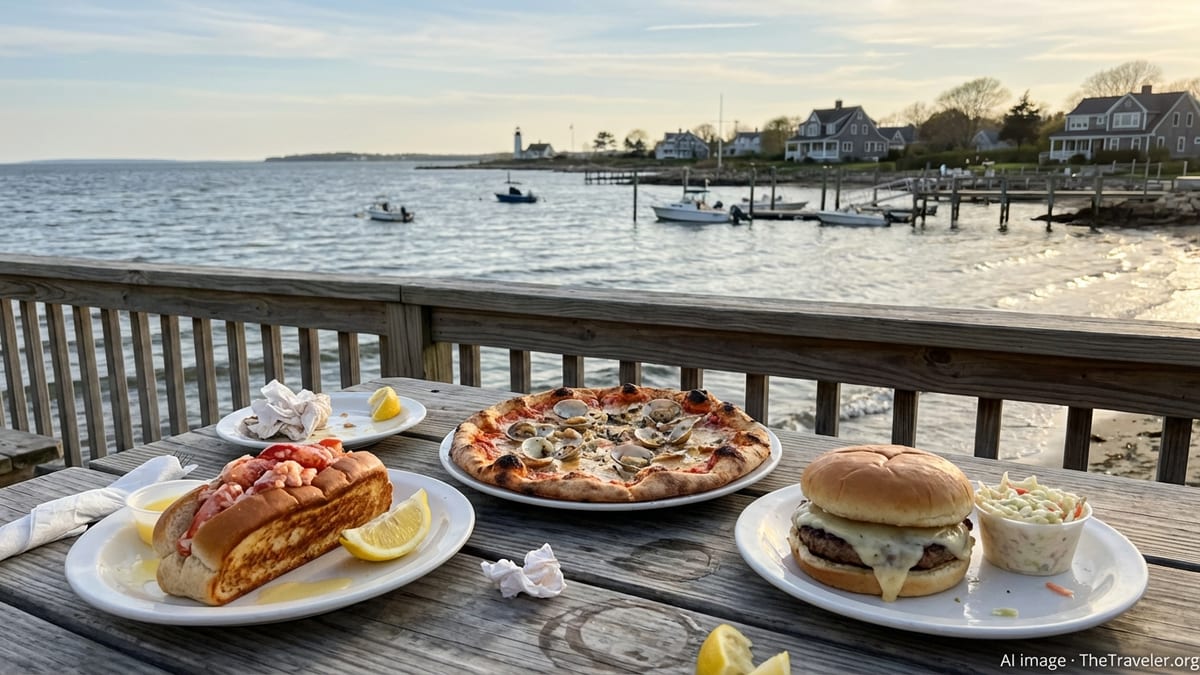
Understanding Connecticut’s Culinary Identity
Connecticut’s food story is shaped by geography as much as history. With more than 100 miles of coastline, the Long Island Sound shoreline has long supplied the state with oysters, clams and lobsters, while the interior river valleys and small manufacturing cities developed hearty, affordable dishes that fed workers and travelers. Add waves of Italian, Portuguese, Polish, Irish and Caribbean immigration, and you get a compact state with an unusually deep and varied dining culture.
Unlike some destinations that revolve around a single signature dish, Connecticut is best understood through a trio of pillars. The first is seafood in many forms, from raw-bar oysters to no-frills clam shacks and the state’s now-famous hot lobster rolls. The second is pizza, especially the coal fired New Haven style known locally as apizza, which has become a point of pride and a tourism draw. The third is a collection of regional specialties that rarely appear on menus outside the state, including steamed cheeseburgers and distinct approaches to hot dogs, grinders and diner fare.
Food tourism has become increasingly central to the way Connecticut presents itself. The state’s tourism office has leaned into its image as a pizza powerhouse and continues to promote coastal seafood trails and seasonal events. New restaurants, craft breweries and bakeries continue to open in cities like New Haven, Hartford and Stamford, but many of the most memorable meals still come from small, family run businesses that have been at it for decades.
For visitors, that mix means you can plan days around classic institutions yet still find newer kitchens experimenting with local ingredients and global flavors. Whether you are hugging the shoreline on a summer road trip or exploring mill towns and college cities inland, there is almost always a good plate of something nearby.
New Haven Apizza and the State’s Pizza Obsession
Any serious Connecticut food itinerary begins with New Haven style pizza. Locally called apizza, this regional style grew out of the city’s early twentieth century Italian immigrant community and has evolved into one of the most celebrated pies in the country. At its core, New Haven apizza is thin crust, baked in an intensely hot brick oven. The best examples are coal fired, which produces a crust that is crisp at the edge, chewy in the center and deeply charred in spots, with a smoky flavor that fans seek out rather than avoid.
Unlike many American pizza styles, traditional New Haven pies are relatively restrained with cheese. A classic “plain” or “tomato pie” emphasizes crushed tomatoes, garlic, olive oil and a dusting of grated pecorino Romano. Melted mozzarella is treated as an additional topping rather than a default. This creates a lighter, more nuanced balance of crust, sauce and cheese, and allows other toppings to shine. White pies made with olive oil, garlic and cheese but no tomato sauce are equally beloved, most famously the white clam pie, where freshly shucked clams, garlic, olive oil, oregano and grated cheese combine into a briny, rich combination that has become a Connecticut icon.
Decades old pizzerias in and around New Haven attract devoted locals and pilgrimage style visitors from across the country. Critics regularly rank the city’s pies among the best in the United States, and the conversation around which coal oven shop does it best can be as intense as any sports rivalry. While New Haven remains the epicenter, the style has spread to suburbs and other cities, with bakers using coal, oil or gas fired brick ovens and often pairing pies with local soft drinks and craft beer.
Connecticut has embraced this reputation. State tourism campaigns highlight New Haven as a pizza capital, and a growing Pizza Capital Trail aims to map standout shops in multiple towns for visitors who want to turn their trip into a multi day tasting tour. For travelers, that means you are never far from a credible slice, whether you are near the university district in New Haven, passing through smaller cities like Derby and Wallingford or dining in coastal communities that have adopted the style alongside their seafood offerings.
Seafood Along the Shoreline
Connecticut’s shoreline communities, stretching from Greenwich through New Haven and out toward Mystic and Stonington, offer an impressive concentration of seafood options. Some of the most memorable experiences come from simple clam shacks and seasonal stands where the atmosphere is casual, the picnic tables often sit on crushed shells or worn decking, and the menu leans heavily on what comes out of the Sound. Fried clam strips, whole belly clams, fish and chips, scallop rolls and chowder are standard fixtures, and many places operate primarily in the warmer months when locals and tourists crowd the water’s edge.
Oysters have been part of Connecticut’s food economy for generations. Towns like Norwalk and Milford are closely associated with oyster beds, and raw bars up and down the coast frequently feature local varieties alongside other East Coast bivalves. Ordering a mixed dozen on the half shell, with lemon and a simple mignonette, is an efficient way to taste the region’s maritime character. Many restaurants also bake or broil oysters with toppings like garlic butter, herbs and breadcrumbs, offering a richer option for those who prefer their shellfish cooked.
Clam chowder in Connecticut tells a story of regional crossroads. While neighboring New England states are known for thick, creamy chowders and nearby Rhode Island is associated with a clear, broth based version, Connecticut menus often feature both approaches. You might find a cream based bowl studded with potatoes and clams in one town and a lighter, brinier chowder in the next. Red tomato based clam chowders appear less frequently but do show up in some coastal kitchens, reflecting the influence of New York and immigrant communities.
Beyond the shacks, larger waterfront restaurants and inns serve more composed seafood dishes. Pan seared local fish with seasonal vegetables, mussels steamed in white wine and herbs, and lobster or lobster tail preparations range from casual to upscale. In many of these dining rooms, large windows frame marinas and inlets, and patios fill on long summer evenings. Even if you are passing through on a road trip, a stop for chowder, fried clams or oysters on the half shell can quickly become a highlight.
The Connecticut Lobster Roll: Hot Buttered Tradition
Connecticut’s take on the lobster roll is one of the clearest examples of the state’s distinct food identity. Where many New England destinations serve chilled lobster meat lightly dressed with mayonnaise and celery, the classic Connecticut version is served hot, draped in melted butter and piled into a toasted, split top bun. The idea is simple: warm lobster, usually claw and tail meat, sautéed or gently warmed in butter and loaded into bread that is crisp on the outside and soft within.
Shoreline stands and small seafood restaurants popularized this style decades ago, and it remains a staple of summer eating. Diners often order at a window, take a seat at a picnic table and work their way through a butter soaked roll with a side of coleslaw and chips or fries. Prices vary depending on the market cost of lobster but expect this to be one of the pricier items on the menu. Many places also serve a cold, mayonnaise based version to satisfy visitors who arrive with a specific expectation of what a lobster roll should be, but in Connecticut the warm buttered roll is the reference point.
The quality of a lobster roll here depends as much on restraint as on generosity. The best versions are not weighed down with heavy seasonings or fillers. Instead they highlight the natural sweetness of the lobster, balanced by the gentle salinity of the butter and the texture of the toasted bun. Some kitchens use drawn clarified butter, while others opt for whole butter that browns lightly in the pan. Both approaches are valid and often come down to house tradition.
If you are planning a road trip, it can be worth timing a stretch of driving around lunch or early dinner to hit a noted lobster roll stand when the weather is cooperative. Seating is frequently outdoors and many spots are seasonal, typically opening in late spring and closing in early fall. On peak summer weekends, long lines are common but tend to move quickly, and the reward at the end is fittingly indulgent.
Regional Specialties: Steamed Cheeseburgers and Beyond
While seafood and pizza dominate Connecticut’s national reputation, several inland specialties are just as telling about the state’s food culture. Chief among them is the steamed cheeseburger, a dish closely associated with central Connecticut towns such as Meriden and Middletown. Unlike a typical burger cooked on a grill or flat top, these burgers are steamed in small metal trays inside a dedicated steaming cabinet. The process renders much of the fat while keeping the meat remarkably juicy. Cheddar or American cheese is often steamed in its own tray until molten, then poured over the burger before it is tucked into a soft roll.
Steamed burgers emerged in the early to mid twentieth century, when steaming was seen as a healthier alternative to frying. The gadget at the heart of the operation is a compact metal steamer built to hold multiple small trays of meat and cheese. Regional manufacturers still produce versions of these devices for restaurants and home cooks. For many residents of central Connecticut, grabbing a steamed cheeseburger at a small lunch counter or modest storefront is a cherished ritual, and long running shops are woven into local identity. Some have even inspired minor league baseball promotions and visiting coverage from food focused television shows.
Hot dogs are another area where the state has evolved its own traditions. Roadside stands and snack bars serve dogs that may be grilled, deep fried or griddled, often tucked into New England style split top buns and topped with a mix of yellow mustard, relish, chopped onions, sauerkraut or a meat based chili. In some cases, the hot dog is just one of many offerings at seasonal drive ins that also serve cheeseburgers, soft serve ice cream and fried seafood, blurring the line between burger joint, ice cream stand and clam shack.
Diners and luncheonettes round out the picture. Classic stainless steel or brick front diners along main streets and state highways serve everything from pancakes and hash in the morning to meatloaf, pot roast and turkey clubs at night. Many have survived for decades with remarkably stable menus, while others have quietly folded and been replaced by modern cafes and burger chains. For travelers, the appeal of sitting at a long counter, listening to conversations between regulars and ordering a simple grilled cheese or a plate of eggs remains undiminished.
Italian Roots, Bakeries and Comfort Food
Italian influence runs deep in Connecticut’s food culture, extending well beyond pizza. Cities like New Haven, Hartford and Bridgeport, along with smaller factory towns, attracted large Italian immigrant communities starting in the late nineteenth and early twentieth centuries. They brought recipes, techniques and a commitment to baking that still defines what you find in local bakeries, pastry shops and family run restaurants today.
In many neighborhoods, you can start the day with strong coffee and a pastry such as sfogliatelle, cannoli shells filled to order or simple cookies flavored with anise and citrus. Loaves of crusty Italian bread and long rolls for grinders are produced by commercial and neighborhood bakeries, then delivered to pizzerias, delis and markets across the region. It is common to find a well known bakery’s name proudly listed on a menu, a signal that the restaurant sources from a trusted local producer.
Pasta dishes in Connecticut range from red sauce comfort food to more contemporary interpretations. Family style Italian American restaurants serve large platters of penne alla vodka, chicken Parmesan and baked ziti, often in dining rooms filled with multi generational groups. Elsewhere, trattoria style restaurants focus on seasonal ingredients sourced from area farms, offering plates like house made tagliatelle with mushrooms and herbs or seafood linguine made with clams and mussels from nearby waters.
Beyond Italian cooking, the state’s comfort food repertoire has broadened with waves of new arrivals. Portuguese and Brazilian restaurants offer grilled meats and seafood, Polish bakeries sell pierogi and babka, and West Indian kitchens in cities like Hartford and Bridgeport serve jerk chicken, curries and patties. For visitors with time to explore beyond the shoreline and New Haven, these communities add important layers to Connecticut’s culinary story.
Planning a Food Focused Trip to Connecticut
Because Connecticut is compact, it is relatively easy to organize a food focused itinerary that weaves together shoreline seafood, New Haven apizza and inland specialties in just a few days. The key is to plan regionally and to be realistic about how much you can eat. Many of the state’s most iconic dishes are rich and filling, whether that means cheese laden pizza, butter soaked lobster rolls or burgers covered in melted cheddar.
One approach is to anchor at least one full day in New Haven. Start with coffee and a pastry in the morning, explore the university area and downtown, then time a late lunch or early dinner around a coal fired pizzeria. If you are keen to compare, you could share pies at two different shops instead of committing to a single massive meal. In the evening, bars and casual restaurants around the city center serve everything from craft beer to cocktails and bar bites that highlight local cheeses and seasonal produce.
Another day can be devoted to the shoreline. Depending on where you are coming from, you might begin in the southwestern corner of the state near Greenwich and Norwalk or further east near Madison, New London or Mystic. Seek out clam shacks with outdoor seating, sample chowder and fried seafood, and, if you are visiting in season, make room for a hot lobster roll. Coastal towns often combine good food with walkable main streets, small museums and harbor views, so it is easy to build in non culinary stops between meals.
To experience regional specialties like steamed cheeseburgers, plan a loop through central Connecticut. Towns such as Meriden and Middletown are easily reached from both the shoreline and Hartford, and you can combine a burger stop with a walk along a riverfront park, a visit to a small museum or a short hike. Because many of the most beloved burger, hot dog and ice cream stands keep limited hours or close for the winter, it is wise to confirm opening times and seasonal schedules before you go, especially if you are traveling in the shoulder seasons.
The Takeaway
Connecticut’s food scene is more than a supporting act between New York and Boston. It is a distinctive, deeply rooted culinary culture that rewards curious travelers. Coal fired apizza in New Haven has earned its reputation, but it is only one piece of the story. Along the shoreline, hot buttered lobster rolls, oysters and clam shacks capture the maritime side of the state, while inland towns preserve traditions such as steamed cheeseburgers and classic diner fare that rarely surface elsewhere.
What ties these experiences together is a sense of continuity. Many of the most beloved spots are multi generation businesses, and even newer restaurants often build on longstanding local tastes rather than chasing fleeting trends. When you sit down at a pizzeria that still uses a decades old brick oven or order a burger from a small shop that steams patties in metal trays, you are participating in an evolving but recognizable tradition.
For travelers, the practical lesson is simple. Leave time in your itinerary to eat locally, seek out places that residents recommend and be willing to try dishes that may not appear on menus back home. From your first slice of char blistered apizza to a final lobster roll by the water or a late night diner breakfast, Connecticut’s food will likely become one of your strongest memories of the state.
FAQ
Q1. What foods is Connecticut best known for?
Connecticut is best known for New Haven style apizza, hot buttered lobster rolls, shoreline seafood like clams and oysters, and regional specialties such as steamed cheeseburgers.
Q2. What makes New Haven apizza different from other pizza?
New Haven apizza has a thin, chewy, often charred crust from very hot brick ovens, relatively light use of cheese and signature toppings like white clam, which give it a distinct flavor and texture.
Q3. Is the Connecticut lobster roll always served hot?
The classic Connecticut style lobster roll is served warm with lobster meat tossed in melted butter, although many places also offer a chilled, mayonnaise dressed version.
Q4. Where can I find steamed cheeseburgers in Connecticut?
Steamed cheeseburgers are most closely associated with central Connecticut, particularly towns such as Meriden and Middletown, where small shops and diners specialize in them.
Q5. Are Connecticut clam shacks open year round?
Many clam shacks along the Connecticut shoreline are seasonal, typically opening in late spring and closing in fall, so it is wise to check hours if you are visiting outside midsummer.
Q6. Do I need a car to explore Connecticut’s food scene?
A car offers the most flexibility for visiting shoreline stands, inland diners and scattered pizza shops, although city centers like New Haven and Hartford are walkable and have transit options.
Q7. Can I find good vegetarian or vegan options in Connecticut?
Yes. Many pizzerias offer vegetable topped pies, and cities such as New Haven, Hartford and Stamford feature vegetarian friendly cafes, global restaurants and plant based burger options.
Q8. What is the best time of year for seafood in Connecticut?
Seafood is available year round, but late spring through early fall offers the fullest experience, with seasonal clam shacks open and outdoor seating along the shoreline.
Q9. Are Connecticut’s famous pizzerias family friendly?
Most of the well known pizzerias are very family friendly, with casual atmospheres, shared tables and simple menus that work well for children and larger groups.
Q10. How many days should I plan for a food focused trip to Connecticut?
With two or three days you can sample New Haven apizza, enjoy shoreline seafood and experience a regional specialty like steamed cheeseburgers, while a longer trip allows deeper exploration.